
Reviewed · OLIVE OIL & BALSAMIC TASTINGS
Verona: Traditional Balsamic Vinegar From Modena Tasting
Black gold tastes better with guidance, and this lesson makes it practical. I especially love how the host turns labels into something you can taste and use, with clear IGP vs DOC explanations. I also like the smart pacing: you learn, then you eat, with cheese, bread, and fruit paired to different balsamics.
The biggest heads-up is logistics. One recent booking flagged that if you drive, it can be hard to find nearby parking around Via Leoncino 31, so plan for extra time.
In This Review
- Key things to know before you go
- Balsamic Vinegar, Not Just Pasta Topping in Verona
- How the 1-Hour Lesson Actually Plays Out
- IGP vs DOC: Labels You Can Use at the Store
- The Tasting: What to Notice in Every Spoonful
- Pairing With Cheese, Bread, and Fruit Makes It Click
- Why the $53 Price Can Be Good Value
- The Verona Logistics Catch: Parking Around Via Leoncino 31
- Who This Experience Suits Best
- Should You Book This Balsamic Vinegar Tasting in Verona?
- FAQ
- Where is the meeting point?
- How long is the tasting experience?
- What does the tasting include?
- How much does it cost?
- What languages are available?
- Do I get to taste different kinds of balsamic vinegar?
- Is there water included?
- Is free cancellation available?
- Can I reserve without paying right away?
Key things to know before you go
- IGP vs DOC explained while you taste, so the terms stop being trivia.
- A one-hour format that focuses on how to appreciate balsamic like Italians do.
- Roman-era origin stories and production secrets, not just marketing talk.
- Tasting multiple types of balsamic, then pairing them with local bites.
- Cheese, bread, and fruit pairings (plus still or sparkling water) that show how flavors work together.
- A human, guided experience in English, Italian, or Russian, with lively hosts like Natalie in some sessions.
Balsamic Vinegar, Not Just Pasta Topping in Verona
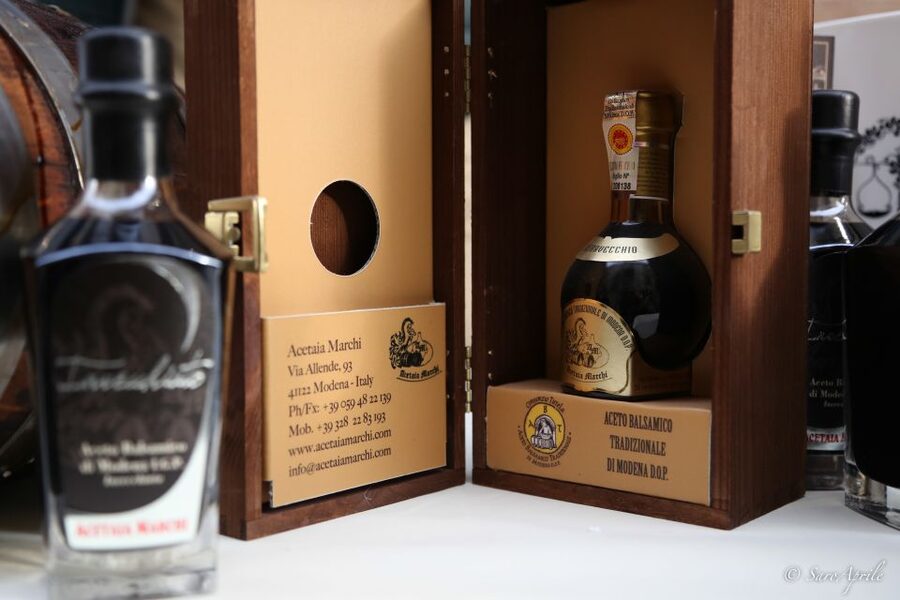
Verona is famous for romance, marble, and yes, pasta—but this tasting nudges you toward a different side of Italian food culture. In one hour, you focus on balsamic vinegar, including why people call it black gold and how it earned that nickname.
You’ll learn what makes “real” balsamic feel different when you taste it slowly, not straight from a supermarket bottle. The goal isn’t to memorize history for history’s sake. It’s to help you understand what you’re tasting, so you can shop smarter later and cook (or dress) with more confidence.
And because it’s paired with local produce, the lesson sticks. You get to experience the vinegar next to cheese, bread, and fruit—so the flavors feel connected rather than random.
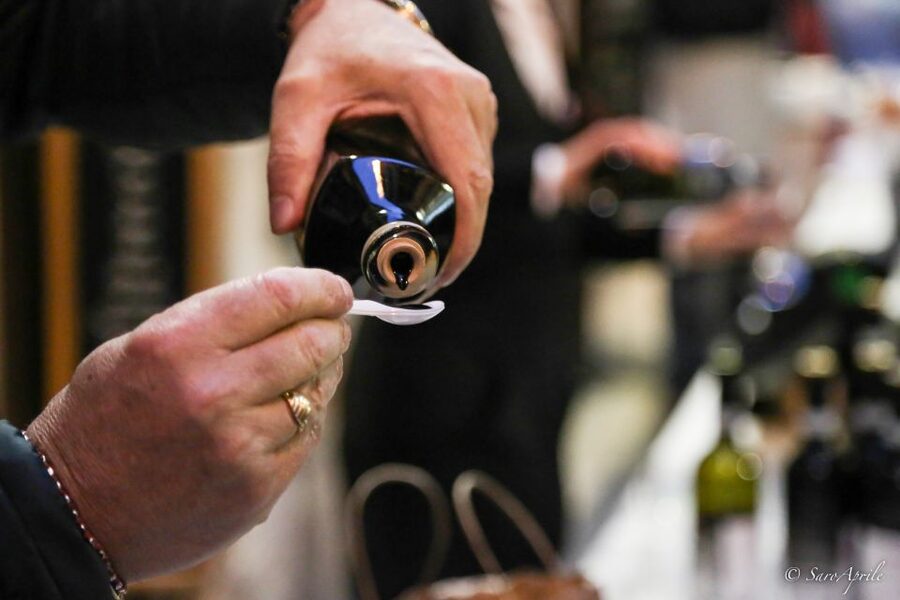
Frantoi and cellars: olive oil and balsamic to taste.
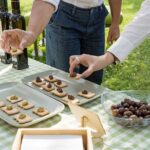
How the 1-Hour Lesson Actually Plays Out
This is a tight, focused experience. Expect a guide-led flow with time built in for tasting and comparing.
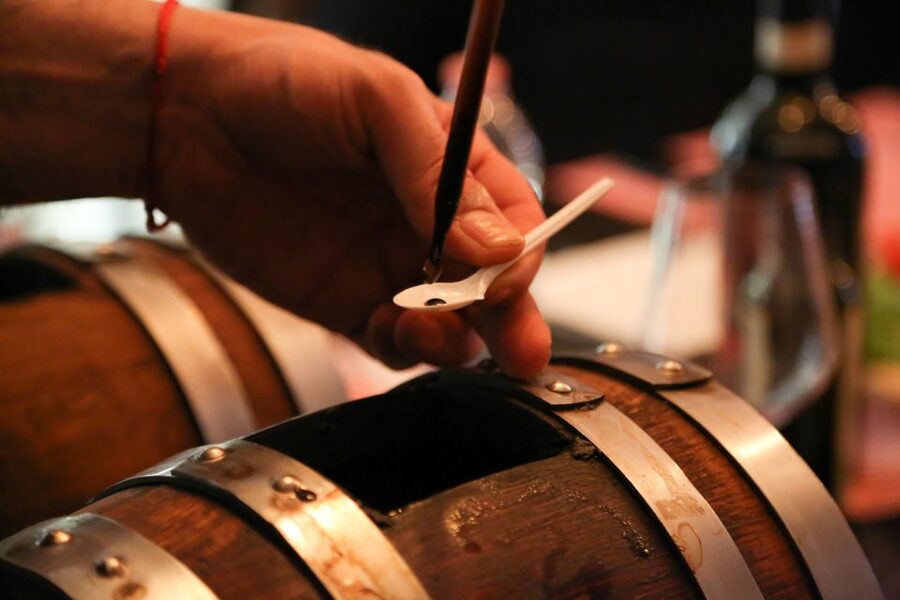
First, you’ll get context for why balsamic vinegar is treated like something valuable. The lesson follows its journey and evolution through time, including references to the Roman era, and what that means for how production developed.
Next comes the practical part: you learn how to tell the difference between IGP and DOC and how those categories affect what you buy and how you appreciate it. It’s the kind of explanation that helps you stop guessing at labels.
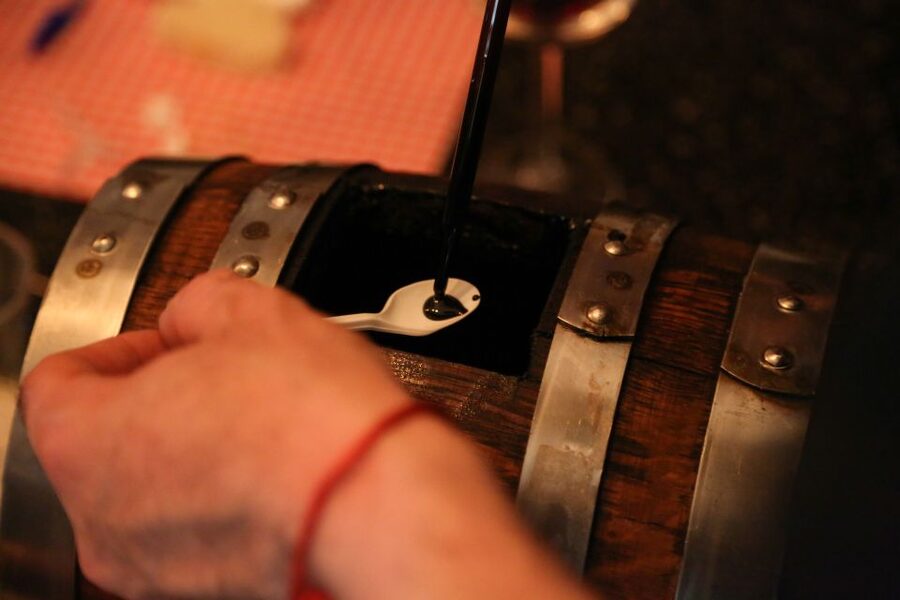
Then the tasting rounds begin. You sample different types of balsamic vinegar, and each one is paired with bites like cheese, bread, and fruit. The guide uses the pairings to show you what to look for when comparing sweetness, acidity, and overall character.
You’ll also have sparkling or still water, which matters more than it sounds. Water keeps you from tasting everything as one big blur.
IGP vs DOC: Labels You Can Use at the Store
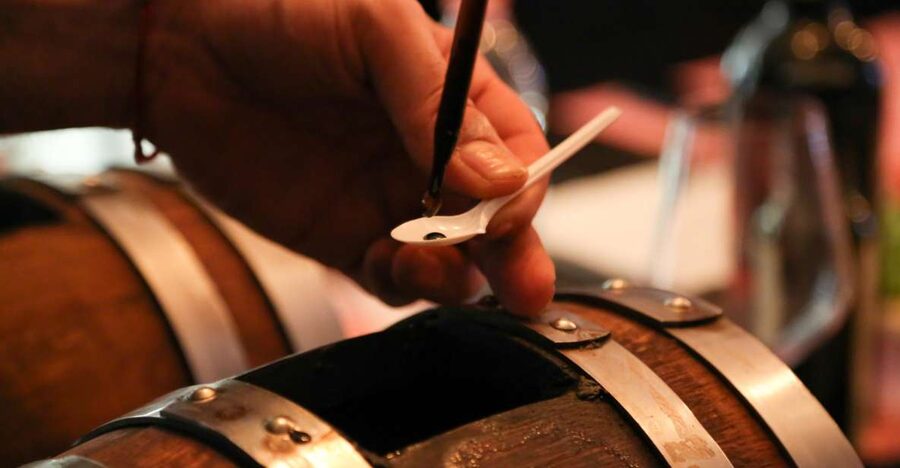
Most people see IGP and DOC on bottles and treat it like a code they’ll never fully understand. Here, you’re taught to connect those label categories to appreciation in the moment.
I don’t want to oversell it. This won’t turn you into a certification expert. But it will give you a working framework. The guide shows you how Italians think about product value and how labeling ties into tradition and production rules.
The payoff for you is simple: when you’re back home (or shopping in Italy), you’re not staring at options hoping for the best. You’ll have a clearer sense of what the bottle is promising—and why people pay for it.
The Tasting: What to Notice in Every Spoonful
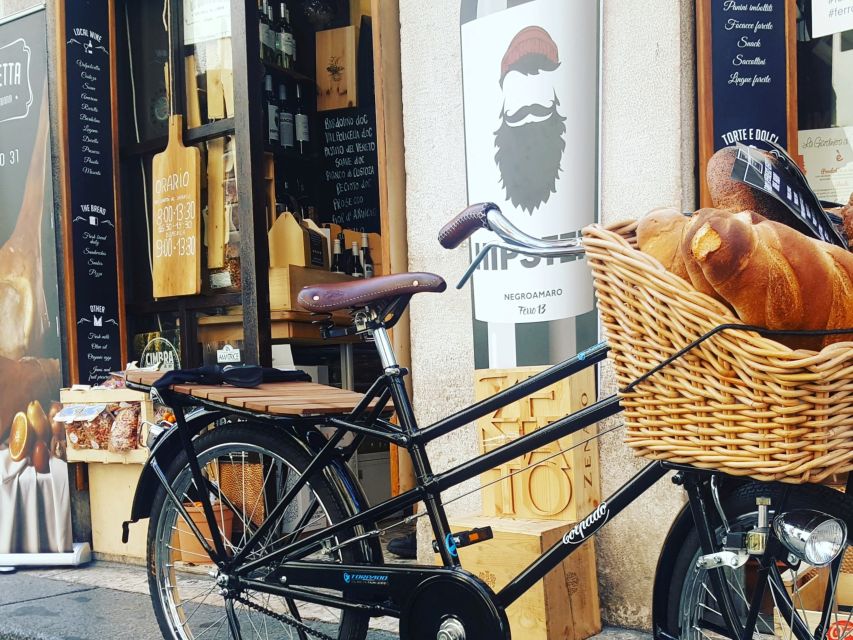
Because you’re tasting multiple types, the experience becomes a guided comparison. The guide helps you pay attention to the parts of balsamic that most people miss when they just drizzle quickly.
As you taste, focus on three questions:
- What does it taste like with cheese vs. fruit?
- Does the vinegar feel sharper or rounder next to bread?
- After you swallow, what lingers—sweetness, acidity, or something deeper?
The vinegar is described and framed as black gold, and that framing isn’t just marketing. You’ll see how the product’s value connects to its production and how Italians use it: slowly appreciated, not tossed on the first thing you see.
In sessions led by well-rated hosts like Natalie, the explanation tends to connect the vinegar to everyday food pairings and how different methods can lead to different uses. That makes the tasting feel less academic and more like you can apply it the same day.
Pairing With Cheese, Bread, and Fruit Makes It Click
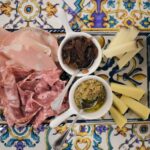
Here’s the smartest part of this experience: you taste balsamic with food that changes what you notice.
Cheese helps highlight richness and balance. Bread gives you texture and a neutral base so the vinegar doesn’t get lost. Fruit adds sweetness and fragrance, showing how balsamic can work like more than a tangy drizzle.
You also get to learn what the guide wants you to notice as the pairing changes. If you’re the type who loves to understand flavor logic, this is where you’ll feel the lesson land.
And don’t skip the water. You get still or sparkling, and either way it resets your palate. That’s important because comparing vinegar types works only if you keep your taste buds from running on fumes.
More Verona food and drink to track down.



Why the $53 Price Can Be Good Value
Price matters. This costs $53 per person for a 1-hour guided tasting with pairings and water.
Here’s what you’re paying for:
- A guide who teaches the basics of balsamic’s history and production evolution
- Time to compare different types of balsamic, not just a single sample
- Food pairings (cheese, bread, fruit) that actually teach you how to taste
- Still or sparkling water included
Is it expensive compared to a shop purchase? Yes—because it’s an experience, not a product. But compared to the cost of buying multiple bottles blindly, a tasting can be the smarter move if you’re curious and want clarity first.
The value is highest if you’re the kind of traveler who likes food education you can use. If you only want a quick sip with zero learning, the time cost may feel steep.
The Verona Logistics Catch: Parking Around Via Leoncino 31
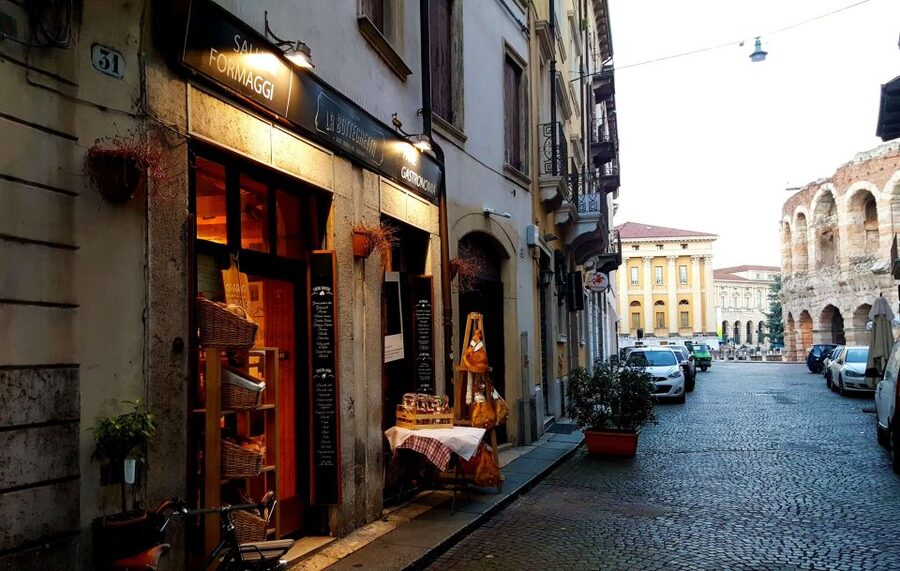
One practical note that keeps coming up: parking can be tricky near the meeting point on Via Leoncino 31. If you’re driving in from elsewhere, you might need extra time just to get into position.
My advice:
- If you can, use public transit or a taxi for the final leg.
- If you must drive, arrive early and treat parking as part of the plan, not a bonus.
- Build buffer time so you don’t start the tasting rushed—because the whole point is slow tasting and careful comparisons.
Who This Experience Suits Best
This tour is a great fit if you:
- Want to go beyond pizza-and-pasta food sightseeing
- Like learning how to taste, not just what to eat
- Enjoy food labels and want help interpreting IGP and DOC
- Want a compact, high-impact activity that fits easily into a Verona day
It’s also good for couples or small groups who want something different from the usual walking circuit.
I’d consider skipping it if:
- You dislike vinegar flavors in general
- You’re looking for a long, wandering food market-style outing (this is only one hour)
- You can’t handle the idea of tasting multiple variations and comparing them
Should You Book This Balsamic Vinegar Tasting in Verona?
Book it if you love food details and want a short activity with clear takeaways. You’ll come away with a better feel for what makes balsamic special—why it’s priced like it is, how labels like IGP vs DOC fit into the story, and how vinegar changes when paired with cheese, bread, and fruit.
Skip it if you want a hands-off souvenir stop, or if parking near Via Leoncino 31 will stress you out too much.
If your plan includes driving, give yourself extra time. Then show up ready to taste slowly. That’s where black gold stops being a name and becomes a flavor you actually understand.
FAQ
Where is the meeting point?
Via Leoncino 31.
How long is the tasting experience?
It lasts 1 hour.
What does the tasting include?
A vinegar tasting paired with local products such as cheese, bread, and fruit, plus sparkling or still water.
How much does it cost?
The price is $53 per person.
What languages are available?
The guide is available in English, Italian, or Russian.
Do I get to taste different kinds of balsamic vinegar?
Yes. You’ll sample different types of balsamic vinegar during the tasting.
Is there water included?
Yes. You’ll have sparkling or still water.
Is free cancellation available?
Yes. You can cancel up to 24 hours in advance for a full refund.
Can I reserve without paying right away?
Yes. You can reserve now & pay later.
More Verona Food and Drink

More Oil and Balsamic Tastings

More Tour Reviews in Verona



Weighing up other options? More ways to spend a day in Verona and out on Lake Garda





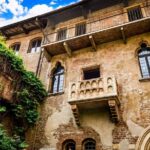
Olive Oil & Balsamic Tastings, compared.
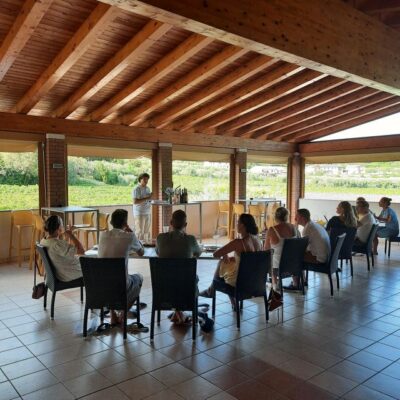 ★ 4.6Bardolino: Vineyard Tour with Wine, Olive Oil & Food TastingFrom $42221 reviews
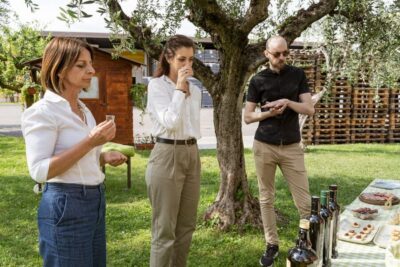 ★ 4.9Bardolino: Lake Garda Oil Mill Tour with Olive Oil TastingFrom $31205 reviews
 ★ 4.9Verona centro: Olive Oil Tasting ExperienceFrom $5337 reviews
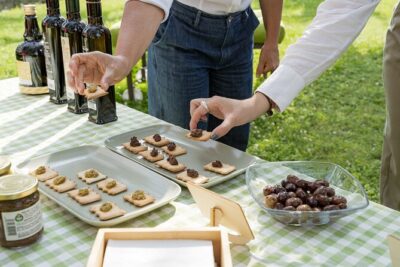 ★ 5.0Lake Garda Olive Oil Tour and Tasting ExperienceFrom $3416 reviews
 ★ 5.0Olive Mill Tour and Tasting in the Verona CountrysideFrom $349 reviews
Browse the lists this tour appears in