
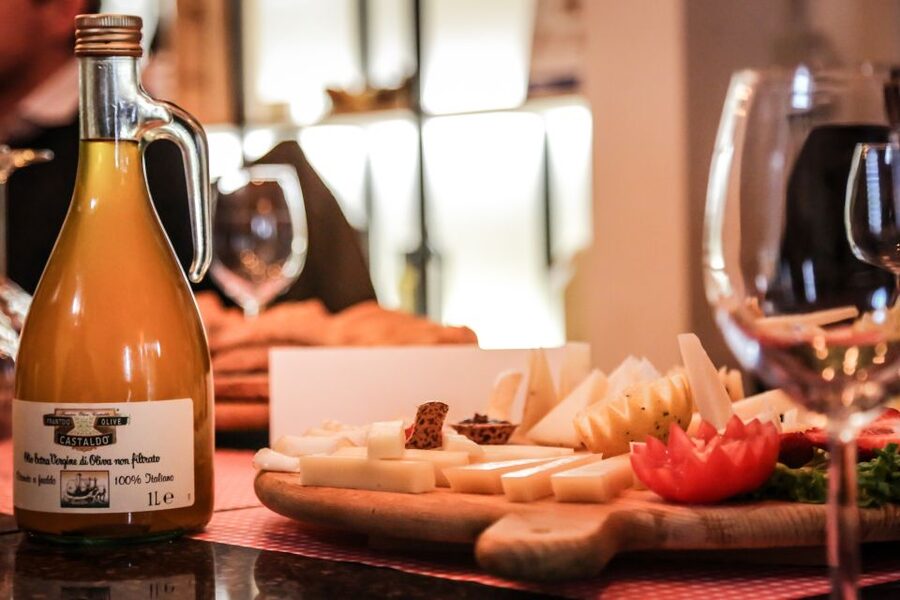
Reviewed · OLIVE OIL & BALSAMIC TASTINGS
Verona centro: Olive Oil Tasting Experience
Verona smells like bread, cheese, and good oil. This 1-hour extra virgin olive oil experience turns a basic Italian staple into something you can actually tell apart. You’ll taste 3 different extra virgin olive oils, hear how they’re made, and leave with practical clues for spotting quality.
Two things I really like: the guide goes beyond facts by showing you how to taste, and the food pairings keep the learning grounded in real life in Veneto. One thing to consider is that you’ll be eating and tasting, so if you have food intolerances, tell the provider ahead of time.
If you want a short, flavorful lesson in what makes extra virgin olive oil special, this is a fun way to do it in the center of Verona—no long museum detours required.
In This Review
- Key highlights you’ll feel right away
- Where it starts: La Bottega di Verona and a real local lesson
- Tip before you go
- What you actually do in 1 hour (and why that’s enough)
- Step-by-step flow you can expect
- Is it beginner-friendly?
- The tasting: how you learn to recognize the best extra virgins
- What the guide does that makes it stick
- How to compare the oils during your tasting
- You might see a bit more than the core samples
- Bread, cheese, and salami: the pairing part that makes it real
- Why the pairings matter
- Water and wine: practical options for the pace
- The story behind the bottle: production methods and practical uses
- Why production methods change what you buy
- The “use it” part
- Price and value in Verona Centro: $53 for a focused food education
- Who should book this and who might skip it
- Book it if…
- Consider skipping if…
- Should you book? My straight answer
- FAQ
- How long is the Verona olive oil tasting?
- Where is the meeting point?
- What’s included in the tasting?
- Do I need to request wine?
- What languages are the guides available in?
- Will the tour cover olive oil history and production?
- Should I tell you about food intolerances?
- What’s the cancellation policy and payment flexibility?
Key highlights you’ll feel right away
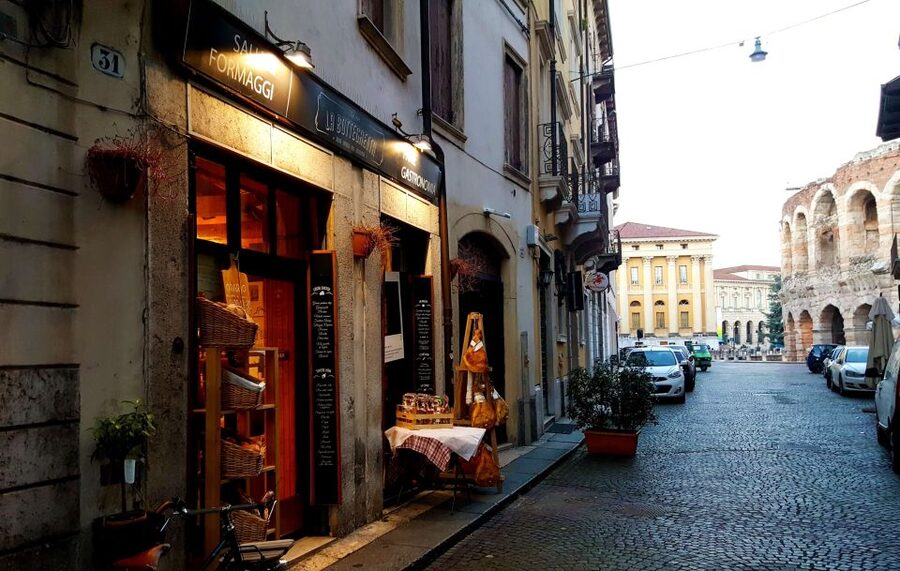
- Family-style shop setting at La Bottega di Verona, where the guide ties oil to everyday Italian eating
- 3 extra virgin olive oils tasted with bread and cheese combinations for real flavor comparisons
- Hands-on tasting guidance that helps you recognize good extra virgins by the end
- Production methods and history explained in plain language, including production secrets
- Savory plate included: salami, cheese, and bread, plus still or sparkling water
- Optional wine on request to match what you’re tasting
Where it starts: La Bottega di Verona and a real local lesson
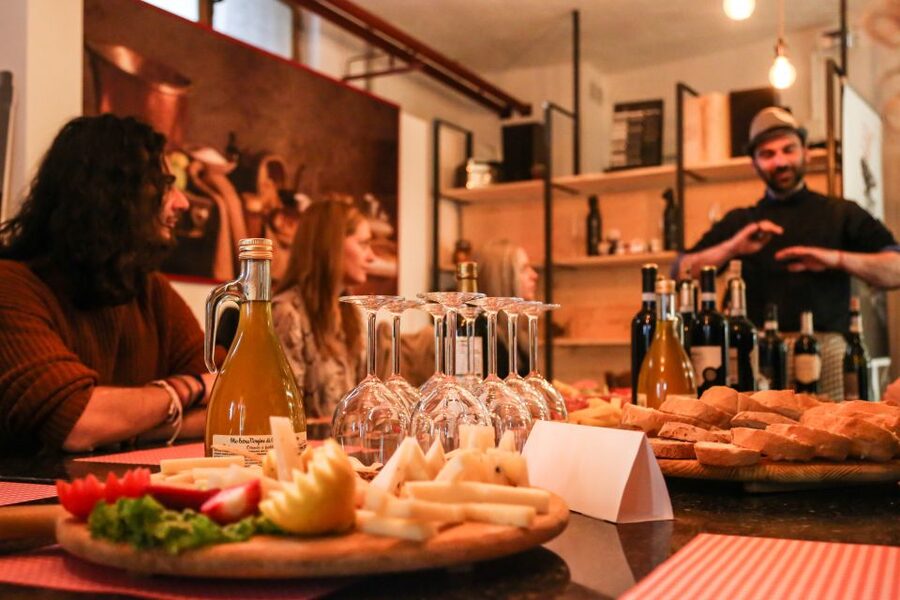
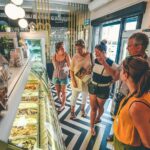
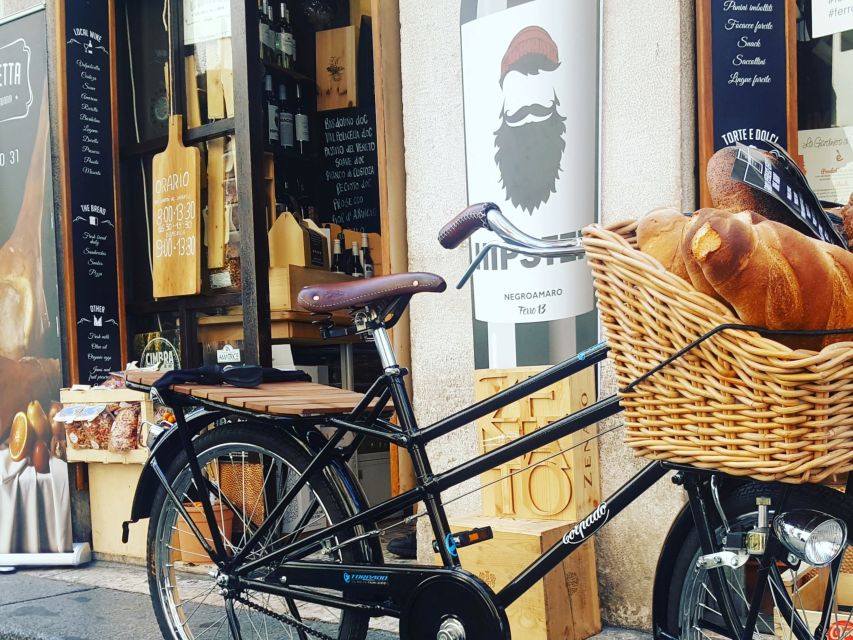
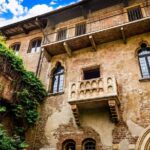
Most olive oil experiences either feel like a lecture or like a quick tasting and leave you guessing. This one starts in a historic shop called La Bottega di Verona, and that matters. You’re in a place built for selling and talking about products, not a staged tasting room far from daily life.
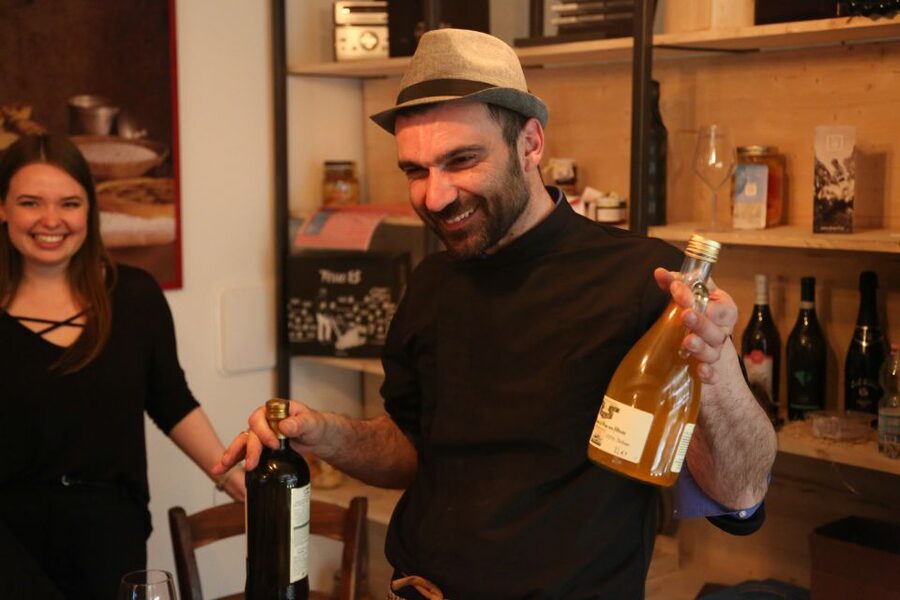
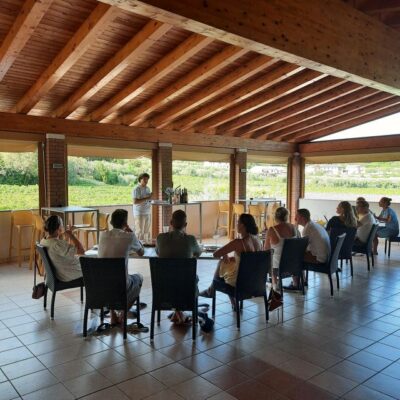
The host/guide meets you there and runs the session in Italian, English, and Russian (so you should be able to find a match in your language). Even better, the guides are described as patient and professional, which you’ll appreciate because tasting is slower than it looks. You don’t just swallow and move on—you smell, taste, compare, and ask questions.
You’re also in Verona Centro, which helps if your day is already packed. This is timed at 1 hour, so it slots neatly between sightseeing and dinner plans.
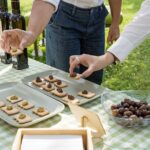
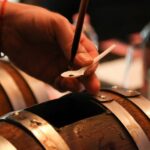
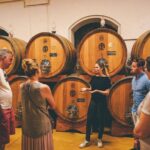
Frantoi and cellars: olive oil and balsamic to taste.
Tip before you go
Come ready to pay attention to small differences—peppery notes, fruitiness, and how the oil changes with bread and cheese. If you expect it to be all about the dramatic taste notes, you’ll miss the point. The goal here is recognition: you want to be able to tell good extra virgin olive oil from the rest.
What you actually do in 1 hour (and why that’s enough)
This is marketed as a focused olive oil course, and the structure is what makes it work. You’re in a short block of time, but you don’t feel rushed because the guide keeps the tasting paced and the explanations tied to what you’re experiencing.
Step-by-step flow you can expect
The experience is centered on extra virgin olive oil: its history, how it’s produced, and how to use it correctly. Then the tasting portion gives you a way to connect the story to your palate.
In practical terms, you’ll go through:
- Learning the basics: what extra virgin means and what you should notice while tasting
- Tasting 3 different oils: each one presented as a comparison, not a random sample
- Pairing with food: bread and cheese combinations so you can see how context changes the flavor
- A savory tasting plate: salami, cheese, and bread, plus still or sparkling water
- Optional wine if you request it, to round out the session
That pairing focus is a big deal. Olive oil doesn’t taste in isolation. It tastes on bread, next to cheese, with cured meat—exactly how Italians use it at the table.
Is it beginner-friendly?
Yes. The session is built for people who already know olive oil exists in Italy but want to understand the differences. If you’ve never tasted extra virgin olive oil before, you’ll still have a clear set of “what to pay attention to” cues by the end.
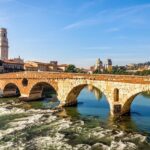
More Verona food and drink to track down.

The tasting: how you learn to recognize the best extra virgins
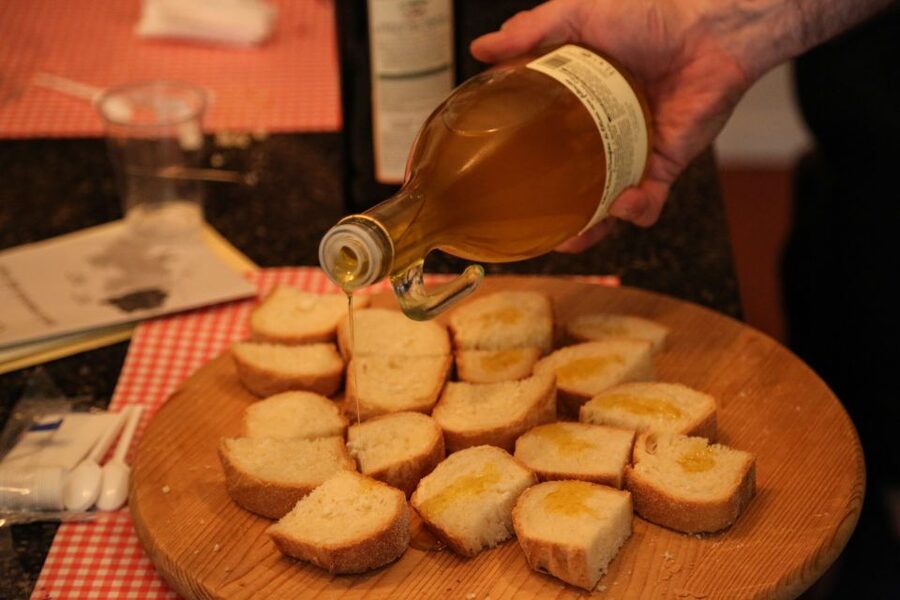
The headline promise is that you’ll learn to recognize the best extra virgins after the experience. That’s a bold claim, but it’s also how this kind of guided tasting becomes useful: you train your senses to notice quality signals.
What the guide does that makes it stick
The most praised parts of the experience focus on the guide’s approach: friendly, patient, answers questions, and takes time. That’s not just nice customer service. It changes what you remember. When you’re allowed to ask, you get your own personal “aha” moment about what you’re noticing.
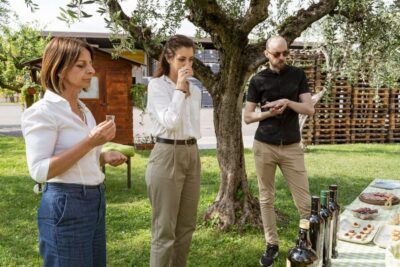
A repeated theme is that the guide shows how olive oil is best tasted. Even if you’ve tasted oils before, having someone coach your method helps. For most people, tasting goes wrong when they treat it like drinking. Olive oil tasting is more like guided tasting of aroma and texture, then a careful sip.
How to compare the oils during your tasting
You’ll taste multiple oils back-to-back. Here’s how to make that comparison pay off:
- Focus on how each oil smells when it first hits air (aroma can guide you fast)
- Notice the flavor pattern, not just the first taste
- Pay attention to the after-feel on your palate (that lingering sensation is information)
- Compare alongside bread and cheese so you stop guessing and start learning
And don’t worry if you can’t describe it like a wine critic. The point is learning what matters so you can pick a bottle with confidence later.
You might see a bit more than the core samples
The experience is described as tasting 3 different types of oil. In smaller sessions, you may be given extra samples or comparisons. That’s the kind of flexibility you get when the shop is family-run and the guide is focused on your experience rather than a rigid script.
Bread, cheese, and salami: the pairing part that makes it real
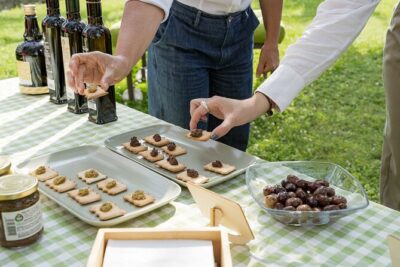
Olive oil education can feel abstract if it stops at a glass. This experience avoids that mistake by feeding you as you learn. You’ll get bread and cheese combinations designed to show how different oils react to real food.
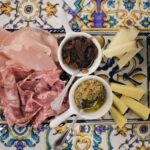
You’ll also receive a plate of salami, cheese, and bread. That might sound like a simple included meal, but it serves a purpose: you get to taste the oil’s role as an enhancer, not just a standalone ingredient.
Why the pairings matter
Olive oil can taste different depending on what it’s paired with because:
- Bread gives you a neutral base to detect oil character
- Cheese can highlight richness and balance bitterness or sharpness
- Salami brings salt and fat, which changes how the oil’s texture and finish feel
If you go into this hungry, you’re in luck, because it’s the kind of tasting where your senses reset between oils. You’ll often find that by the time you reach the savory plate, the oil differences feel clearer rather than more confusing.
Water and wine: practical options for the pace
You’ll have still or sparkling water included. That’s important because water keeps the tasting clean between samples. And if you want a glass of wine, it’s available upon request. That pairing can be enjoyable if you like to connect flavors the way Italians do at lunch or dinner.
The story behind the bottle: production methods and practical uses
After the tasting starts, the guide also runs you through the olive oil story—its history, production methods, and common plus non-common uses. The best part of this section is how it connects craftsmanship to what you’re tasting.
Instead of treating production like a distant technical process, the guide translates it into something you can feel in the glass. You’ll learn production secrets in a way that makes quality choices easier later.
Why production methods change what you buy
You don’t need to memorize every step. What you need is the logic: different processes and choices lead to different flavor outcomes. Once you understand that, tasting stops being a one-time event and becomes a tool you can use at home in your next grocery store trip.
The “use it” part
Learning how olive oil is used at the table sounds obvious, but it’s where people get practical. Common uses are one thing. The tour also mentions common and non-common uses, which can give you ideas beyond drizzle-on-salad mode.
Examples of what that can mean in real life: using the oil to finish a simple dish, pairing it intentionally with certain foods, or thinking about oil choice like you’d choose a finishing salt. You’ll walk away with a better sense of how to match oil style to food, not just pick the bottle labeled extra virgin.
Price and value in Verona Centro: $53 for a focused food education
At $53 per person for 1 hour, this isn’t a huge time commitment. It’s also not just a snack. You’re paying for:
- Guidance in multiple languages
- 3 oil tastings plus bread and cheese pairings
- A plate with salami, cheese, and bread
- Water included
- Plus history and production methods, not just flavor impressions
- Optional wine on request
So the value is in combination: tasting + food + explanation. If you only want to eat, you’d still get food elsewhere. If you only want a lecture, you could find that too. Here, you’re trained with sensory comparisons while eating real Italian basics.
Is it the cheapest thing you can do? Not usually. But if you like food experiences that teach you how to buy and use better ingredients, this feels like a good deal for the time.
Who should book this and who might skip it
Book it if…
- You want a short, high-impact food experience in Verona Centro
- You enjoy learning through tasting, not just reading labels
- You’re curious about extra virgin olive oil beyond the basics
- You like when guides answer questions and don’t rush you
Consider skipping if…
- You’re not comfortable with tasting food and oils in a guided setting
- You have strict dietary restrictions and haven’t been able to communicate them in advance
- You want a long, sightseeing-heavy experience instead of a focused tasting lesson
If you’re the type who brings home a bottle and wants it to actually taste better in your kitchen, this tour is made for you.
Should you book? My straight answer
Yes, if you want to come away with something you can use. The best reason to book is simple: this isn’t only tasting; it’s tasting plus guidance plus pairings, all within a tight 1-hour slot. You’ll learn how to recognize good extra virgin olive oil, and you’ll understand why the oil works with food.
I’d book it sooner rather than later in your Verona trip. That way, when you see olive oil in shops and restaurants, you can connect it to what you learned instead of treating it as background noise.
If you have any food intolerances, message the provider first. That small step protects your experience and keeps the tasting comfortable.
FAQ
How long is the Verona olive oil tasting?
It lasts 1 hour.
Where is the meeting point?
Your guide meets you at the historic shop La Bottega di Verona.
What’s included in the tasting?
You’ll get tasting of 3 different types of oil, bread and cheese pairings, a plate of salami, cheese, and bread, and still or sparkling water. A glass of wine is available upon request.
Do I need to request wine?
Wine is included upon request, so if you want it, plan to ask.
What languages are the guides available in?
The guide is listed as available in Italian, English, and Russian.
Will the tour cover olive oil history and production?
Yes. The experience includes explanations of olive oil history, production methods, and how to use olive oil (including common and non-common uses).
Should I tell you about food intolerances?
Yes. You’re asked to inform the provider of any food intolerances.
What’s the cancellation policy and payment flexibility?
You can cancel up to 24 hours in advance for a full refund, and you can reserve now & pay later (you pay nothing today).
More Verona Food and Drink

More Oil and Balsamic Tastings

More Tour Reviews in Verona

Weighing up other options? More ways to spend a day in Verona and out on Lake Garda




Olive Oil & Balsamic Tastings, compared.
 ★ 4.6Bardolino: Vineyard Tour with Wine, Olive Oil & Food TastingFrom $42221 reviews
 ★ 4.9Bardolino: Lake Garda Oil Mill Tour with Olive Oil TastingFrom $31205 reviews
 ★ 5.0Lake Garda Olive Oil Tour and Tasting ExperienceFrom $3416 reviews
 ★ 5.0Olive Mill Tour and Tasting in the Verona CountrysideFrom $349 reviews
 ★ 3.8Traditional Balsamic Vinegar From Modena TastingFrom $539 reviews
Browse the lists this tour appears in