
Reviewed · VERONA WINE TASTING & CELLARS
Discover Valpolicella Vineyards and Wine Tasting Experience
Wine country, minus the crowds. This Valpolicella experience takes you from Verona into Marano di Valpolicella for a walk among the vines with the family team at Tenuta Santa Maria Valverde, where the story behind the estate feels real and lived-in.
What I like most is the family-run scale and the personal attention you get in a small group setting. The second big win for me is the tasting itself: you’ll sample Valpolicella, Ripasso, and Amarone, paired with local bites like Monte Veronese cheese and Soppressa salami, plus the estate’s organic olive oil.
One thing to plan carefully is transport and the exact pickup instructions. Several people ran into confusion around map pins and where to meet, so bring your confirmation details and give yourself a little buffer.
In This Review
- Key highlights you’ll actually care about
- Price and value: what $84.69 buys you in real terms
- Verona-to-vineyard logistics: how to avoid the common pickup headache
- Getting oriented: what those Verona stops add to your day
- The vineyard walk at Marano di Valpolicella: where the story starts
- Tenuta Santa Maria Valverde: the family-run setting that changes the tone
- The 17th-century cellar and the Fruttaio grape-drying room
- How the guide teaches tasting: sight, smell, and taste (without being stuffy)
- Valpolicella, Ripasso, and Amarone: what’s included and why the trio works
- Food pairings with organic olive oil, cheese, and Soppressa
- Terrace views: the part you’ll remember after the last sip
- Who this tour fits best
- Should you book Tenuta Santa Maria Valverde’s Valpolicella tasting?
- FAQ
- What is the duration of the Valpolicella vineyards and wine tasting?
- Where does the tour take place?
- How many people are in the group?
- Is the tour offered in English?
- What wines are included in the tasting?
- What food pairings come with the wine?
- Is transportation provided from Verona?
- What is the Fruttaio?
- Can I get the ticket on my phone?
- Is there free cancellation?
Key highlights you’ll actually care about
- Vineyard walk first, so the wine story starts with the plants, not just the glass
- 17th-century cellar + the Fruttaio grape-drying room, a signature Valpolicella detail
- Sight, smell, taste guidance so you learn what you’re noticing as you pour
- Valpolicella, Ripasso, and Amarone in one tasting, not just one or two basics
- Food pairings with local cheese and Soppressa, plus organic olive oil
- Small-group feel (max 18), which keeps questions and conversation flowing
Price and value: what $84.69 buys you in real terms
At about $84.69 per person for roughly 2.5 hours, this isn’t a quick “chip-and-try” tasting. You’re paying for a full estate visit: vineyard time, cellar time, and a structured tasting with food pairings. The math gets easier when you remember that Amarone isn’t the cheapest wine to produce, and the tour is built around that style.
You also get a better “use your time well” format. Instead of bouncing around multiple locations, you stay focused on one property in Valpolicella—walking, learning the process, and then tasting what that process creates. For wine lovers, that tends to feel like better value than larger factory-style tastings.
The trade-off is simple: you’ll need to handle the hillside logistics. If you show up stressed about where to meet, the experience won’t feel as good.
Back into the Valpolicella hills for a glass of Amarone.

Verona-to-vineyard logistics: how to avoid the common pickup headache
The experience is designed to operate from Verona and end back at the same meeting point. In practice, though, the winery is in the countryside, so you may need a combination of city bus + a short car ride, or a shared shuttle/taxi option depending on what’s running.
Here’s how to set yourself up for an easy start:
- Confirm the exact pickup instructions in your booking info, not just a map pin.
- Plan to arrive with a little extra time. People have reported being sent to the wrong place by inaccurate meeting points.
- If you’re going on a day with low crowds, ask ahead whether a shared shuttle might be grouped small, since shared costs can feel steep when you’re split across fewer people.
If you’re relying on public transport, don’t assume the first stop will be the final stop. The ride typically involves getting out of central Verona first, then being collected by car for the last stretch up the hills.
Getting oriented: what those Verona stops add to your day
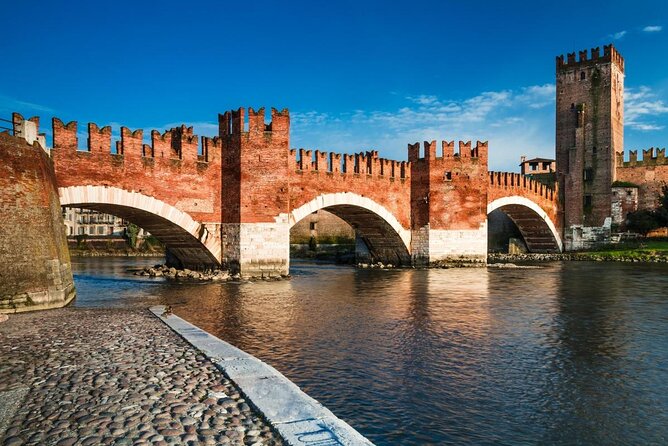
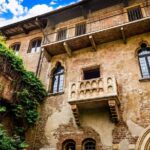
The route includes multiple Verona landmarks, which makes the day feel less like a straight bus trip and more like a short sightseeing thread tied to your wine visit. You pass by or stop at places like Ponte Scaligero and Ponte della Vittoria, and you’ll see the Statue of Dante Alighieri. There’s also a stop listed at places like Capitello al Gazzo and areas around Cortile Mercato Vecchio e Scala della Ragione.
Even if these are brief moments, they help you understand where you are. Verona has a strong “big-city history” vibe, and Valpolicella is the “back-to-the-land” counterpart. This routing gives you both without forcing you to squeeze in separate tours on the same day.
The vineyard walk at Marano di Valpolicella: where the story starts
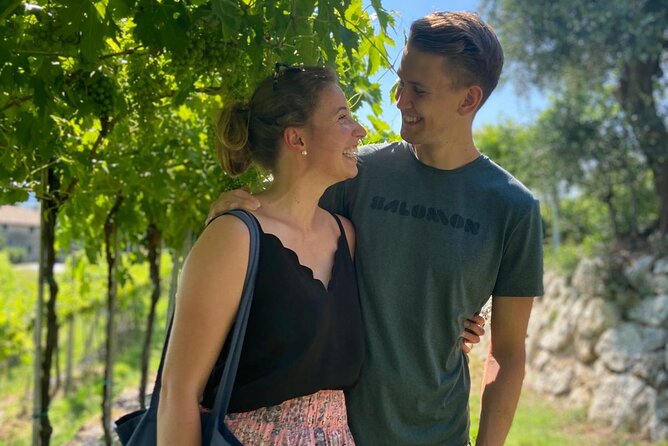
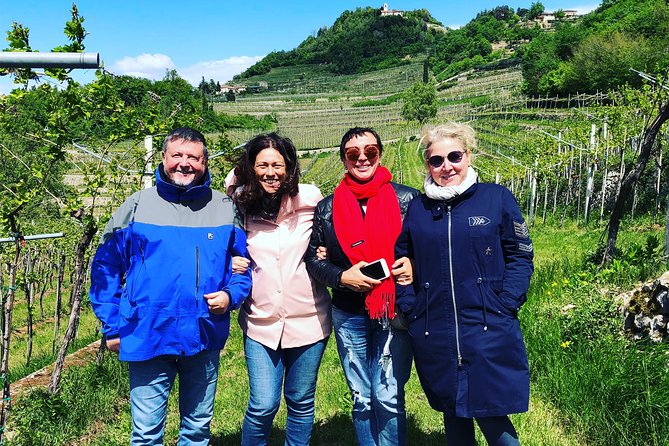
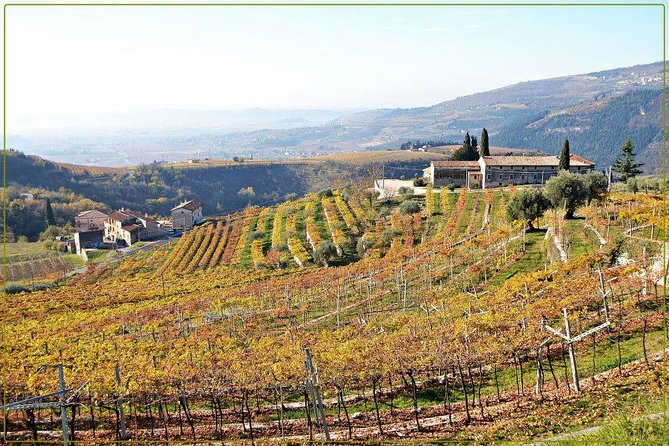
The visit begins with a walk in the vines around the winery in Marano di Valpolicella. This part matters because you’re not learning wine in a vacuum. You’re seeing the setting where the grapes grow, and you’re getting the family story about the estate along the way.
This is also where the pace feels right. The walk gives you time to settle in, ask questions, and shift gears from city touring to countryside attention. And because the group size is capped at 18, it’s easier to keep the conversation going rather than getting rushed through.
Tenuta Santa Maria Valverde: the family-run setting that changes the tone
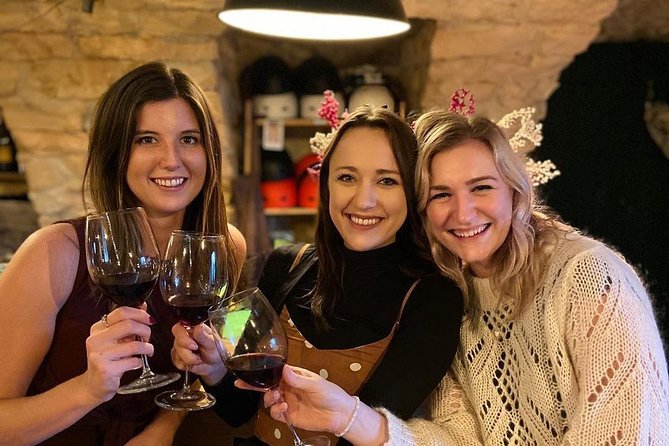
Tenuta Santa Maria Valverde is set up for a calmer kind of visit. The estate is traditional and family-run, and the tour structure is built around showing you the property—vineyards, historic cellar spaces, and the tasting areas—rather than pushing you through a rapid script.
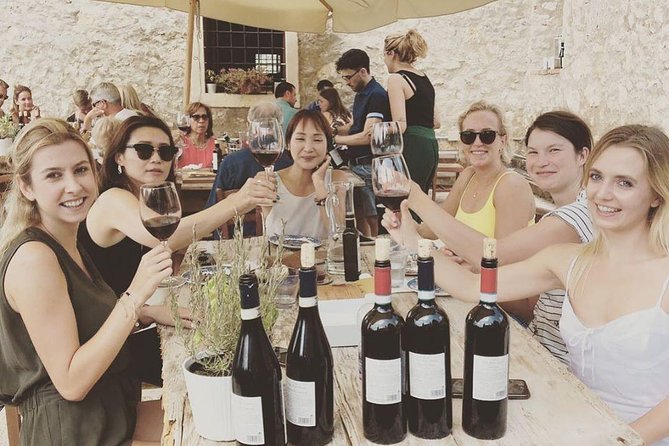
A detail I think you’ll appreciate: the tastings happen in a converted space (described by guests as a stunning old stable). That kind of room makes the tasting feel like you’ve stepped into the winery’s everyday life, not into a showroom.
You may also encounter small extras that keep things human—one memorable moment described in the experience is meeting the winery dogs, which turns the visit into something warmer and less staged.
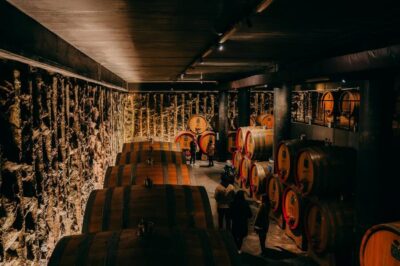
More cellars and tasting rooms around the city.
The 17th-century cellar and the Fruttaio grape-drying room
This is the heart of why Valpolicella is different, and the tour highlights it clearly.
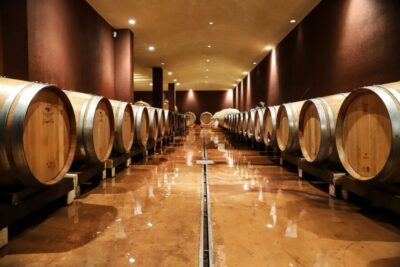
You’ll visit an estate cellar dating back to the 17th century, where you learn the steps of the wine process. The standout room is the Fruttaio, a traditional space used to dry grapes. Even without becoming a wine engineer, you’ll get the basic idea of how drying changes concentration and flavor potential.
Then you’ll see where refinement happens for the reds—especially the stages associated with aging in oak barrels. The tour doesn’t just point at equipment; it connects the visuals to what you’ll taste later in the tasting lineup.
If you care about understanding the why behind the glass, this part is where the experience earns its price.
How the guide teaches tasting: sight, smell, and taste (without being stuffy)
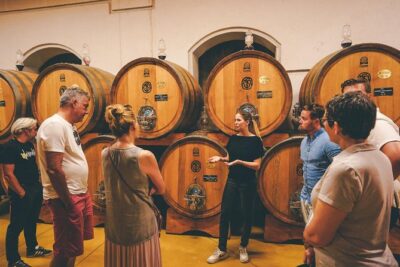
You’ll do a guided tasting where you learn to evaluate wine using sight, smell, and taste. That simple framework is useful even if you’ve never done a tasting class before.
Use it like this while you taste:
- In the glass, pay attention to color and clarity as your first clue.
- In the nose, focus on the strongest aromas first before trying to name everything.
- In the mouth, notice balance: acidity vs. richness, and how long flavors linger.
The guides on this experience can vary, and some names you may meet include Jacopo, Giovanni, Claudia, Ilaria, and Beatrice (with other team members like Rachel also showing up in examples). The common thread is that they bring the family story and practical winemaking explanations into the tasting, so you’re not just swallowing wine and moving on.
Valpolicella, Ripasso, and Amarone: what’s included and why the trio works
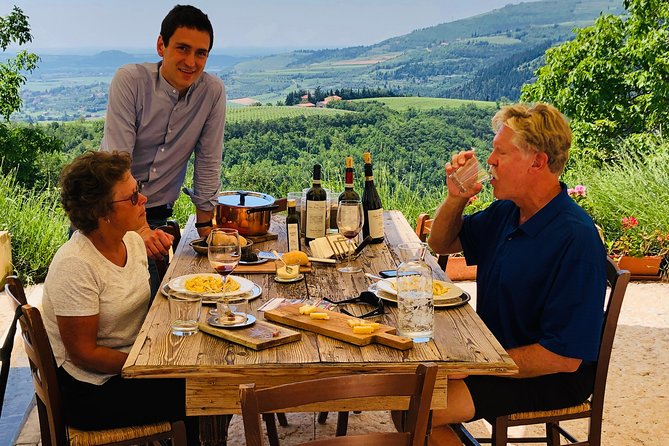
The tasting selection is built around Valpolicella, Ripasso, and Amarone. That’s a smart lineup because it shows how the region can produce both everyday-friendly structure and deeper, more intense styles.
Here’s what you’ll likely notice as you move through them:
- Valpolicella starts you in a more approachable flavor zone, helping you calibrate your palate.
- Ripasso adds depth and complexity, often feeling fuller than the base style.
- Amarone is the big “wow” wine in the set, and many people call it the highlight.
Because the tour pairs wine with local food, you’re not tasting in isolation. That makes a difference with Amarone, which can feel intense on an empty stomach.
Food pairings with organic olive oil, cheese, and Soppressa
This is where the experience feels like lunch in a vineyard setting rather than a tasting-only stop.
Your tasting includes local accompaniments such as:
- Organic extra virgin olive oil
- Local cheeses including Monte Veronese
- Soppressa, a local salami from Valpolicella
- Bread and other simple sides meant to match the wines
Some tastings are also described with extras like mustardo or cherry chutney, which add sweetness or spice to help you find new notes as you sip.
Portions are often described as generous, so if you’re hungry, this isn’t a “one cracker and a sip” situation.
Still, keep expectations realistic: the wine pours are planned as a tasting format. A few people felt the wine measures were smaller than expected, so if you’re the type who wants a heavy pour, you may want to pace your purchases after the tour.
Terrace views: the part you’ll remember after the last sip
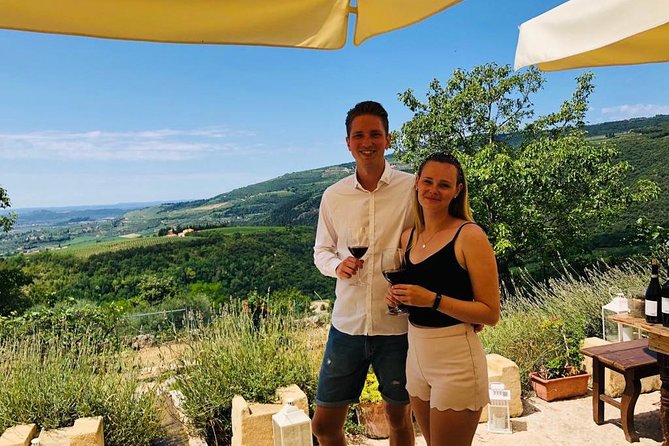
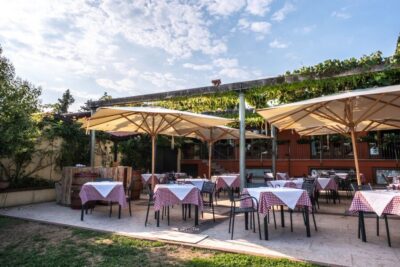
After the cellar and the tasting, you get time in a scenic terrace space with views over the Valpolicella hills. Even if the weather isn’t perfect, the terrace moment is one of the easiest ways to make the day feel complete.
In misty or cloudy conditions, you might lose some distance views, but you can still enjoy the calmer rhythm. One guest described the atmosphere as calm and seductive even when views were softened by weather.
If you’re photographing the hills, go slow. This is the type of view where you’ll want a few minutes to just look, not just snap and move.
Who this tour fits best
I think this is a strong choice if you:
- Want a small-group winery experience with a family team
- Like learning how wine is made, not only buying bottles
- Are curious about Amarone but don’t want a long, complicated route
- Prefer countryside wine over a big industrial tasting room
It’s also friendly for solo travelers, as the group size keeps things social. The one caveat is transportation: if you struggle with bus stops, map pins, or last-mile pickups, plan ahead and read your pickup instructions carefully.
If you already know every production term and want maximum time in the vineyard itself, you might wish the schedule had more hands-on time. But for most people, the 2.5-hour format is a good balance between learning and relaxing.
Should you book Tenuta Santa Maria Valverde’s Valpolicella tasting?
Yes—if you want a family-run Valpolicella experience that connects the process (cellar + Fruttaio) to the wines (Valpolicella, Ripasso, Amarone) with a real pairing meal feel.
Book it especially if you:
- Like intimate tours with time to ask questions
- Care about Amarone’s story and don’t just want to taste a single bottle
- Want your Verona day to include countryside wine without driving yourself
Before you hit confirm, do two things: double-check the meeting point details, and give yourself a cushion for the last mile out to the hills. Once you do that, the day has the kind of warm, grounded pacing that makes wine country feel human.
FAQ
What is the duration of the Valpolicella vineyards and wine tasting?
It runs for about 2 hours 30 minutes.
Where does the tour take place?
It is in Valpolicella, with the start and end meeting point in Verona, Italy, and the winery visit in Marano di Valpolicella.
How many people are in the group?
The experience has a maximum of 18 travelers.
Is the tour offered in English?
Yes, it is offered in English.
What wines are included in the tasting?
The tasting includes a selection of Valpolicella, Ripasso, and Amarone wines.
What food pairings come with the wine?
You’ll be paired with organic extra virgin olive oil, local cheeses such as Monte Veronese, and Soppressa from Valpolicella (salami), along with local delicacies.
Is transportation provided from Verona?
The tour details mention round-trip transportation from Verona to avoid the hassle of driving, but because the winery is outside the city, you’ll want to follow the specific pickup instructions provided with your booking.
What is the Fruttaio?
The Fruttaio is a special traditional room where grapes are dried as part of the wine-making process.
Can I get the ticket on my phone?
Yes, the tour uses a mobile ticket.
Is there free cancellation?
Yes. You can cancel up to 24 hours in advance for a full refund.
More Verona Cellars and Tastings

More Valpolicella and Amarone




More Tour Reviews in Verona



Weighing up other options? More ways to spend a day in Verona and out on Lake Garda







Verona Wine Tasting & Cellars, compared.
 ★ 4.9Valpolicella and Amarone Wine Tasting TourFrom $112560 reviews
 ★ 4.8Wine Tasting with Snacks and Panoramic ViewsFrom $53494 reviews
 ★ 5.0Amarone Wine-tasting Tour from Verona with Private TransportationFrom $151283 reviews
 ★ 4.8City Walking Tour with Cable Car & Wine AperitifFrom $81267 reviews
 ★ 4.5Lake Garda: Historic Castle Cruise with Wine TastingFrom $113241 reviews
 ★ 5.0Wine Tasting with Panoramic View of VeronaFrom $54240 reviews
 ★ 4.9Food and Wine Tasting Walking TourFrom $96238 reviews
 ★ 4.8Lake Garda: Wine Tour and Tasting Experience in BardolinoFrom $47231 reviews
Browse the lists this tour appears in