
Reviewed · VERONA WALKING TOURS
Verona: Food and Wine Tasting Walking Tour
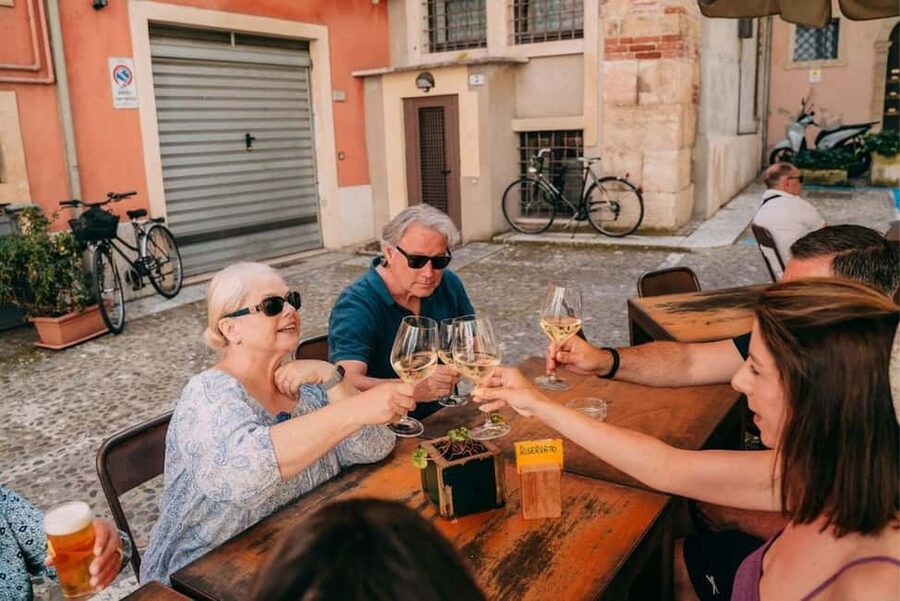
One hour in Verona and you already taste it. This food and wine walking tour turns famous sights like Piazza Bra and Ponte Pietra into breaks for real local flavors, from espresso and risino to Valpolicella wine tastings. I especially love how the local foodie guide leads you through quieter city streets instead of just marching from landmark to landmark. I also love the focus on regional standouts like risotto all’Amarone and the three-wine tastings that make Valpolicella feel personal.
The main drawback is simple: it is a walking tour that runs rain or shine, so you’ll want comfy shoes and a bit of stamina for multiple short hops on foot, plus stops where mobility can be tricky.
In This Review
- Key highlights at a glance
- Verona in 3 hours: why this tour works
- The meet-up zone: Porta Borsari and instant city orientation
- Morning tour: Espresso and Risino to start (Piazza Bra)
- Piazza delle Erbe snacks: where small bites feel like a plan
- Osteria meatballs and the handmade factor
- Risotto all’Amarone: the signature stop (and why it matters)
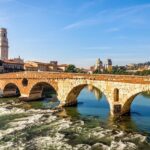
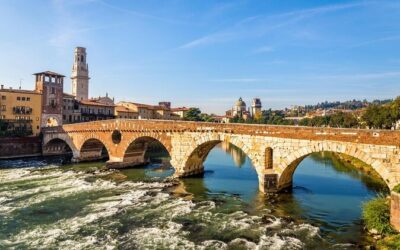
- Ponte Pietra wine tasting: drink with a view
- Dessert in the morning: artisanal gelato for the final sweetness
- Afternoon tour: aperitivo first, then tastings with a sunset mindset
- Cone of handmade meatballs: Veronese street-food energy
- Three wines again, but in a different setting
- Aperol Spritz at the end: the toast you actually want
- How to choose: morning sweetness or afternoon spritz
- Price and value: what you’re really paying for
- Who this tour suits best (and who should think twice)
- Should you book this Verona food and wine walking tour?
- FAQ
- Where is the tour meeting point?
- How long is the tour?
- Is there more than one departure time?
- Does the tour run rain or shine?
- What tastings are included?
- Are pets allowed?
- Is it suitable for wheelchair users?
Key highlights at a glance
- Pick your vibe: morning leans sweet and hearty; afternoon leans aperitivo and spritz energy.
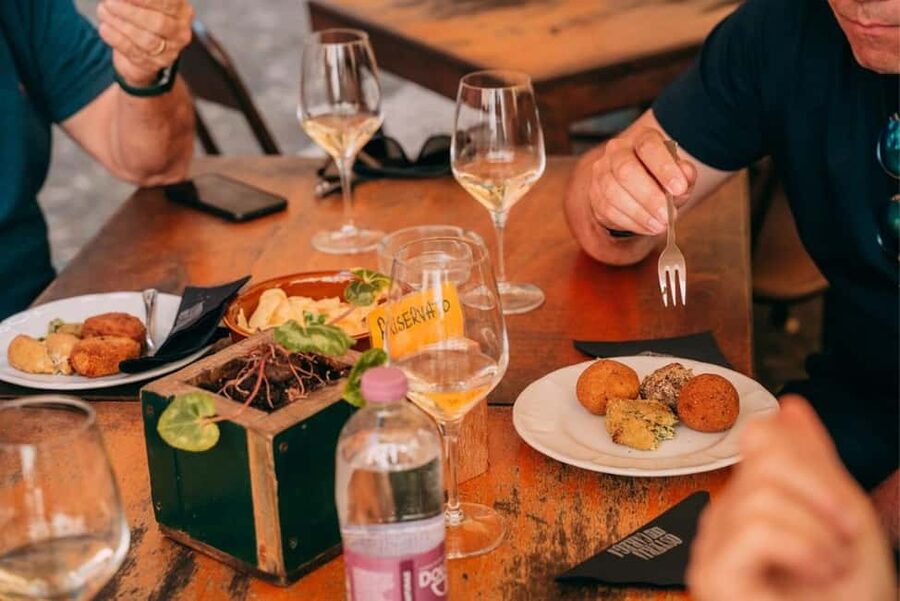
- Real Veronese stops: breakfast pastry, osteria snacks, and a takeout-style meatball cone.
- Valpolicella tastings: you’ll try three local wines and learn what makes the style click.
- Iconic dishes included: risotto all’Amarone shows up in the morning program.
- Scenic timing: Ponte Pietra is built into the wine moment, with the city doing the backdrop work.
- End on a classic note: gelato in the morning, Aperol Spritz in the afternoon.
Verona in 3 hours: why this tour works
Verona can be one of those cities where you see a lot, but you don’t always feel it until you sit down and eat. This tour solves that fast. It is built like a tasting walk: short strolls, then a stop where food and drink take center stage. You still cover the recognizable highlights, but they don’t feel like a checklist.
The value is that your tastings are not random. You get a planned rhythm: coffee and pastry first, then savory bites, then a more formal wine moment, then dessert or a spritz depending on the time slot. At around $96 per person for a 3-hour guided experience with five food and wine tastings, the price only makes sense if you like eating and drinking during your sightseeing. If that’s your style, it’s a strong deal because the tour is doing the selection work for you.
Guides matter here. Across the many high ratings, names like Stefano, Andrea, Laura, Ale, Elena, Priscilla, and Ale keep coming up, with people praising guides for being friendly, fun, and good at weaving city stories into the stops. Even if you’ve done other food tours, the best part is how the guide helps you connect what you’re tasting to how Verona lives day to day.
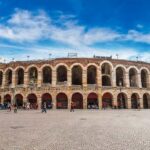
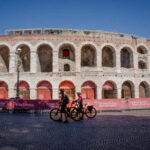
More of the centro storico on foot with a guide.
The meet-up zone: Porta Borsari and instant city orientation
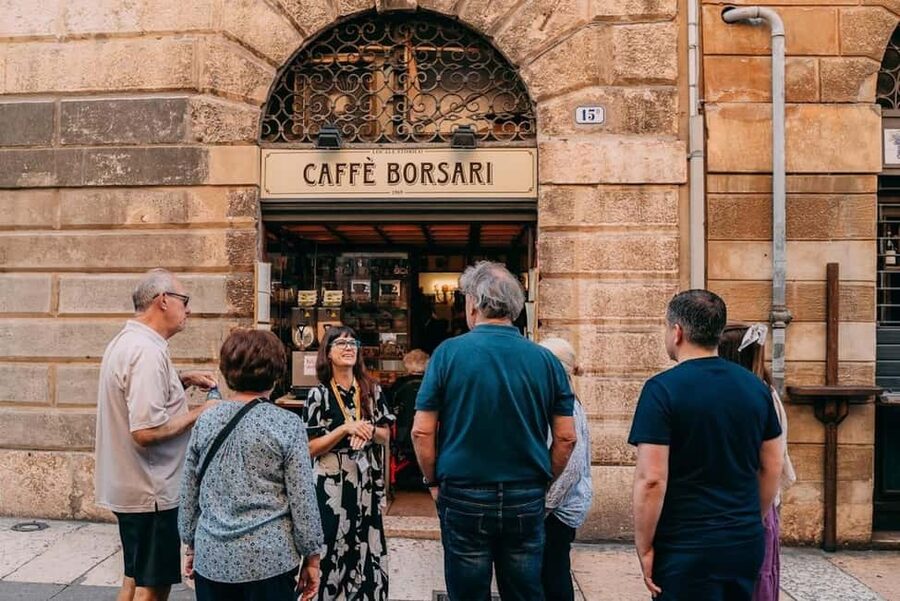
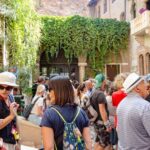
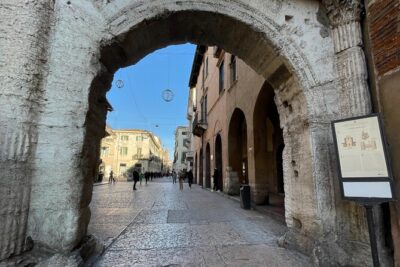
You meet at Porta Borsari, under the arcade with a yellow sign marked tour. It’s a handy choice: it puts you right where you can start walking without feeling lost, and it helps you warm up with Verona’s street texture immediately.
From there, you’ll spend the first stretch moving on foot toward the main squares. This matters because you’re not just waiting to eat. You’re getting your bearings as the city transitions from gates and arcades into broad piazzas. If you like photos, this is where you start collecting them—arches, stone facades, and the big open spaces that define central Verona.
Morning tour: Espresso and Risino to start (Piazza Bra)
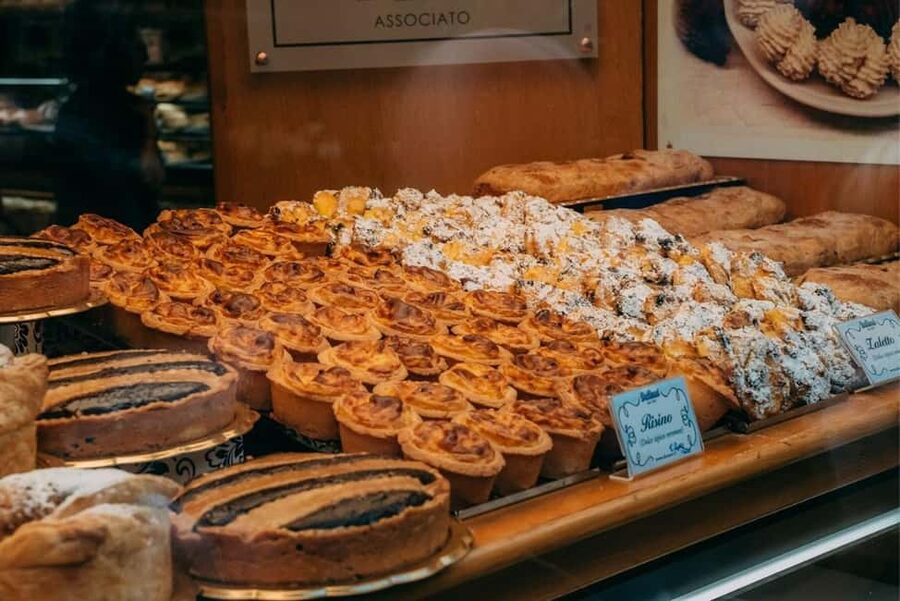
If you choose the morning departure, you’re choosing a tour that starts with comfort. The first tasting is a classic Veronese breakfast: Espresso and risino, a traditional rice-based pastry. It’s a sweet start that feels very local without being complicated. You’ll see why it’s a common café choice once you take the first bite.
After that, the walk continues into lively squares, including Piazza Bra. Then the tour shifts from breakfast mode into snack-and-savor mode with local stops.
What I like about the morning flow is that it gives you two strong anchors early: coffee plus pastry, and then the first wave of food that’s savory and meat-forward (handmade meatballs show up later). It’s a good plan if you tend to like getting things done earlier in the day—and if you’re the kind of person who wants a full lunch afterward rather than just sipping wine.
Piazza delle Erbe snacks: where small bites feel like a plan
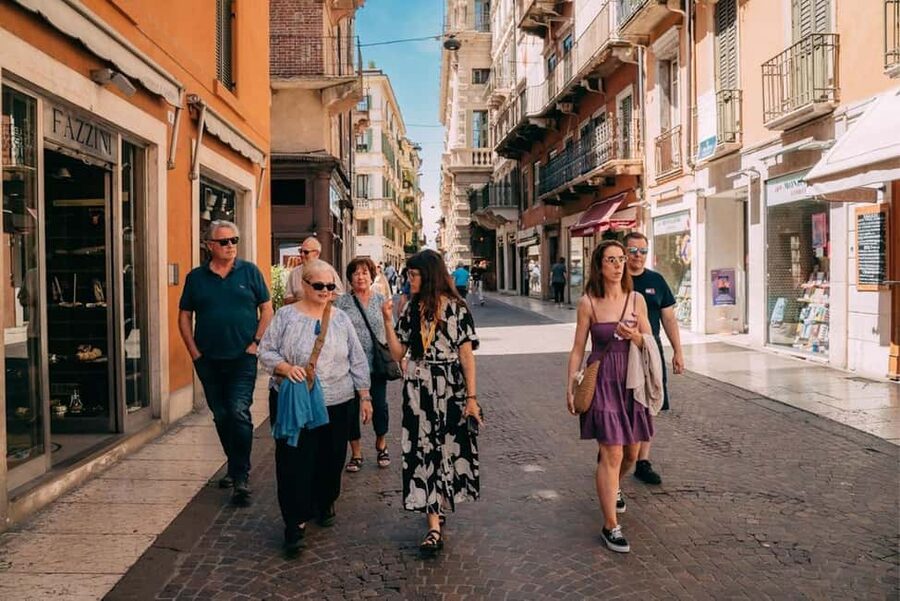
One of the best parts of this tour is how it uses Piazza delle Erbe. You don’t just pass through; you pause long enough for local snacking and tastings. This is where Verona’s food culture shows in a practical way: not everything is a plated meal, and you don’t have to wait to enjoy it.
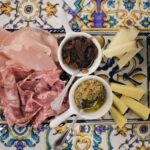
You’ll likely get a mix of local bites that feel more like tapas or market snacks than a sit-down service. For me, this is the perfect middle: you’ve had your coffee and pastry, you’ve started walking, and now you’re ready for flavors that don’t need a formal table.
If you’re the type who always wants to know what to order when you’re on your own later, stops like this are gold. You start recognizing the names, the textures, and the style, so when you revisit the area you’re ordering from knowledge, not guesswork.
Osteria meatballs and the handmade factor
A key moment in the morning program is a stop at a historic osteria for handmade meatballs prepared with time-honored recipes. This is one of those tastings that makes food tours feel worth it: you’re not just sampling famous wine; you’re tasting a technique.
Meatballs can be bland when they’re mass-produced. Here, the point is the difference between quick convenience and careful local prep. Even if you don’t normally get excited about meatballs, the guide’s explanation (plus the taste) helps you understand why this is a repeat order in Verona.
There’s also an afternoon-style version of the meatball idea: later on, you’ll taste a cone of handmade meatballs to eat on the go. That contrast is useful. It shows how the same kind of food can fit two moods—sit-and-talk versus walk-and-smile.
More Veronese bites, from fried snacks to Monte Veronese cheese.

Risotto all’Amarone: the signature stop (and why it matters)
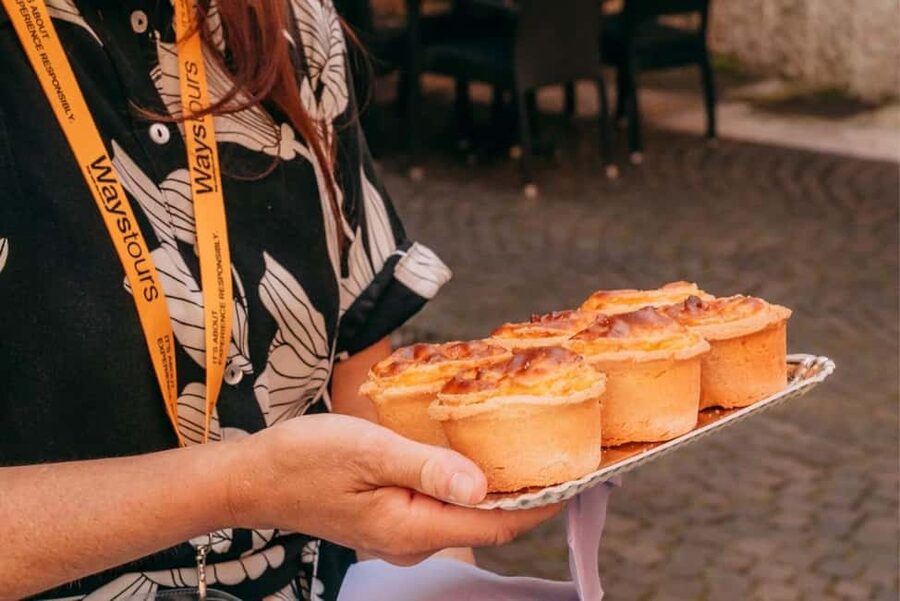
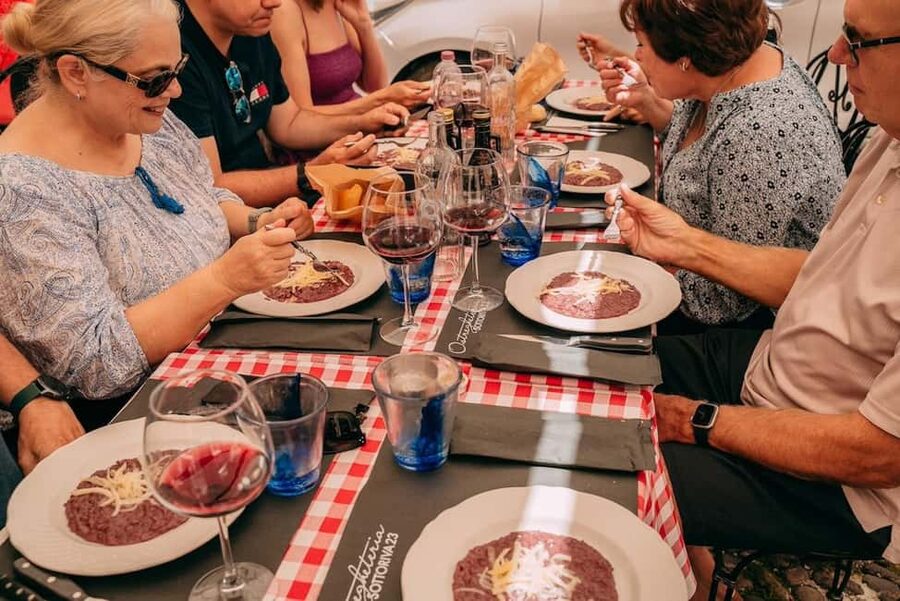
The biggest food headline in the morning tour is risotto all’Amarone. This is a classic Verona dish made using red wine from Valpolicella—and that’s what you want to pay attention to. The wine isn’t just a drink pairing here. It’s part of the flavor identity.
When you taste it, you’ll notice the dish has depth without being heavy in a one-note way. The guide’s framing helps you connect the dots: Valpolicella isn’t only for bottles. It’s also for cooking, and that’s what gives the region its reputation.
If you love discovering how local ingredients show up in multiple forms, this is the stop you’ll remember on future trips. And if you’re not a risotto person, I’d still recommend trying this portion—because this one is tied to Verona’s winemaking story, not just creaminess for creaminess’ sake.
Ponte Pietra wine tasting: drink with a view
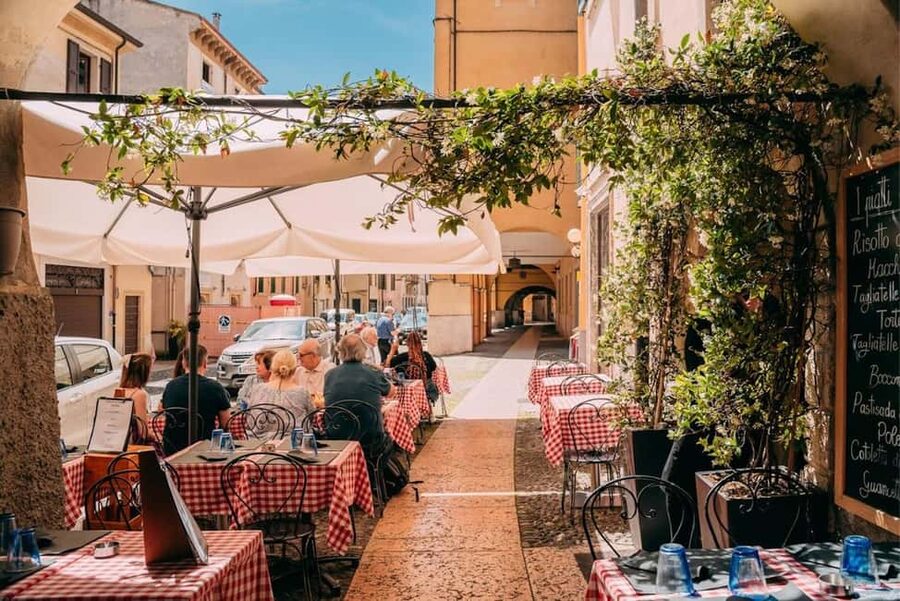
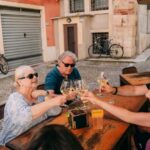
Midway through the experience, you’ll reach Ponte Pietra, where the tour includes a wine tasting. This is the kind of setup I love: the setting does some work for you. You’re not stuck in a back room. You get to taste while Verona opens up around you.
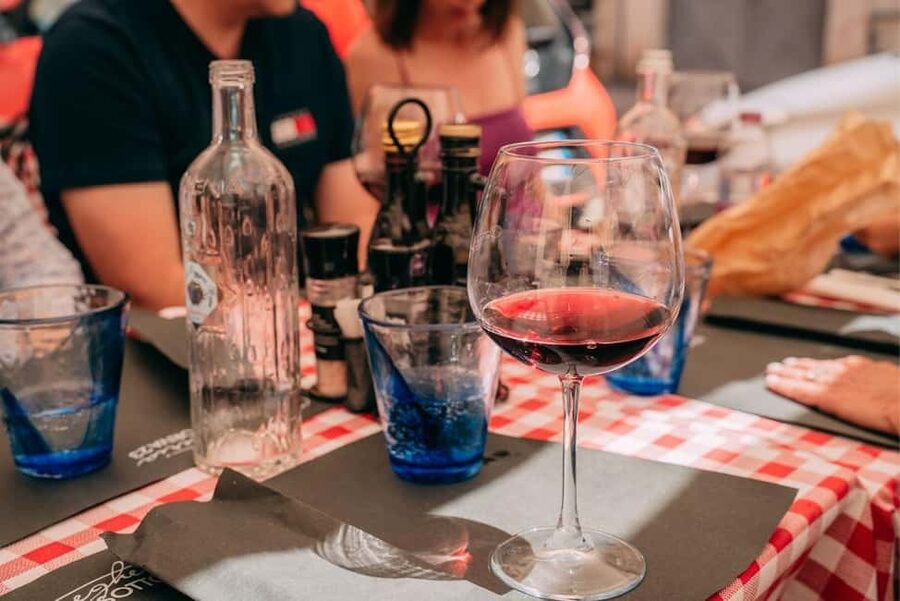
The tasting is structured around three local wines. That “three” number is smart. It’s enough variety to notice differences, but not so many pours that you feel overwhelmed or bored. Pair that with the guide’s explanations and you start picking up what makes Valpolicella expressions distinct.
If you end up liking what you try, you’ll be in good shape to track it down later. Some people even return after the tour to buy the wines they tasted, which is a real advantage of tasting as part of your trip planning.
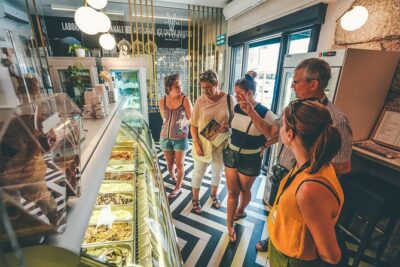
Dessert in the morning: artisanal gelato for the final sweetness
Morning tour end notes are simple: you finish with gelato from a selected gelateria. It’s the light, satisfying close after coffee, savory bites, lunch-style food, and wine.
This stop matters because it keeps the whole experience from ending “all booze and no balance.” Gelato gives you something cool and refreshing to reset your palate before you head back into the city.
Afternoon tour: aperitivo first, then tastings with a sunset mindset
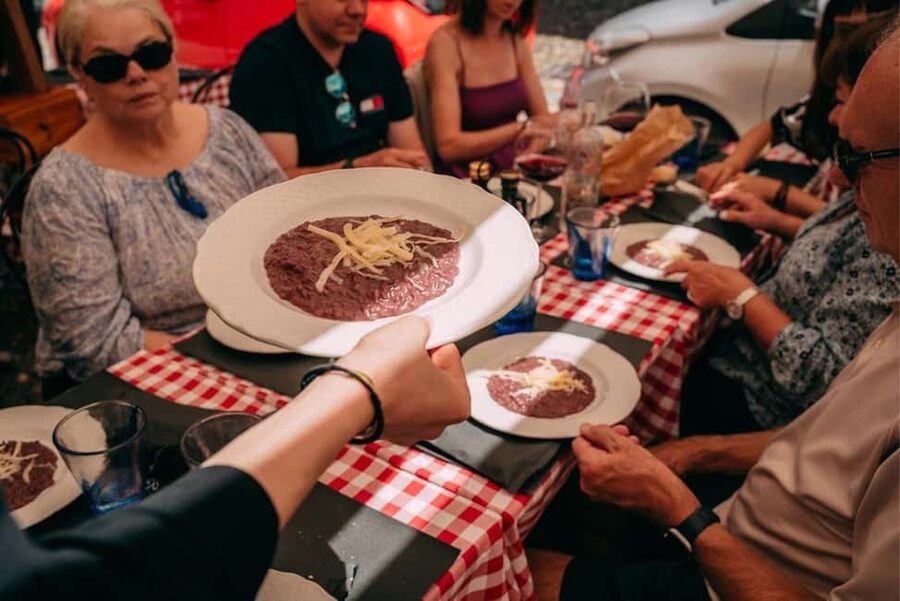
If you prefer the afternoon tour, you’re choosing a different rhythm. The day begins with a non-alcoholic aperitivo and cicchetti—traditional bite-sized snacks—in a local osteria. You still get the social, pre-meal vibe, but you start with something that feels relaxed instead of intense.
Then you move to a historic café or charming wine shop for a glass of wine. The setting shift is part of the charm. Verona’s wine culture isn’t confined to one kind of place. The tour shows you that.
Cone of handmade meatballs: Veronese street-food energy
As you continue walking, you stop at a local takeout spot for a cone of handmade meatballs to enjoy on the go. This is one of the most “Verona” moments on the afternoon program because it lets you eat with motion.
It’s also a smart pacing trick: rather than another plated dish that slows you down, you get something grab-and-go that still has that handmade focus. You can taste while you keep moving through the center, which keeps the tour feeling lively right up to the next wine stop.
Three wines again, but in a different setting
The afternoon includes a specialty winehouse tasting of three carefully selected wines. It’s the same tasting count as the morning, which keeps things fair, but the overall emotional tone is different. Afternoon tasting feels more like part of your day’s fun than part of a meal plan.
If your goal is learning how Valpolicella can taste different depending on producer and style, this portion is the one to lean into. Ask questions. Take notes in your phone. Even if you can’t remember everything later, you’ll remember what you liked and you’ll know what to look for.
Aperol Spritz at the end: the toast you actually want
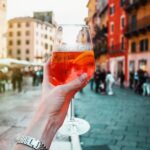
The afternoon tour finishes in an artisanal focacceria with an iconic Aperol Spritz. This is where the tour cashes in on the Italy cliché in the best way. It’s fun, it’s light, and it’s a classic Verona-style end-of-walk payoff.
If you like the idea of tasting your way through the city and ending with a drink that feels like a proper celebration, the afternoon slot fits that mood perfectly.
How to choose: morning sweetness or afternoon spritz
Pick the morning if you want:
- Coffee and pastry right away (espresso and risino)
- A more substantial food arc, including risotto all’Amarone
- Dessert-based closure with gelato
- A more structured meal-and-wine flow
Pick the afternoon if you want:
- Aperitivo vibes starting early in the walk
- Cicchetti as your first flavor hit
- A more relaxed, social pacing with a meatball cone while moving
- A celebratory finish with Aperol Spritz
One practical tip: either choice is going to keep you walking, so don’t choose based only on wine preference. Choose based on your energy level, because you’ll enjoy the tastings more when you’re not tired.
Price and value: what you’re really paying for
At $96.29 for a 3-hour tour, you’re paying for five tastings plus a local licensed guide, not just for access to a couple of bars. The tastings are the real product.
Morning includes more “meal-like” food moments, while afternoon leans harder into aperitivo snacks and a spritz finish. In either case, the tour spares you the planning: you don’t have to decide where to go for five different quality bites in a city you might not know well yet.
There’s also the guide factor. In the glowing feedback, people keep highlighting guides who tell stories and guide you through places that feel authentic rather than generic. That can matter as much as the food. If you’re the kind of person who likes learning what you’re eating and why it belongs in Verona, this is where the money tends to feel justified.
Yes, it’s not a bargain tour. But if you would otherwise pay for multiple café stops and at least one wine tasting anyway, this package can make your Verona day easier—and tastier.
Who this tour suits best (and who should think twice)
This experience is ideal if:
- You want to taste Valpolicella-style wines without doing the research yourself
- You enjoy guided food stops instead of just wandering
- You like Verona’s center but want to go beyond the postcard path
- You want a structured 3 hours where meals and drink fit into your sightseeing
Think twice if:
- You don’t like walking and eating in sequence
- You need wheelchair-friendly routes, since parts may not be easy for reduced mobility
- You’re traveling with kids under 6 (they can’t participate)
If you’ve got allergies or specific dietary requirements, you’ll want to inform the provider so the guide can plan around what you can safely eat.
Should you book this Verona food and wine walking tour?
I’d book it if your trip to Verona includes at least one “eat like a local” day. The mix of breakfast or aperitivo, handmade meatballs, risotto all’Amarone (morning), three-wine tastings, and a final sweet or spritz finish gives you a full Verona flavor arc in only three hours.
I would skip it if you’re mainly looking for museum-style sightseeing and you hate being on your feet while you snack. But if you like your sightseeing with flavor, this tour is one of the most practical ways to do Verona in a single afternoon or morning.
FAQ
Where is the tour meeting point?
You meet at Porta Borsari, under the arcade with a yellow sign that says tour.
How long is the tour?
The tour runs for 3 hours.
Is there more than one departure time?
Yes, the tour is available in both the morning and the afternoon, with different stops that are equally rich in flavor.
Does the tour run rain or shine?
Yes, the tour runs rain or shine.
What tastings are included?
The tour includes 5 food and wine tastings, guided by a local licensed guide.
Are pets allowed?
No, pets are not allowed.
Is it suitable for wheelchair users?
No, it is not suitable for wheelchair users, and some parts may not be easily accessible for reduced mobility.
More Verona Food Tours
More Verona Walking Tours
More Tour Reviews in Verona
Weighing up other options? More ways to spend a day in Verona and out on Lake Garda


Verona Walking Tours, compared.
 ★ 5.0History and Hidden Gems Guided Walking TourFrom $411,379 reviews
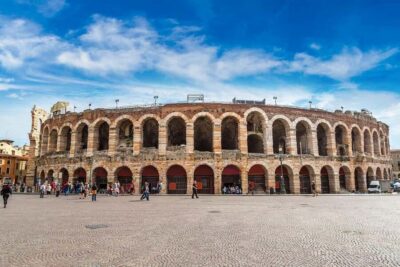 ★ 4.9Small Group Guided Walking Tour with Arena TicketsFrom $81848 reviews
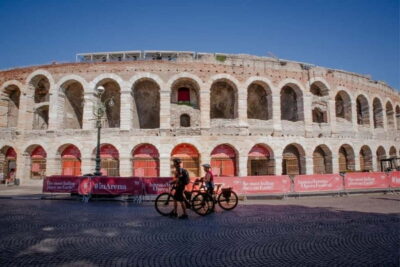 ★ 4.9Classic and Hidden Gems Bike TourFrom $33577 reviews
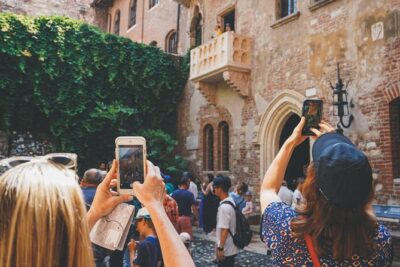 ★ 5.0Verona Highlights Walking Tour in Small-groupFrom $42493 reviews
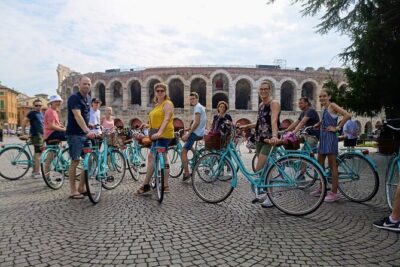 ★ 5.0Highlights and hidden gems Verona Bike TourFrom $47393 reviews
 ★ 5.0Verona walking tour:food, wine, legends, lunch/dinner & cable carFrom $123386 reviews
 ★ 5.0Verona All in one: Food Walking Tour, Lunch & WineFrom $114342 reviews
 ★ 5.0Verona Small Group Walking Tour with Cable Car and Arena TicketsFrom $71311 reviews
Browse the lists this tour appears in