Reviewed · VERONA WINE TASTING & CELLARS
Verona: Blindfolded Wine Tasting
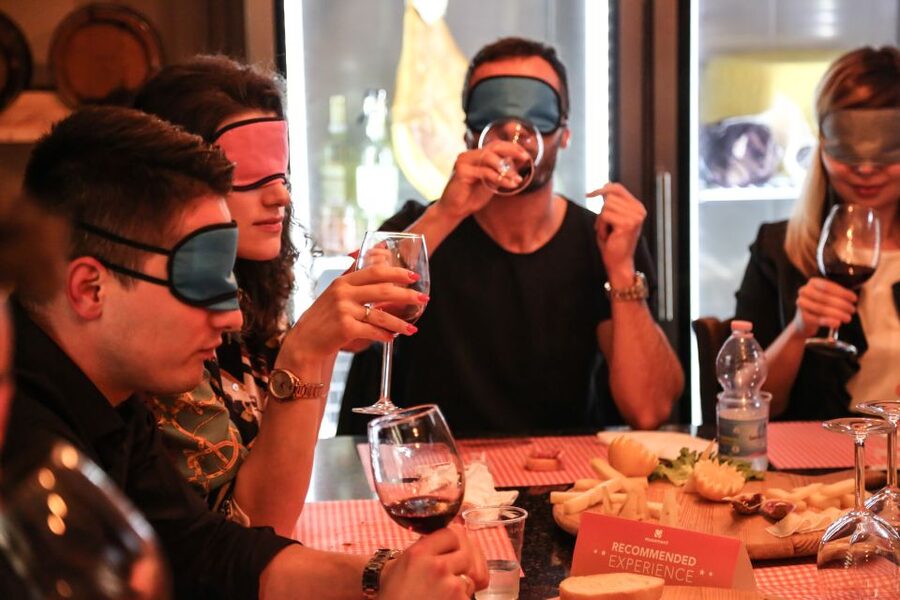
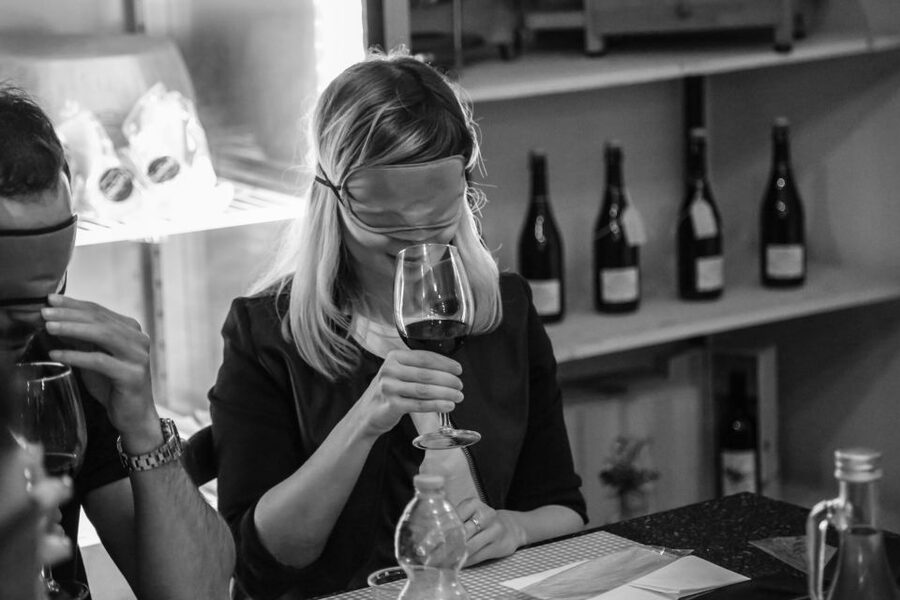
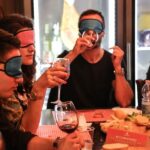
Wine gets interesting when you can’t see it. In this Verona, Veneto blindfolded session, you taste four wines while a wine expert guides your senses with sounds and scents. I love the way the blindfold forces you to slow down and rely on smell and flavor, not the color in the glass.
Another part I really like is the sensory card approach. For each tasting, you’ll work with the expert to identify aromas and provenance, then apply what you learn during a final taste test.
The main consideration: if you strongly prefer judging wine by sight first, the lack of visuals can feel a little awkward at the start, even though the goal is exactly to train your palate.
In This Review
- Key highlights I’d actually plan around
- Why blindfolded wine tasting in Verona feels different
- How the 1-hour session runs (and what you’re doing at each moment)
- The sensory card: turning guesses into real aroma reasoning
- The local food reset: bread, mini charcuterie, and water
- Price and value: what $53 actually buys you
- Who this tasting is best for (and who should think twice)
- Practical tips so you get the most out of it
- What the guide focus adds to the experience
- Should you book this blindfolded tasting in Verona?
- FAQ
- How long is the Verona blindfolded wine tasting?
- How many wines do you taste?
- Is the tasting blindfolded?
- What food and drinks are included?
- What languages is the live tour guide offered in?
- What do I need to bring?
- Can I cancel, and how much notice is needed?
Key highlights I’d actually plan around
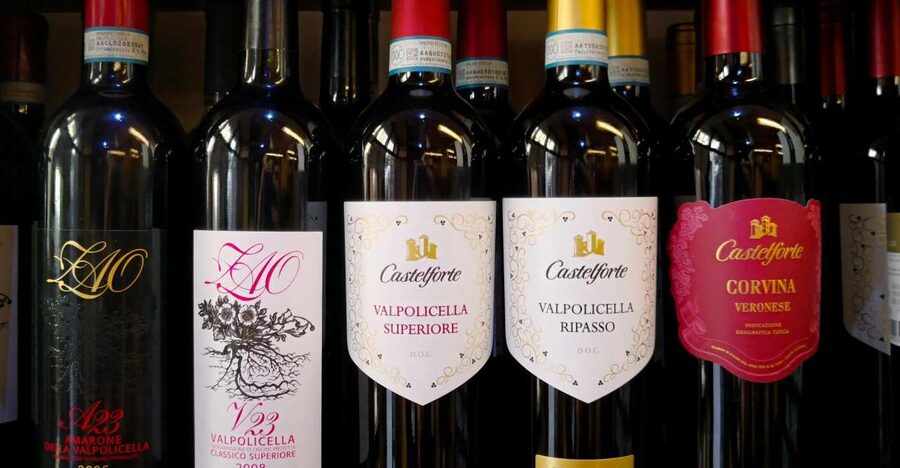
- Four blind tastings: sample the same wine type from different wineries, side by side in flavor memory
- Sounds and scents: extra sensory cues that help you connect aroma to what you’re tasting
- A sensorial card for each round: you’ll actively record impressions, not just sip
- Local bread and charcuterie: freshly sliced meat and cheese included, plus water to reset your palate
- A final taste test: a chance to check whether your guesses got sharper over the session
Why blindfolded wine tasting in Verona feels different
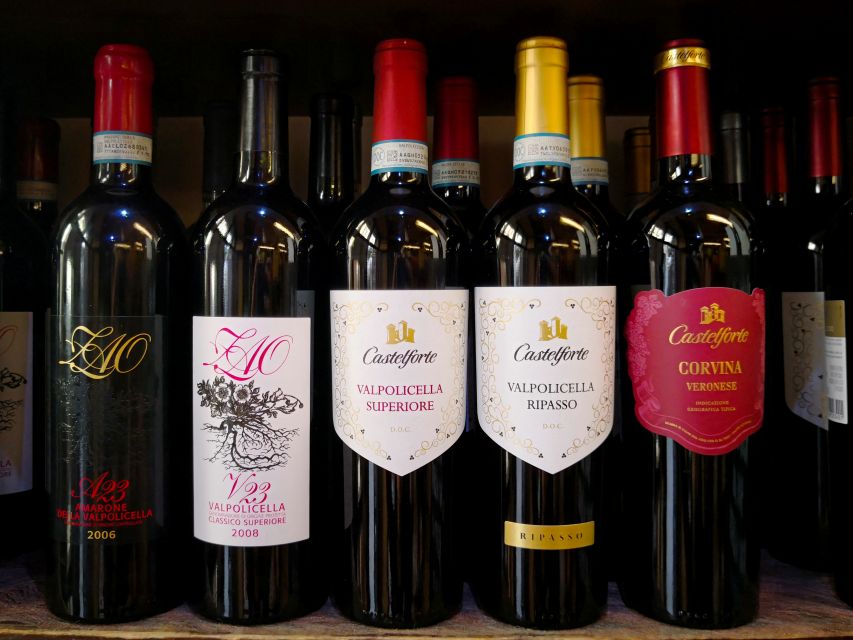
Verona is known for romance, but this experience leans into something more practical: teaching your senses to do the heavy lifting.
When wine is visible, your brain quickly guesses based on color and expectations. The way this tasting is set up flips that script. You’re blindfolded from the first pour, so your brain can’t rely on quick visual shortcuts. Instead, you focus on aroma families, flavor weight, acidity, and lingering notes. That’s why the session feels like a skill you’re building, not just entertainment.
There’s also a second layer that makes it more engaging than a typical tasting flight. You don’t just smell and sip quietly. The experience uses sounds and scents to sharpen your attention, and that helps a lot if you tend to zone out during tastings. It also makes the whole thing more memorable, especially if you like hands-on activities rather than lectures.
One more thing I appreciate: this isn’t presented as wine-snob trivia. The expert support is there to help you make sense of what you’re picking up, then translate it into real information like provenance and aroma reasoning.
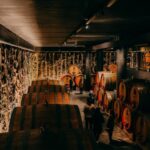
More cellars and tasting rooms around the city.
How the 1-hour session runs (and what you’re doing at each moment)
The total time is 1 hour, so the pace is tight and focused. You won’t be wandering around Verona for hours or waiting forever between tastings. Instead, you’re guided through a loop: taste → record → discuss → compare later.
Here’s the practical flow you can expect:
1) Getting set up for the blind tasting
You’ll start with the blindfolded wine tasting kit. The expert introduces the method and what you’re meant to do: notice aroma, identify flavor impressions, and use your senses as your evidence.
2) Four tastings in sequence
You’ll taste four different wines, but with an important twist: you’re tasting the same type/category of wine from different wineries. The idea is to compare how one style can shift depending on the producer. Because you can’t see the liquid, you’re forced to compare by smell and flavor instead of color.
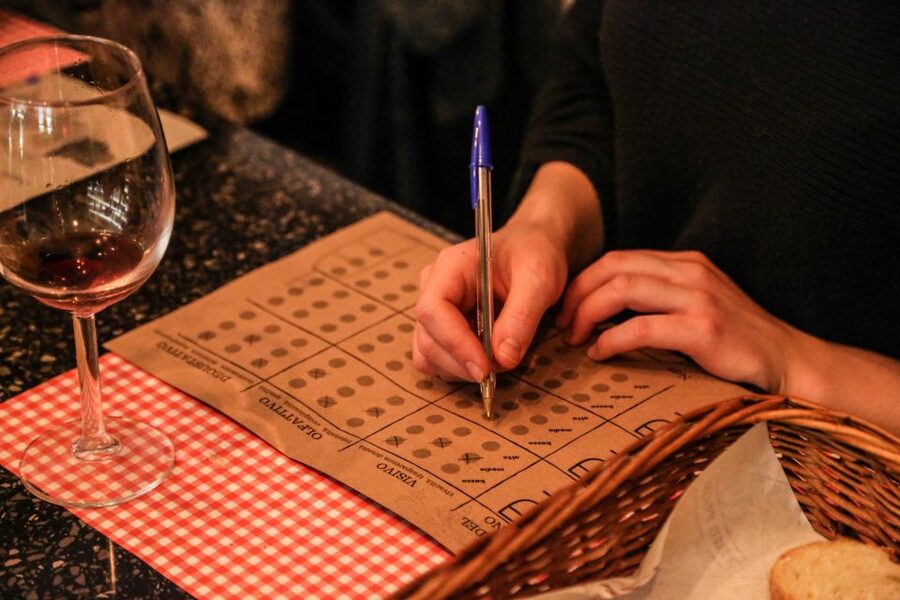
After each tasting, you’ll work with the expert using a sensorial card. You’ll note what you detect, then learn how to connect your senses to what’s actually in the glass. That card becomes your personal takeaway. It’s the difference between finishing a tasting and forgetting it two days later.
3) A final taste test
After you’ve gone through the four rounds and you’ve received the expert guidance, you’ll do a final taste test. This is where the activity pays off. You’re not just repeating the same exercise. You’re checking whether your accuracy improved as you learned the aroma logic behind each wine.
Because this is only an hour, the value is in repetition-with-feedback. You’re tasting multiple wines, but you’re also getting corrections and translations from someone who knows the system.
The sensory card: turning guesses into real aroma reasoning
Most tastings teach you what to say afterward. This one teaches you how to think while you’re tasting.
That’s what the sensorial card is for. You’re prompted to compile your perceptions for each round, and then the expert helps you interpret them. Instead of relying on random descriptions like fruity or boring, you learn to organize sensations into patterns: what the aroma suggests, what the flavor structure likely is, and why the wine could come from a particular producer.
One neat detail is the use of sounds and scents. Even if you can’t identify every cue, these added stimuli encourage you to slow down and focus. Your notes get more specific because you’re paying attention to more than one signal at a time. That helps you build confidence quickly, because you’re getting feedback through discussion and the final test.
If you enjoy learning that feels like a game, this card approach is ideal. It takes the guesswork out of tasting. And it gives you something concrete to remember when you’re back home trying to recreate the experience.
The local food reset: bread, mini charcuterie, and water
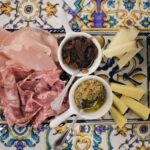
Wine tastings can be a bit tricky when you’re hungry. Here, you’re given bread, breadsticks, and a mini charcuterie board with freshly sliced meat and cheese, plus mineral or sparkling water.
Why that matters for you: food isn’t just a snack here. It’s a palate reset. Between tastings, you’re less likely to get stuck in the same flavor groove. You can clear your palate, then return to the wine with a fresh nose and tongue.
The charcuterie also pairs naturally with the training goal. Salty, fatty, and savory flavors give your senses something to compare against. You’ll often notice how acidity and aroma intensity change when your palate is tired versus refreshed. That’s part of the skill-building effect, even if you’re not consciously thinking about it.
Also, it’s a nice value add for a $53 per person hour. You’re not paying only for the pours. You’re getting food and water that make the tasting feel complete rather than rushed.
Price and value: what $53 actually buys you
Let’s do the straight math and the real-world math.
At $53 per person for a 1-hour experience, you get:
- 4 wine tastings
- A blindfolded tasting kit
- A guided tasting with an expert
- A final taste test
- Bread, breadsticks, and a mini charcuterie board (meat and cheese)
- Mineral or sparkling water
If you’ve ever done a typical wine flight elsewhere, you know you can easily pay close to that for fewer pours, fewer teaching moments, and no structured activities. Here, the value is in the format: blind tasting + expert coaching + sensory cards + a final check. That’s a lot of guided attention for a short session.
The experience is also built for learning. You’re not just consuming. You’re practicing identification and comparing producers within the same wine type/category. That makes it feel worth repeating if you’re the type who likes to improve at something on vacation.
More Verona food and drink to track down.
Who this tasting is best for (and who should think twice)
This works especially well if you:
- Want a hands-on wine activity that doesn’t require prior wine knowledge
- Like interactive formats and guided learning
- Enjoy activities that help you taste with more intention
- Prefer a short, focused experience rather than a long tour day
It might be less ideal if you:
- Strongly prefer judging wine visually first, because the blindfold removes one of the easiest cues
- Feel uncomfortable with sensory games, like the use of sounds and scents
- Have very strict dietary needs you want accommodated, since the provided info only guarantees bread, breadsticks, meat, cheese, and water (it doesn’t mention alternatives)
Practical tips so you get the most out of it
A few small moves will help you score higher on your own guesses during the rounds.
- Bring a passport or ID card. You’ll need it for entry to the experience.
- Go in curious, not cautious. Your job is to make guesses, then use the expert feedback. The blindfold makes it harder, which is the point.
- Take quick notes on your card. Don’t write a novel. A couple of clear aroma words and one flavor impression per wine is enough.
- Use the food wisely. Bread and charcuterie are there for resets, not just to fill space. If you start tasting off-key, take a break, eat a bite, then come back to the wine.
- Expect a fast pace. It’s only an hour, so you’ll be tasting and recording repeatedly without long pauses.
What the guide focus adds to the experience
The expert isn’t just there to explain what you should taste. They’re there to help you build a reliable method.
That’s why the session is so satisfying even if you’re not a wine nerd. You learn how to name aromas you didn’t know how to articulate before. You also get context about provenance—where the wine is coming from and how producers influence the final bottle. Then you get to apply it in the final taste test.
That mix—coaching plus practice—is what turns it from a nice evening into a real skill-builder.
The tone also seems intentionally welcoming. The experience is described as highly enjoyable and entertaining, and that fits with the structure: guided interaction, sensory play, and a friendly chance to get things wrong without embarrassment.
Should you book this blindfolded tasting in Verona?
If you want a short, high-impact wine experience that actually trains your senses, I’d book it. For $53, you get four tastings, expert coaching, sensory cards, a blindfold kit, plus local bread and charcuterie—so it feels like more than a simple wine flight.
I’d skip it only if you know blindfold activities make you uneasy or you need a fully sight-based wine format. Otherwise, this is a fun way to leave Verona with something you can do at home: taste with intention, not just vibes.
FAQ
How long is the Verona blindfolded wine tasting?
It lasts 1 hour.
How many wines do you taste?
You’ll do 4 wine tastings, followed by a final taste test.
Is the tasting blindfolded?
Yes. The experience is a blindfolded wine tasting and you use a blindfolded tasting kit.
What food and drinks are included?
You’ll receive bread, breadsticks, and a mini charcuterie board with freshly sliced meat and cheese, plus mineral or sparkling water.
What languages is the live tour guide offered in?
The live tour guide is available in English, Italian, and Russian.
What do I need to bring?
Bring a passport or ID card.
Can I cancel, and how much notice is needed?
You can cancel up to 24 hours in advance for a full refund.
More Verona Food and Drink
More Verona Cellars and Tastings
More Tour Reviews in Verona
Weighing up other options? More ways to spend a day in Verona and out on Lake Garda


Verona Wine Tasting & Cellars, compared.
 ★ 4.9Valpolicella and Amarone Wine Tasting TourFrom $112560 reviews
 ★ 4.8Wine Tasting with Snacks and Panoramic ViewsFrom $53494 reviews
 ★ 4.5Discover Valpolicella Vineyards and Wine Tasting ExperienceFrom $84341 reviews
 ★ 5.0Amarone Wine-tasting Tour from Verona with Private TransportationFrom $151283 reviews
 ★ 4.8City Walking Tour with Cable Car & Wine AperitifFrom $81267 reviews
 ★ 4.5Lake Garda: Historic Castle Cruise with Wine TastingFrom $113241 reviews
 ★ 5.0Wine Tasting with Panoramic View of VeronaFrom $54240 reviews
 ★ 4.9Food and Wine Tasting Walking TourFrom $96238 reviews
Browse the lists this tour appears in