
Reviewed · OLIVE OIL & BALSAMIC TASTINGS
Olive Mill Tour and Tasting in the Verona Countryside
One hour in olive country teaches you how to taste oil like a pro. This small-group-style stop in Illasi (near Verona) mixes a walk through the Campo di Casa experimental grove, a Frantoio 4.0 working mill, and a guided tasting of three extra virgin olive oils. I like that it connects farming to processing, not just the tasting. I also like the practical coaching on flavor and quality.
One thing to keep in mind: if weather makes the grove access unsafe, the walk portion may not happen, even though the rest of the visit can still run.
If you want a food-and-farm experience that feels genuinely local, this is a strong pick. You’ll leave with a better sense of what quality means and how different olives taste from the same region.
In This Review
- Key things to know before you go
- Getting to Frantoio Bonamini in Illasi (what to look for)
- Campo di Casa: the experimental olive grove walk you’ll actually remember
- Frantoio 4.0 mill tour: where modern tech meets quality control
- Bonamini family Oil Museum: past methods, same obsession
- The three-oil tasting: learn to spot quality, not just like flavors
- How the snacks pairing helps you use it in real meals
- Sustainability you can understand: field-to-bottle thinking
- Price and value: what $34 gets you in real terms
- Who this tour fits best (and who should reconsider)
- Should you book the Olive Mill Tour and Tasting near Verona?
Key things to know before you go
- Campo di Casa walk: a short stroll beside the mill through an experimental grove concept.
- Frantoio 4.0 tour: you’ll see modern production next to old-school craftsmanship.
- Bonamini Oil Museum: a chance to compare past methods with today’s technology.
- Three-oil tasting: guided help learning aroma and flavor cues for extra virgin olive oil.
- Sustainability focus: you’ll hear how by-products get reused (like heating fuel/biomass).
- Guide matters: guides such as Rebecca have been praised for friendly, clear instruction.
Getting to Frantoio Bonamini in Illasi (what to look for)
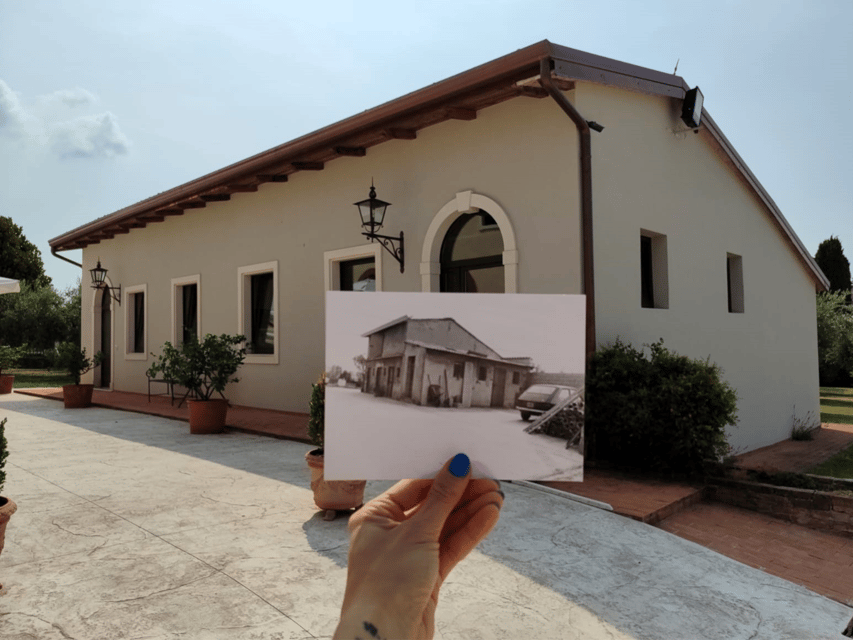
This tour starts at Frantoio Bonamini in the village of Illasi, about 30 minutes by car from Verona city center. When you arrive, look for the round stones marked FRANTOIO BONAMINI, enter the gate, and go to the shop to ask for the guide. It’s easy enough, but it helps to arrive a few minutes early so you can get your bearings fast.
Transportation to and from the mill is not included, so plan on driving, arranging a taxi, or using your own transport. The good news: because the activity is only 1.5 hours, you’re not stuck on a long schedule.
Language options are English and Italian, and the guide leads the whole experience. This matters here because olive oil tasting is one of those activities where having someone point out what to notice makes everything click.
Frantoi and cellars: olive oil and balsamic to taste.
Campo di Casa: the experimental olive grove walk you’ll actually remember
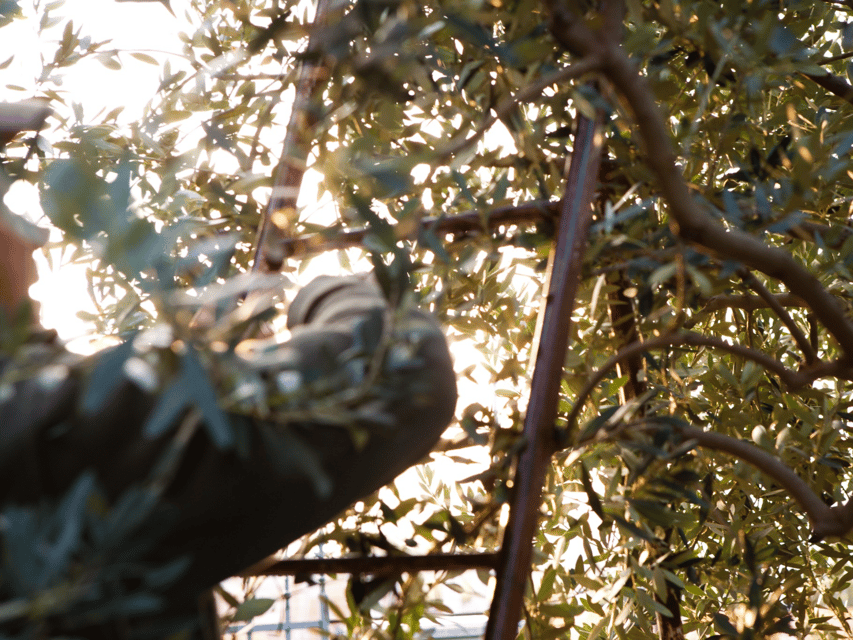
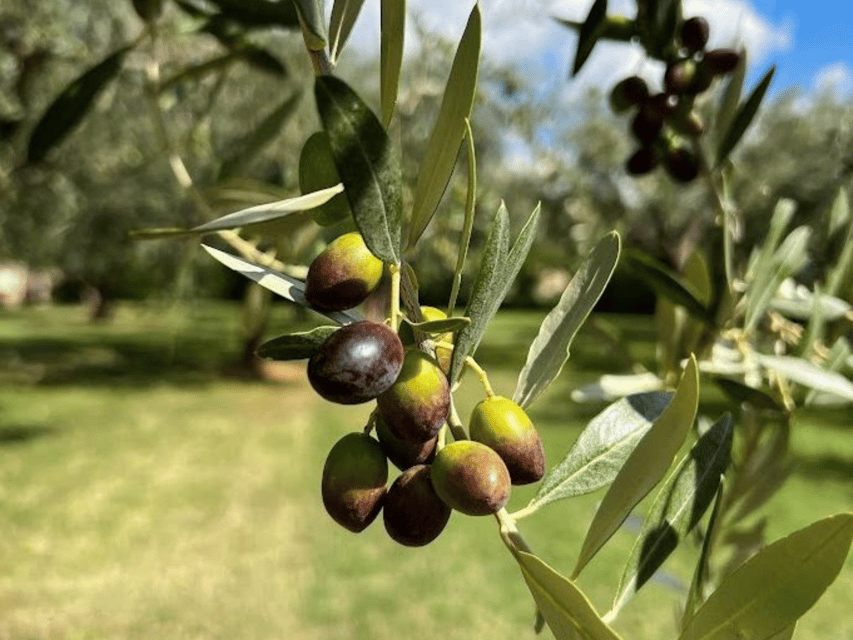
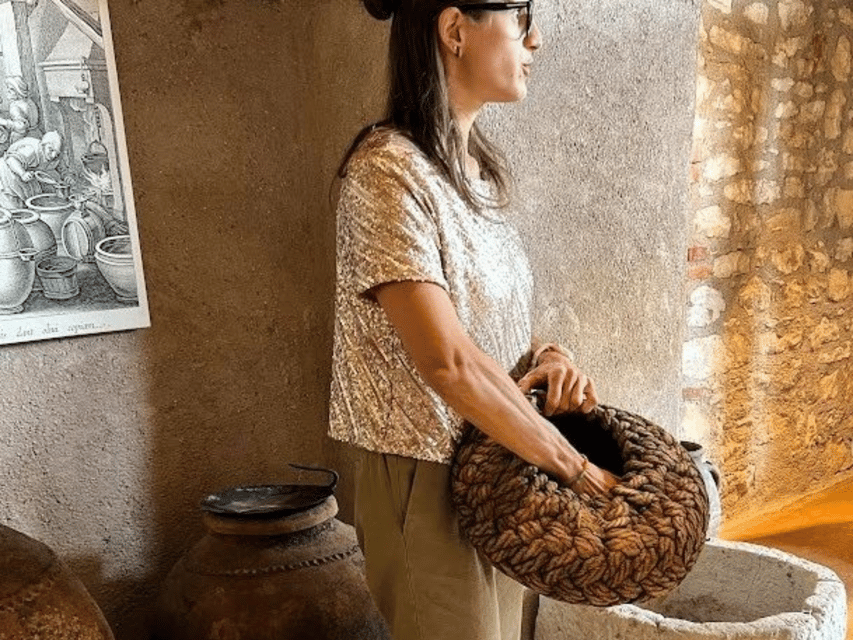
The first part is a walk of about 15 minutes in the olive grove area right next to the mill. The star here is Campo di Casa, an experimental grove designed to show how olive cultivation evolves. Even though the grove time is short, it sets the tone: you get a visual sense of the trees and how the orchard is part of the final flavor.
What I like about this stop is the logic. Olive oil doesn’t come from nowhere. It comes from choices in the field, and that includes how growers test and adapt. Seeing the grove near the working mill also helps you connect steps that people often treat like separate worlds: agriculture vs. processing.
A practical note: the grove walk is weather-dependent. If rain or unsafe conditions affect access, the walk portion may be omitted. If the day looks questionable, still go for the tour and tasting, since those parts are the real reason most people book.
Frantoio 4.0 mill tour: where modern tech meets quality control
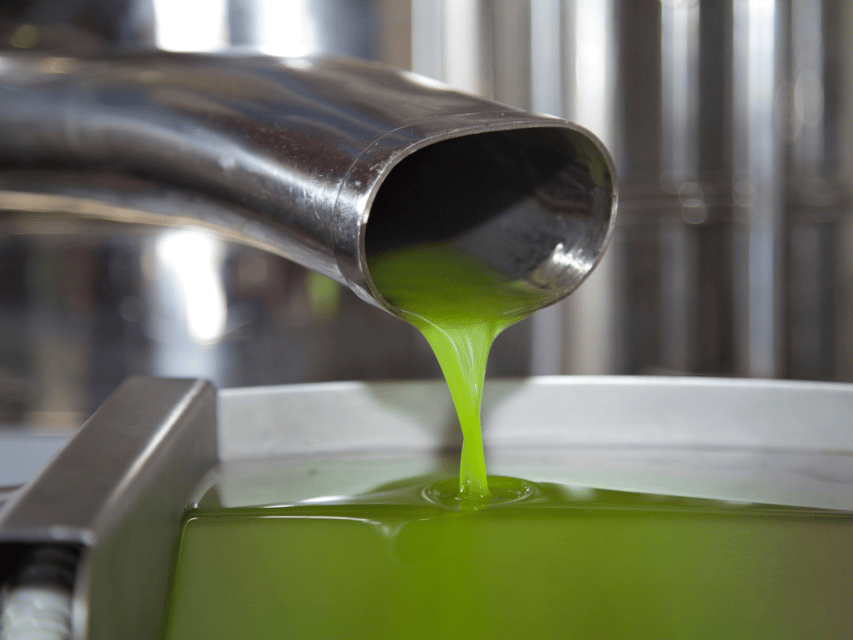
After the grove, the schedule shifts into a guided tour of the mill (about 30 minutes). This isn’t a museum-only setup. Frantoio Bonamini uses a modern Frantoio 4.0 system, so you’ll learn how pressing and extraction work in a current, quality-focused way.
You’ll get the production story from olives to oil, and the guide also explains how quality standards are maintained. That’s important because extra virgin olive oil is not just about taste; it’s about freshness and how the process is handled. When you see the working equipment and hear the workflow, it’s much easier to understand why some oils taste clean and bright while others taste flat or heavy.
This mill also includes a sustainability angle that’s worth paying attention to. Old by-products weren’t always treated well, but here you’ll hear how those leftovers are recycled into useful resources like heating fuel and biomass. It’s one of those details that makes you feel like the business is thinking beyond the bottle.
If you care about food with a “how it’s made” story, this mill portion is the backbone of the visit.
Bonamini family Oil Museum: past methods, same obsession
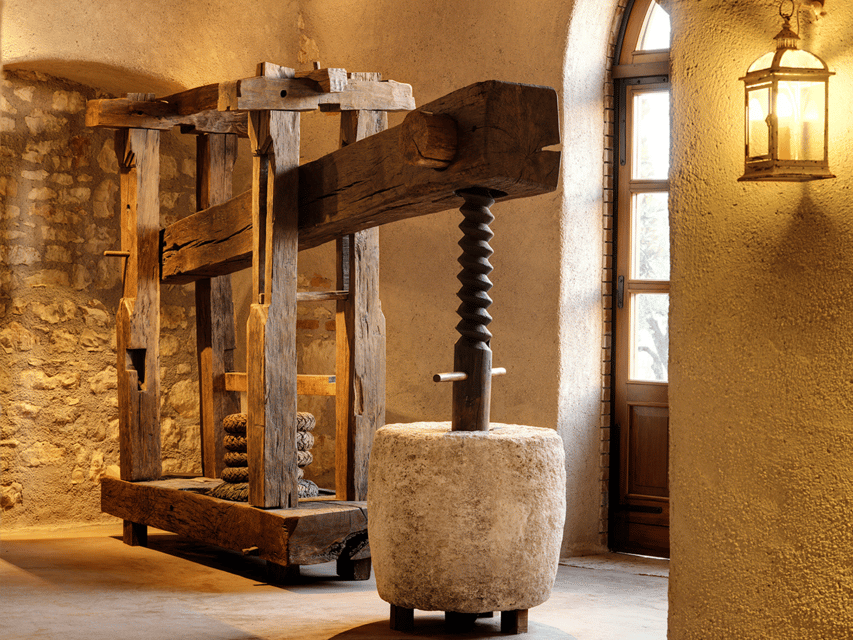
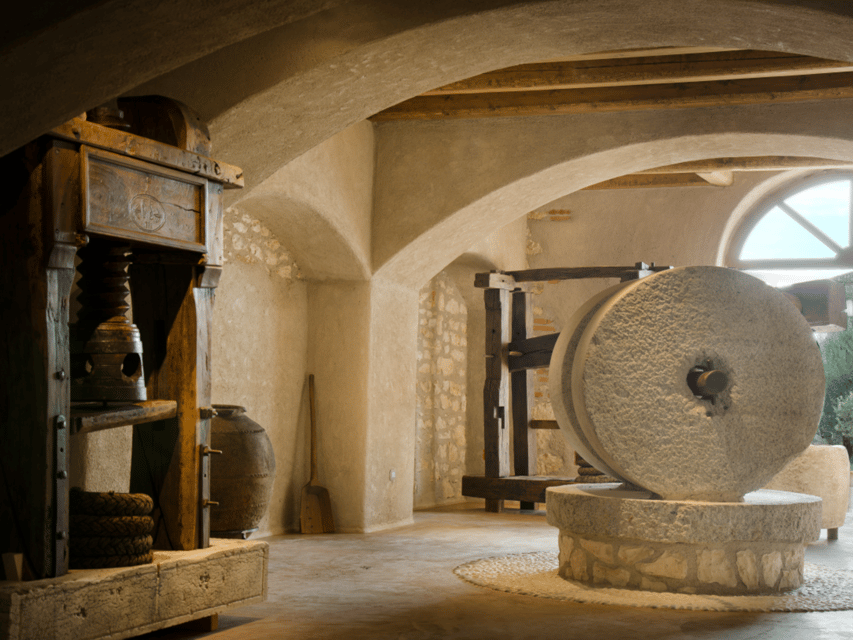
Next to the modern facilities is the Bonamini family Oil Museum, a place to step back and see traditional olive oil production methods. The contrast is the point: you’re looking at the same craft, but through different technology and different eras.
Even if you’re not a history person, the museum helps you interpret what you saw in the mill tour. You can spot what changed (equipment, speed, and production control) and what didn’t (the core idea that oil quality depends on careful handling of olives).
I also like that this isn’t presented as nostalgia. It’s more like a reminder that the family philosophy spans generations, while the mill keeps updating tools and processes.
The three-oil tasting: learn to spot quality, not just like flavors
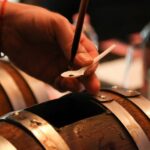
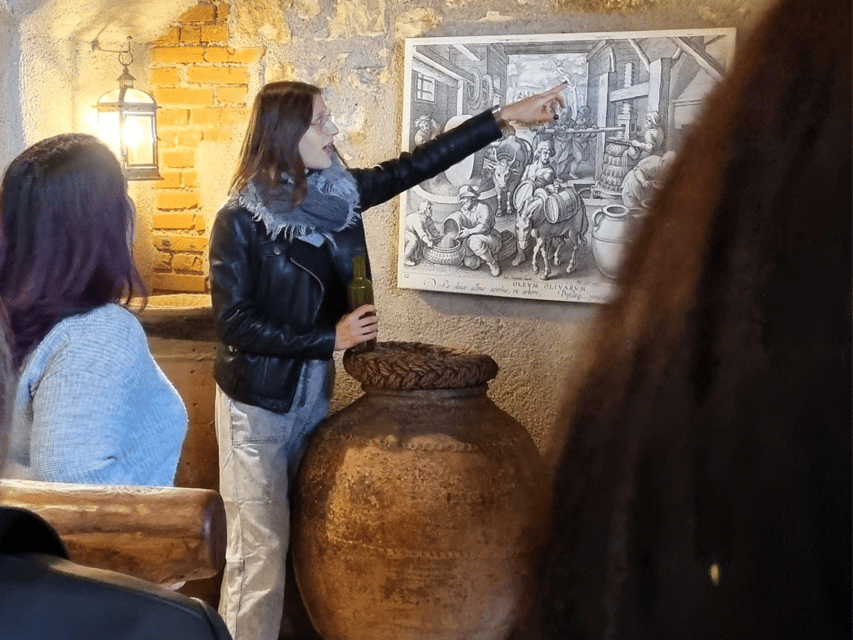
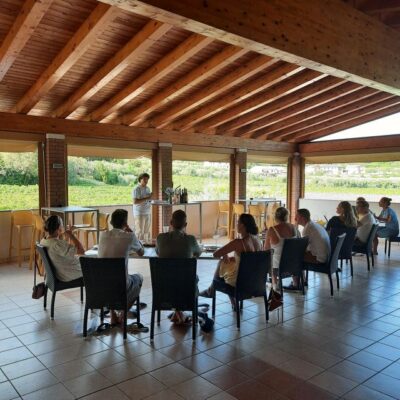
The highlight for many people is the olive oil tasting (about 45 minutes). You’ll sample three premium extra virgin olive oils with expert guidance, and the guide helps you learn what to notice in aroma and flavor.
This is where the tour earns its keep. Tasting oil is not the same as sipping wine casually. You’re getting training on how to identify qualities such as fruitiness, intensity, and how different oils can taste from olive variety and production choices.
On recent tours, the instruction has stood out—people have specifically praised guides such as Rebecca for teaching a proper tasting approach that works for the whole group, not just food nerds. That’s a big deal if you’re the type who wants to leave with practical skills.
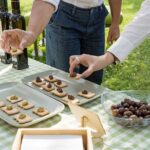
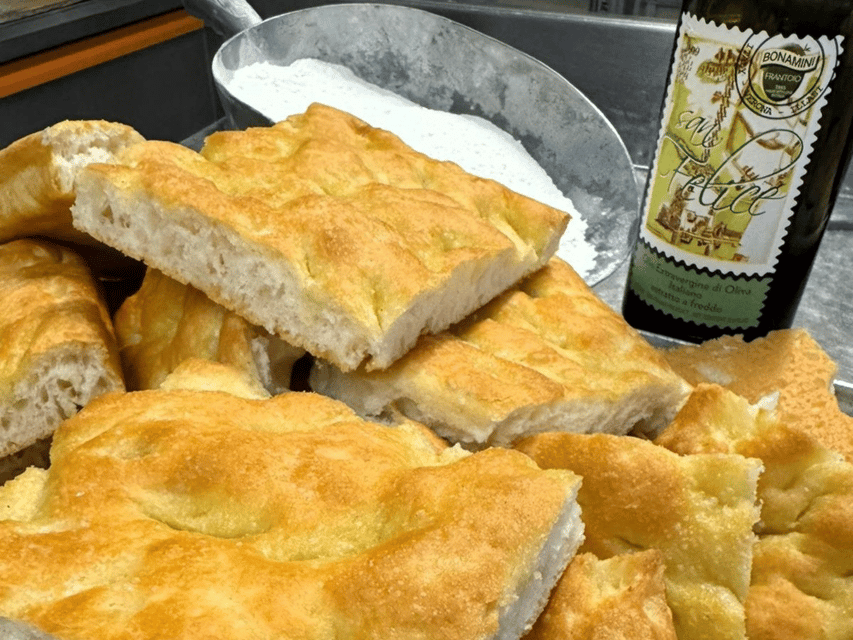
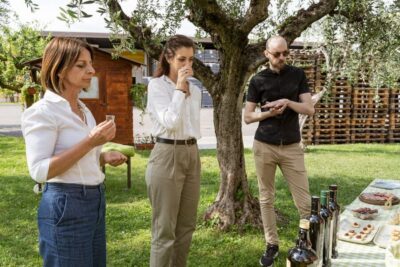
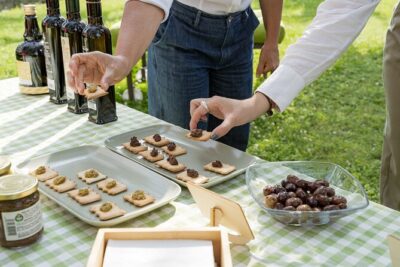
You’ll also get small pairings—local snacks paired with olive oil—along with water. Those bites help you understand how olive oil functions in real eating, not just in a glass.
If you want a take-home skill, this is it: you should be able to describe what you’re tasting and connect it back to what you saw in the grove and mill.
Out to the agriturismi and farms of the Veronese hills.

How the snacks pairing helps you use it in real meals
The tasting isn’t only about pouring oil and moving on. The snack pairings are there so you experience what the oils do with food. You’ll get the idea of how different profiles can work with bread, simple bites, and everyday flavors.
That matters if you’re traveling with a plan to eat well in Verona and the Veneto. After a tasting like this, you can walk into a shop or sit down at a restaurant and make smarter choices instead of just buying based on branding.
I’d treat the tasting like a mini-lesson you can repeat later. If you remember even a couple of flavor cues, you’ll be more confident ordering olive oil at meals and picking bottles for gifts that aren’t random.
Sustainability you can understand: field-to-bottle thinking
A key theme at this experience is sustainability, explained in plain terms through the mill’s operations. You’ll hear about how by-products that were once seen as waste can become valuable inputs—like heating fuel and biomass.
This part is more practical than it sounds. You’re seeing that sustainability isn’t just a slogan. It’s tied to how the facility handles material and reduces waste. When you connect that to the quality focus of extra virgin production, you get a clearer view of what families build over decades: long-term operations that keep producing good oil without ignoring the environment.
In a region where olive oil is cultural, that kind of grounded sustainability feels more believable than generic marketing.
Price and value: what $34 gets you in real terms
The price is $34 per person, for a total visit time of about 1.5 hours. Transport isn’t included, but the experience itself includes the essentials you’d normally pay extra for elsewhere: guided grove walk, guided mill and museum visit, and a guided tasting of three oils with paired snacks and water.
For olive oil experiences, that combination is where the value sits. You’re not just buying a tasting flight. You’re getting context (grove + mill + museum) and then applying it (tasting + pairing). In other words, the price buys you both knowledge and food.
If you’re the kind of traveler who likes “one good lesson” on a trip, this fits well. If you only want to sample oil with no explanation, you might feel it’s more structured than you need—but most people leave with clearer tasting skills.
Who this tour fits best (and who should reconsider)
This is a great fit if you:
- enjoy food that has a real production story
- want to learn to taste extra virgin olive oil properly
- like small, focused experiences rather than long, crowded ones
- appreciate sustainability explained through actual processes
It may be less ideal if:
- you’re expecting a full-day rural outing (this is compact at about 1.5 hours)
- you strongly rely on the grove walk every time—because the walk can be skipped in unsafe weather
- you need wheelchair-friendly conditions
On accessibility, you’ll see mixed information: it’s listed as wheelchair accessible, but it’s also marked as not suitable for wheelchair users. If you use a wheelchair, I’d contact the operator before booking and ask what parts are practical for your specific needs, especially around the grove.
Should you book the Olive Mill Tour and Tasting near Verona?
Yes, if you want a short trip with real payoff. This experience is built around the complete olive oil workflow: field choices near the Campo di Casa grove, the modern working Frantoio 4.0 mill, the Bonamini museum comparison, and then tasting that teaches you how to recognize quality.
Book it if you care about tasting skills. The coaching during the tasting is clearly the crowd-pleaser, and guides like Rebecca have been singled out for being friendly and informative. It’s also a solid choice for families, since the tasting and pairings make the lesson easy to share.
Skip or reconsider if weather is a major concern for you and you’re counting on the grove walk, or if accessibility is tricky for your situation. In those cases, ask questions first so you’re not surprised on the day.
If you’re in the Verona area and you’d like your olive oil purchase to come with confidence, this is one of the cleanest ways to earn it.
More Countryside Tastings
More Oil and Balsamic Tastings
More Tour Reviews in Verona
Weighing up other options? More ways to spend a day in Verona and out on Lake Garda



Olive Oil & Balsamic Tastings, compared.
 ★ 4.6Bardolino: Vineyard Tour with Wine, Olive Oil & Food TastingFrom $42221 reviews
 ★ 4.9Bardolino: Lake Garda Oil Mill Tour with Olive Oil TastingFrom $31205 reviews
 ★ 4.9Verona centro: Olive Oil Tasting ExperienceFrom $5337 reviews
 ★ 5.0Lake Garda Olive Oil Tour and Tasting ExperienceFrom $3416 reviews
 ★ 3.8Traditional Balsamic Vinegar From Modena TastingFrom $539 reviews
Browse the lists this tour appears in