
Reviewed · VERONA WINE TASTING & CELLARS
Verona: Vineyard and Winery Tour with Wine Tasting
This tour turns wine education into an easy afternoon. I love the five-generation, family-run feel and how you get out into the vines instead of staying in one room. I also like the Amarone appassimento focus, where the drying-room step actually makes sense after you see it. One thing to keep in mind: the tasting portion is described as a selection of wines (typically three), so if you want a long wine flight, this may feel a bit short.
You’ll be in good hands with hosts who clearly enjoy sharing the region. People have mentioned guides like Raquel and Jacopo, plus warm touches such as picking up visitors from a nearby bus stop or having a dog join the day’s wanderings.
In This Review
- Key things that make this tour special
- Tenuta Santa Maria Valverde: family-run Valpolicella, close to Verona
- First stop: the vineyards and the story behind the estates
- The 17th-century winery spaces: where tradition feels physical
- Appassimento and the Amarone drying room: the step that makes the wine click
- Tasting with a winemaker: how you learn to read sight, smell, and taste
- The terrace tasting: Valpolicella, Ripasso, and Amarone with antipasti
- Who this tour is best for (and who should pick a different one)
- Price and value: $82 for a small-family cellar + tasting day
- Timing and logistics: getting there from Verona without stress
- What the 2-hour format feels like in real life
- Souvenirs and buying wine: what to do after tasting
- Should you book this Valpolicella winery tour?
- FAQ
- Where is the meeting point for the tour?
- How long does the tour last?
- What wines are included in the tasting?
- Is food included, and what kind?
- Does the tour include a guide, and what languages are offered?
- Do you need to be 18 to participate?
- What parts of the winery do you visit?
- Is transportation assistance available?
- What are the cancellation terms?
- Can I reserve without paying right away?
Key things that make this tour special
- Vineyard-to-cellar pacing: you walk the property, then move through historic winemaking spaces
- Amarone grapes and appassimento: see the traditional drying-room process used for flavor concentration
- A 17th-century winery experience: the setting isn’t just pretty, it’s part of the story
- Sensory wine tasting coaching: you learn how to judge wines with sight, smell, and taste
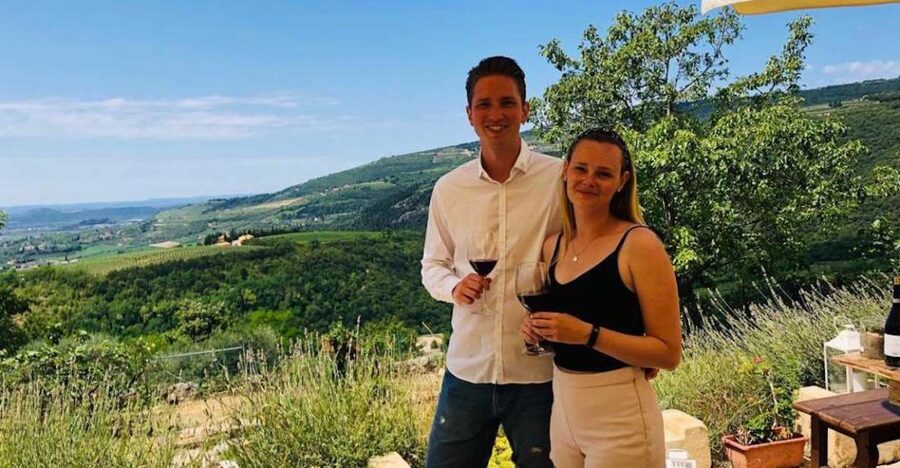
- Valpolicella terrace views: tastings happen while you look over the Valpolicella hills
- Food that fits the wines: antipasti like local cheeses, salami, and extra virgin olive oil are part of the point
Tenuta Santa Maria Valverde: family-run Valpolicella, close to Verona
The biggest reason this works is that it feels human. Tenuta Santa Maria Valverde is a family winery run across five generations, which you can sense in the tone: you’re not getting a scripted lecture. You’re moving through the places where the family has made wine for a long time, and the guide ties what you’re seeing to the choices they’ve made in the vineyard and cellar.
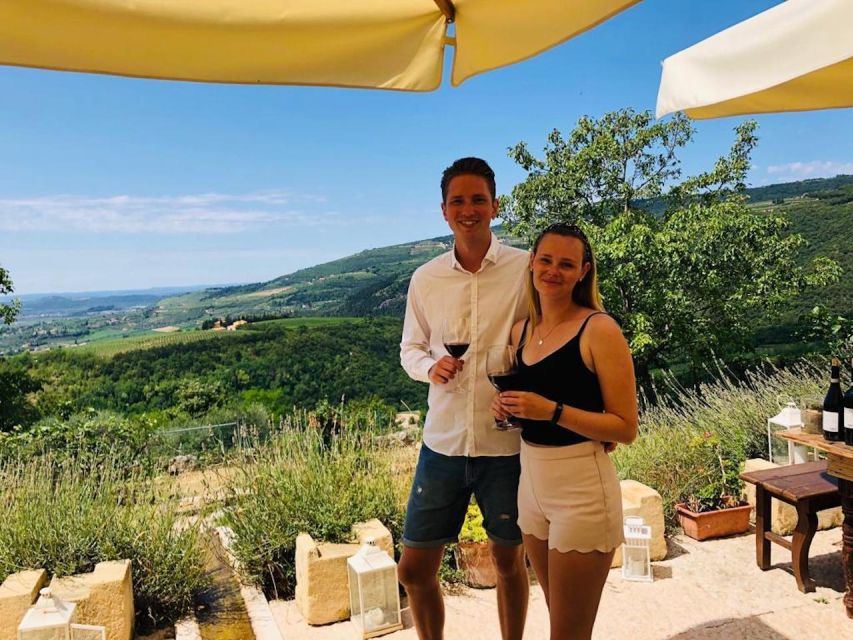
The location also helps. You’re visiting the Verona area, but you’re not trapped in the city. The drive and the setting shift you into countryside mode: rolling Valpolicella hills, open sky, and that relaxed pace where people actually stop and look at what they’re tasting.
If you like tours that teach you enough to appreciate what you’re drinking, this one does that. You’ll get a guided visit plus a structured tasting with local food on the terrace.
More cellars and tasting rooms around the city.

First stop: the vineyards and the story behind the estates
You start at Tenuta Santa Maria Valverde (Località Gazzo, 4, 37020 Marano di Valpolicella VR). Then the tour takes you into the estate with a guided stroll around the vineyards. This isn’t just a photo walk. The pacing gives you time to connect the geography to the grapes.
Here’s what I think is valuable for you: when you’re in the rows, the guide can explain why certain grape types behave differently and how the terrain fits into the winemaking style. Even if you don’t consider yourself a wine person, the walk helps you stop treating wine as something mysterious.
You’ll also hear family history and how their estates fit into the Valpolicella area. That context matters because Valpolicella wines are often talked about like categories, but the real story is about how people manage vineyards over years, not months.
The 17th-century winery spaces: where tradition feels physical
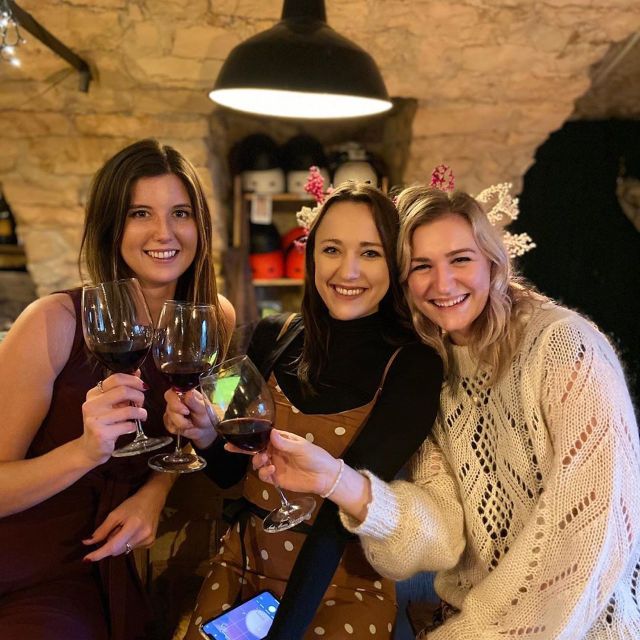
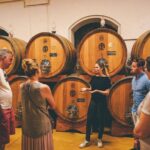
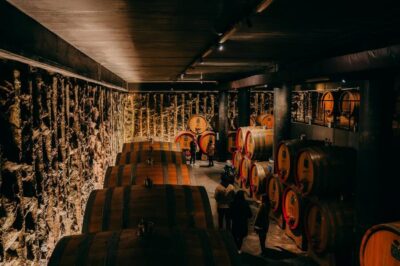
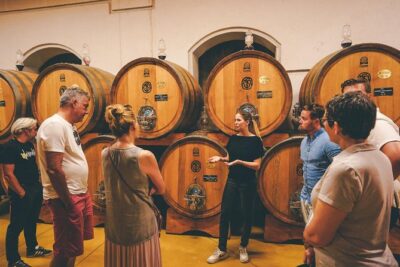
Next, you head into a cellar and rural house area with winemaking going back to the 17th century. The tour doesn’t treat the historic spaces as a museum piece. The guide links those older buildings to the practical rhythm of wine production.
You’ll see where the “grape to glass” story becomes real—storage, refinement, and the steps between raw fruit and finished wine. It’s one of those tours where the setting helps you understand the timeline. You’re not just tasting; you’re learning what changes between harvest and pouring.
One small drawback to expect: historic cellars can be cool and a bit dim, so wear comfortable shoes. Also, if you’re sensitive to tight spaces, keep that in mind when you enter older rooms.
Appassimento and the Amarone drying room: the step that makes the wine click
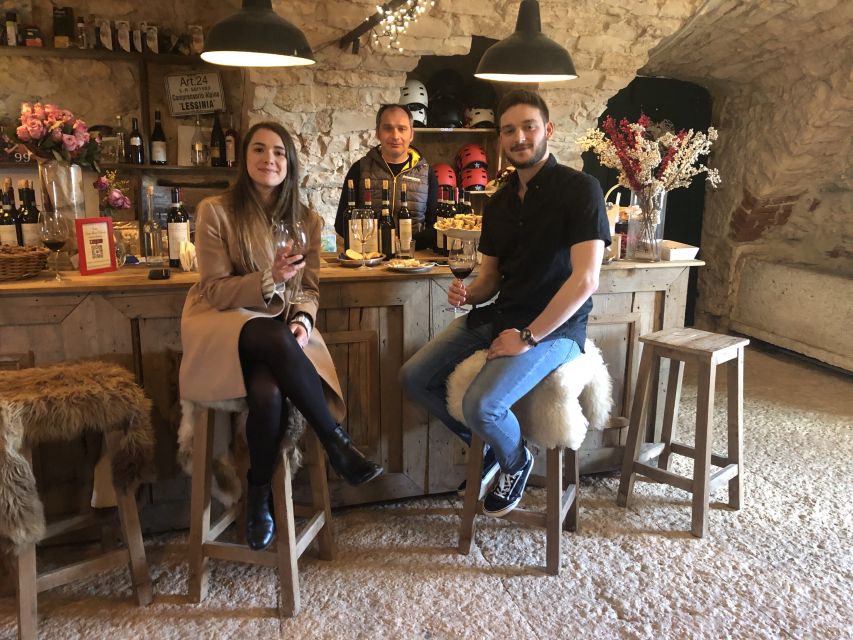
A major highlight is the traditional drying room where Amarone grapes are dried using appassimento. If Amarone has ever felt like a confusing label to you, this part is designed to remove the fog.
In practical terms, appassimento is about drying the grapes so the fruit concentrates. Seeing the drying-room setup makes it easier to understand why Amarone tends to taste richer and more intense than a wine that’s made from fresher grapes.
You’ll hear the winemaker explain the process and how different grapes produce different flavors. This is one of those moments where you stop thinking of wine as a single product and start thinking of it as a chain of decisions:
- grape type
- how the grapes are treated (including drying)
- how the wine is refined afterward
And because you’ll taste wine later the same day, the drying-room explanation won’t vanish in the back of your mind.
Tasting with a winemaker: how you learn to read sight, smell, and taste
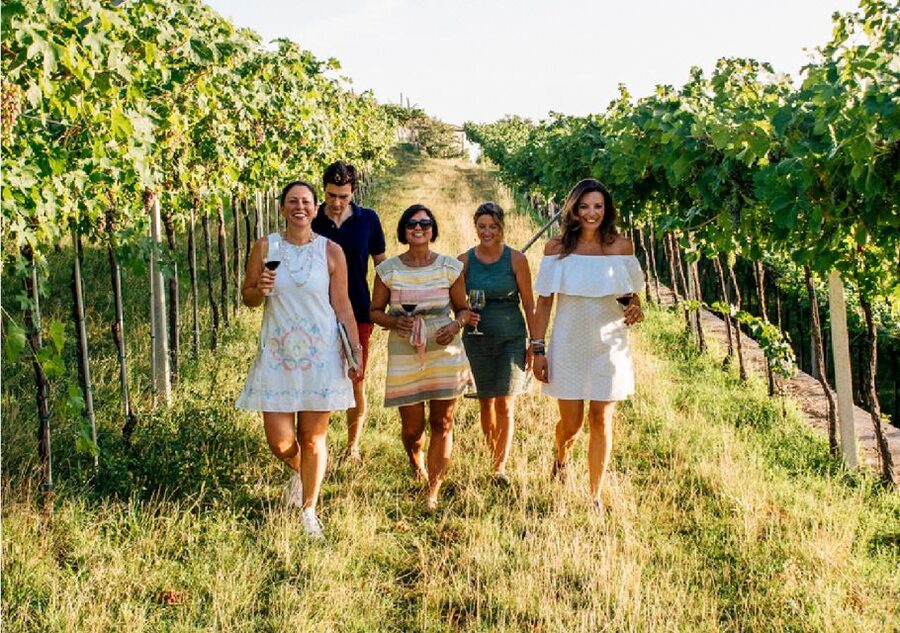
After walking through the historic spaces, you transition into tasting with a structured approach. The guide will help you evaluate wine using your senses of sight, smell, and taste. That matters because the tasting isn’t just about drinking. It’s about learning what to pay attention to.
If you’ve been on tastings where everyone stares silently at a glass, this feels more guided. You’ll get prompts for what to notice, which makes you more confident the next time you order a glass in a restaurant.
Also, tasting with a winemaker (not just a driver-with-a-mic) keeps the explanations grounded. People have highlighted the depth of the explanation around differences among Valpolicella styles and Amarone, so you’re likely to leave with clearer mental shortcuts for the region.
More Verona food and drink to track down.

The terrace tasting: Valpolicella, Ripasso, and Amarone with antipasti
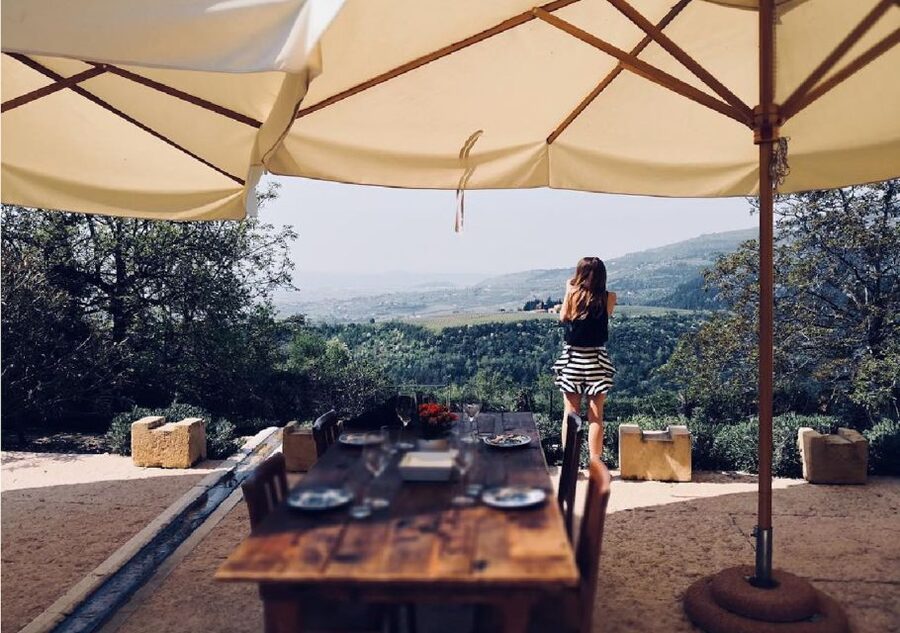
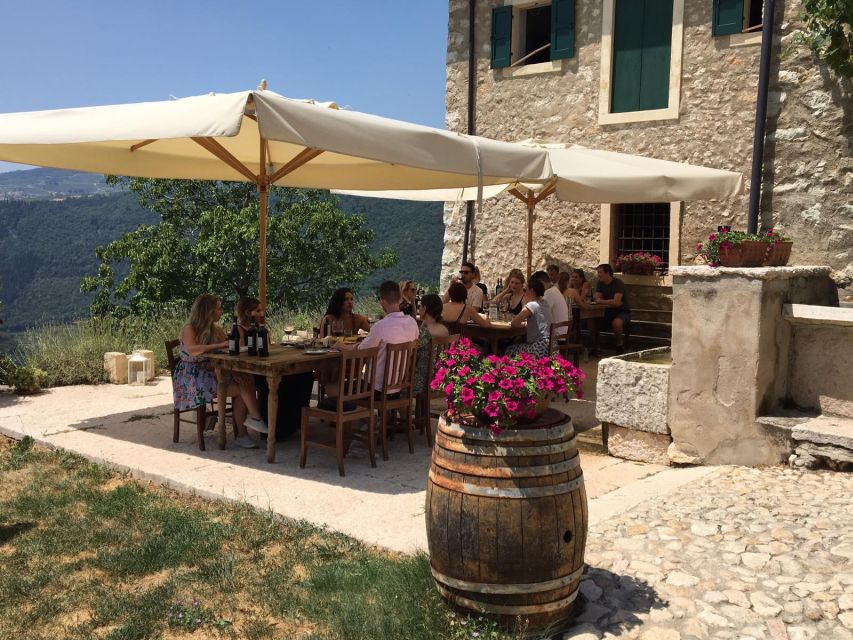
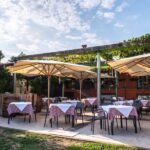
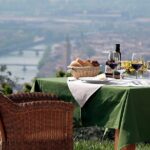
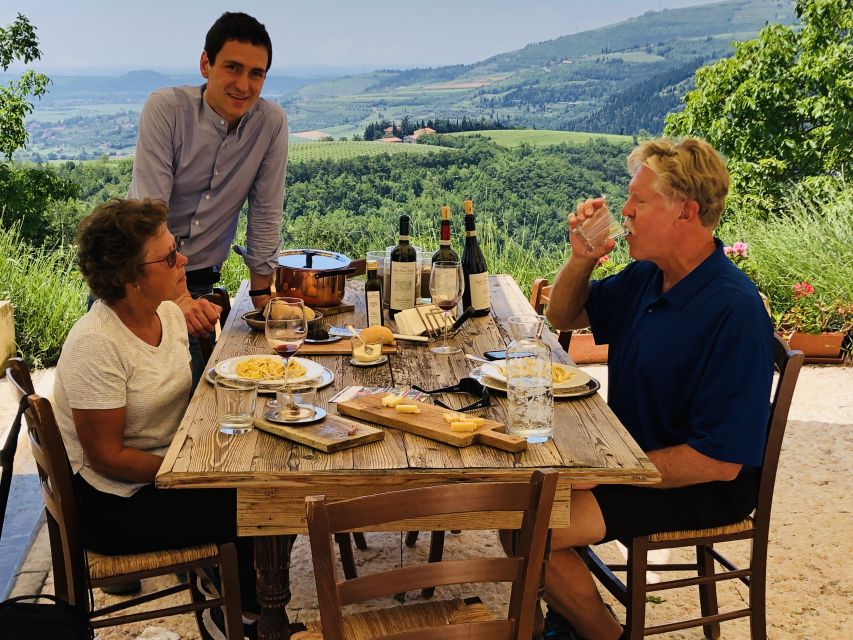
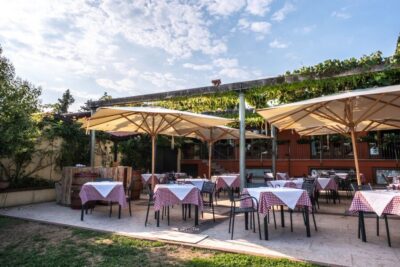
The outdoor terrace is where the experience really lands. You taste while you admire the Valpolicella hills and countryside view. That alone is worth it, but the real value is pairing wine with proper local food.
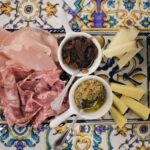
You’ll have antipasti such as:
- local cheeses
- salami
- extra virgin olive oil
- bread
- and other local items, including chutney mentioned in the tour experience
The point of pairing here is practical: it shows you how the food changes your perception of the wine and vice versa. For reds like Valpolicella and Ripasso, fat and salt from cheese and salami help you understand structure and balance.
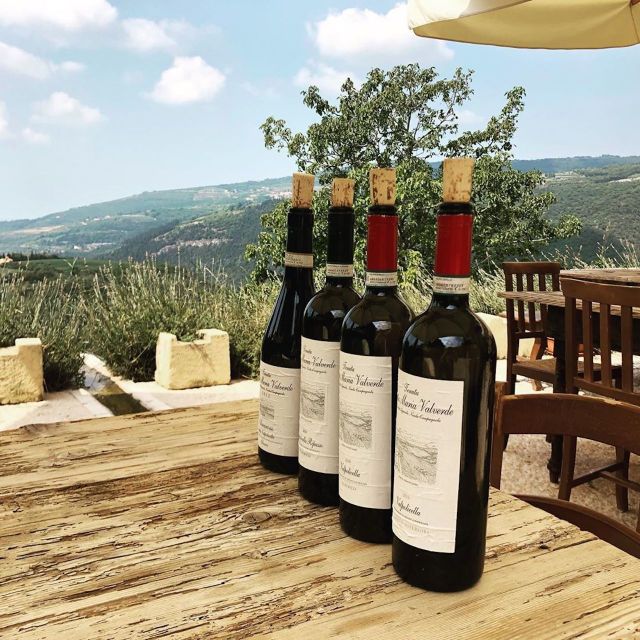
You’ll taste a selection that includes Valpolicella, Ripasso, and Amarone. Ripasso is especially interesting if you’ve only heard about Amarone in passing. The tasting sets you up to notice how the style differs, not just how it tastes.
Some people also mention the host being generous with the wine pour. At the same time, a couple of bookings noted the tasting can be limited in number, so if you’re chasing a larger flight, you might want to plan to do one extra purchase after the tour.
Who this tour is best for (and who should pick a different one)
This fits well if you:
- want an easy two-hour (listed duration) winery day that still feels educational
- like small, family-run experiences where you actually talk to the people making the wine
- enjoy pairing wine with local food instead of doing a pure tasting-only setup
- are curious about Amarone and the appassimento method
It’s not the best match if you want:
- a long, multi-step tasting with many pours
- a tour that runs on a strict, always-on-time schedule (some people report it can run longer than the stated duration)
If you’re traveling with a wine buddy, this is also a good way to learn together. The sensory tasting coaching gives you shared language for what you liked.
Price and value: $82 for a small-family cellar + tasting day
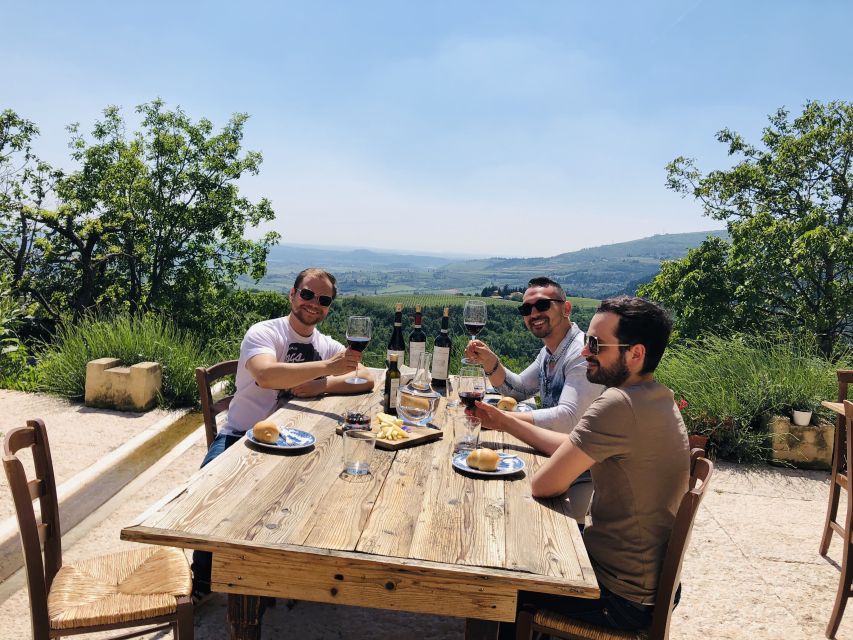
At $82 per person for a tour that includes winery visits, explanations, wine tasting with the winemaker, and light lunch foods, the price feels fair for the experience type.
Here’s how I think about value in this region:
- A winery tour with a real guide and a seated tasting usually costs more than a basic tasting room stop.
- What you’re paying for here is the mix of historic spaces, appassimento education, and food pairing on a terrace.
You’re not just buying wine. You’re buying context. And in Valpolicella, the appassimento detail is the kind of thing you can’t fully understand from a menu description.
Timing and logistics: getting there from Verona without stress
The tour’s meeting point is Tenuta Santa Maria Valverde. From Verona, you have options.
A practical tip that shows up in people’s experiences: you can arrange pickup assistance, sometimes even from a bus stop, and hosts have been reported as helpful when someone ends up on the wrong side of the valley. If you’re coming from Verona train station, taxis have been reported in the ballpark of €35–€40, depending on the day and route.
So my advice is simple: before you go, plan your ground transport early. If you don’t have a car, message ahead and ask what the easiest drop-off/pickup plan looks like for your exact arrival time.
What the 2-hour format feels like in real life
The activity lists a 2-hour duration, and that’s a useful anchor for planning the rest of your day. At the same time, some bookings report the overall experience taking longer, especially when the group chats extend or when the tasting and food stretch out.
So if your schedule is tight—train tickets, a specific dinner reservation—build in a buffer. You’ll enjoy this more if you treat it like a relaxed morning or early afternoon plan, not a timed appointment you rush through.
Souvenirs and buying wine: what to do after tasting
If you fall in love with a bottle (and it’s easy to), the day doesn’t end when the tour ends. Wine purchasing is part of the experience, and some people report that wine can be shipped to their home country too.
That’s useful because the Valpolicella reds—especially styles connected to Amarone—are exactly the kind of thing you’ll want later when you’re back home comparing flavors.
Should you book this Valpolicella winery tour?
Yes—if you want a family-run Verona-area winery visit with a real education element, not a rushed tasting room stop. The best reason to book is the combination: vineyard walk + 17th-century spaces + Amarone appassimento explanation + terrace tasting with local antipasti.
Skip it only if your priority is a very long tasting flight with lots of pours. For wine basics, pairings, and that “I finally get Amarone” feeling, this is a strong choice.
If you want a smooth day, plan transport ahead, wear good shoes for walking on the estate, and give yourself buffer time so you’re not stressed about the clock.
FAQ
Where is the meeting point for the tour?
The meeting point is Tenuta Santa Maria Valverde, Località Gazzo, 4, 37020 Marano di Valpolicella VR.
How long does the tour last?
The tour duration is listed as 2 hours.
What wines are included in the tasting?
The tasting includes a selection of Valpolicella wines such as Valpolicella, Ripasso, and Amarone.
Is food included, and what kind?
Yes. You’ll have light lunch with tastings of local foods such as local cheeses, salami, bread, and other local items paired with the wine.
Does the tour include a guide, and what languages are offered?
Yes, there is a live tour guide. The languages listed are Italian and English.
Do you need to be 18 to participate?
Yes. The information states you must be at least 18 years old to consume alcohol.
What parts of the winery do you visit?
You visit the vineyard, the cellar, and the traditional drying room where Amarone grapes are dried using the appassimento process.
Is transportation assistance available?
Assistance can be provided with booking a private transfer, and public transport to the winery can be arranged.
What are the cancellation terms?
Free cancellation is offered up to 24 hours in advance for a full refund.
Can I reserve without paying right away?
Yes. The activity offers a reserve now & pay later option, letting you book and pay nothing today.
More Verona Tours


More Verona Cellars and Tastings
More Tour Reviews in Verona

Weighing up other options? More ways to spend a day in Verona and out on Lake Garda







Verona Wine Tasting & Cellars, compared.
 ★ 4.9Valpolicella and Amarone Wine Tasting TourFrom $112560 reviews
 ★ 4.8Wine Tasting with Snacks and Panoramic ViewsFrom $53494 reviews
 ★ 4.5Discover Valpolicella Vineyards and Wine Tasting ExperienceFrom $84341 reviews
 ★ 5.0Amarone Wine-tasting Tour from Verona with Private TransportationFrom $151283 reviews
 ★ 4.8City Walking Tour with Cable Car & Wine AperitifFrom $81267 reviews
 ★ 4.5Lake Garda: Historic Castle Cruise with Wine TastingFrom $113241 reviews
 ★ 5.0Wine Tasting with Panoramic View of VeronaFrom $54240 reviews
 ★ 4.9Food and Wine Tasting Walking TourFrom $96238 reviews
Browse the lists this tour appears in