
Reviewed · VERONA FOOD TOURS
Verona: Dining Experience at a Local’s Home
One of the best ways to eat in Verona is at home. This private Cesarina experience pairs a show-style cooking demo with a sit-down 4-course meal, so you go from watching technique to tasting it for yourself. I especially like the human scale here: you’re not fitting into a noisy restaurant routine, you’re joining a household table.
What I like most is the focus on family cookbook recipes passed down through real Italian home cooks, plus the chance to chat directly with your host (names that show up in past dinners include Adele, Cristiana/Christiana, Michela/Michaela, Sofia and Nicola, and Aurora). The one drawback to weigh: at $100 per person, it’s pricier than a typical dinner out, so you’ll want to be the kind of eater who values technique, conversation, and a full meal with wine included.
In This Review
- 6 key reasons this Verona home dinner feels special
- What a Cesarina home dinner is really like in Verona
- The 3-hour flow: doorbell greeting to dessert finish
- 1) Welcome and the cooking demo setup
- 2) Starter and drinks
- 3) Pasta course with real technique
- 4) Main course plus a side dish
- 5) Dessert and coffee
- The 4 courses: what you’re gaining beyond a full stomach
- Starter: the taste of what’s next
- Pasta: where Italian basics get real
- Main with side dish: balance, not just heaviness
- Dessert: the family memory part
- Wine, coffee, and the regional cellar touch
- Meeting the host: the real value is conversation
- Price in plain terms: is $100 per person worth it?
- Dietary needs: plan this step early
- Who this experience fits best in your Verona trip
- Practical planning tips so the evening runs smoothly
- Should you book this Verona home dining experience?
- FAQ
- Where is the meeting point?
- How long is the experience?
- What time does the meal usually start?
- Is this a private experience?
- What’s included in the 4 courses?
- What drinks are included?
- Do they offer both lunch and dinner?
- What languages are used by the instructor/host?
- Can they accommodate dietary requirements?
- What are the cancellation and payment options?
6 key reasons this Verona home dinner feels special
- You get the cooking demo first, then you eat what you helped learn to make
- 4 courses, not a snacky tasting: starter, pasta, main with side dish, and dessert
- Regional wines and coffee are included, plus water
- Your host home is the meeting point, which keeps things intimate and personal
- You can connect with local families through conversation at the table
- Hosts vary in personality and menu details, so it pays to arrive curious and flexible
What a Cesarina home dinner is really like in Verona
In Verona, you can eat Italian food almost anywhere. The point of this experience is that you’re stepping into the everyday food culture that locals grow up with, not just ordering a set menu in a dining room.
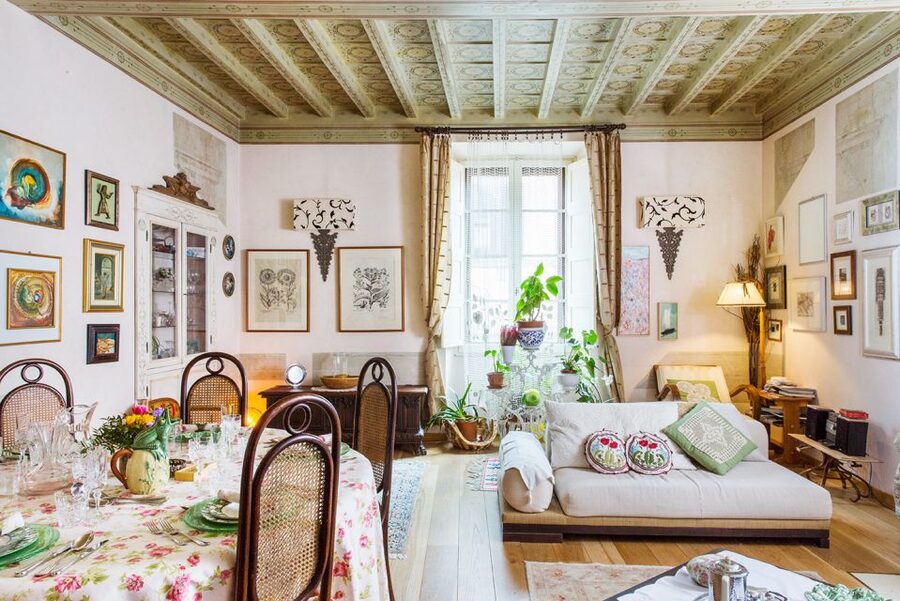
Your host is a Cesarina, and the evening runs inside her home. That changes the vibe fast. The pace is calmer, and the focus is on the food and the person teaching it. Your host welcomes you at the door with your exact address provided after booking, and you ring the doorbell when you arrive. Then you’re in.
One practical bonus: because this is private, you avoid the awkward “who’s paying attention to the lesson” problem that can happen in larger cooking classes. Here, the teaching moment stays close to your table.
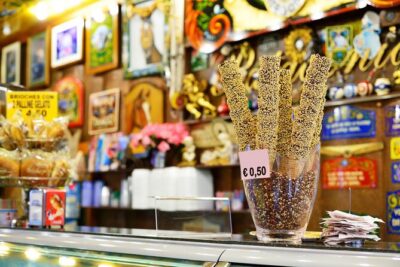
More Veronese bites, from fried snacks to Monte Veronese cheese.

The 3-hour flow: doorbell greeting to dessert finish
This experience typically lasts about 3 hours, and it usually starts at 12:00PM or 7:00PM. If you need a different time, you can request it in advance. The meals are offered as either lunch or dinner, so you can pick what fits your Verona schedule.
Here’s the rhythm you can expect:
1) Welcome and the cooking demo setup
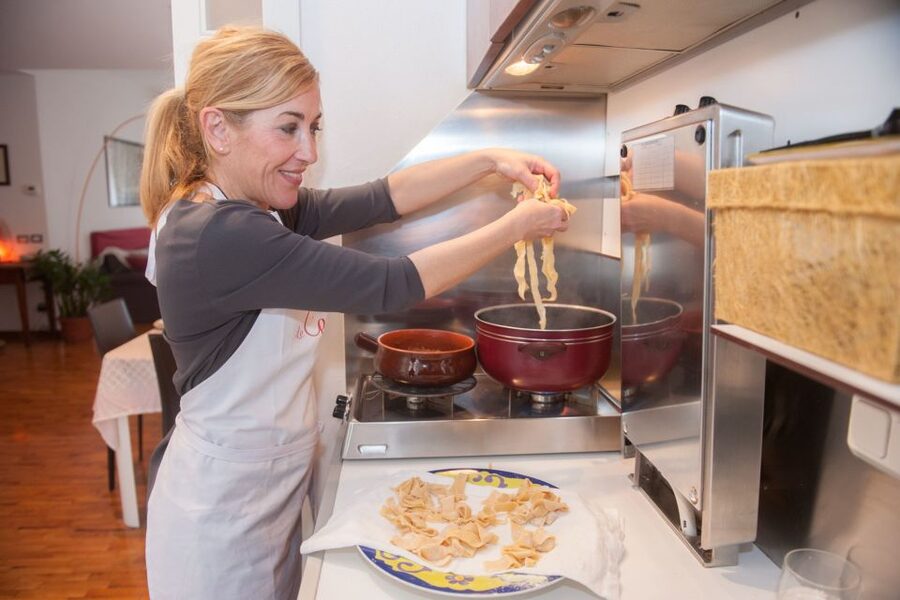
When you arrive, your Cesarina host is expecting you. After you ring the doorbell, you’ll likely get a quick welcome and a sense of what’s about to happen. Then the evening turns into a private cooking demo.
The demo matters because it’s not just a show. It’s where you learn the thinking behind Italian basics: how ingredients behave, how sauces are built, and how timing works when you’re cooking for a household meal.
2) Starter and drinks
Before the heavier courses, you’ll start with a starter. Drinks are included from the start: water, a selection of red and white wines from regional cellars, and coffee later with dessert.
This setup is handy if you’re traveling with a group or want the meal to feel like a real evening. You’re not waiting for the first drink while everyone “pretends” to be patient.
3) Pasta course with real technique
Next comes the pasta course. This is often where you see the strongest contrast between cooking at home and cooking with guidance. Pasta is sensitive. Timing, sauce consistency, and seasoning choices matter.
If your goal is to actually learn something you can repeat, this course is the best place to pay attention.
More Veronese tables to sit down at.



4) Main course plus a side dish
Then you move to the main course with a side dish. The menu is designed as a complete household plate, not just a single dish. That means you taste how Italians balance a richer center with something that gives contrast.
In the past, guests have highlighted fresh ingredients and the overall sense that the meal was built as a unit, not separate components.
5) Dessert and coffee
Finally, you’ll have dessert and coffee. Past meals have included standout desserts such as an apple pie tied to a grandmother’s recipe, and guests often mention finishing with a sweet that feels personal rather than generic.
Plan to slow down here. The best part of the structure is that dessert isn’t rushed to make room for a check. It lands when the meal is actually finished.
The 4 courses: what you’re gaining beyond a full stomach
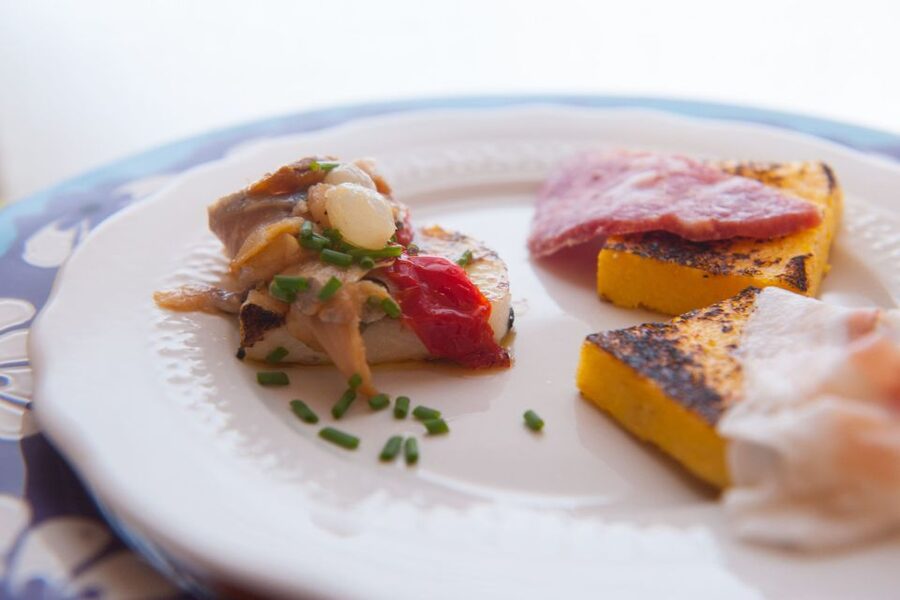
The menu is set up to teach you Italian home cooking in a way that feels practical.
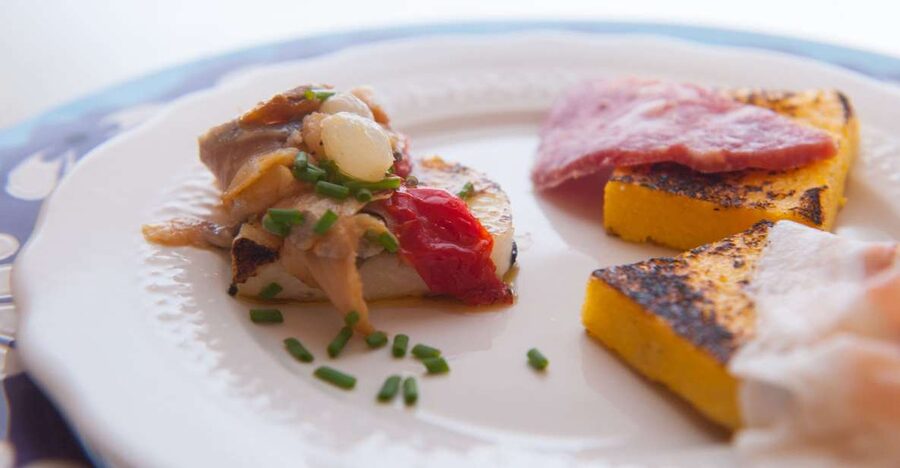
Starter: the taste of what’s next
A good starter tells you what the household wants you to notice: freshness, seasoning, and comfort. You’ll start gently, then warm up into the bigger pasta and main courses.
Pasta: where Italian basics get real
Pasta is where you learn the difference between cooking and getting a dish right. When a host guides you through the pasta process, you’re picking up clues you can use later at home: what to look for in texture, how a sauce should cling, and how to season at the right moment.
Main with side dish: balance, not just heaviness
Many restaurant dinners go one direction: rich main, then maybe a tired garnish. Here, the meal includes a side dish on purpose. That gives your plate contrast and helps you understand how locals think about a full meal.
Dessert: the family memory part
Dessert is often the most emotional course in home cooking. Guests have praised desserts linked to family recipes, including apple pie, and that makes sense. Dessert is where tradition often shows up first.
Even if you don’t bake the same exact recipe later, you’ll come away with a sense of what the household considers worth repeating.
Wine, coffee, and the regional cellar touch
What’s included is straightforward: water, a selection of red and white wines from regional cellars, and coffee.
A few practical notes:
- You’re not limited to one single wine, which gives you a bit of choice with the courses.
- The wine being described as from regional cellars signals that you’re getting a local flavor profile, not random bottled wine.
- Coffee at the end matters. In Italy, it’s part of the closing ritual, and you’ll feel that here.
If you’re the type who wants to compare styles, this format makes it easier because the meal is built around the wine, not the other way around.
Meeting the host: the real value is conversation
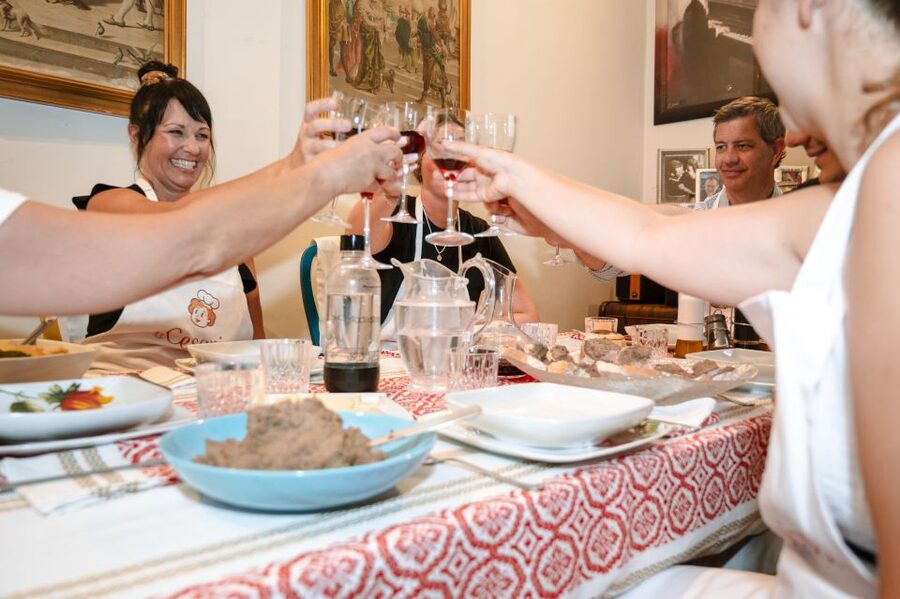
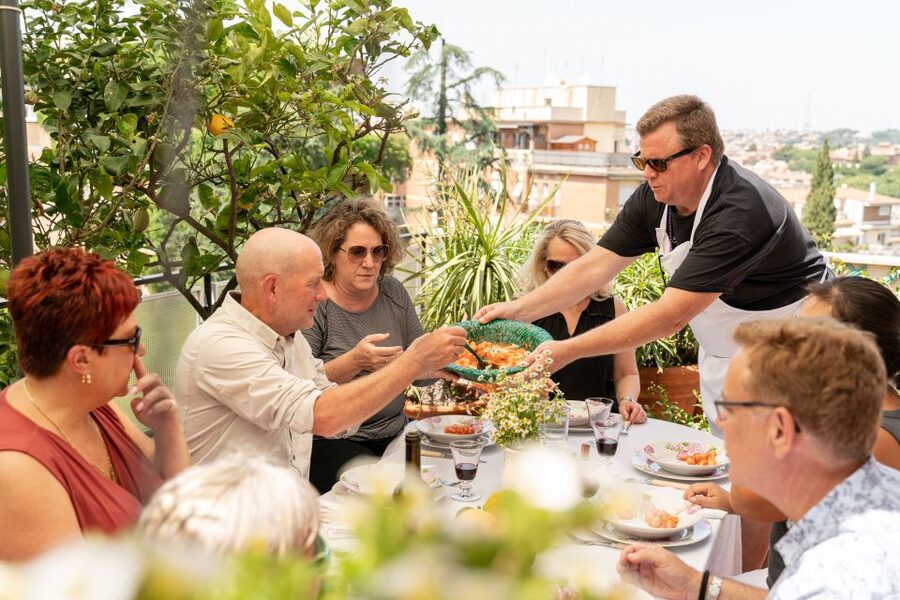
Cooking classes can be great, but the best ones create a human connection. This is a private home experience, and the warmth shows up in the way hosts interact: welcoming you like someone they genuinely want to feed, then keeping the conversation going while the meal unfolds.
Past guests have mentioned lovely chats with hosts and husbands, and a feeling that the evening turned friendly rather than formal. Names you might hear in these homes include Adele, Cristiana/Christiana, Michela/Michaela, Sofia and Nicola, and Aurora.
One small thing that can surprise you: you might be by yourself even though the booking is private-group oriented. That can actually be a plus. You get the full attention without needing to “perform” for a group.
Price in plain terms: is $100 per person worth it?
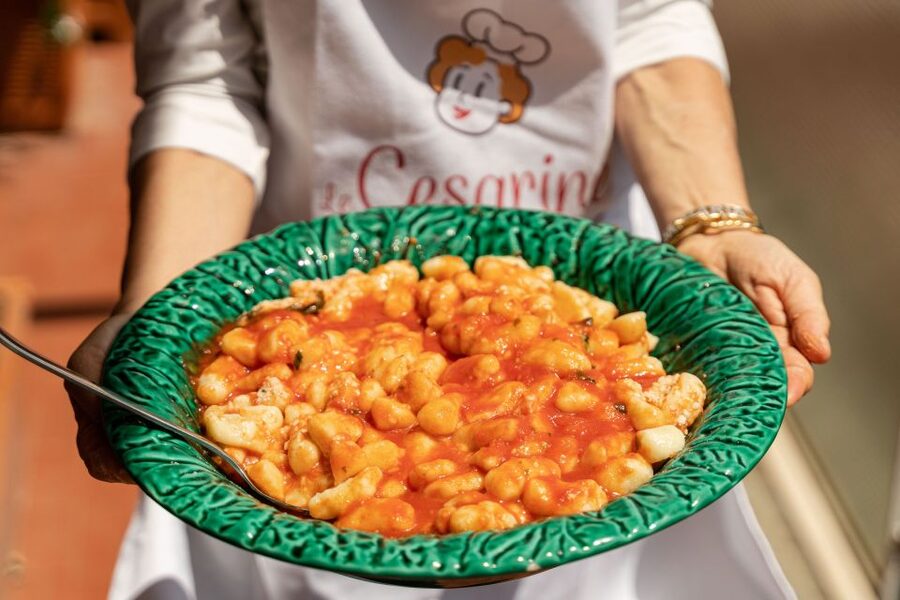
At $100 per person for a 4-course private lunch or dinner with a cooking demo plus wine, coffee, and water, the value depends on what you want from your evening.
Here’s the practical breakdown:
- You’re paying for a private host and private teaching moment, which is more expensive than a public class.
- You’re also paying for a complete meal (starter, pasta, main with side dish, dessert), not a light “tasting menu.”
- Alcohol is included via regional wine, which many people would otherwise pay for separately.
Still, it’s not a secret that this type of experience can feel pricey. One guest thought a lower price would fit better. So if you’re on a strict budget, this is the kind of splurge to consider carefully.
If your travel style is: food + people + a meal you can’t get in the same way in a typical restaurant, then this price starts to make sense fast.
Dietary needs: plan this step early
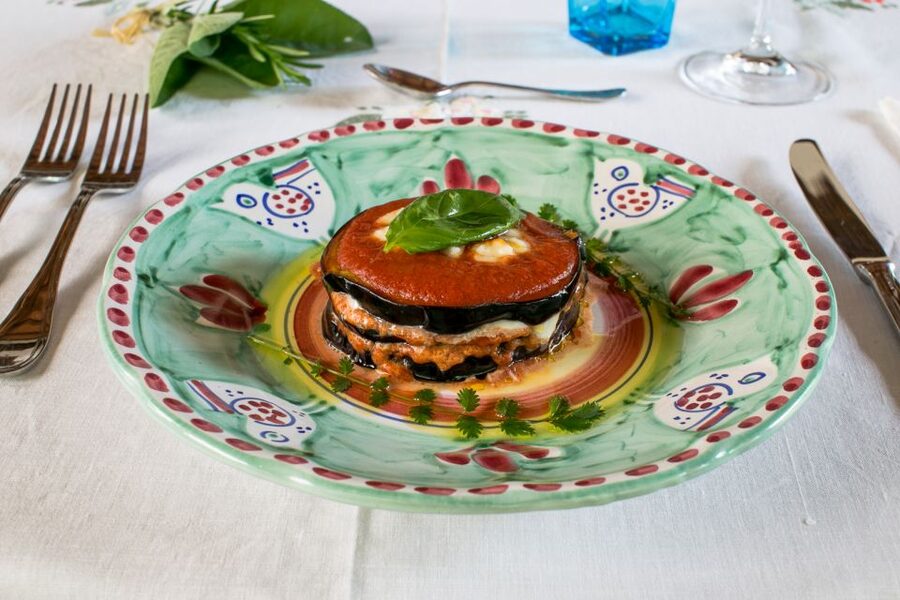
The good news: the experience can cater to different dietary requirements, but you need to confirm directly with the organizer after booking.
What I recommend in your request:
- Tell them your dietary needs right away.
- Keep your description simple and clear (what you avoid, and whether you’re okay with substitutions).
- Don’t assume everything is flexible the way it would be at a large professional kitchen.
Since this is a home cooking format, small ingredient swaps can matter more than in a restaurant.
Who this experience fits best in your Verona trip
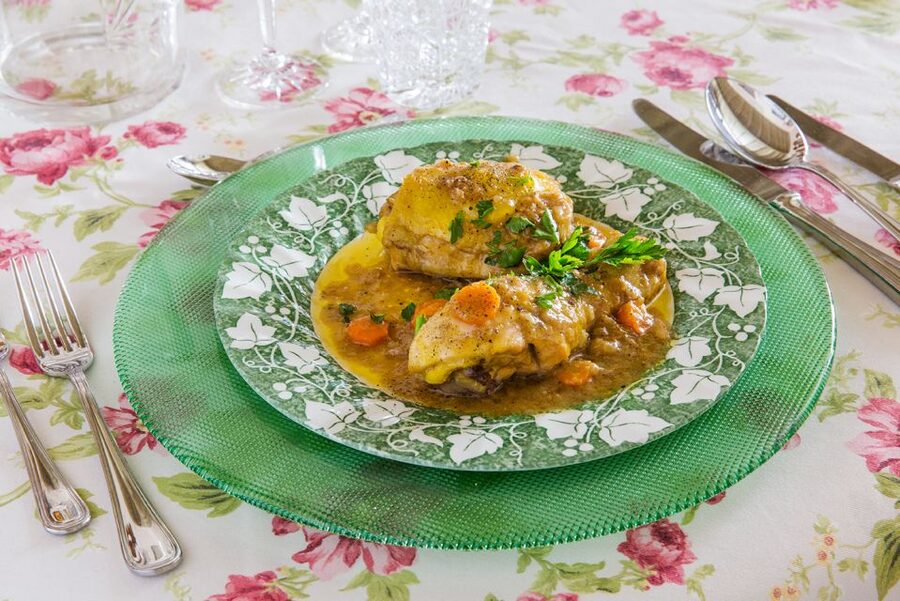
This works especially well if you want:
- A hands-on-food evening without juggling utensils in a class setting
- A meal that’s more about Italian home culture than tourist dishes
- A quiet, comfortable experience in the middle of a busy sightseeing itinerary
It might be less ideal if:
- You only want a quick bite and don’t care about cooking or conversation
- You dislike spending a full 3 hours seated and sharing a meal
- You’re mainly chasing nightlife and want the day to stay hyper-packed
If you’re staying 2 to 3 nights in Verona, you’ll likely get the best payoff because you can pick a time that lines up with your hunger level and your schedule.
Practical planning tips so the evening runs smoothly
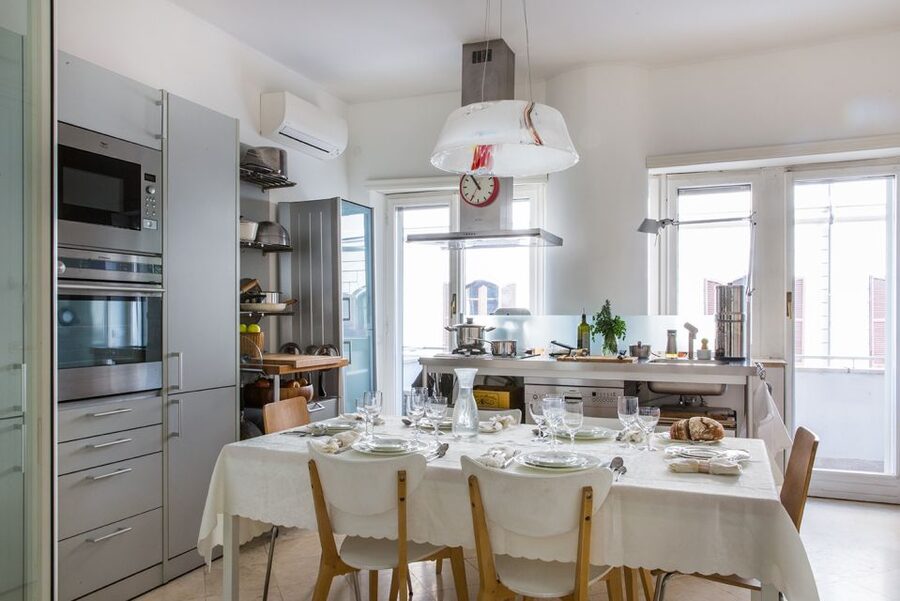
Since the address is shared after you reserve, you’ll want to:
- Keep your phone handy for your host’s communication.
- Arrive a little earlier than you think you need. In a home, “late” feels more awkward than in a hotel lobby.
- Come with an appetite and curiosity. This isn’t a meal you rush through.
Also, pack your questions. The best hosts can explain why something works, not just how to make it. If you ask about ingredient choices or why a technique matters, the cooking demo will feel more like a conversation than a lecture.
Should you book this Verona home dining experience?
Book it if you want a private, family-style meal with an actual cooking demo, included wine, and a host who brings the food to life through conversation. For many people, it’s the best kind of “local Verona” because you’re not just looking at the city. You’re tasting its everyday habits.
Skip or rethink if $100 per person feels too steep for you, or if you prefer restaurant service and pace over a home setting. In that case, you might get a similar food hit with less cost.
If you’re deciding, here’s your simple test: do you want to learn and connect, or do you just want to eat fast? If you choose the first one, this is a strong booking.
FAQ
Where is the meeting point?
Your Cesarina host’s home is the meeting point, and the exact address is shared after your reservation. When you arrive, you ring the doorbell.
How long is the experience?
The experience lasts about 3 hours.
What time does the meal usually start?
The dining typically begins at 12:00PM or 7:00PM, but tour times are flexible if you request it in advance.
Is this a private experience?
Yes. It’s a private group dining experience.
What’s included in the 4 courses?
You get a 4-course meal: a starter, pasta course, a main course with a side dish, and dessert.
What drinks are included?
Beverages included are water, a selection of red and white wines from regional cellars, and coffee.
Do they offer both lunch and dinner?
Yes. You can choose either a 4-course lunch or a 4-course dinner.
What languages are used by the instructor/host?
English and Italian are listed for the instructor/host.
Can they accommodate dietary requirements?
They can cater to different dietary requirements, but you must confirm directly with the service organizer after booking.
What are the cancellation and payment options?
You can cancel up to 24 hours in advance for a full refund. You can reserve now and pay later, so you don’t pay anything today.
More Verona Dining

More Verona Food Tours

More Tour Reviews in Verona


Weighing up other options? More ways to spend a day in Verona and out on Lake Garda











Verona Food Tours, compared.
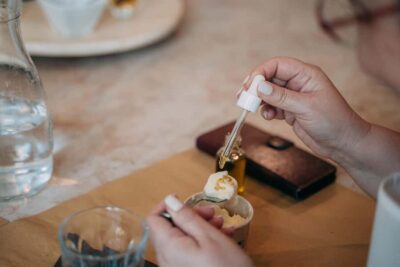 ★ 4.8Gelato Making ClassFrom $74348 reviews
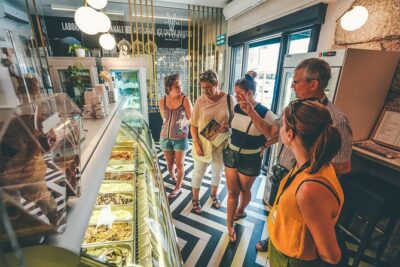 ★ 5.0Verona All in one: Food Walking Tour, Lunch & WineFrom $114342 reviews
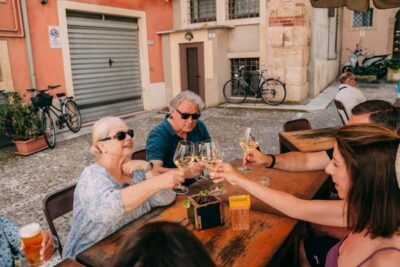 ★ 4.9Food and Wine Tasting Walking TourFrom $96238 reviews
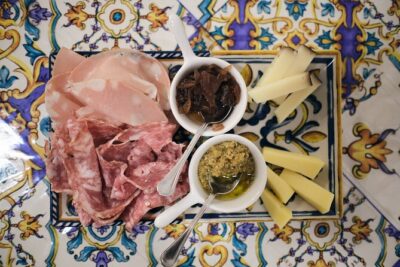 ★ 4.3Guided Food Tour with Wine Tasting in VeronaFrom $80229 reviews
 ★ 5.0Verona Full Meal & Wine Tasting Walking Tour by Do Eat BetterFrom $99197 reviews
 ★ 5.0Homemade Gelato Making Class in VeronaFrom $83146 reviews
 ★ 4.8Lazise: Wine Tasting with Charcuterie and Cheese BoardFrom $37139 reviews
★ 4.5Guided Food Tour with Wine Tasting in VeronaFrom $7678 reviews
★ 4.8Lazise: Wine Tasting with Charcuterie and Cheese BoardFrom $37139 reviews
★ 4.5Guided Food Tour with Wine Tasting in VeronaFrom $7678 reviews
Browse the lists this tour appears in