
Reviewed · VERONA WINE TASTING & CELLARS
Verona: Classic Valpolicella Wine Tasting Experience
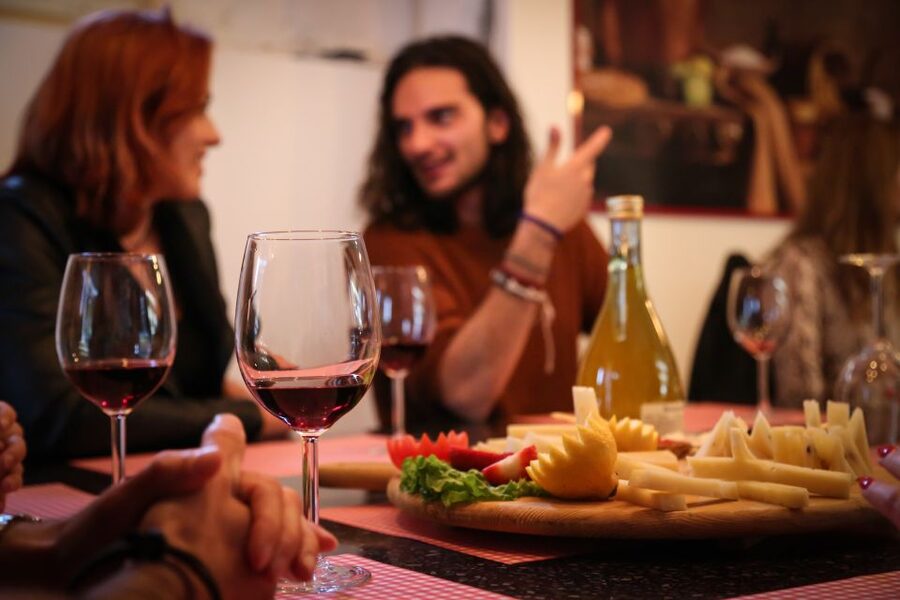
Three Valpolicella pours, plus local bite-size snacks. This Valpolicella wine tasting in Verona turns a simple tasting into a full-on sensory lesson with a friendly sommelier and local bites. You start by learning how the region’s wine culture shapes what ends up in your glass, then you taste your way through the classics.
What I like most is the chance to compare three signature Valpolicella styles in a tight, one-hour format. The tasting also pairs beautifully with local cured meats and cheese, including Monte Veronese cheese and Soppressa salami, so the wines don’t feel like they’re floating on their own.
One consideration: this happens in a small shop setting, so if you want a super quiet, formal tasting room, the lively deli atmosphere might feel a bit casual. And since it’s only an hour, it’s not a long, slow winery day.
In This Review
- Quick hits before you go
- Valpolicella 101: why the name points to cellars and valleys
- Meet at Botteghetta: the Verona shop where the tasting happens
- Your 1-hour tasting rhythm: senses, water, and a guided pour
- Classico, Ripasso, Superiore: what changes in the glass
- Valpolicella Classico
- Valpolicella Ripasso
- Valpolicella Superiore
- Food pairings that taste like Verona: Monte Veronese and Soppressa
- Learning the terroir without the lecture: how the guide teaches
- Price and value of a $53 tasting in Verona
- Languages, ID, and timing: practical stuff that keeps it smooth
- Best for wine lovers, not for kids: who should book
- Should you book this Verona Valpolicella experience?
- FAQ
- What is the duration of the Verona Valpolicella tasting?
- Which wines are included in the tasting?
- Is there food included with the wine?
- What languages are available for the guide?
- Where is the meeting point?
- Do I need ID?
Quick hits before you go
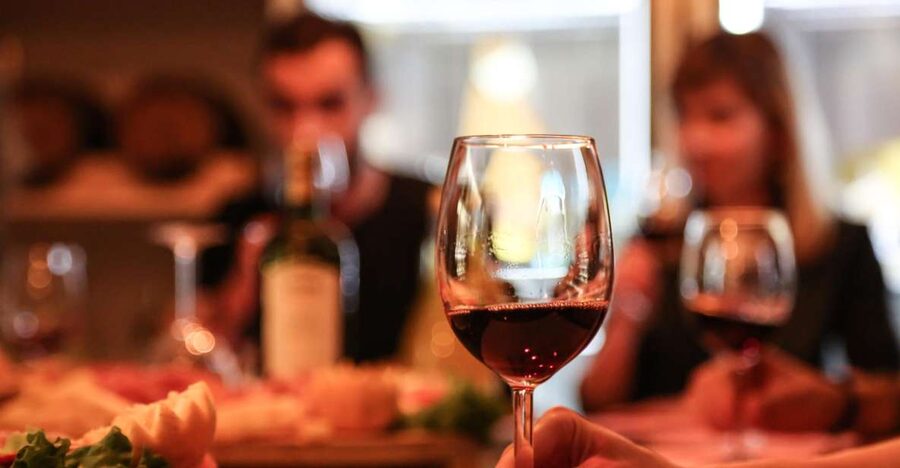
- Three classic bottles in one session: Valpolicella Classico, Valpolicella Ripasso, Valpolicella Superiore
- A name with a clue: Valpolicella points to a valley of many cellars
- Local pairings that actually match: Monte Veronese cheese and Soppressa salami
- Your sommelier runs the show: terroir, grape variety, vinification, and flavor notes
- One-hour pacing: enough for a solid comparison without dragging on
- ID required: +18 only, bring your passport or ID card
Valpolicella 101: why the name points to cellars and valleys
The first thing you learn is that the name Valpolicella is not random. It comes from valle, poli, and cellae, which together mean valley of many cellars. That’s a nice mental picture for what you’re about to do: drink wines shaped by long storage traditions and hillside growing.
The guide also ties the region’s wine-making story to very old roots, going back to Roman times. You don’t need a history degree to appreciate it. When someone explains the regional logic before you taste, the differences between wine styles start to feel less like trivia and more like cause-and-effect.
If you’re the type who usually drinks wine on instinct, I like that this experience gives you just enough structure to understand what you’re tasting. You’re not handed a worksheet. You’re given a frame, then you taste and form your own opinion.
Back into the Valpolicella hills for a glass of Amarone.

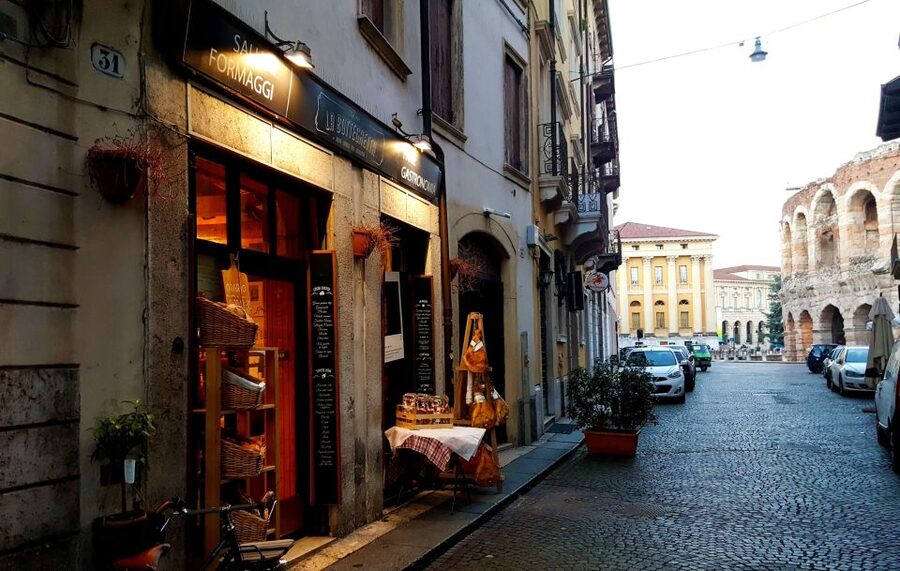
Meet at Botteghetta: the Verona shop where the tasting happens
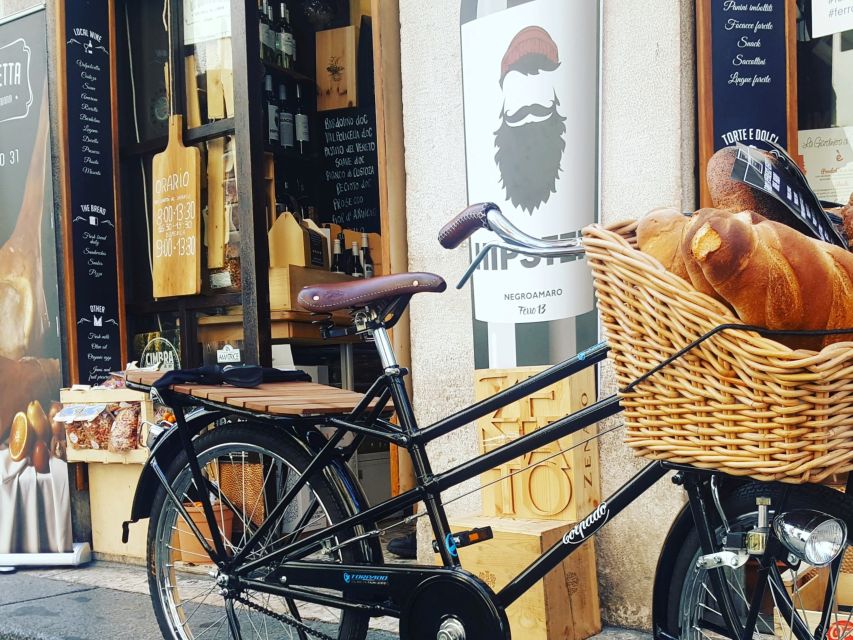
You’ll meet at the historic shop Botteghetta. The address matters, so don’t plan to improvise from memory while you’re hunting for it on foot. In Verona, small lanes and storefronts can look similar, and it’s easy to lose time before a short one-hour session.
This is not a big bus-parked kind of stop. It’s more like stepping into a working local deli world, where the wine tasting and the shop vibe belong to the same place. That matters because you taste in the same environment where the cured meats and cheeses are part of everyday life.
The tasting is guided in English, Italian, and Russian, so you can relax if you’re not fluent in Italian. You’ll also see how the host communicates the wines in plain language, not wine-club jargon.
One small practical note: check in about 15 minutes before the start time. With a tight duration, being late cuts into the most informative part.
Your 1-hour tasting rhythm: senses, water, and a guided pour
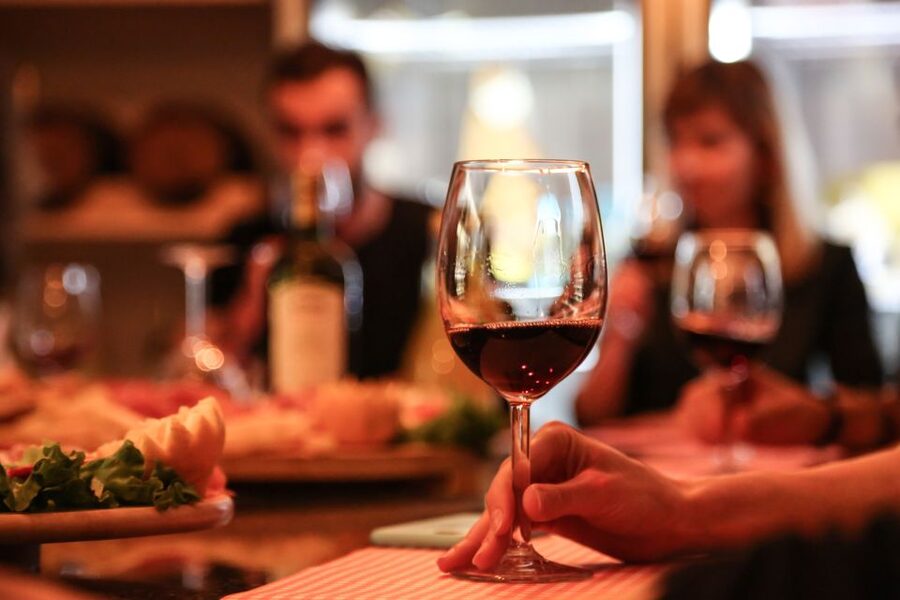
The whole experience runs for about 1 hour, which is perfect if you’re short on time but still want real guidance. Expect a structured flow: intro to the region, then tasting, then pairing with a meat-and-cheese platter.
At the center is the sommelier’s explanation of what you’re drinking. They’ll cover terroir of origin, grape variety, vinification, and the organoleptic characteristics (that’s the fancy term for smell and flavor impressions you can actually notice). The goal is that you leave with a vocabulary you can use again later, even if you don’t remember every detail.
You can also request still or sparkling water, which is a small thing that makes a big difference. It keeps the tasting from turning into a one-note blur and helps you reset between glasses.
In one part of the session, you may be invited to identify fruit notes or make quick guesses about flavors. It’s a fun way to slow down and pay attention, instead of just sipping while you chat.
Classico, Ripasso, Superiore: what changes in the glass
You taste three classics, and the smart move here is to treat them like a comparison set.
Valpolicella Classico
This is the baseline expression of the region. In most tastings, it’s the one that helps you calibrate your palate. You’ll likely focus on freshness, fruit character, and how the wine feels in the mouth.
Why this one matters: once you understand what “Classico” tastes like to the guide’s standards, the next wines feel more obviously different instead of just more intense.
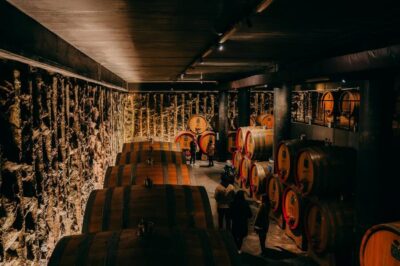
More cellars and tasting rooms around the city.
Valpolicella Ripasso
Ripasso is about transformation, and in the tasting context it often reads like a richer, deeper version of the same overall heritage. Your guide should walk you through how vinification decisions influence the final flavor profile.
Why this one matters for you: if you’ve ever found Valpolicella a little light or too easy to forget, Ripasso is usually where it starts demanding your attention.
Valpolicella Superiore
Superiore generally signals a step up in intensity or maturity expectations compared to entry-style bottlings. In this tasting, you’ll compare it against the first two so you can notice what changes first: aroma, body, finish, and overall structure.
Why this one matters: it’s a practical way to learn how the region communicates “style” through labeling, not marketing talk.
Throughout the tasting, the sommelier’s explanations help you connect those labels to real sensory differences. You don’t just taste three wines. You learn how to predict what the next pour will do.
Food pairings that taste like Verona: Monte Veronese and Soppressa
The platter is not an afterthought. It’s part of the tasting lesson.
You’ll snack on local products like cold cuts and cheeses, including Monte Veronese cheese and Soppressa salami. These are not generic cheese-and-cracker pairings. They’re local choices that support how Valpolicella wines typically read on your palate.
Monte Veronese brings a cheese presence that can stand up to red wine flavors without turning the pairing into a fight. Soppressa salami adds savory, cured-meat depth, which helps you notice changes in the wine’s spice and finish.
One extra practical detail: if you have dietary restrictions, you should advise the provider in advance. In at least one case, the session included vegetarian accommodations, meaning you won’t automatically be stuck with bread and awkward silence.
If you’re trying to decide whether this is a wine-first or food-first stop, it’s neither. The value is in the pairing logic—how each bite changes what you notice in the next sip.
Learning the terroir without the lecture: how the guide teaches
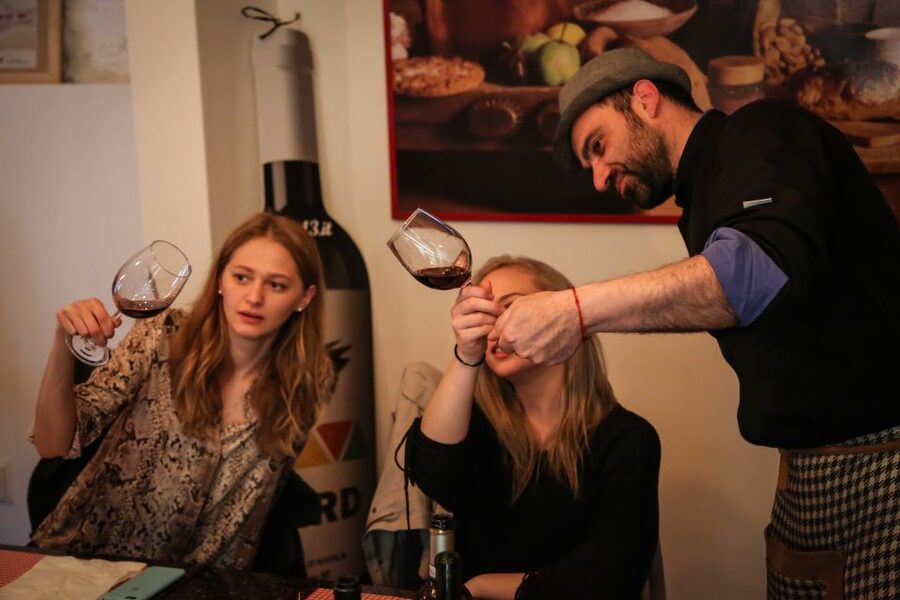
The best tastings don’t just tell you facts. They teach you how to listen with your senses.
Here, your guide explains grape variety and vinification in a way that connects directly to what you smell and taste. That makes it easier to remember. You’re not just hearing information; you’re using it in real time while you compare the three wines.
You’ll also learn about the region’s origin story, including the idea of a valley of many cellars and the long timeline of wine production that stretches back to Roman times. It sounds grand, but it stays grounded because it’s tied to why the wines exist as they do today.
One thing I appreciate is the “conversation” style. The host isn’t just running a script. Filippo has been mentioned as an easy person to talk with, and that helps if you’re curious but not ready for a classroom tone. Even if you’re not a wine expert, you can ask questions and get answers that make sense.
Price and value of a $53 tasting in Verona
At $53 per person for about 1 hour, you’re paying for three things: guided comparisons, guided food pairing, and a local setting that feels like Verona, not a themed tour factory.
Let’s break down the value logic.
First, three wines in one session is a lot more efficient than trying to buy and compare them on your own. Second, the sommelier’s explanations matter because they help you turn tasting into learning. That’s hard to replicate if you’re just sampling bottles randomly.
Third, the platter isn’t tiny. You’re getting meat and cheese along with the local snack rhythm that makes the wines easier to judge. If you’ve ever spent time and money on tastings where the food is basically decorative, you’ll appreciate that this one treats food as a proper part of the experience.
So for $53, the real question is simple: do you want wine knowledge plus a ready-to-go local snack pairing, in a short, guided hour? If yes, the math usually works out.
Languages, ID, and timing: practical stuff that keeps it smooth
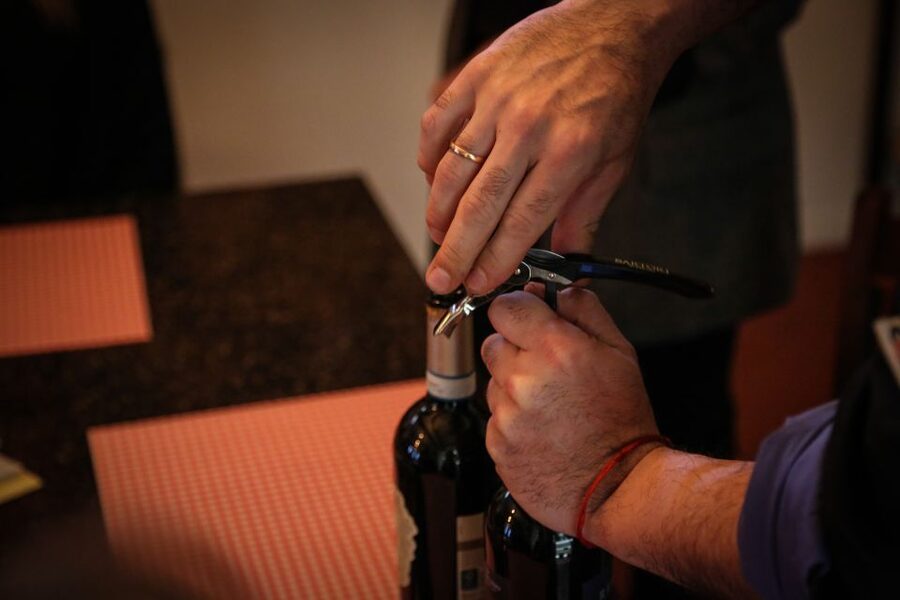
This tasting requires you to be 18+, so bring your passport or ID card. The host may also request a driver’s license in the name of ID verification, so it’s smart to have the right documents with you.
You’ll find the guide speaks English and Italian, with Russian also offered. That’s a big deal if you want to understand the explanation and not just smile politely.
Timing matters here because the session is short. Check in 15 minutes before the start time so you can settle in, start with water if you want, and begin without rushing through the most interesting part.
And if you have product intolerances, tell the provider ahead of time. The tasting includes meat and cheese, so it’s worth flagging needs early rather than making it a last-minute surprise.
Best for wine lovers, not for kids: who should book
This is designed for adults who want a structured but friendly taste of Valpolicella classics in Verona. It’s also a solid choice if you’re new to wine and want guidance that focuses on what you can actually notice.
It’s not meant for children under 18. If you’re traveling as a family, you’ll need another plan for the kids while you do this.
It also works well if you like small, local experiences over big sightseeing days. Because it takes place in a shop environment, it feels more like a local culinary stop than a formal winery visit.
One more consideration: because it’s a working shop environment, you might experience the occasional casual interruption if customers are buying items nearby. If you’re okay with that and you’re there for the tasting and pairing, you’ll likely feel right at home.
Should you book this Verona Valpolicella experience?
I’d book it if you want a fast, guided way to understand Valpolicella wines and you care about pairing them with real local food. The combination of three classic bottles plus a platter featuring Monte Veronese and Soppressa makes the hour feel practical, not rushed.
Skip it only if you’re looking for a long countryside winery tour with lots of driving and big scenery stops. This is a tasting-focused experience, and the value is in the comparisons and explanations, not in a day of travel.
If you’re the kind of person who likes learning through taste, this one is an easy yes. Bring your ID, arrive on time, and go with a curious mindset. You’ll leave with clearer instincts for what to look for the next time you see Valpolicella on a list.
FAQ
What is the duration of the Verona Valpolicella tasting?
The experience lasts 1 hour.
Which wines are included in the tasting?
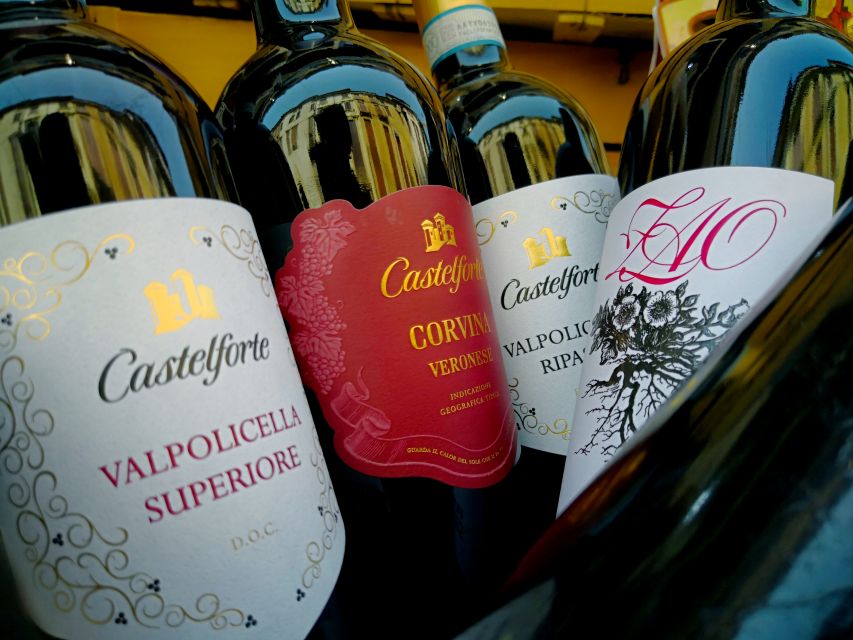
You’ll taste three wines: Valpolicella Classico, Valpolicella Ripasso, and Valpolicella Superiore.
Is there food included with the wine?
Yes. The experience includes a meat and cheese platter, with local options such as Monte Veronese cheese and Soppressa salami.
What languages are available for the guide?
The guide is available in English, Italian, and Russian.
Where is the meeting point?
You meet at the historic shop Botteghetta.
Do I need ID?
Yes. The minimum drinking age is +18, so bring your passport or ID card (and you may be asked for your driver’s license as well).
More Verona Cellars and Tastings
More Valpolicella and Amarone


More Tour Reviews in Verona

Weighing up other options? More ways to spend a day in Verona and out on Lake Garda




Verona Wine Tasting & Cellars, compared.
 ★ 4.9Valpolicella and Amarone Wine Tasting TourFrom $112560 reviews
 ★ 4.8Wine Tasting with Snacks and Panoramic ViewsFrom $53494 reviews
 ★ 4.5Discover Valpolicella Vineyards and Wine Tasting ExperienceFrom $84341 reviews
 ★ 5.0Amarone Wine-tasting Tour from Verona with Private TransportationFrom $151283 reviews
 ★ 4.8City Walking Tour with Cable Car & Wine AperitifFrom $81267 reviews
 ★ 4.5Lake Garda: Historic Castle Cruise with Wine TastingFrom $113241 reviews
 ★ 5.0Wine Tasting with Panoramic View of VeronaFrom $54240 reviews
 ★ 4.9Food and Wine Tasting Walking TourFrom $96238 reviews
Browse the lists this tour appears in