
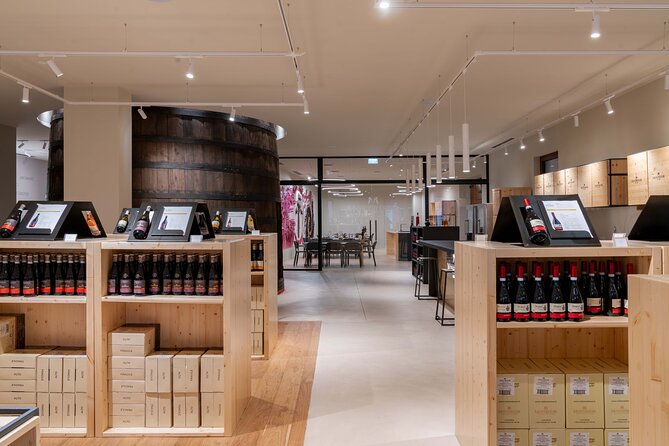
Reviewed · VERONA WINE TASTING & CELLARS
Valpolicella Wine Experience at Montresor winery
Amarone lovers and Valpolicella fans share one stop. What makes this visit work so well is that you start in the winery museum and then switch gears to a hands-on sensory aroma game, before ending with a structured tasting. I love that you can pick your style of lesson—classic Valpolicella vs a vertical Amarone flight—but one thing to weigh is that wine pours can feel small if you were expecting more liquid for the price.
This is also a smart Verona break when your calendar is tight. The experience runs about 1 hour 30 minutes, it’s in English, and you can choose start times that fit your day. Plus, the setting is in central Verona near public transport, with parking available if you’re driving.
Finally, the experience isn’t just wine talk. You get local bites (bread, olive oil, soppressa salami, and cheese), a host to guide the tasting, and a discount on bottles you decide to take home. If you’re the kind of person who likes learning how a winery thinks—not just what it sells—this format clicks fast.
In This Review
- Quick hits before you go
- Montresor in Verona: a winery stop that fits your day
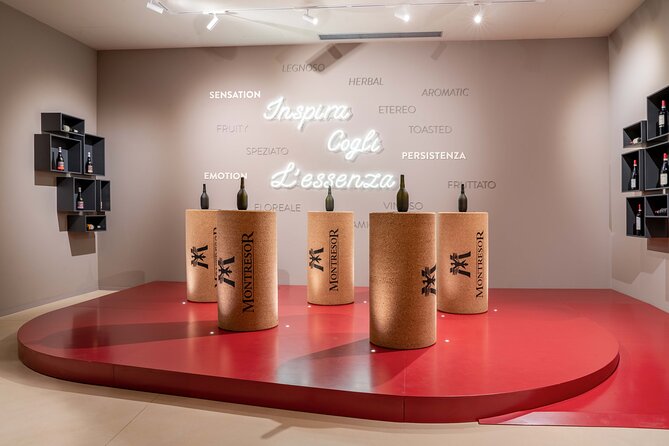
- Start at the Montresor Winery Museum: how the story is told
- The sensory room aroma game (and why it’s more than a gimmick)
- Choose your tasting: Valpolicella lineup vs Amarone vertical
- The classic tasting option: Valpolicella-focused flight
- The Amarone option: vertical tasting of Amarone DOCG
- A practical reality check on pours
- Snacks and pairings: why the food is part of the lesson
- Price and value: what $35 gets you (and how to decide on bottles)
- Who should book this wine experience in Verona?
- Tips to get the most out of the tasting
- Should you book the Montresor Valpolicella Wine Experience?
- FAQ
- How long is the Montresor wine experience?
- What tasting options can I choose?
- Is the tour offered in English?
- What does the tasting include?
- What’s included besides wine?
- Where is the meeting point?
- How can I get there from central Verona?
- What’s the minimum age to drink?
- Is there a refund if I cancel?
Quick hits before you go
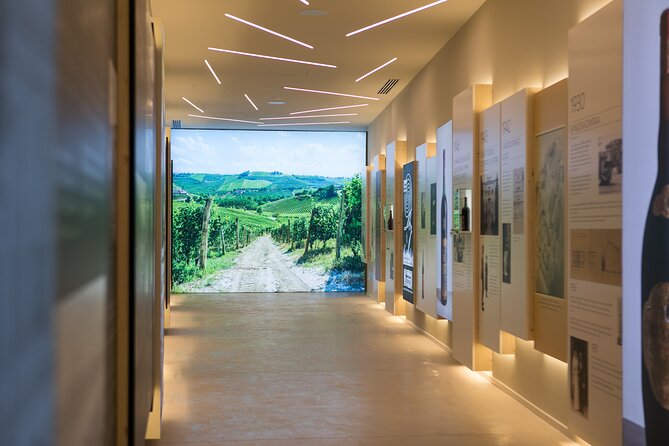
- Museum-first pacing: Start at the Montresor Winery Museum, then move into cellar areas where the wines’ aging style becomes part of the story.
- Sensory room aroma game: You practice identifying notes like black cherry, cocoa, licorice, and floral essences.
- Two tasting paths: Choose the classic Valpolicella option or an Amarone vertical tasting with five expressions of Amarone DOCG.
- Pairing that’s practical: Cured meats and cheese show you how flavor changes with food, not just in a glass.
- Small group feel: The tour caps at 20 people, so questions don’t vanish into the crowd.
Montresor in Verona: a winery stop that fits your day
Montresor’s Cantine Giacomo Montresor is at Via Ca’ di Cozzi, 16, 37124 Verona. The tour meets there and ends back at the same spot, so you don’t have to plan a second move once you’re done tasting.
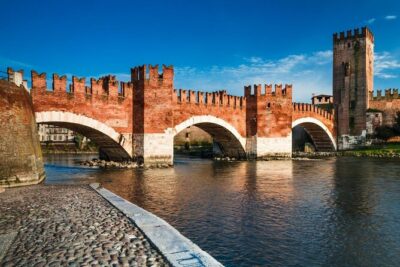
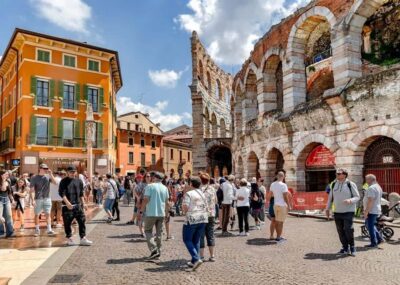
Getting there is pretty manageable. You can take a taxi (about 15 minutes from Arena) or use bus lines 21 or 93 from Castelvecchio Castle (from the side opposite the castle entrance). If you’re driving, parking is available at the winery. It’s also listed as near public transportation, which matters in Verona, where traffic and parking can be a headache.
Timing is another reason this works. The experience runs about 1.5 hours, and you can typically match it to your schedule by picking a start time. It’s offered in English with a specialist host, and the group size stays capped at 20 travelers—small enough to keep the visit from feeling like a rushed tasting line.
One more “good to know” note: it’s designed for people who want to learn, not just drink. Most people can participate, but parts of the tour may not be easy for reduced mobility, so if that’s a concern, it’s worth checking directly before you go.
Back into the Valpolicella hills for a glass of Amarone.
Start at the Montresor Winery Museum: how the story is told
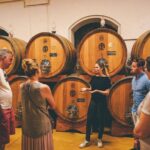
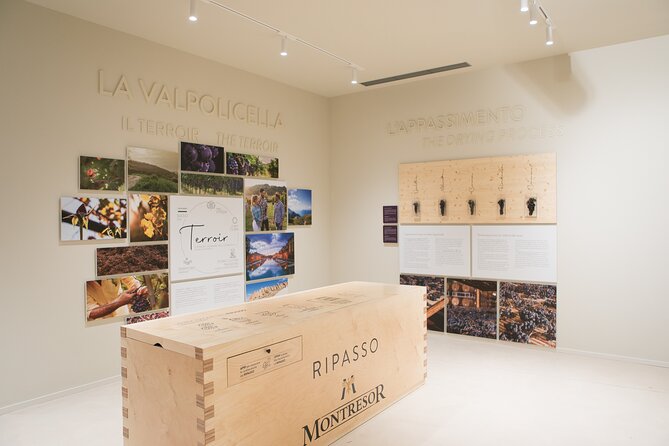
The experience begins where a lot of wine tours don’t: in the Montresor Winery Museum. Instead of jumping straight into glasses, you get a guided look at how Montresor connects to Verona and how vineyard and cellar practices have evolved over time.
A highlight here is the “virtual farmer” element. It’s built to explain the logic behind viticulture and winemaking steps—how decisions in the field and cellar shape the final wine. If you’re a beginner, that kind of framing saves you from tasting blind. If you’re more experienced, it helps you notice what you’re tasting rather than just describing it.
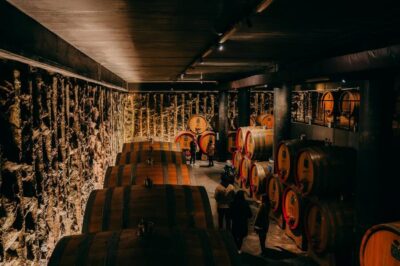
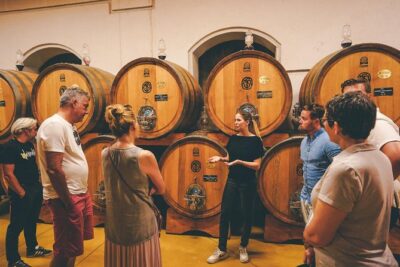
After the museum piece, the tour continues into the winery spaces where the wines develop structure and complexity as they mature. You’ll spend time in the barrique room, which is a key clue for understanding why some wines taste rounder, more layered, or more structured than others. This is where the tour earns its “not just a pour” label: the explanation is tied to physical places in the production process.
Past visitors have also praised the way guides bring this part to life—names like Leonardo and Emanuel / Emanuele show up in the guide stories. Even if your host is someone else, the format tends to stay the same: museum context first, then the cellar logic, then tasting.
The sensory room aroma game (and why it’s more than a gimmick)
One of the most memorable parts is the sensory room, built around an interactive aroma game. You get to test your nose, and you’re guided to identify common wine notes such as black cherry, cocoa, licorice, and floral essences.
This is one of those activities that seems small until you try it. Suddenly, tasting stops being an abstract skill and becomes a practice you can repeat later. Even if you never learned a “wine vocabulary,” this room helps you connect smells you might already recognize to the way wine is built.
For first-timers, it’s a confidence boost. For experienced tasters, it’s a useful calibration—how fast can you catch the same aromas across multiple glasses? It also makes the tasting phase easier to follow, because you’ve already trained your senses on the types of notes you’ll be hearing about.
The sensory room is also a good equalizer in a group. Some people focus on flavor. Others focus on the production story. This gives everyone something active to do in the middle, and it turns the tour into an experience rather than a lecture.
Choose your tasting: Valpolicella lineup vs Amarone vertical
This is the part where you get to decide your “wine personality.” You can choose between two tasting options, and the tour structure supports both.
The classic tasting option: Valpolicella-focused flight
If you pick the classic tasting, you’ll taste five Valpolicella wines, plus additional wines in the set. The lineup listed is:
- Lugana (white)
- Valpolicella Classico
- Valpolicella Ripasso
- Amarone
- Amarone Satinato
On top of that, the experience can include a Lake Garda white wines tasting option with four glasses, listed as:
- Lugana Campo Valentino
- Lugana satinato
- Bardolino Chiaretto (rosè)
- Bardolino red wine
That’s a nice range for one sitting. You’re tasting across styles (white, rosé, red) and across different regional characters connected to the Verona and Lake Garda area. It’s especially helpful if you’re not sure whether you prefer lighter reds, structured reds, or want to explore the bigger Amarone-style wines.
More cellars and tasting rooms around the city.
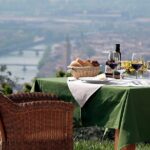
The Amarone option: vertical tasting of Amarone DOCG
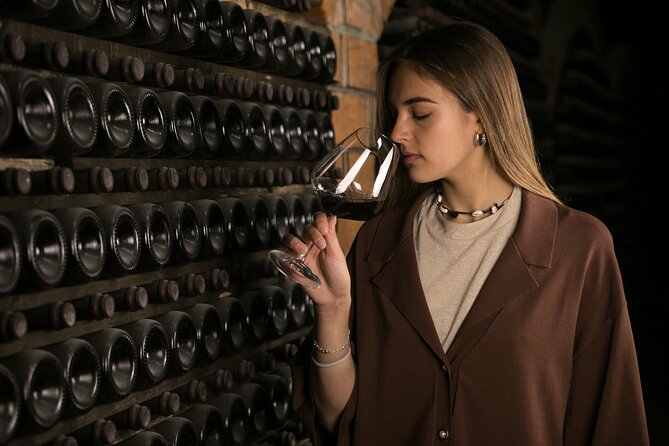
If you go with the more exclusive experience, you’ll do a vertical tasting of Amarone. The flight includes five different expressions of Amarone DOCG, and the emphasis is on how the wine’s body, intensity, and complexity evolve over time.
This matters because Amarone is often talked about as a single style, but a vertical tasting shows you that time changes everything: texture can shift, intensity can soften or deepen, and flavors can move from bold toward more layered tones. Paired with food, you’ll also see how Amarone behaves differently when it’s not alone in the glass.
The Amarone option also includes pairing with local cured meats and cheese, which makes the flight feel less like a test and more like a meal experience.
A practical reality check on pours
One caution from the overall feedback is that some people felt the pours were small for the money. That doesn’t mean the tour is bad—it does mean you should calibrate expectations. If you’re shopping for a big drinking session, this isn’t it. If you’re shopping for a guided tasting with education, pairing, and a museum component, it’s closer to what the price is designed for.
Snacks and pairings: why the food is part of the lesson
Food is included, and it’s not random filler. You get local bites such as bread, olive oil, soppressa salami, and cheese. The idea is simple: wine tastes different when it has something to work with.
That pairing style helps you learn faster. For example, soppressa’s salt and fat can make a structured red feel smoother, while cheese can highlight certain aromas that seem faint on their own. Bread and olive oil also reset your palate between sips, which keeps you from getting “stuck” in one strong flavor impression.
In the Amarone path, the pairing shifts slightly toward local cured meats and cheese, timed to the flight. That’s useful because Amarone is intense. If you only taste big wine with nothing to balance it, you can miss the nuance. With cured meats and cheese in the mix, you’re tasting how the wine behaves in real-world eating conditions.
Also, small groups help here. It’s easier to ask what to notice with the pairing—how the guide wants you to compare one glass to the next.
Price and value: what $35 gets you (and how to decide on bottles)
At $35 per person for about 1.5 hours, the value question comes down to what you count as “worth it.”
Here’s what you are paying for:
- A wine museum visit, including the sensory room
- A wine specialist host
- Included local snacks
- A structured tasting (either the classic Valpolicella option and related selections, or the Amarone vertical option)
- A discount on bottle purchases
If you like wine, the museum + sensory room combo is the anchor. Many tastings skip the learning spaces, but here you’re getting both: context and practice. The included snacks and pairing then connect the learning to something you can taste right away.
The potential drawback is that buying bottles after tasting can get expensive. One piece of feedback flagged that bottle prices were high, and that pours felt small. That’s a fair thing to think about before you fall in love with a label.
My practical advice:
- Treat the tasting as research. Use it to figure out what you actually want to buy.
- If budget is tight, decide on the day of tasting whether you’ll use the bottle discount or just enjoy the memory.
- If you’re aiming for quantity, you may want to pair this with an additional low-cost stop for more casual drinking afterward.
Who should book this wine experience in Verona?
This works for wine lovers of all levels. If you’re new, the museum and aroma game give you tools. If you’re more serious, the barrique room context and the Amarone vertical tasting help you understand structure and time-based changes.
It’s also a good choice if you want something scheduled but not stressful. You choose a tasting path, you get guided pacing, and the total time is short enough to keep your afternoon intact.
I’d be a little careful if:
- You’re expecting large pours or a drinking-heavy session.
- You have mobility concerns, since some parts may be harder to access.
- You’re visiting with very strict dietary needs beyond what’s listed (the included items are bread, olive oil, soppressa salami, and cheese; the exact menu isn’t detailed beyond that).
If you want a Verona experience with a Verona brain—history of how the winery thinks, plus a hands-on tasting—you’re in the right place.
Tips to get the most out of the tasting
A few small moves help this tour land better:
- Use the sensory room to train your “first impression.” When you smell black cherry, cocoa, or licorice in that game, you’ll catch echoes of it later in the tasting.
- Compare wines in pairs. For the classic path, try to notice differences between Valpolicella Classico and Valpolicella Ripasso before you start chasing the Amarone notes.
- In the Amarone vertical, focus on how the wine feels in your mouth over time—do you notice intensity changing, or is it more about structure and complexity?
- Take a quick note right after each glass. One minute on paper makes it easier to remember what you liked when you’re staring at bottle shelves afterward.
- Ask your host what to notice with the pairing you’re being served. The food is part of the lesson, not a side quest.
If your group is led by someone like Leonardo or Emanuel / Emanuele (names that have shown up in past guide notes), don’t be shy about questions. This format is built for conversation during tasting, not silence.
Should you book the Montresor Valpolicella Wine Experience?
If you want a Verona wine stop that mixes learning, sensory practice, and a real tasting payoff in about 1.5 hours, I think it’s a strong yes. The museum start and sensory room aroma game make the experience feel more meaningful than a standard “sit and sip” deal, and the choice between classic Valpolicella and the Amarone vertical gives you control over what you want to taste.
Skip it only if your main goal is heavy drinking quantity or if you’re not interested in any structured wine education at all. Also, if bottle prices might be a concern for you, go in knowing you can simply enjoy the tasting and decide later.
In short: book it if you like your wine with context, and if you enjoy tastings where your nose and palate both get used.
FAQ
How long is the Montresor wine experience?
It runs about 1 hour 30 minutes.
What tasting options can I choose?
You can choose either a classic tasting featuring five Valpolicella wines (plus selections listed for the full tasting set) or a more exclusive Amarone vertical tasting with five expressions of Amarone DOCG.
Is the tour offered in English?
Yes, the experience is offered in English.
What does the tasting include?
The Valpolicella option includes a set of five glasses (including Lugana, Valpolicella Classico, Valpolicella Ripasso, Amarone, and Amarone Satinato). The Amarone option includes five Amarone DOCG expressions, paired with local cured meats and cheese. Local snacks are also included.
What’s included besides wine?
You get the Wine Museum Visit, including the Sensory Room, a wine specialist host, and included local bites such as bread, olive oil, soppressa salami, and cheese. There’s also a discount on bottle purchases.
Where is the meeting point?
You meet at Cantine Giacomo Montresor, Via Ca’ di Cozzi, 16, 37124 Verona VR, Italy and the experience ends back there.
How can I get there from central Verona?
You can take a taxi (about 15 minutes from Arena) or bus 21 or 93 from Castelvecchio Castle (opposite the entrance). There is parking available at the winery.
What’s the minimum age to drink?
The minimum drinking age is 18 years.
Is there a refund if I cancel?
You can cancel for a full refund up to 24 hours before the start time. If you cancel less than 24 hours before, you won’t receive a refund.
More Verona Cellars and Tastings
More Valpolicella and Amarone
More Tour Reviews in Verona

Weighing up other options? More ways to spend a day in Verona and out on Lake Garda




Verona Wine Tasting & Cellars, compared.
 ★ 4.9Valpolicella and Amarone Wine Tasting TourFrom $112560 reviews
 ★ 4.8Wine Tasting with Snacks and Panoramic ViewsFrom $53494 reviews
 ★ 4.5Discover Valpolicella Vineyards and Wine Tasting ExperienceFrom $84341 reviews
 ★ 5.0Amarone Wine-tasting Tour from Verona with Private TransportationFrom $151283 reviews
 ★ 4.8City Walking Tour with Cable Car & Wine AperitifFrom $81267 reviews
 ★ 4.5Lake Garda: Historic Castle Cruise with Wine TastingFrom $113241 reviews
 ★ 5.0Wine Tasting with Panoramic View of VeronaFrom $54240 reviews
 ★ 4.9Food and Wine Tasting Walking TourFrom $96238 reviews
Browse the lists this tour appears in