
Reviewed · VERONA FOOD TOURS
Truffle Hunting with Wine Tasting
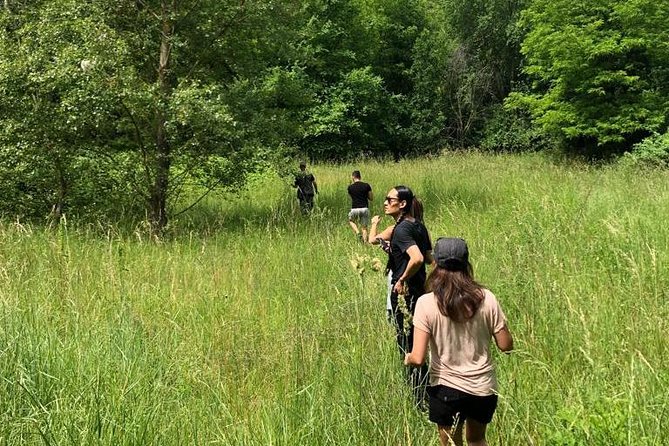
Find hidden truffles, then sip Amarone in peace. This Verona-area outing turns a simple countryside walk into a truffle hunt with a Tartufaro guide and wine tasting built around the Valpolicella story.
What I like most is the hands-on feel: you’re out in the woods searching for scorzone (black summer) truffles, not just listening to a lecture. I also like how the food and wine come right after the hunt, with Valpolicella and Amarone pairings that make the aromas easier to understand. One thing to consider is that truffle hunting depends on seasonal closure and availability, so the experience can shift toward the vineyard, cellars, and farmhouse instead.
The small group size (up to 12) helps keep it personal, and you’ll start and end back at the meeting point in Verona. When Hilária welcomed one group warmly, it set the tone fast—and that kind of calm, organized feel matters when you’re heading into nature.
In This Review
- Key Highlights at a Glance
- Why This Verona Truffle Hunt Feels Worth Your Time
- Getting Ready in Verona: What to Bring and What to Expect
- The Tartufaro Hunt: Scorzone Truffles and a Dog That Does the Work
- Wine Tasting That Actually Connects to the Hunt
- Lunch: Truffle Pasta, Cheese, Salami, and Local Bites
- The Terrace Experience Over Valpolicella
- When Truffle Hunting Can’t Happen: Vineyard, Cellars, and Farmhouse Plan
- Price and Value: Is $192.22 Fair for 2.5 Hours?
- Who This Tour Suits Best (and Who Might Want Another Option)
- Should You Book This Truffle Hunting and Amarone Tasting?
- FAQ
- Where does the tour start and end?
- How long is the truffle hunting and wine tasting experience?
- Is this tour offered in English?
- What happens if truffle hunting is closed or not available?
- What food and wine are included?
- Do I need to be fit, and is it stroller-friendly?
- What should I wear?
- How many people are in the group?
Key Highlights at a Glance
- Private truffle-hunting format in the Verona countryside, guided by a Tartufaro specialist
- Truffle scent skills: you’ll learn how forest aromas connect to Amarone character
- Valpolicella to Amarone tasting (including Valpolicella, Ripasso, and Amarone)
- Truffle-forward lunch with truffle pasta plus local bites like aged cheese and salami
- Terrace tasting over Valpolicella views, made for unhurried wine time
- Plan B if truffles aren’t possible, shifting to the property tour of vineyard, cellars, and farmhouse
Why This Verona Truffle Hunt Feels Worth Your Time
Verona is easy to do in a day. What’s harder is finding a countryside experience that feels like it belongs to the place, not like a show put on for tourists. This is built around one very local thing: truffles. Then it uses wine—Valpolicella and Amarone—to explain what you’re tasting and smelling, right after you’ve been out hunting in the woods.
I like that the format is tightly linked. You don’t just hunt and then wander off. You hunt, you learn, you taste, you eat, and the whole chain makes sense. If you’re the kind of traveler who enjoys small sensory moments—earth, leaves, damp air—this works.
The big practical upside: the total time is about 2 hours 30 minutes. That’s long enough to feel like a real experience, but short enough that you don’t lose your whole day to planning and transit.
More Veronese bites, from fried snacks to Monte Veronese cheese.
Getting Ready in Verona: What to Bring and What to Expect
You meet in Verona (VR, Italy) and the activity ends back at the meeting point. That round-trip structure is helpful if you’re building your day around other Verona sights, because you’re not locked into a long return window.
The tour starts with the basics—confirmation at booking time, and a mobile ticket you can show on your phone. It’s also described as being near public transportation, which means you’re not forced into a taxi-first plan.
The more important part is your clothing and shoes. This is nature walking, with a moderate physical fitness level expectation and “sport clothing” requirements. Bring:
- trekking-style shoes (you’ll be happier if you can handle uneven ground)
- sun protection, plus a hat and sunglasses
- a sweater or extra layer (you’re in open countryside and the air can change)
A helpful mental note: plan to move at walking pace for a decent chunk of time. This is not a sit-down tasting where you can stay perfectly still.
The Tartufaro Hunt: Scorzone Truffles and a Dog That Does the Work
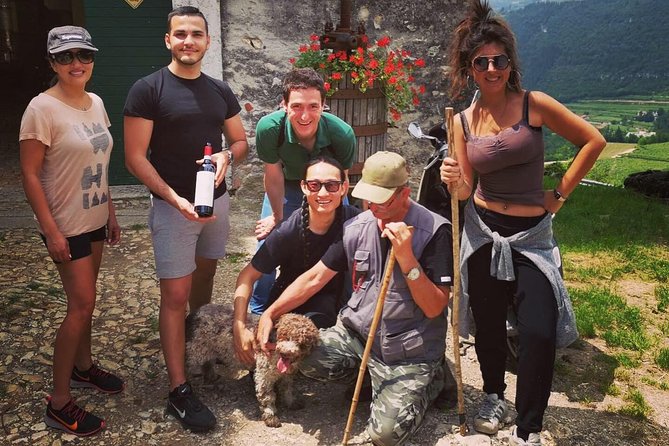
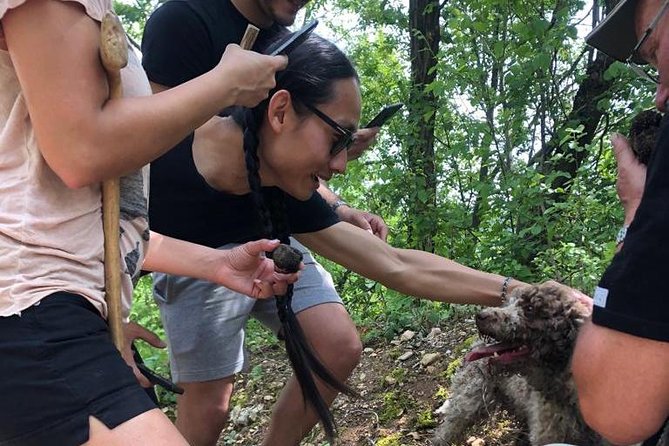
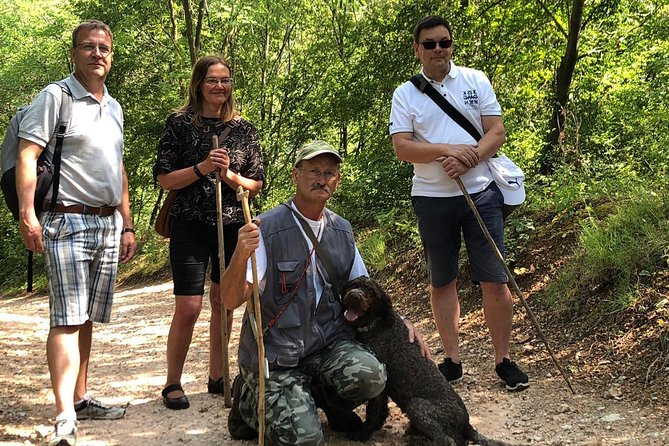
The star of the show is the hunt with an expert Tartufaro guide and a trained dog. The dog’s job is the practical part—finding the spots where truffles may be hidden—while you benefit from the guide’s ability to read the situation: where the forest conditions look right and how to think about truffle aromas.
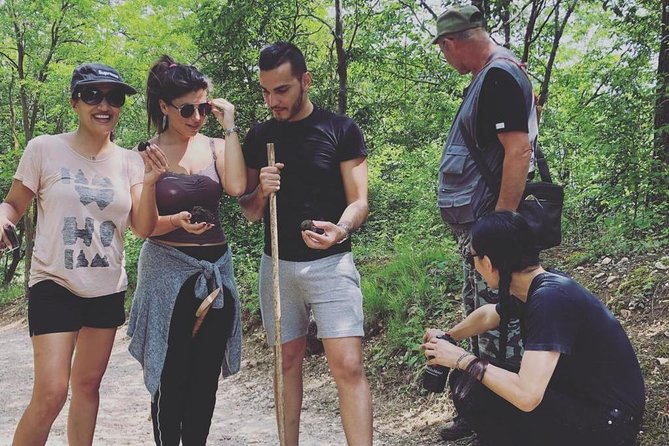
You’re hunting scorzone (black summer) truffles in the woods and lands around Verona. That detail matters because “truffle season” is not one-size-fits-all in Italy. This one is tied to scorzone timing, which is part of why the tour notes that truffle hunting can close seasonally or vary by availability.
So here’s how to set your expectations in a useful way:
- If hunting is running, you’ll experience the woods as a living, scent-driven space.
- You won’t be doing complicated tasks; you’ll be observing, learning, and walking.
- The dog makes it feel fun and efficient, not like a scavenger game where everyone flails around.
One more reason this section is memorable: the guide can explain why the forest smells the way it does, and why those notes overlap with what you later detect in wine. That connection is easy to appreciate when you’ve just been outside.
Wine Tasting That Actually Connects to the Hunt
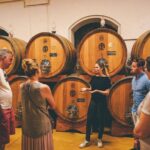
After the hunt, you go into the tasting with a clearer nose. The tour is built around the Valpolicella region and its grape-to-wine personality, including Valpolicella, Ripasso, and Amarone.
What makes this portion valuable is the sequencing. You taste the wines after you’ve been smelling the forest. That sets you up to notice aroma direction, not just sweetness or acidity.
In particular, Amarone is treated as more than a label. The experience highlights:
- the intense aromas you’re likely to notice
- how those aromas relate to the forest fragrances you encountered during the hunt
- what the guide helps you listen for as you taste
This is where a small group (up to 12) helps. You can ask questions, and the guide’s explanations don’t get buried under a wall of noise.
Even the name Tenuta Santa Maria Valverde shows up as part of what you’re tasting. It’s not just “wine in a room.” It’s a winery setting tied to the Valpolicella story, and that context makes the tasting more meaningful.
Lunch: Truffle Pasta, Cheese, Salami, and Local Bites
Food is included, and the way it’s designed makes sense: it follows the truffle hunt so you’re eating with the right context.
Your sample menu includes:
- guided tasting of local wines (Valpolicella, Ripasso, Amarone)
- truffle pasta as a first course
- local food bites such as aged cheeses and salami
- a special chutney (listed as part of the local bites)
A practical point: this is the kind of meal where your senses are already “on.” After the walking and the search, your appetite is usually good. That’s when the truffle flavors do their best work—warm pasta, savory cheese, and cured meats give you the range to notice subtle aroma changes.
If you’re worried about being overwhelmed (too much food, too much wine), pace matters. Take small tastes, sip water between pours if you need to, and enjoy the slow shift from forest to cellar flavors.
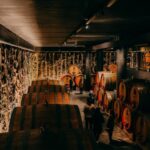
More cellars and tasting rooms around the city.
The Terrace Experience Over Valpolicella
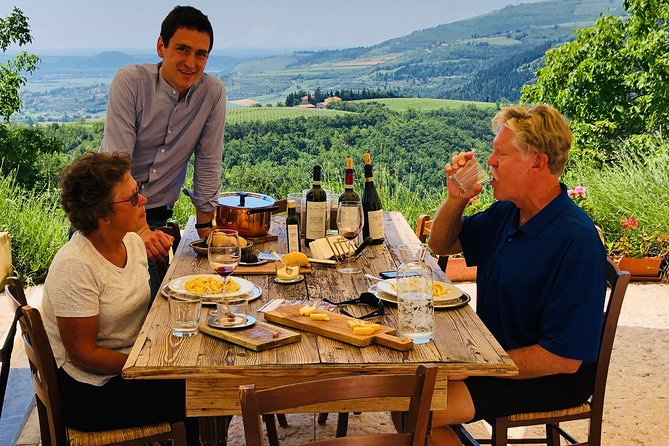
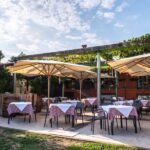
Tasting doesn’t happen only inside. Part of the experience is enjoying flavors from a terrace with views over the Valpolicella region.
Terrace time matters more than you might think. It’s a break from the sensory intensity of the hunt. You can settle your breathing, look out over the hills, and let the aromas in the glass become easier to separate.
If you like your wine with atmosphere—light wind, open air, and a calm pace—this is a major reason people rave about the tour’s overall flow. And if you’re visiting in warmer months, the terrace can be a relief after time in the countryside.
When Truffle Hunting Can’t Happen: Vineyard, Cellars, and Farmhouse Plan
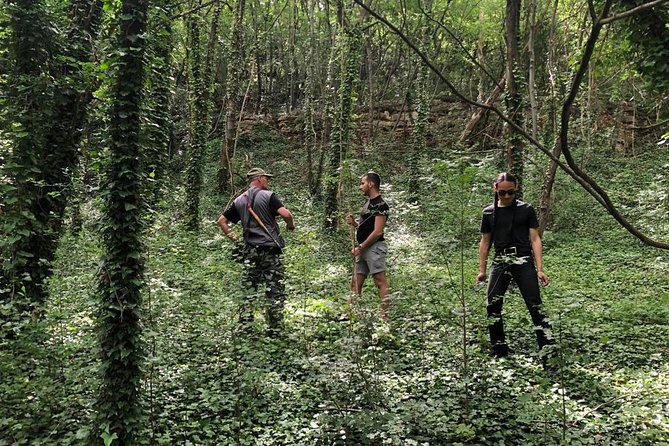
Here’s the one part of the tour you should plan around: truffle hunting is seasonal and may close due to availability.
The good news is that your experience isn’t simply canceled or replaced with something unrelated. If truffle hunting isn’t possible in that situation, the excursion can be replaced with a visit to:
- the vineyard
- the cellars
- the farmhouse
That plan B keeps the theme intact. You still get the property context and the wine side of the story, and you still spend time in the working-world where truffles and wine belong together.
My advice: treat the hunt as the highlight, but treat the entire property visit as the full package. That way, you’re not disappointed if Mother Nature has other plans.
Price and Value: Is $192.22 Fair for 2.5 Hours?
At $192.22 per person for about 2 hours 30 minutes, this isn’t a budget activity. But it also isn’t trying to be.
Here’s what you’re paying for, in practical terms:
- a specialized Tartufaro guide
- use of a trained dog for truffle searching
- wine tasting that includes Valpolicella, Ripasso, and Amarone
- truffles and local food (truffle pasta plus aged cheese, salami, and chutney)
- a small group cap (maximum 12 travelers), which helps keep attention on you
If you’re comparing it to a tasting-only tour, the hunt part is what changes the value. If you’re comparing it to a private wine tour with lunch, the truffle theme adds real experiential weight—and the sequence makes it feel more “earned” than a stop that just hands you a plate.
Booked about 38 days in advance on average, which suggests it’s not the kind of thing you want to leave until the last minute if you’re traveling during a busy season.
Who This Tour Suits Best (and Who Might Want Another Option)
This works best if you:
- enjoy walking in nature and can handle uneven ground
- want a true countryside experience outside Verona’s core sights
- like wine, but especially like learning how aromas connect
- think a truffle hunt sounds fun as a story and a sensory activity
It’s also described as suitable for children who can walk, and the pace is framed as moderate fitness.
The main reason to reconsider is if you’re not comfortable with walking outdoors. Even with the short duration, it’s still time on the ground in natural areas. Also, if you’re only interested in truffle hunting as the one must-do, remember the seasonal/availability reality—and plan to enjoy the winery alternative if hunting isn’t possible.
Should You Book This Truffle Hunting and Amarone Tasting?
I’d book this if you want more than a standard tasting. The best version of this experience is when the hunt runs, then the tasting and meal follow right after, and you’re able to notice the aroma connections the guide points out.
It’s also a smart choice if you’re doing Verona for a few days and you want one rural, hands-on anchor day. With up to 12 people, an organized start and finish, and included food and wine, it’s the kind of day trip that gives you a strong story to take home.
If truffle hunting closures worry you, don’t treat that as a deal-breaker. The property visit to vineyard, cellars, and farmhouse keeps the day tied to the same place and theme. Just go in knowing the woods are in charge of the timing.
FAQ
Where does the tour start and end?
It starts in Verona, VR, Italy, and ends back at the meeting point.
How long is the truffle hunting and wine tasting experience?
The duration is about 2 hours 30 minutes.
Is this tour offered in English?
Yes, it’s offered in English.
What happens if truffle hunting is closed or not available?
Truffle hunting may be replaced with a visit to the vineyard, the cellars, and the farmhouse.
What food and wine are included?
You’ll have a guided wine tasting of local wines (Valpolicella, Ripasso, Amarone) and a meal that includes truffle pasta and local food bites such as aged cheeses, salami, and a special chutney.
Do I need to be fit, and is it stroller-friendly?
The tour calls for travelers with moderate physical fitness. You should be used to walking in nature. It’s suitable for children who can walk.
What should I wear?
Sport clothing is required, including common trekking shoes and sun protection like a hat and sunglasses, plus a sweater.
How many people are in the group?
There’s a maximum of 12 travelers.
More Verona Cellars and Tastings
More Verona Food Tours

More Tour Reviews in Verona

Weighing up other options? More ways to spend a day in Verona and out on Lake Garda



Verona Food Tours, compared.
 ★ 4.8Gelato Making ClassFrom $74348 reviews
 ★ 5.0Verona All in one: Food Walking Tour, Lunch & WineFrom $114342 reviews
 ★ 4.9Food and Wine Tasting Walking TourFrom $96238 reviews
 ★ 4.3Guided Food Tour with Wine Tasting in VeronaFrom $80229 reviews
 ★ 5.0Verona Full Meal & Wine Tasting Walking Tour by Do Eat BetterFrom $99197 reviews
 ★ 5.0Homemade Gelato Making Class in VeronaFrom $83146 reviews
 ★ 4.8Lazise: Wine Tasting with Charcuterie and Cheese BoardFrom $37139 reviews
★ 4.5Guided Food Tour with Wine Tasting in VeronaFrom $7678 reviews
★ 4.8Lazise: Wine Tasting with Charcuterie and Cheese BoardFrom $37139 reviews
★ 4.5Guided Food Tour with Wine Tasting in VeronaFrom $7678 reviews
Browse the lists this tour appears in