
Reviewed · VERONA WALKING TOURS
1.5 Hour Food Tour in Verona with Tastings & Sightseeing
Chocolate and olive oil right in the street. This 1.5-hour Verona walk mixes tastings with a guided loop through the UNESCO-listed historic center, hitting places like Castelvecchio and the Porta Borsari walls while your guide connects what you eat to the city around you. I especially love the live guide stories (the kind that help you notice details you’d miss) and I like how the food stops feel local, not touristy. The main drawback to consider is diet limits: they can’t accommodate gluten and lactose allergies, and gluten intolerance makes it a no-go.
You’ll start with a meeting at the Redoro oil shop area near Corso Porta Nuova, then move on through key squares and landmark viewpoints at an easy walking pace. Expect a small group (limited to 10), in English or Italian, and a tour format that’s built for sampling—so come hungry, but don’t expect a full meal that replaces dinner.
In This Review
- Key Highlights You’ll Actually Use
- Value Check: Is $51 Worth 90 Minutes in Verona?
- Starting at Redoro: Verona Olive Oil Tasted Like a Local
- Corso Porta Nuova to the Walls: Medieval Clues and Tough History
- Piazza Bra and Lapidario Maffeiano: Quick Stops That Add Context
- Castelvecchio Bridge to Porta Borsari: Stone Landmarks in Real Time
- Pizza and Olive Oil: Verona Street-Food Style the Smart Way
- Chocolate Stop: A 1970 Shop With Savoy Roots
- Verona UNESCO Center Sights: How Stories Make the Walking Easier
- Finishing at Flego: Risino, Rice Tradition, and the Sweet Wrap-Up
- Who This Tour Suits Best (And Who Might Be Happier Elsewhere)
- Should You Book This Verona Food Tour?
- FAQ
- How long is the Verona food tour?
- What is included in the tastings?
- Where do I meet the guide?
- What languages is the live guide available in?
- Is the tour suitable for gluten intolerance or lactose allergy?
- How big is the group?
- Are museum or attraction entrance fees included?
- What’s the cancellation and payment setup?
Key Highlights You’ll Actually Use
- Redoro olive oil tasting (classic, spicy, truffle): you’ll understand what each oil is for beyond taste alone.
- Street-food style pizza and bruschetta with extra-virgin olive oil: a Verona-friendly take on familiar Italian comfort food.
- Historic-center sightseeing in bite-size moments: quick stops at major sights without turning the tour into a long museum day.
- 1970-founded chocolate shop history: learn how Italian chocolatiers grew from court service to everyday sweets.
- Pasticceria Flego Risino finish: a finger-cake with custard and rice that matches Verona’s rice tradition.
- Top guides like Leonardo, Christina, and Miriam: guests praised guides who point out details and stay flexible with the group.
Value Check: Is $51 Worth 90 Minutes in Verona?
For $51 per person, you’re paying for three things at once: guided city context, multiple tastings, and local access (the oil shop and patisserie/café stops). If you were to do the walking sights on your own, you’d still need a guide to explain what you’re looking at—especially around Roman and medieval clues tucked into the center.
The food portion is definitely the star. You’ll taste street-food style pizza, bruschetta with extra-virgin olive oil, three chocolate selections, and Risino (a custard-and-rice finger cake). That said, one sensible expectation: this tour is tasting-focused, not a sit-down banquet. Some people found the mix heavy on sweets, so you may still want a proper dinner afterward.
More of the centro storico on foot with a guide.
Starting at Redoro: Verona Olive Oil Tasted Like a Local
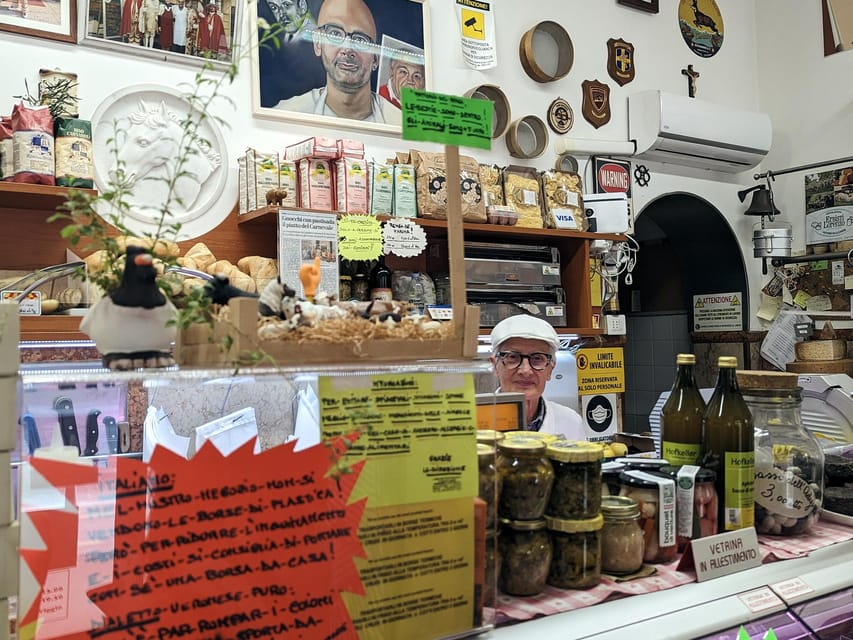
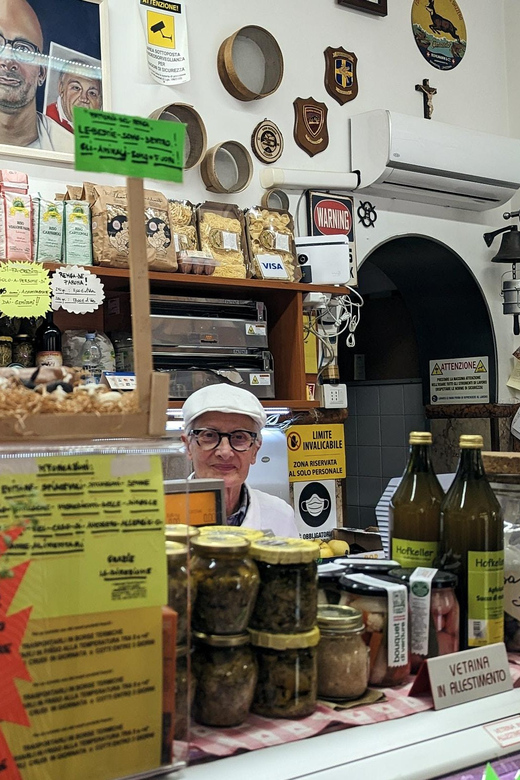
The tour begins in Corso Porta Nuova near the Redoro oil mill shop area, where you’ll meet your guide in front of the bruschetta shop with little olive trees around, a grill nearby, and medieval-wall arches with a clock in view. It’s a practical start—easy to find, and you’re already in the right neighborhood to connect food with street life.
The olive oil tasting is more than a polite sample. You try three varieties: classic, spicy, and truffle. The value here is that you’re learning how olives and oil culture link to how Italians cook every day, especially around Verona and Lake Garda. It makes later bites (like bruschetta) feel less random and more intentional.
If you’re the kind of person who always wonders what to buy in a shop like this, pay attention to how the guide talks about flavor use. Even if you don’t buy anything, the tasting gives you a better sense of what different oils taste like in real culinary roles.
Corso Porta Nuova to the Walls: Medieval Clues and Tough History
After the first food moment, you move into sightseeing mode with a guided walk along Corso Porta Nuova. This stretch is where Verona’s layers start showing clearly: medieval walls nearby, plus Fascist-era buildings you can’t really ignore once your guide points them out.
One of the best parts of this style of tour is learning what to look for. Instead of treating Verona as postcard-only, you get a guided way to see the city as it actually is—stone built across centuries, with political history written into architecture and street placement.
Your guide also points out cues tied to museums and Roman artifacts, including Roman bust references you can follow up on later. The stops are short, but the payoff is bigger: you leave knowing what to search for when you go exploring again.
Piazza Bra and Lapidario Maffeiano: Quick Stops That Add Context
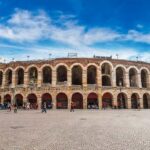
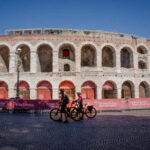
You’ll spend a brief moment around Piazza Bra, a central Verona square that works as a natural transition point. It’s ideal for a walking tour because you’re positioned to get views and orientation without losing time.
Then you get a short stop at Museo Lapidario Maffeiano, where the focus is on the Roman angle. Even if you don’t go inside on this particular tour, the guiding explanation helps you connect the Roman references you’ll see later in the city. It’s a smart format for limited time in Verona: a two-minute story can save you an hour of guesswork later.
A small consideration: these sight sections are intentionally short. If you want long, slow museum time, you’ll likely want to add that separately.
Castelvecchio Bridge to Porta Borsari: Stone Landmarks in Real Time
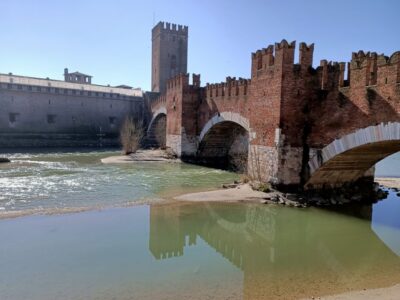
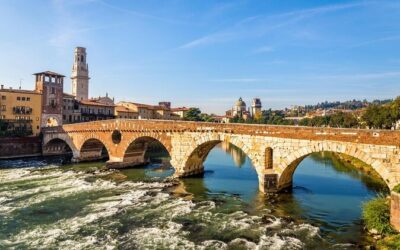
As you walk, the tour keeps landing on iconic pieces of Verona’s historic center, starting with the Castelvecchio Bridge area. Castelvecchio itself is one of those places where even a quick stop makes the scale feel real, and it’s the kind of anchor point that helps your brain map the city.
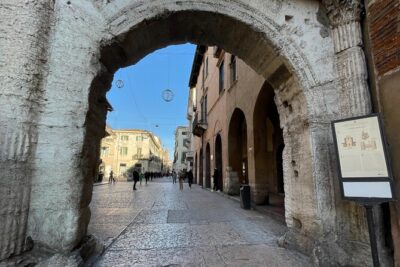
Next up: Porta Borsari. You’ll spend time here because it’s one of the sights that makes Verona feel Roman even if you’re standing in the middle of modern streets. The tour’s strength is that it doesn’t just show you “a gate.” Your guide’s explanations help you understand why gates like this mattered, and why the surrounding walls still feel purposeful.
From a practical standpoint, these sections also break up the eating so you don’t feel stuffed too fast. You get food, then you walk it off while learning.
More Veronese bites, from fried snacks to Monte Veronese cheese.

Pizza and Olive Oil: Verona Street-Food Style the Smart Way
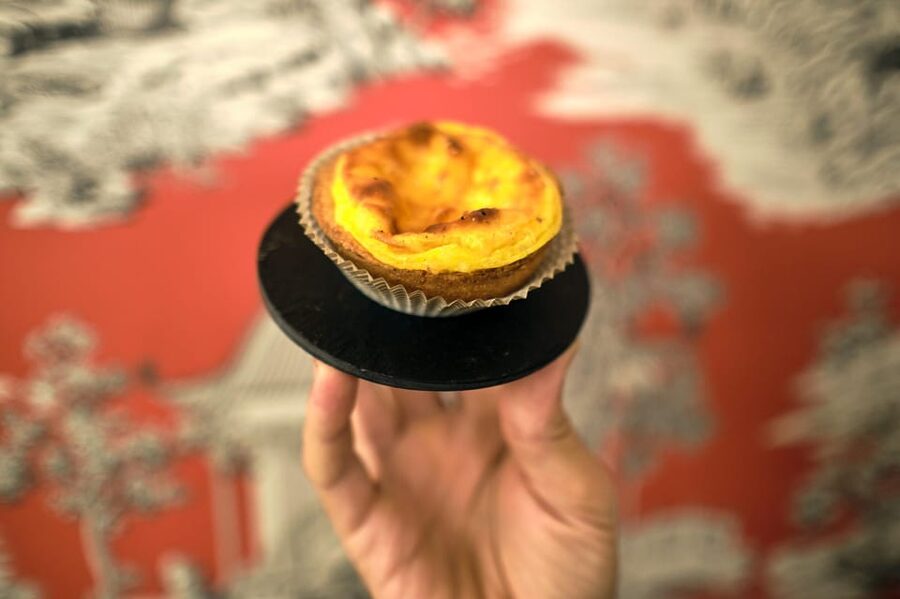
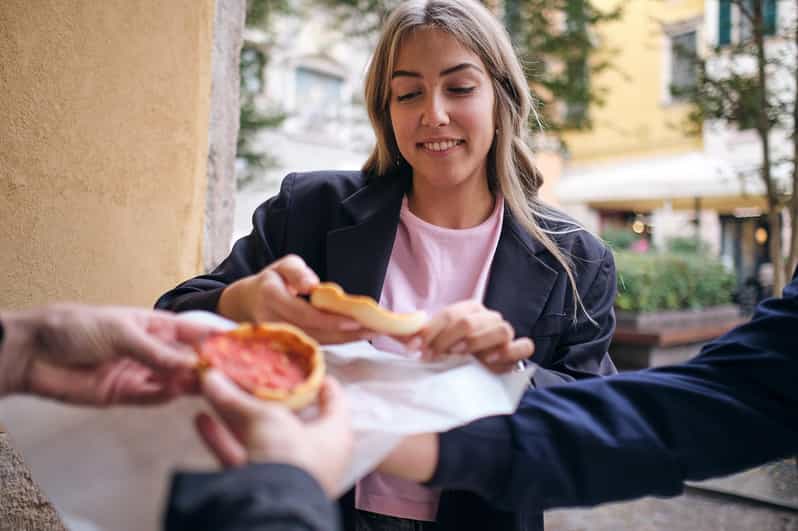
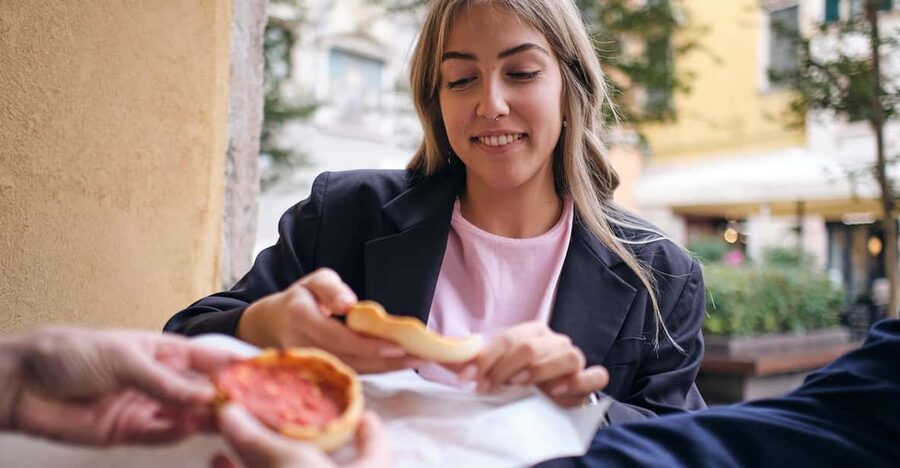
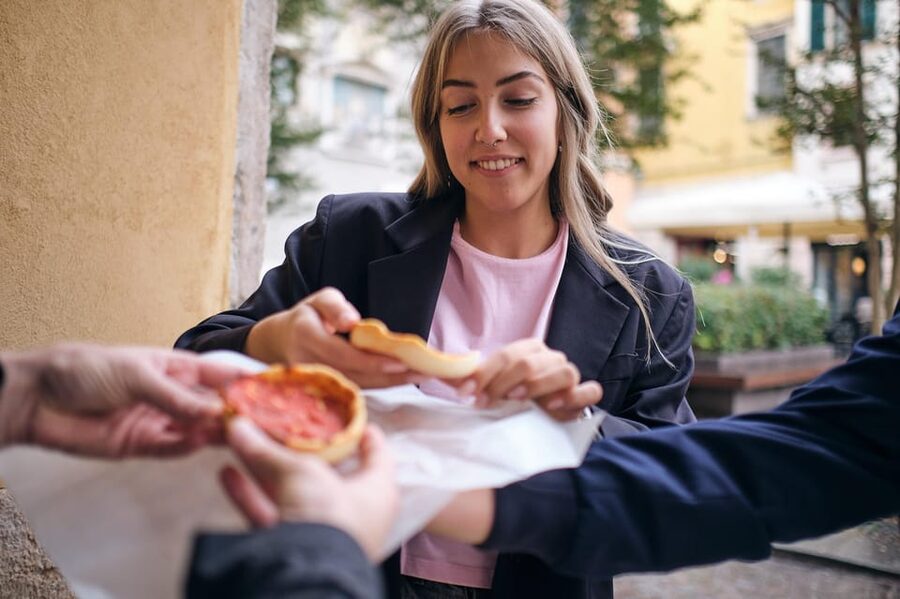
One tasting stop is dedicated to street-food style pizza. This is where the tour becomes fun in a very real, everyday-food way. You’ll learn how pizza has local adaptations from its Neapolitan origins, including a Verona version linked to the Boscaini family after they visited southern Italy.
The description that matters most: this adaptation uses a soft dough made with milk and a tomato sauce seasoned with classic Italian spices. The point isn’t just the recipe trivia—it’s that Verona treated pizza as something to translate for local tastes and techniques, not something copied exactly from elsewhere.
You also get bruschetta paired with extra-virgin olive oil earlier on, so you’re tasting how olive oil changes simple bread-and-tomato flavors. If you’ve ever had olive oil that tasted mostly like bitterness or grass, this is a good chance to reset your expectations. The oil varieties you started with make the later bites easier to taste and compare.
Chocolate Stop: A 1970 Shop With Savoy Roots
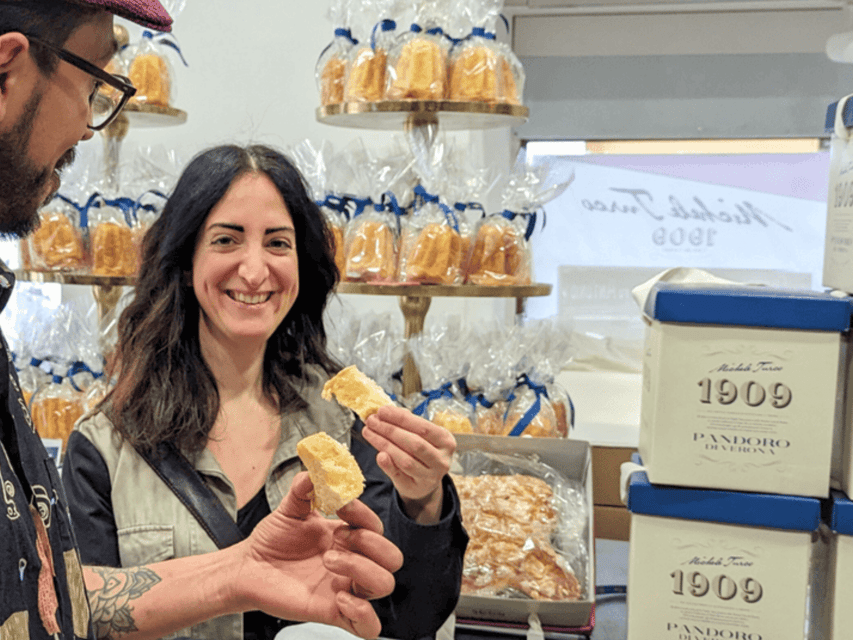
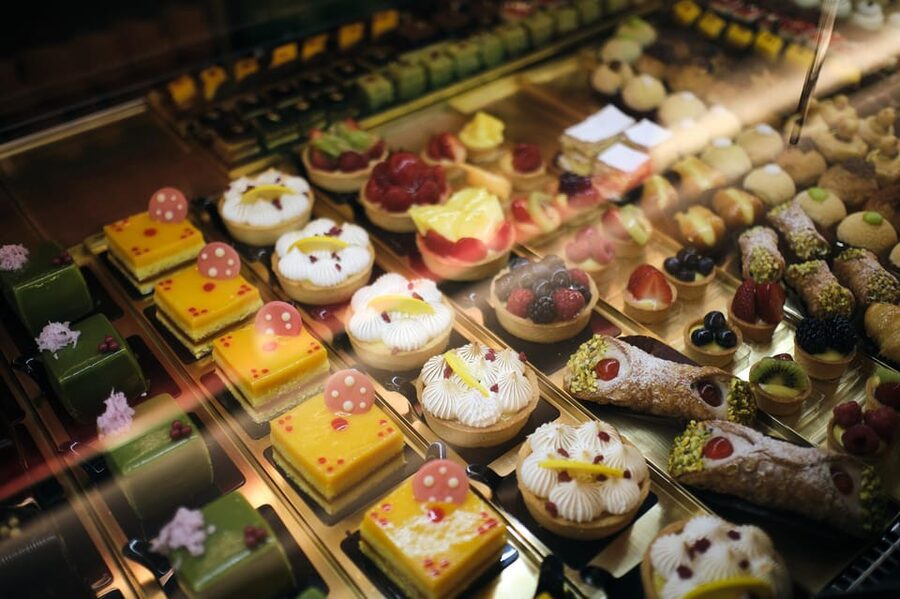
Then comes the chocolate chapter. You’ll visit a chocolate shop established in 1970, and you’ll hear how Italian chocolatiers originally served the Royal Court of Savoy. That historical link gives the tasting context—you’re not just sampling sugar; you’re tasting a craft that grew in elite-to-everyday pathways.
You’ll sample three iconic Italian chocolates and learn about how mass and artisan producers process cocoa beans. It’s the kind of explanation that helps you understand why chocolates can taste similar at first but diverge in aroma, texture, and finish.
A heads-up based on what I’d consider a “real world” expectation: some people felt the tastings skewed sweet-heavy. That doesn’t make the tour worse—it just means you might want to plan your next stop (or dinner) accordingly.
Verona UNESCO Center Sights: How Stories Make the Walking Easier
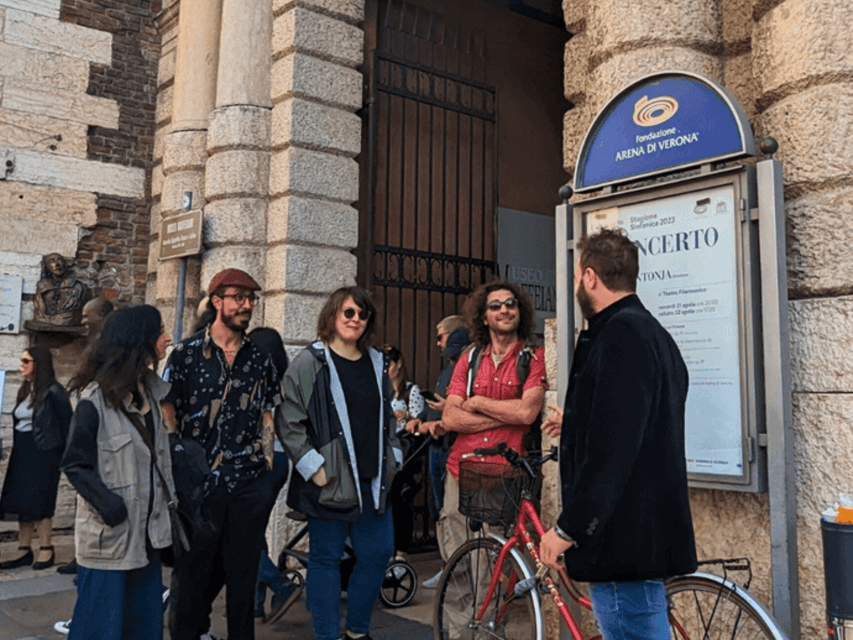
After the major food milestones, the tour continues through Verona’s UNESCO-listed historic center. This is the part where your guide earns their keep. The tour doesn’t just list famous places; it helps you connect the dots between what you see outside and what you’re tasting in your hands.
You’ll see elegant palaces from the 18th century and other landmarks that reinforce how Verona’s identity grew over time. You also get a look at the Roman Triumphal Arch of the Gavi family, which is one of those sights that’s easy to glance at and forget—unless you’re given the right context for what it represents.
Piazza Erbe is another key moment. It’s a short stop, but it’s a powerful one: your guide uses it as a cultural snapshot while you stay in motion. If you enjoy history but hate slow and crowded museum lines, this format tends to fit your style.
Finishing at Flego: Risino, Rice Tradition, and the Sweet Wrap-Up
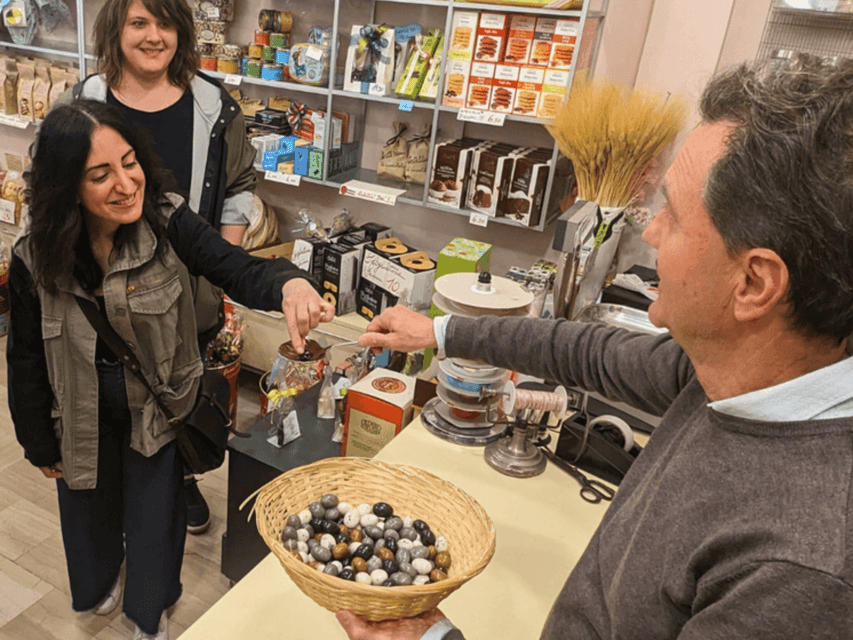
The tour ends at Pasticceria Flego. The final tasting is Risino, a finger cake made with custard and rice. This matters for two reasons. First, it’s delicious on its own terms—handheld, portioned right for a tour, and not overly heavy. Second, it ties into Verona’s famous rice production, giving you a final food-to-place connection.
If you’re a dessert person, this ending feels satisfying because you’ve progressed through flavors logically: olive oil → savory bites → chocolate → a locally specific sweet. It also gives you a natural transition out of the tour. You’ll be in the center, ready to either wander for gelato or sit down for a proper meal.
Who This Tour Suits Best (And Who Might Be Happier Elsewhere)
This is a strong choice if you want a first taste of Verona that combines major sights with practical eating stops. I’d especially recommend it if you’re short on time, hate getting lost without context, or like learning while you walk.
It also fits well if you’re traveling solo, as the small group format (up to 10) makes the experience feel more personal. One extra plus: wheelchair accessible, which can make a big difference in how comfortable the pacing feels.
On the flip side, you should skip it if gluten intolerance or gluten-related needs are a factor, because they cannot cater for gluten and lactose allergies. If you’re lactose sensitive but not allergic, you might still want to ask questions before booking since they state lactose allergy limitations rather than all dairy constraints. And if you want a full lunch or dinner, this won’t replace one—plan food afterward.
Should You Book This Verona Food Tour?
If you like food that has a story, and you want your historic-center walking to come with explanations, I think this tour is an easy yes. You get a compact dose of Verona: olive oil varieties from Redoro, street-food style pizza and bruschetta, chocolate with historical context, and the local Risino finish at Flego.
The decision comes down to expectations. Go in ready for tastings, not a meal. If dietary restrictions apply, pay attention to the gluten and lactose allergy note. If that’s all good, you’ll likely leave Verona feeling oriented and fed in the best possible way—like you didn’t just eat sweets, you learned why the sweets exist here.
FAQ
How long is the Verona food tour?
It lasts 1.5 hours.
What is included in the tastings?
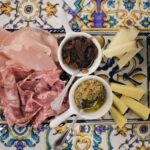
You’ll get street food style pizza, bruschetta with extra-virgin olive oil, 3 chocolate selections, and Risino rice cake.
Where do I meet the guide?
Meet the guide in front of the Bruschetteria Redoro shop in Corso Porta Nuova by the Redoro oil mill. You’ll see nearby two arches on a medieval wall with a clock, plus little olive trees around and a grill.
What languages is the live guide available in?
The tour is offered with a live guide in English or Italian.
Is the tour suitable for gluten intolerance or lactose allergy?
No. They cannot cater for gluten and lactose allergies, and it is not suitable for people with gluten intolerance. Vegetarians are welcome.
How big is the group?
The tour is a small group limited to 10 participants.
Are museum or attraction entrance fees included?
No. Entrance to museums and attractions is not included.
What’s the cancellation and payment setup?
Free cancellation is available up to 24 hours in advance for a full refund, and you can reserve now and pay later (book your spot and pay nothing today).
More Verona Food Tours
More Verona Walking Tours
More Tour Reviews in Verona
Weighing up other options? More ways to spend a day in Verona and out on Lake Garda


Verona Walking Tours, compared.
 ★ 5.0History and Hidden Gems Guided Walking TourFrom $411,379 reviews
 ★ 4.9Small Group Guided Walking Tour with Arena TicketsFrom $81848 reviews
 ★ 4.9Classic and Hidden Gems Bike TourFrom $33577 reviews
 ★ 5.0Verona Highlights Walking Tour in Small-groupFrom $42493 reviews
 ★ 5.0Highlights and hidden gems Verona Bike TourFrom $47393 reviews
 ★ 5.0Verona walking tour:food, wine, legends, lunch/dinner & cable carFrom $123386 reviews
 ★ 5.0Verona All in one: Food Walking Tour, Lunch & WineFrom $114342 reviews
 ★ 5.0Verona Small Group Walking Tour with Cable Car and Arena TicketsFrom $71311 reviews
Browse the lists this tour appears in