
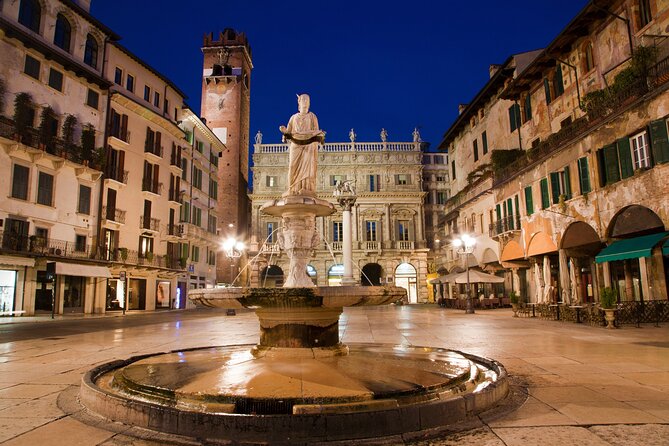
Reviewed · VERONA AUDIO & APP TOURS
Verona Scavenger Hunt and Highlights Self Guided Tour
Verona becomes a game the moment you start walking. This self-guided scavenger hunt turns the city’s top sights into a stop-by-stop puzzle route, so you’re learning as you go, not staring at a map all day. I love that it’s paced around your movement, with a route you can complete straight through or pause for a coffee and then continue.
Two things I really like: the outdoor-only format (so you’re not paying entrance fees just to keep playing), and the fact you solve a riddle at each stop and get quick, useful info tied to what you’re looking at. One potential drawback is that the first clue can feel a bit confusing, so if you’re traveling with kids or you want an instantly smooth start, bring a little patience (and ideally more than one phone).
In This Review
- Key highlights you’ll feel right away
- A Verona scavenger hunt that fits real travel days
- Price and value of a 2-hour highlights route
- What you’ll see: 10 Verona stops with outdoor puzzle answers
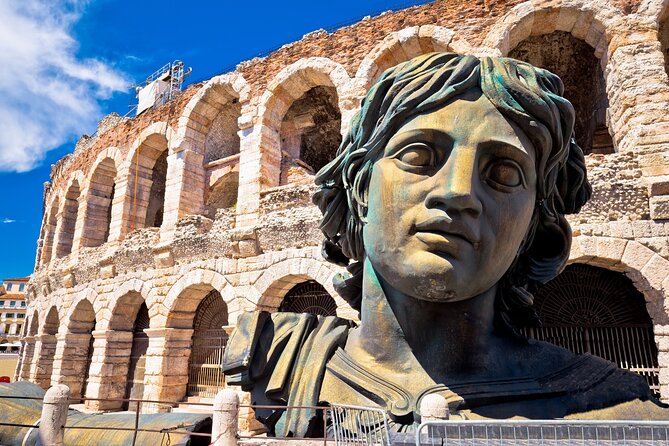
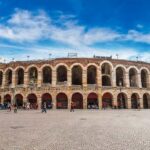
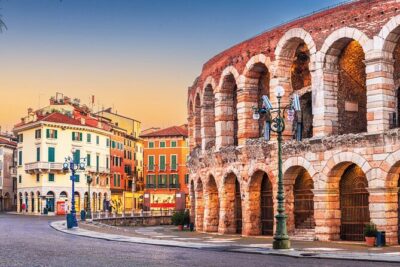
- Stop 1: Arena di Verona to kick things off
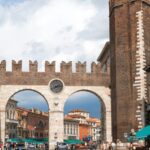
- Stop 2: Porta Borsari, a World Heritage Site clue moment
- Stop 3: Opera in Love for a Romeo and Juliet themed stop
- Stop 4: Piazza dei Signori for a quick mental reset
- Stop 5: Basilica di Santa Anastasia for a structured sightseeing pause
- Stop 6: Ponte Pietra for riverside scenery and puzzle focus
- Stop 7: Ponte della Vittoria to keep your momentum
- Stop 8 and Stop 9: Castelvecchio museum area puzzles for a satisfying finish
- Stop 10 (final leg): Return toward your starting point
- How the World City Trail app really changes the walk
- Pace, breaks, and why 2 hours is enough
- Who should book this Verona scavenger hunt
- Should you book the Verona Scavenger Hunt and Highlights tour?
- FAQ
- What is the duration of the Verona scavenger hunt?
- Where does the tour start and end?
- Is an entrance ticket required for the attractions?
- Can I pause the tour and resume later?
- What languages are available?
- Is this tour private?
Key highlights you’ll feel right away
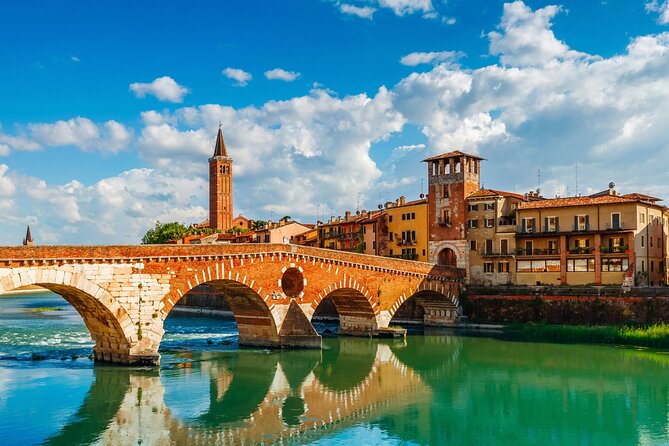
- 10 highlights, one connected route so it feels like a guided walk even though you’re on your own
- Outdoor puzzles with no entry fees needed for the activity itself
- App navigation on a mobile ticket via the World City Trail app
- Flexible pacing: you can pause for lunch or museum time and resume later
- Private group experience: it’s just your group, not a big shared tour
A Verona scavenger hunt that fits real travel days
This is built for people who want to see Verona without turning the day into a logistics headache. You’re given an app-based self-guided experience that takes you from one highlight to the next, with a puzzle at each location. Instead of reading long descriptions, you’re solving a location-based question and then picking up the kind of information that makes the sights click.
You also get practical flexibility. The route is designed to work at different speeds, which matters in Verona where you might want to slow down for photos, gelato, or a moment of people-watching. You can do it as a solo walk, or as a team with friends or family, which is especially handy if someone wants to lead and someone else wants to scan the next clue.
And because it’s private and only for your group, the vibe is calmer than many group tours. You’re not stuck waiting for slower walkers or trying to keep up with a pack.
Rather set your own pace? Self-guided walks and audio routes.
Price and value of a 2-hour highlights route
At $7.83 per person, this is one of those deals that works best when you’re traveling light and want maximum walking time with minimal cost. The big value is that you’re not paying for attraction entrances as part of the scavenger hunt. The activity is tied to the outdoor areas of the sites, so you can keep moving and keep solving without adding ticket lines or extra spending just to complete puzzles.
You’re also getting a full experience length of about 2 hours, which is a sweet spot for a first visit or a half-day plan. You can slot it into a morning or afternoon and still have time to wander afterward with a better sense of where things are.
One small caution on value: if you’re the type who wants to go inside major landmarks during your first trip, this format won’t replace that. It’s meant to guide you through the highlights outdoors, so you may still want to plan separate museum or attraction entries later.
What you’ll see: 10 Verona stops with outdoor puzzle answers
The heart of the experience is simple: you visit ten important Verona attractions and solve a riddle at each one. After each answer, you get interesting info about the place and the city. That structure is great for first-timers because it helps you build a mental map fast. You’re not just passing landmarks; you’re connecting them through questions.
Also note how the activity is designed. Entrance fees are not needed for the hunt, and every puzzle is related to outdoor areas. That means you can focus on the walking and the solving, instead of stopping to pay or enter.
Here’s how the route flows, and what to expect at each stop.
Stop 1: Arena di Verona to kick things off
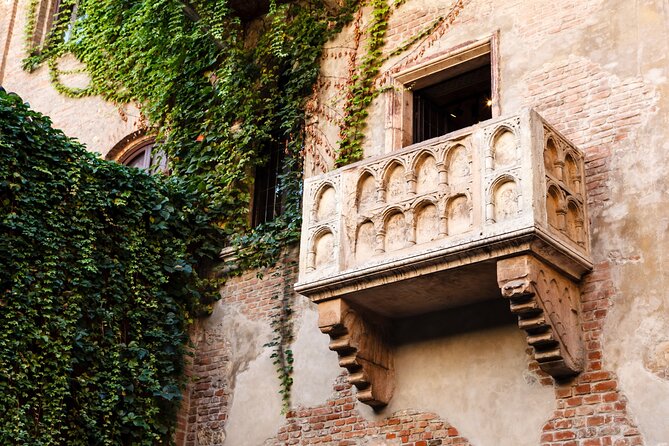
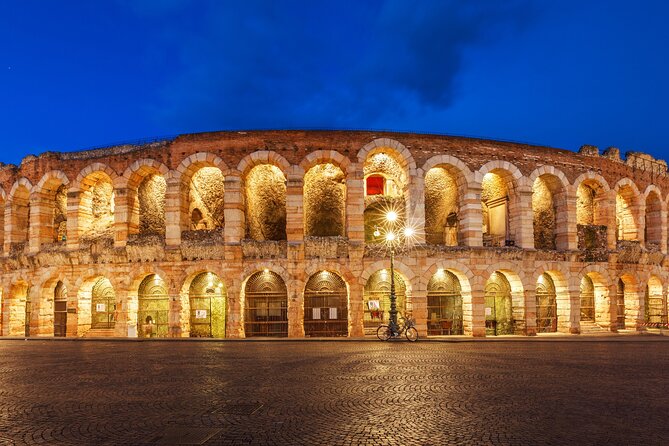
You start at Arena di Verona, at P.za Bra, 1, Verona. This sets the tone: you’re starting right in the action area, then working your way outward through the city highlights.
Practical tip: the first clue can be a little confusing. If you want a smoother start, give yourself a minute to read what the app is asking before you jump to an answer. If you’re traveling with a group, assign roles early—one person reads the clue, another checks the spot details—so you don’t lose time.
If you like an instant rhythm, this might feel slightly slower at the beginning. Once you’re past that first stage, the experience typically becomes much easier to run as a team.
Stop 2: Porta Borsari, a World Heritage Site clue moment
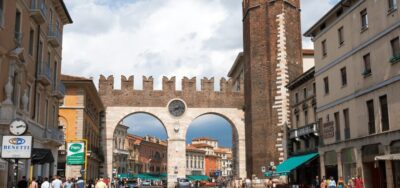
Next up is Porta Borsari, identified as a World Heritage Site. This is another classic “use the phone, read the question, look around” moment.
What works well here is that you’re forced to notice details you might otherwise skip. The puzzle turns “I see a landmark” into “I’m searching for the answer,” and that kind of attention is exactly what helps on a first visit. If you’re the type who normally takes quick photos and keeps walking, this format makes you slow down just enough.
Potential drawback: because the puzzle is location-based, you’ll want good phone visibility outdoors. If your battery is low or the screen is hard to read in bright light, you’ll feel it right away.
More days out with a Verona local guide.


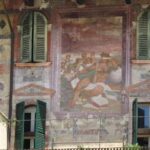
Stop 3: Opera in Love for a Romeo and Juliet themed stop
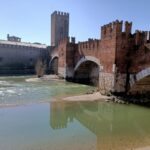
Then the experience steps into the Opera in Love theme connected to Romeo & Juliet. This stop is a strong choice if you want Verona to feel like more than stone and streets. It adds an easy narrative layer—something emotionally recognizable—even if you’re not planning a full theatrical day.
Here’s where the hunt format shines for couples and families: you can talk about what you notice while you’re solving, which keeps the walk from turning into a silent sprint. Just remember the goal isn’t to rush; the hunt is built so you can slow down and still finish.
Stop 4: Piazza dei Signori for a quick mental reset
At Piazza dei Signori, you shift into a more open, social-space feel compared with tighter lanes. For puzzles, open squares can be good because you can step back, look across angles, and compare what you see with what the clue seems to suggest.
I like this kind of stop in a self-guided route because it breaks up the concentration. You’ll likely find it easier to solve here, then move on feeling more confident about how the app wants you to play.
Stop 5: Basilica di Santa Anastasia for a structured sightseeing pause
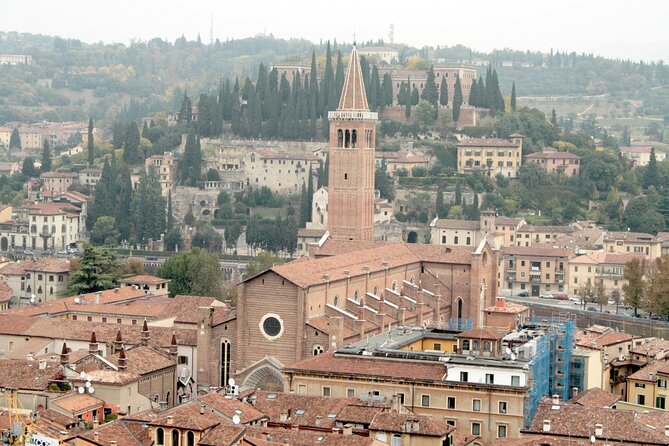
Next is Basilica di Santa Anastasia. This is one of the places where you’re likely to spend a moment just taking in the overall look before you focus on the riddle.
If you’re traveling with kids, this sort of stop can work well because it creates a clear “mission moment.” Everyone can contribute—even if one person can’t answer right away, they can still help interpret the clue. In a group setting, that shared effort makes the walk feel less like a chore.
The one thing to keep in mind: since entrance is not part of the activity, your time at the site is mostly about the exterior puzzle and any info the app provides. If you’re expecting to go inside as part of the game, you’ll need separate plans.
Stop 6: Ponte Pietra for riverside scenery and puzzle focus
Next comes Ponte Pietra. Bridges can be tricky in a scavenger hunt because there’s often a lot to look at, and the best answer usually depends on noticing the right angle or feature.
This is also a great stretch to take a breath. If you want a calmer pace, this is the moment to do it. The activity is designed so you can keep walking steadily, or pause briefly without breaking the day’s flow.
Stop 7: Ponte della Vittoria to keep your momentum
You continue to Ponte della Vittoria. By now, you should have the rhythm down: open the clue on your phone, read what it asks, look around with intention, then confirm the answer in the app.
If you’re traveling with multiple people, this is where having at least two phones can help. One phone can stay on the clue while the other handles navigation, so no one is constantly swapping screens. One review specifically pointed out that having at least two phones on the go can make things smoother.
Stop 8 and Stop 9: Castelvecchio museum area puzzles for a satisfying finish
The route includes Museo di Castelvecchio as two separate stages in the Castelvecchio area. That repetition may sound odd on paper, but it can actually help the finish feel more complete. You don’t just “arrive and leave”; you get more than one puzzle-driven look around the area.
In practice, this gives you a better chance to slow down and catch your breath near the end of your walk. By this stage, you’ve already solved multiple riddles, so your brain is warmed up for solving again. If you had any confusion earlier, you’ll likely feel yourself getting better at how to think through the clues.
Stop 10 (final leg): Return toward your starting point
The activity ends back at the meeting point near Arena di Verona. That loop closure is useful for planning: you finish where you started, so you’re not stuck figuring out transportation from a random far corner of the city.
Also, because the hunt can be completed in one go or with breaks, you can tailor how “late” this walk feels. It’s scheduled with broad daily hours (from 7:00 AM to 11:30 PM), so you can choose a time that fits your day.
How the World City Trail app really changes the walk
This tour runs on the World City Trail app, with app-navigation-self guided tour support. You’ll also use a mobile ticket, and you’ll download the app to follow the route and solve the riddles.
Here’s the key idea: it removes decision fatigue. Instead of choosing where to go next, the app tells you the next spot. Instead of figuring out what to notice, the puzzle tells you what to search for. That’s why this works so well as an “I’m new here” plan.
One thing to consider from feedback: the first clue may require a quick second pass. If you’re the kind of traveler who hates being stuck, do a tiny practice moment at the start—read the clue carefully, look around without rushing, then try again if needed.
Also, if you hate single-device dependency, keep a second phone in mind. Having an extra phone can reduce the friction when multiple people are trying to read the clue and coordinate.
Pace, breaks, and why 2 hours is enough
About 2 hours is the target time. That’s not a hard promise, but it’s a good frame. If you’re careful with phone use and you keep moving, it can feel like a focused highlight circuit. If you stop often for photos, snacks, or to re-check a clue, it can stretch—but you still get to keep playing.
The big advantage is that you can pause anytime. You can stop for coffee or lunch, or visit a museum, then continue later. That flexibility is a real win in Verona because you can combine the scavenger hunt with actual downtime instead of squeezing everything into one uninterrupted walk.
If you want a good flow, plan something simple: do the hunt first, then spend extra time afterward at whichever places you liked most. Even without going inside during the hunt, you’ll have clearer priorities for what you want next.
Who should book this Verona scavenger hunt
This works best if you fit one of these groups:
- First-time visitors who want a fast sense of layout across key landmarks
- Families with kids who do better with structured, simple tasks while walking
- Friends or couples who want an activity with conversation baked in
- People who prefer independence over waiting for groups
One review highlight emphasized it as a great way to get around with children, thanks to simple puzzles and the ability to skip stages, pause, and resume. If you like control over pace, you’ll probably feel at home here.
If you want a guided lecture, this isn’t that kind of experience. It’s more of a self-led game that gives you short info bursts tied to where you are.
Should you book the Verona Scavenger Hunt and Highlights tour?
If you’re looking for a low-stress way to hit ten Verona highlights in about two hours, this is a strong yes. The outdoor-only, no-entry-fee setup makes it good value, and the puzzle format keeps sightseeing from turning into passive checking-off.
Book it if you want structure without a tour group, and if you’re happy relying on your phone for navigation and questions. I’d skip it or at least rethink if your top priority is going inside major attractions during the same outing, since the activity is designed around outdoor areas.
Finally, give yourself an easy start. Expect the first clue to take a moment, and consider bringing a second phone if you’re playing as a team. When the rhythm clicks, it’s a fun way to learn Verona while you walk.
FAQ
What is the duration of the Verona scavenger hunt?
It lasts about 2 hours.
Where does the tour start and end?
It starts at Arena di Verona (P.za Bra, 1, 37121 Verona VR, Italy) and ends back at the meeting point.
Is an entrance ticket required for the attractions?
No. Entrance fees are not needed for the activity because each puzzle is tied to outdoor areas.
Can I pause the tour and resume later?
Yes. You can pause for coffee, lunch, or a museum visit, then continue later.
What languages are available?
The tour is offered in English, German, French, Dutch, Italian, and Spanish.
Is this tour private?
Yes. It’s a private activity, and only your group participates.
More Verona Tours

More Self-Guided Verona
More Tour Reviews in Verona
Weighing up other options? More ways to spend a day in Verona and out on Lake Garda







Verona Audio & App Tours, compared.
 ★ 4.2Juliet’s House Fast-Track Entry Ticket & Audio GuideFrom $281,121 reviews
 ★ 4.5Verona Walking Tour with Audio and Written Guide by a LocalFrom $7157 reviews
 ★ 4.3Digital Guide made by a Local for your walking tourFrom $7106 reviews
★ 3.5Juliet’s House Fast-Track Entry Ticket & Audio GuideFrom $2552 reviews
★ 4.3Digital Guide made by a Local for your walking tourFrom $7106 reviews
★ 3.5Juliet’s House Fast-Track Entry Ticket & Audio GuideFrom $2552 reviews
 ★ 4.2Verona Self Guided Walking Tour with an APPFrom $940 reviews
 ★ 4.5Full-Day Self-Guided Scooter Tour from Peschiera del GardaFrom $15638 reviews
 ★ 4.7Verona Bike Tour, self-guidedFrom $3435 reviews
 ★ 4.5The city of Romeo and Juliet: A self-guided audio tour through VeronaFrom $1128 reviews
Browse the lists this tour appears in