
Reviewed · VERONA COOKING CLASSES
Verona: Prosecco and Pasta Making Class at a Local’s Home
A private pasta class in a real home.
I love how this experience gives you hands-on instruction from a certified local cook, not a rushed demo. The second big win for me is that you eat what you make, at the table, with local wines and coffee to round it out. One thing to consider: it’s hosted at an actual home, so you’ll rely on the exact address details sent after booking and meet the host at the door, not at a central landmark.
What I like even more is the clear structure for a 3-hour evening or morning slot, with each person set up with their own workstation, ingredients, and tools. And because the instructor is comfortable teaching in English and Italian, you can ask questions without feeling lost. The possible drawback is simple: if you want big-city sightseeing all packed into a short window, this format trades some flexibility for a slower, more food-focused experience.
In This Review
- Key Highlights You’ll Actually Feel in the Kitchen
- Why a Cesarina Home Class Beats a Typical Pasta Tour in Verona
- The 3-Hour Flow: What Happens From Doorbell to Dessert-Style Finish
- Making Three Regional Pasta Recipes, Not One Reheated Classic
- The Table Meal: Wine, Coffee, and Why This Part Is the Real Reason
- What You Learn in a Way You Can Actually Use Later
- Dietary Requirements: A Class Built to Adapt on Request
- Price and Value: Is $112.15 Per Person Worth It?
- Who This Verona Class Suits Best (And Who Might Skip It)
- Timing It With Your Verona Day (Without Stress)
- Should You Book This Verona Prosecco and Pasta-Making Class?
- FAQ
- How long is the pasta-making class?
- Where does the class take place?
- Is this a private group or a shared group?
- What languages does the instructor speak?
- What’s included in the price?
- What time does the class usually start?
- Can the class accommodate dietary restrictions?
- Do I get to eat the pasta I make?
- Is there free cancellation?
- Is reserve and pay later available?
Key Highlights You’ll Actually Feel in the Kitchen
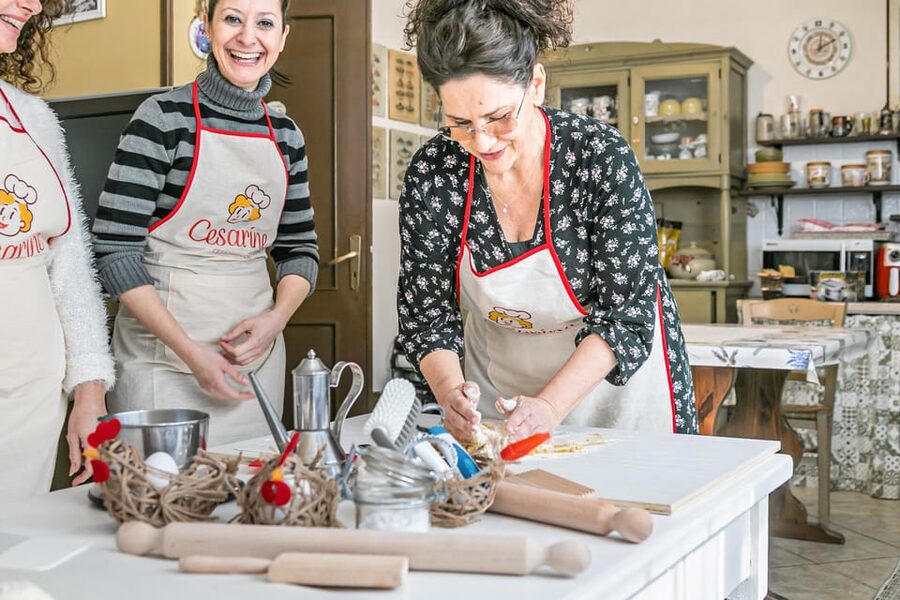
- Cesarina-led lessons in a private home setting that makes the food feel personal
- Three authentic regional pasta recipes you learn and then taste
- Everything is centered on the table meal, with water, red and white wines, and coffee
- Private group format so you’re not cooking while strangers talk over you
- Dietary needs can be accommodated on request, including gluten-free (worked especially well in real examples)
- Workstation setup for each participant, with utensils and ingredients provided
Why a Cesarina Home Class Beats a Typical Pasta Tour in Verona
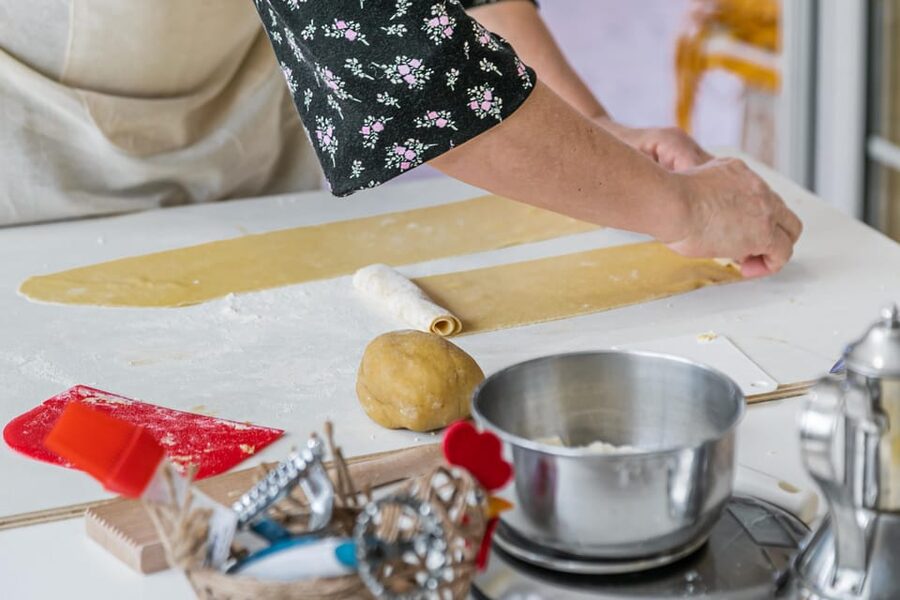
Verona is great for history and views, but this type of food class is the kind of evening that sticks in your memory for the right reasons. You’re not watching pasta happen from across the room. You’re at the counter, shaping dough, learning technique, and building confidence while someone who cooks like a local shows you the why, not just the how.
The Cesarina setup is a big part of the value. You’re learning in a home kitchen, with a certified home cook, so the vibe is intimate and practical. In the real world, that means tips you can actually use later at home: how to handle dough texture, how to keep a process moving, and what matters most with regional recipes.
And then comes the payoff: you taste what you make, at the table. Pasta classes can sometimes feel like work followed by a token bite. Here, it’s built around a proper shared meal with beverages included.
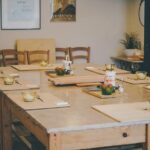
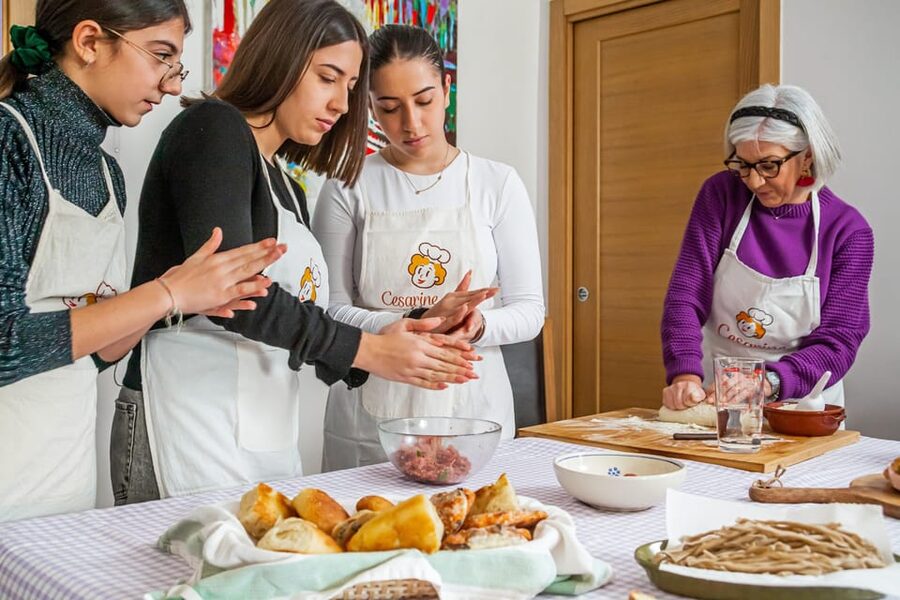
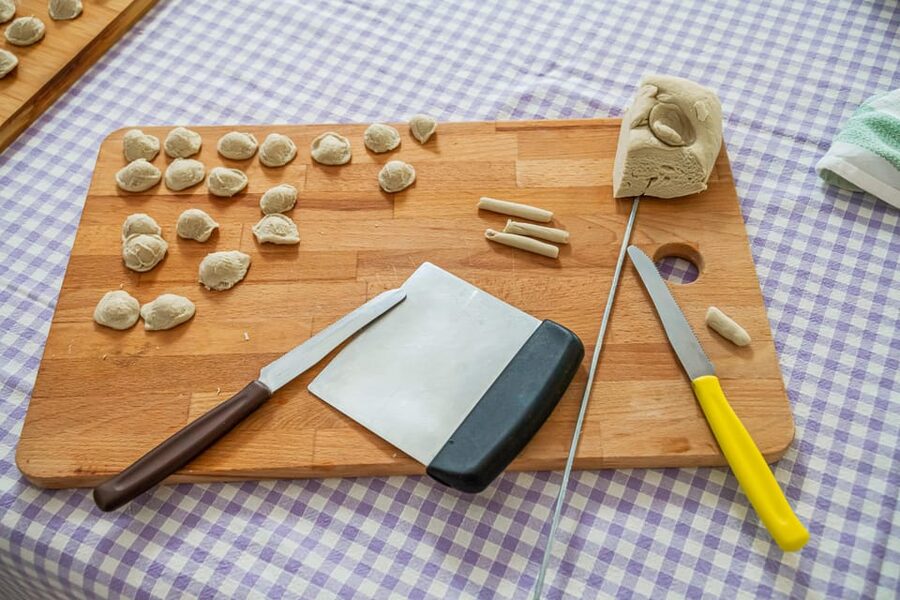
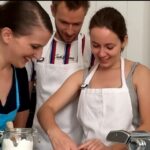
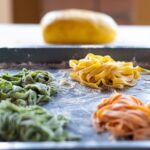
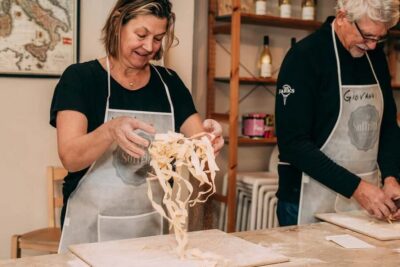
Rolling pasta and folding tortellini in a local kitchen.
The 3-Hour Flow: What Happens From Doorbell to Dessert-Style Finish
This is a tight, friendly timeline. The class is about 3 hours, with typical starts at 10:00 AM or 5:00 PM. It can be flexible depending on your travel needs if you contact the supplier in advance, which is a small but important detail in a city where schedules can get squeezed.
When you arrive, the meeting point is the host home. You ring the doorbell and your Cesarina host welcomes you directly. After booking, you receive the private details you need (including the host’s address and mobile number) so you can actually find the place. The activity ends back at the meeting point, so you’re not dropped somewhere inconvenient afterward.
Inside, the class follows a pattern that keeps you engaged:
- You prep and cook each of the three regional pasta recipes
- You learn the tricks of the trade directly during the process
- You sit down to taste all three dishes together with drinks
It’s not a rush. But it’s also not a slow lecture. You’re moving with the kitchen, which makes the time fly.
Making Three Regional Pasta Recipes, Not One Reheated Classic
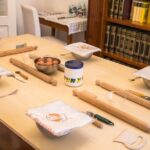
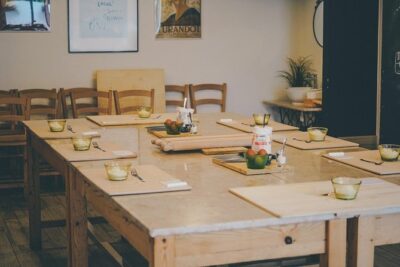
The heart of the experience is that you’ll learn three authentic regional pasta recipes from the Cesarina. Each participant has a workstation set up with utensils and ingredients, so you’re not waiting around for someone else’s turn.
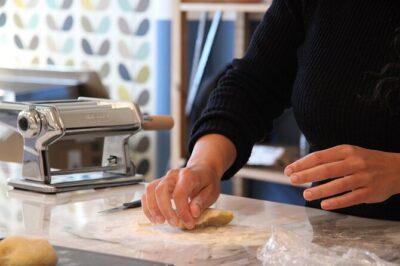
Here’s why that matters: pasta-making is touch-and-timing work. If you’re not physically doing it, you miss the lesson. With a workstation at your place, you can practice the steps right away and adjust as you go. That’s also the best way to learn what “good” feels like for that specific dough and cooking method.
One of the clearest signals from past experiences is how patient the teaching can be. In real classes, the instructor is described as having a calm, helpful pace, including guidance around local ingredients and cuisine. You’re not just handed a recipe card and set free. You’re guided through what to watch for.
Also worth noting: the class can handle dietary needs on request (vegetarian, vegan, gluten-free, and more). In a gluten-free example, the instructor made gluten-free pasta and gnocchi that stayed delicious, so it’s not “one dish swapped out.” It’s a real adjustment of the cooking approach.
The Table Meal: Wine, Coffee, and Why This Part Is the Real Reason
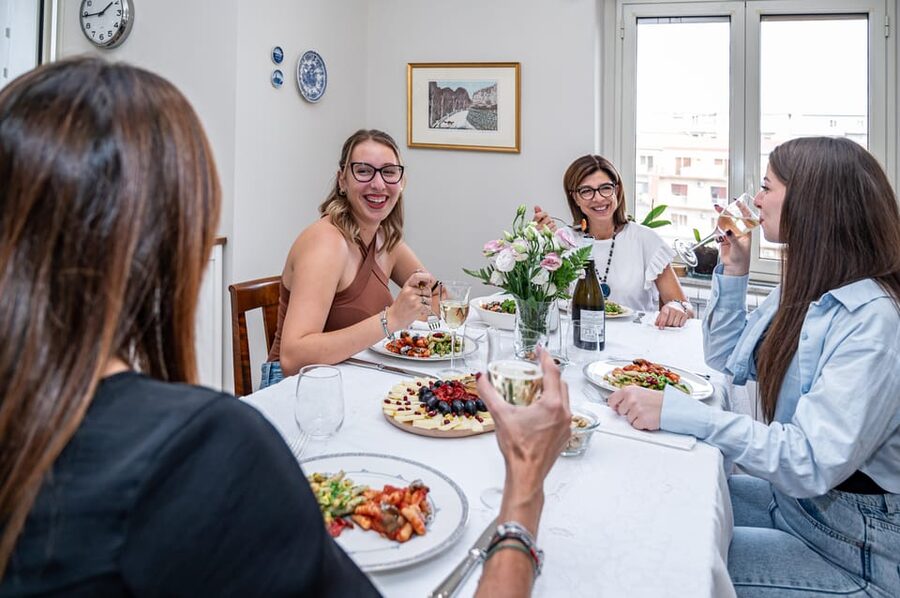
The tasting is not an afterthought. It’s the core experience outcome. You’ll taste everything you prepared around the table, accompanied by a selection of red and white local wines plus coffee and water.
This is where the home setting really pays off. At a restaurant, you might get good wine and a nice plate, but you’re usually not part of the process. Here, the meal feels earned because you made it. That changes how you experience the flavors, too. You understand the choices that create the final taste.
In one example, the class turned into a shared lunch moment with a bottle of delicious wine and lots of conversation at the table. That’s the kind of atmosphere that makes the class feel like an evening with Italian food culture, not a ticketed activity you complete and forget.
If you’re the type of traveler who likes to eat well but also wants meaning behind the meal, this format is ideal.
What You Learn in a Way You Can Actually Use Later
A cooking class can be fun, but only some teach skills you can repeat. This one aims at technique and regional context, which is why it tends to feel useful even after the dough dries and the memory fades a bit.
From a practical standpoint, you’re learning:
- How to work with dough at the right stage, step by step
- How regional recipes differ in approach and handling
- How to think about the texture and final result, not just the recipe name
Then you get the feedback loop that most people skip: you cook, you taste, you connect taste to technique. Once you’ve tasted what you made, it’s easier to remember what “right” looks and feels like next time.
And because the instructor speaks English and Italian, you can ask clarifying questions when something feels off. That’s a big deal. Pasta-making has enough little variables that having a real person explain in your language is what turns confusion into confidence.
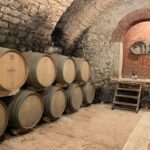
Bubbles, from prosecco to metodo classico.


Dietary Requirements: A Class Built to Adapt on Request
This experience can cater to all dietary requirements upon request, including vegetarian, vegan, and gluten-free. That’s exactly what you want to hear if you’re traveling with restrictions.
In a real-world gluten-free example, the instructor made gluten-free pasta and gnocchi that were both successful and tasty. It’s a strong sign that the class doesn’t treat dietary needs like a compromise—it treats them as part of the cooking plan.
Best move: if you have dietary requirements, message in advance so the instructor has time to plan. You’ll get a smoother experience and better results.
Price and Value: Is $112.15 Per Person Worth It?
At $112.15 per person for about 3 hours, you’re paying for a private home setting, an instructor (a certified Cesarina), and a full learning-and-meal package.
Here’s what makes the price feel fair in this case:
- You get three dishes you make and then taste
- Beverages are included: water, red and white local wines, and coffee
- You don’t have to bring tools, ingredients, or a “party kitchen” setup
- It’s private, so the attention and pace are more controlled than many group classes
Could a cheaper cooking class exist elsewhere? Probably. But if you’re comparing value, the real question is whether you’re paying for a real kitchen experience where food and wine are part of the lesson. This one clearly builds that in.
If you love food, want a hands-on memory in Verona, and like learning from locals rather than following a script, it’s a solid use of your time.
Who This Verona Class Suits Best (And Who Might Skip It)
This fits best if you:
- Want a food-centered experience instead of another walk-and-look activity
- Enjoy cooking and want real technique, not just a tasting
- Travel as a couple or family and want an intimate setting
- Have dietary needs and want a class that can adapt
It may be less ideal if you:
- Only want quick, high-output sightseeing and minimal time with one activity
- Prefer public venues over private homes (you’re meeting the host at their home)
Basically, it’s for people who like to slow down and learn something with their hands, then celebrate at the table.
Timing It With Your Verona Day (Without Stress)
Since sessions typically start at 10:00 AM or 5:00 PM, you can build your day around it. A morning class works well if you want a calm start and an early food win. An afternoon/evening start can pair nicely with the rest of your Verona exploring, letting dinner turn into an experience instead of a scramble to find a good meal.
One more real tip: because the class begins at a private home, plan to arrive on time and be ready to use the address details provided after booking. Ring the doorbell when you get there. Once you step inside, the schedule is already set.
Should You Book This Verona Prosecco and Pasta-Making Class?
If your idea of a great Verona day includes good food, wine, and learning from a real local in a real home, I’d book it. The combination of three hands-on regional recipes, a proper sit-down tasting, and a private-home atmosphere makes it more memorable than many standard classes.
I’d skip it only if you strongly prefer public, landmark-to-landmark activities and don’t want to build your schedule around a private address. Otherwise, this is the kind of experience that gives you both the skill and the meal in the same package.
FAQ
How long is the pasta-making class?
The experience lasts about 3 hours.
Where does the class take place?
It takes place at the host home. You meet at the exact address provided after booking, and you ring the doorbell when you arrive.
Is this a private group or a shared group?
It’s a private group experience.
What languages does the instructor speak?
The instructor teaches in Italian and English.
What’s included in the price?
The price includes the cooking class, tasting of three local pasta dishes, and beverages such as water, wines, and coffee.
What time does the class usually start?
It usually begins at 10:00 AM or 5:00 PM, and it can be flexible based on your travel requirements if you contact the supplier in advance.
Can the class accommodate dietary restrictions?
Yes. It can cater to dietary requirements upon request, including vegetarian, vegan, gluten-free, and more.
Do I get to eat the pasta I make?
Yes. You taste everything you prepare during the lesson as part of the shared meal.
Is there free cancellation?
Yes. You can cancel up to 24 hours in advance for a full refund.
Is reserve and pay later available?
Yes. You can book and pay nothing today if reserve and pay later is offered for your date.
More Prosecco and Sparkling
More Verona Cooking Classes
More Tour Reviews in Verona
Weighing up other options? More ways to spend a day in Verona and out on Lake Garda





Verona Cooking Classes, compared.
 ★ 5.0Pasta and Tiramisu Cooking Class With Free Flowing WineFrom $71575 reviews
 ★ 4.9Hands-on Fresh Pasta and Tiramisù Cooking ClassFrom $107295 reviews
 ★ 5.0Italian Cooking Class with Pasta, Risotto and TiramisùFrom $114268 reviews
 ★ 5.0Cooking Class : Fresh pasta and TIRAMISÙ with Lake Garda winesFrom $95260 reviews
 ★ 5.0Lazise: Fresh Pasta Cooking Class with Meal at Lake GardaFrom $89137 reviews
 ★ 5.0My Granny’s secrets: Making pasta in the heart of VeronaFrom $114131 reviews
 ★ 4.9Garda: Cooking Class with DessertFrom $107129 reviews
 ★ 5.0Bardolino: Garda Lake Pasta Cooking Class at AgritourismFrom $93114 reviews
Browse the lists this tour appears in