
Reviewed · VERONA COOKING CLASSES
Verona: Authentic Pasta Making Class with a Local Family
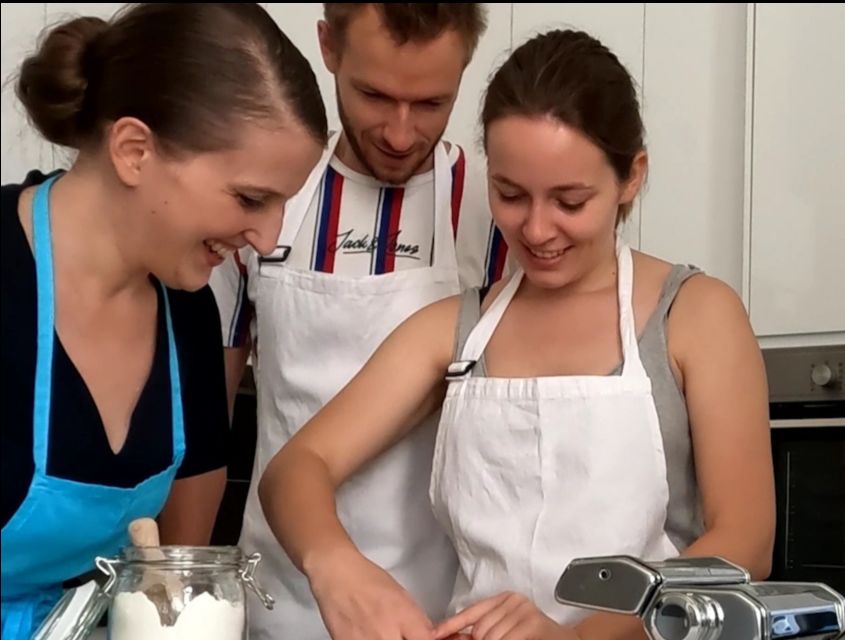
Flour flies fast, then you eat it. This Verona pasta class is a hands-on evening with Valentina and Dave, where you learn traditional dough from scratch and then sit down like family to taste what you made. What I like most is how practical the pasta skills feel, and how the meal is built around your own handiwork, not just a show-and-tell.
One thing to consider: it’s a 4-hour, hands-on cooking session, so it’s not the time to plan a quiet, low-energy night. You’ll get flour on your hands, and the pacing moves from dough to shaping to cooking to dinner.
In This Review
- Key things that make this Verona pasta class special
- Inside Palazzo Balladoro: starting your Verona pasta night in the right place
- Valentina and Dave: teaching that’s clear, hands-on, and genuinely fun
- Making fresh pasta dough from scratch (without needing fancy gear)
- Tagliatelle and ravioli: your two big wins of the night
- Sauces: two quick options that make your pasta taste like an Italian meal
- The three-course family meal: eating with the people who taught you
- Price and value: is $107.62 worth it for Verona pasta?
- How to get the most from the class (and not stress yourself out)
- Who this Verona pasta experience is best for
- Should you book this Verona pasta class?
- FAQ
- How long is the Verona pasta making class?
- Where does the class meet?
- What do you make during the class?
- Is it hands-on or mostly watching?
- What sauces do you learn?
- How large is the group?
- What languages are used?
- Is a meal included?
- Is wine included?
- What extra materials do you receive?
Key things that make this Verona pasta class special
- Small group size (up to 10) keeps the teaching hands-on and personal
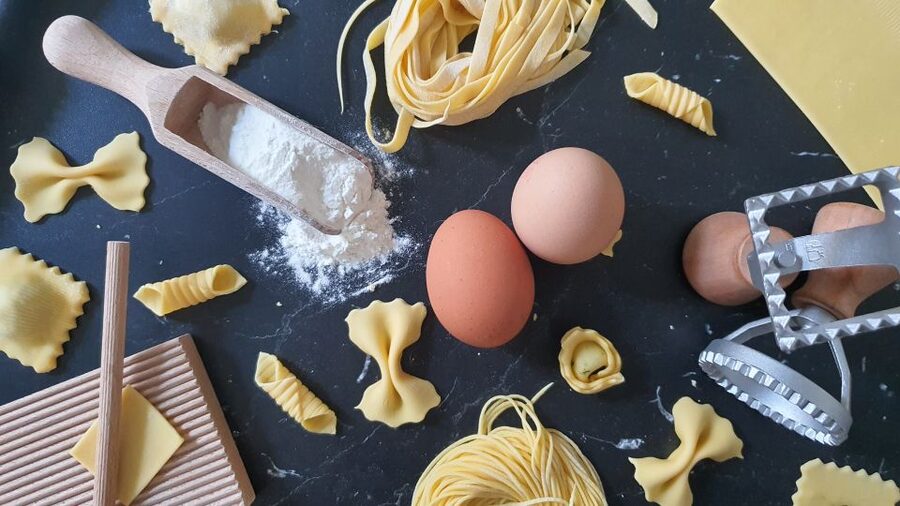
- Dough from scratch plus classic cuts you can actually remember and repeat
- Fresh ravioli and tagliatelle are the core wins of the night
- Two quick, easy sauces so you’re not stuck with one flavor option
- Three-course family meal followed by a regional wine from a small company
- Valentina and Dave run it with clear instructions and big personality
Inside Palazzo Balladoro: starting your Verona pasta night in the right place
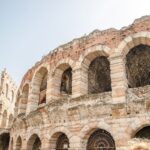
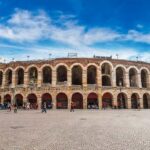
The experience starts at Palazzo Balladoro, a historical building in the heart of Verona. It’s a short walk from Castelvecchio and only a few minutes from the Arena, so you can easily pair it with other sights before or after.
Meeting in the center also matters because it keeps the evening feeling local and connected. You’re not shuttled far from town, and you’re in the kind of area where Verona’s everyday life is right there—stone streets, evening chatter, and the general hum of a city that’s not trying too hard.
The class wraps back where it begins, which is a nice reset after dinner. You won’t be wondering how you’ll get back or building a second transportation plan around a long meal.
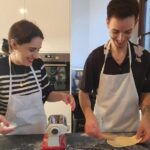
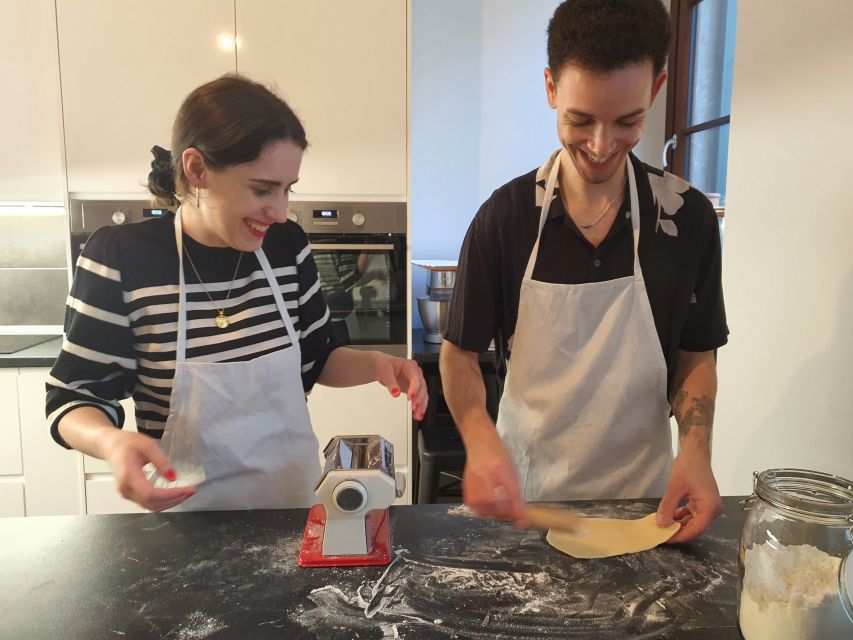
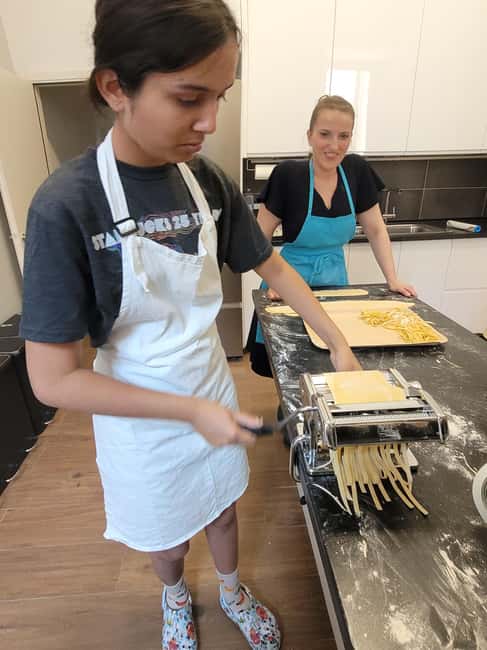
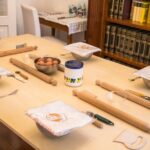
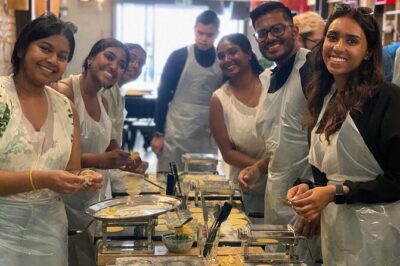
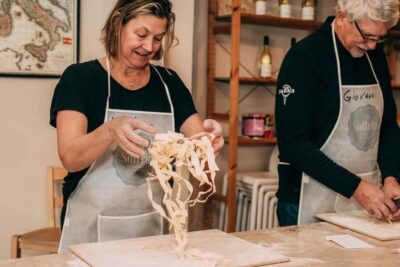
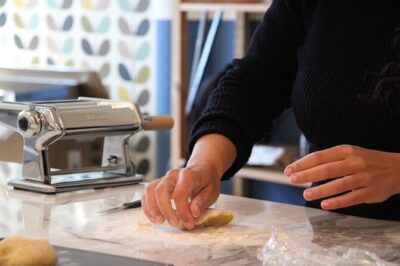
Rolling pasta and folding tortellini in a local kitchen.
Valentina and Dave: teaching that’s clear, hands-on, and genuinely fun
This class is run by Vallì Homemade, with instruction in English and Italian. The group stays small—limited to 10 participants—and that is a big deal for a pasta lesson. When people are close enough for the instructor to correct your dough right away, you learn faster and you waste less flour.
In the reviews, the recurring theme is how well Valentina and Dave guide the session. You can expect a structured flow with clear explanations, plus the kind of humor that makes you feel relaxed even if you’re clumsy with a rolling pin at first. That matters because fresh pasta is physical work, and confidence helps.
I especially like that this isn’t just about copying one recipe. The teaching focuses on techniques and “why” behind the dough, so you’re not left with a list of steps that only works in that kitchen.
And yes—your pasta night includes conversation. When the host(s) are both instructing and chatting, the evening turns from a class into an actual event. You’ll likely leave with a few stories, not just a lunchbox of food plans.
Making fresh pasta dough from scratch (without needing fancy gear)
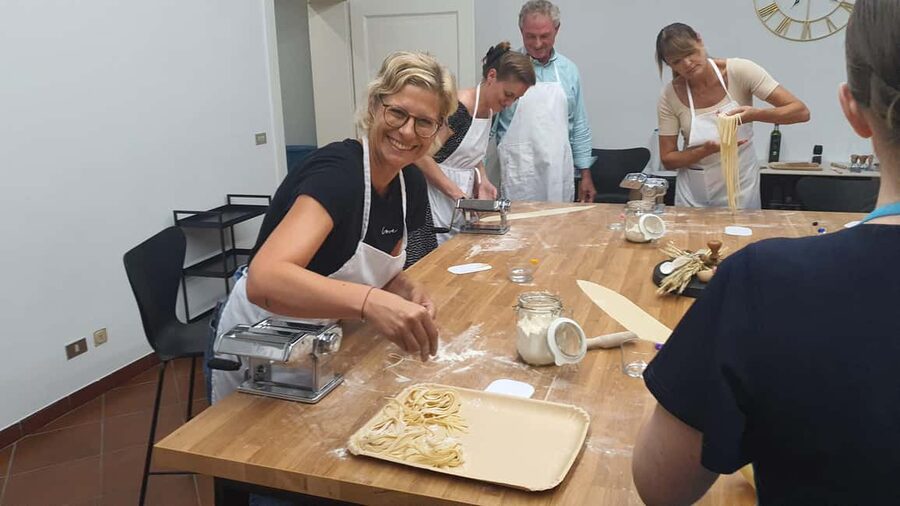
The core skill here is making traditional pasta dough from scratch with your own hands. That’s the foundation for everything else: tagliatelle, ravioli, and the other shapes you learn along the way.
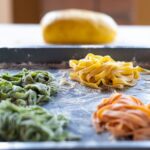
The class covers the classic cuts you’ll hear about in Italian markets and trattorias. You’ll work toward tagliatelle and you’ll make ravioli fresh. At the same time, you’ll learn about other pasta forms like tagliolini, pappardelle, farfalle, and maltagliati—plus you’ll see how decorated pasta and colored pasta are prepared.
Even if you don’t end up making every one of those shapes yourself, this approach is still valuable. It helps you understand pasta as a family of techniques, not a single frozen-tray miracle. Once you know how dough behaves, you start seeing which cuts suit which sauces and textures.
The dough part can feel intimidating, especially if your past kitchen experience is mostly heating and assembling. But the class is designed to bring you in step-by-step, and the hands-on format means you’re never stuck watching for long. Reviews highlight that it works across different ability levels, with options for how to approach the prep.
Also, you’ll get a practical outcome fast. You’re not just learning theory about flour hydration or egg proteins; you’re making dough and turning it into real shapes that end up on your plate.
Tagliatelle and ravioli: your two big wins of the night
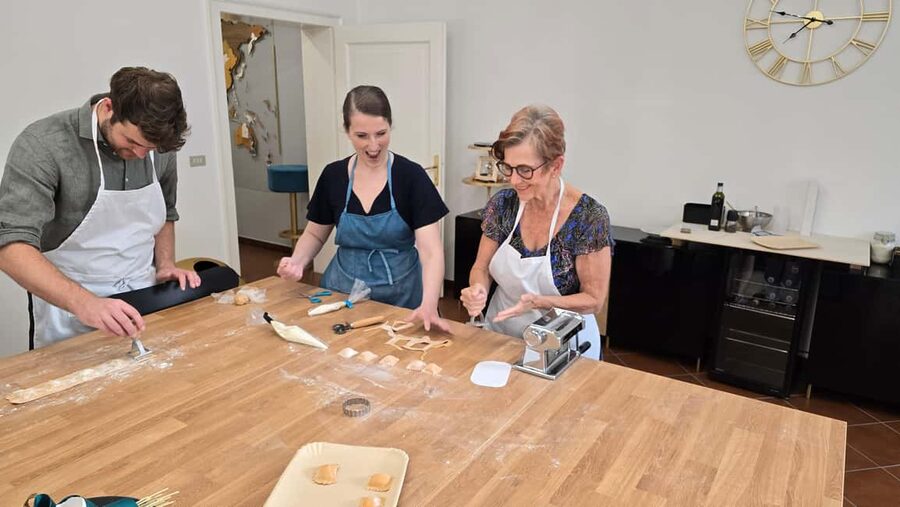
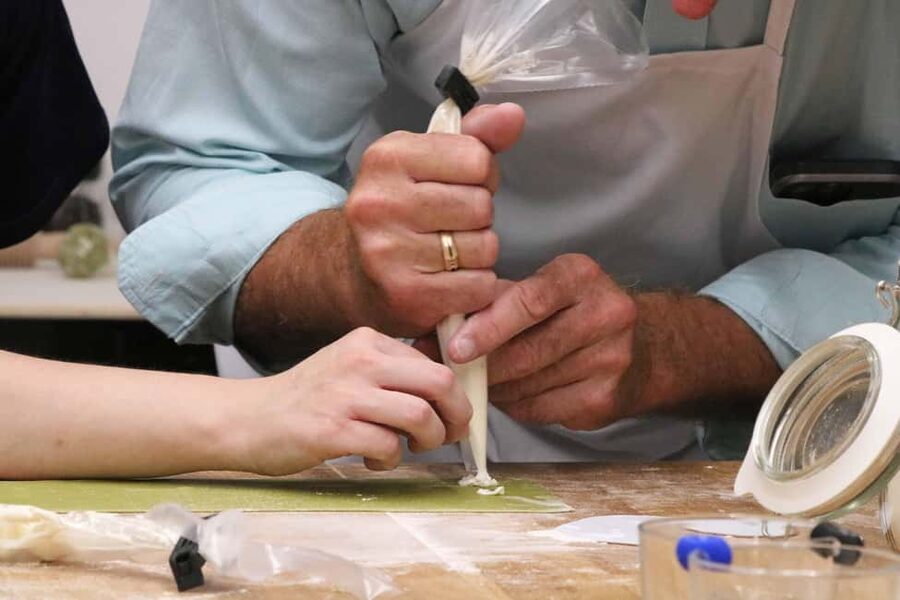
This is the heart of the evening. You’ll prepare homemade tagliatelle and fresh ravioli. Those two are perfect choices because they teach you two different pasta skills: ribbon shaping and stuffed-pasta technique.
Tagliatelle teaches you thickness control and cutting/rolling consistency. Get this right and your pasta cooks evenly, with the right bite. Ravioli teaches a whole different discipline—portioning, sealing, and managing moisture so the filling stays in and the pasta holds its shape.
The class also emphasizes tradition, with the highlight promise that you’ll make tagliatelle and ravioli like the host’s grandmother. That’s not a marketing trick. It signals that the focus stays on classic methods rather than shortcuts.
And since the dinner is built from what you make, your effort has an immediate payoff. There’s something satisfying about eating pasta that you shaped with your own hands, right down to the texture and doneness you helped create.
Sauces: two quick options that make your pasta taste like an Italian meal
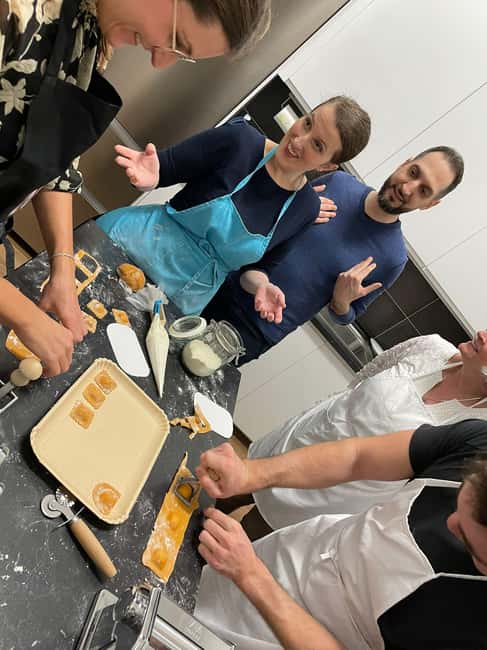
Pasta without sauce is just dough with ambition. Here you’ll learn the techniques and secrets for preparing two quick and easy sauces. You’ll also taste what you prepared during the class.
This is a smart way to learn because it’s not just “cook pasta.” You learn how to match sauce style to pasta shape. Even better, “quick and easy” means you can recreate it at home without rearranging your whole week.
A small detail you should know: the meal is cooked and served with low/no salt and sugar to taste. I’d call that a plus if you want the real flavors to come through. If you prefer heavy seasoning habits, you’ll likely adjust with salt at home later—but during the meal, the idea is to taste the ingredients first.
Two sauces also prevents you from leaving with one idea that you might never use. Instead, you leave with options you can mix into weeknight cooking.
More hands-on afternoons in Verona.

The three-course family meal: eating with the people who taught you
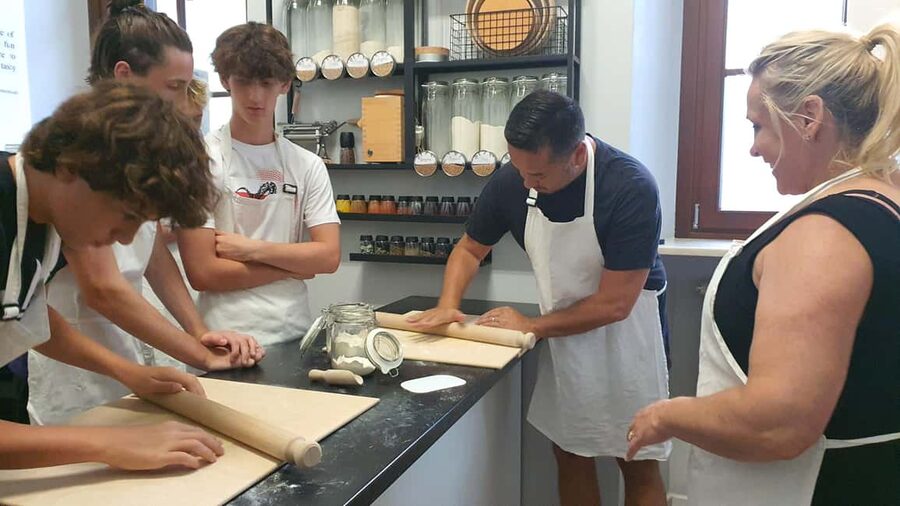
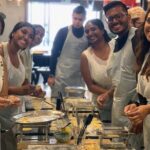
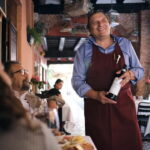
At the end, you sit down and eat what you prepared. It’s described as a dinner with a local family vibe—around the table, sharing time, and enjoying the meal together.
The dinner is three-course, and it’s accompanied by a special wine produced in the region from a small company. You also get unlimited water, both sparkling and still, during the experience.
This is one of the most praised parts of the night. The reviews consistently point to the meal being exceptional, not just okay. When hosts take pride in both the teaching and the eating, it shows. You’re not rushed, and the food feels like part of the same story as the pasta lesson.
For me, this kind of dinner is where the “authentic” aspect becomes real. Not because it’s staged, but because you experience the rhythm of a meal that starts with shared work and ends with shared plates.
If you’re the type who likes food as culture—not just food as fuel—this structure hits the mark.
Price and value: is $107.62 worth it for Verona pasta?
At $107.62 per person, this isn’t a budget activity. But it’s not a casual, entry-level class either.
Here’s what you’re paying for in practical terms:
- 4 hours of hands-on instruction with a small group
- Ingredient-led pasta making, focused on dough, tagliatelle, and ravioli
- Learning two sauces
- A three-course meal plus a regional wine
- recipes and tips so you can make pasta again at home
When you compare it to paying separately for a guided dinner experience plus a pasta class, the value starts to look steadier. Also, the small group matters. Up to 10 people means the instructor can actually help you, and that tends to reduce the “I did it wrong and nobody noticed” feeling.
If you’re coming to Verona mainly for sightseeing and you want one easy, passive activity, you might feel the price more. But if you’re food-focused—or you want a skill you can take home—this class is one of those purchases that can pay off for months.
How to get the most from the class (and not stress yourself out)
This is a flour-and-food evening, so set yourself up for success. Bring an appetite, yes—but also the right mindset.
You’ll likely be working with dough, shaping pasta, and listening for technique cues. So keep your phone mostly for the beginning and end, and let your hands do the learning in the middle. A camera is mentioned as helpful for capturing the moment, but try not to turn the class into a photo session that distracts you from your dough.
Wear clothes you don’t mind getting a bit messy. Even if you’re careful, pasta making is tactile. And since the class is built for real cooking, not just watching, you’ll probably feel more relaxed once you stop trying to keep everything spotless.
Finally, go in ready to taste. The design is that you’ll eat what you made, and you’ll also taste what you prepared—so approach it like a meal, not like an exam.
Who this Verona pasta experience is best for
This class is a strong fit if you:
- Want a hands-on Verona food activity with real skills
- Enjoy small-group settings and personal instruction
- Like Italian cooking that focuses on technique, not just flavors
- Plan to cook at home again (the recipes and tips help a lot)
It’s also a good option for couples or friends who want a shared “event” night. Valentina and Dave create an atmosphere that feels warm and welcoming, and the laughter described in the reviews suggests the group dynamic is part of the value.
If you dislike cooking or you’re short on time, you might find the 4-hour pacing a bit intense. And if your ideal vacation is mostly quiet museum time, this might feel more hands-on than you want.
Should you book this Verona pasta class?
I’d book it if you want one night that combines a skill (pasta dough, tagliatelle, ravioli) with a real meal outcome. The combo of small group instruction, two sauces, and a three-course dinner with regional wine makes it feel like more than a tasting.
Skip it if you want the lightest activity possible, or if you’re hoping for only sightseeing. This is a cooking evening first, and Verona’s highlights are best seen around it.
If you’re deciding between “a nice restaurant night” and “a memorable food skill night,” this leans toward the second.
FAQ
How long is the Verona pasta making class?
The experience lasts 4 hours.
Where does the class meet?
The meeting point is Palazzo Balladoro in Verona.
What do you make during the class?
You will prepare homemade tagliatelle and fresh ravioli, and you will learn about other pasta cuts such as tagliolini, pappardelle, farfalle, and maltagliati.
Is it hands-on or mostly watching?
It is hands-on. You participate in making the pasta dough and the fresh pasta during the class.
What sauces do you learn?
You learn the techniques and secrets to prepare two quick and easy sauces.
How large is the group?
The class is a small group limited to 10 participants.
What languages are used?
The instructor speaks English and Italian.
Is a meal included?
Yes. After cooking, you eat a three-course meal.
Is wine included?
Yes. The meal includes a glass of special wine produced in the region.
What extra materials do you receive?
You receive recipes and tips to make pasta again at home.
More Verona Workshops
More Verona Cooking Classes
More Tour Reviews in Verona
Weighing up other options? More ways to spend a day in Verona and out on Lake Garda




Verona Cooking Classes, compared.
 ★ 5.0Pasta and Tiramisu Cooking Class With Free Flowing WineFrom $71575 reviews
 ★ 4.9Hands-on Fresh Pasta and Tiramisù Cooking ClassFrom $107295 reviews
 ★ 5.0Italian Cooking Class with Pasta, Risotto and TiramisùFrom $114268 reviews
 ★ 5.0Cooking Class : Fresh pasta and TIRAMISÙ with Lake Garda winesFrom $95260 reviews
 ★ 5.0Lazise: Fresh Pasta Cooking Class with Meal at Lake GardaFrom $89137 reviews
 ★ 5.0My Granny’s secrets: Making pasta in the heart of VeronaFrom $114131 reviews
 ★ 4.9Garda: Cooking Class with DessertFrom $107129 reviews
 ★ 5.0Bardolino: Garda Lake Pasta Cooking Class at AgritourismFrom $93114 reviews
Browse the lists this tour appears in