
Reviewed · VERONA COOKING CLASSES
Verona: Pasta & Tiramisu Cooking Class at a Local’s Home
Fresh pasta, made by hand, starts here. In a small-group session (max 12) hosted in a local Verona home, you learn to shape sfoglia from scratch, with an Italian aperitivo to warm you up. One thing to plan: the full address is shared only after you book, so don’t schedule tight connections right before.
I love how the class turns dessert into a hands-on skill, not a mystery—tiramisu is part of the lesson, and you eat what you make with beverages included. You’ll also feel the difference that comes from Cesarine, Italy’s long-running network of home cooks, which keeps things personal, friendly, and practical.
In This Review
- Key things to know before you roll pasta in Verona
- Verona’s Cesarine setup: a home, not a classroom
- Aperitivo first: how the lesson gets you in the mood
- Rolling sfoglia by hand: the skill that makes the rest click
- Two pasta types from scratch: from dough to a real lunch or dinner
- Tiramisu in the same session: why timing matters
- What you’ll eat and drink (and how full you’ll feel)
- Price in context: is $152.93 per person good value?
- Who should book this Verona pasta and tiramisu class
- Practical tips to make your 3 hours go smoothly
- Should you book this Verona pasta & tiramisu class?
- FAQ
- Where does the cooking class take place?
- How big is the group?
- What will I learn to cook?
- What does the class include to eat and drink?
- How long is the experience?
- What languages are used during the class?
Key things to know before you roll pasta in Verona
- Max 12 people means more time at the counter and less time waiting.
- Hand-rolled sfoglia teaches the feel of fresh pasta dough, not just measurements.
- Two pasta types from scratch are the core of the class, with examples like ravioli and taghatelle.
- Tiramisu is included and worked into the flow so it’s ready to enjoy during the meal.
- Prosecco aperitivo plus wine and coffee are built in, so you can focus on cooking instead of ordering.
Verona’s Cesarine setup: a home, not a classroom
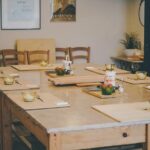
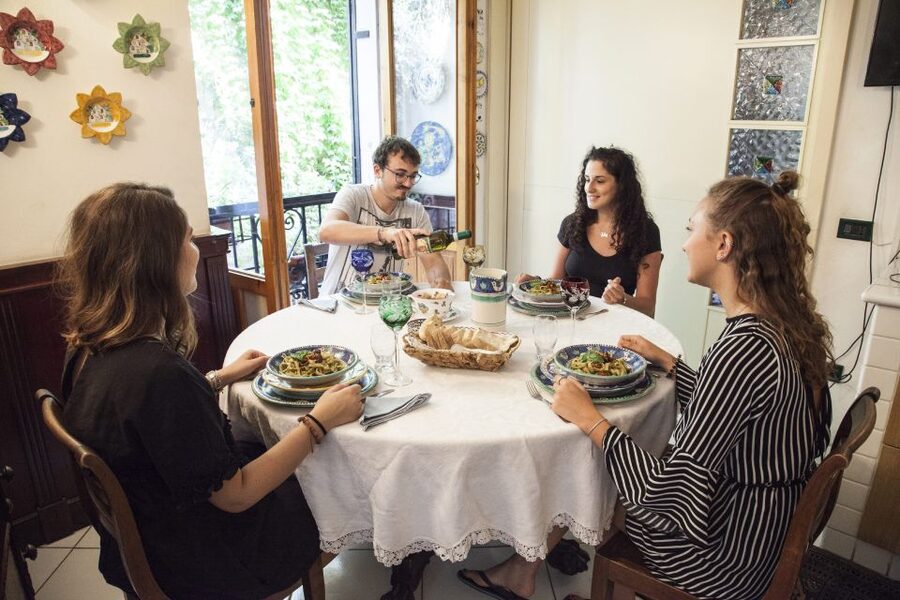
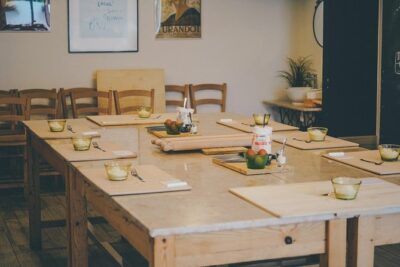
This isn’t a factory-style cooking school. It’s a small group experience in a local home in the Veneto area around Verona, run through Cesarine. That single detail changes the whole vibe. You’re not standing behind a counter watching someone else work; you’re joining the kitchen rhythm as a visitor who’s been invited in.
You’ll also start with food-and-drink momentum. There’s an Italian aperitivo with prosecco and nibbles, plus drinks like water, wine, and coffee included. It’s the kind of start that makes the room feel relaxed, and it helps you settle quickly because you’re not thrown straight into dough math.
The only real “gotcha” is logistics. Since the address is for privacy, you won’t get the full meeting location until after you book. Use that to your advantage: plan to arrive early enough to find it without rushing. And since the class ends back at the meeting point, you won’t need to figure out a last-minute transfer.
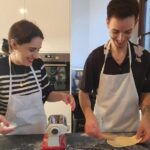
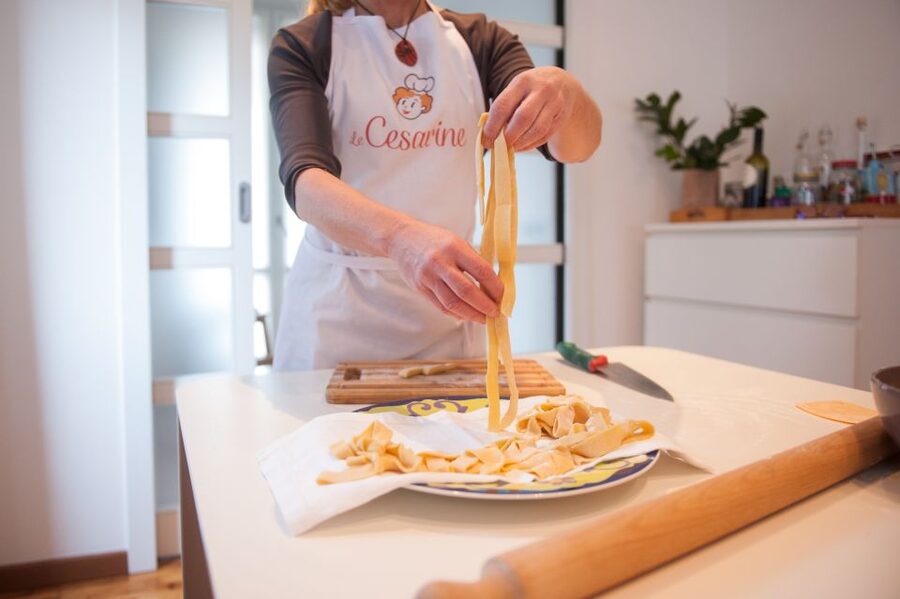
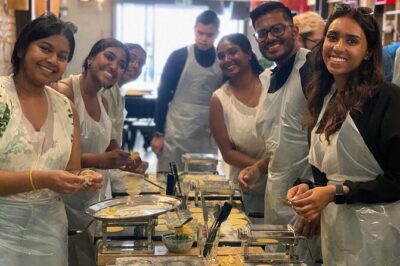
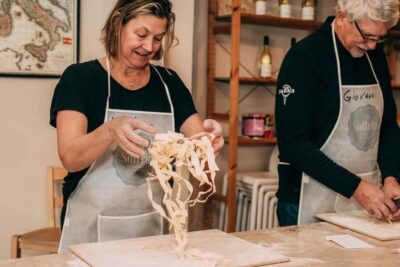
Rolling pasta and folding tortellini in a local kitchen.
Aperitivo first: how the lesson gets you in the mood
The aperitivo isn’t just a nice extra. It’s smart pacing. It gives you something to do while you meet your host and the other small group members. You get the sense of Italian hospitality right away: a quick welcome, a warm drink, a few bites, then hands-on time.
And because the host teaches in English and Italian, you get options. If you understand Italian, you’ll likely pick up more kitchen vocabulary and technique cues. If you don’t, you’ll still get clear explanations and guidance. Either way, it helps you actually learn what you’re doing rather than just following steps.
This is the moment where I’d watch how the host handles everyone’s questions. In classes like these, the best hosts adapt to the group, and the small size makes that easier.
Rolling sfoglia by hand: the skill that makes the rest click
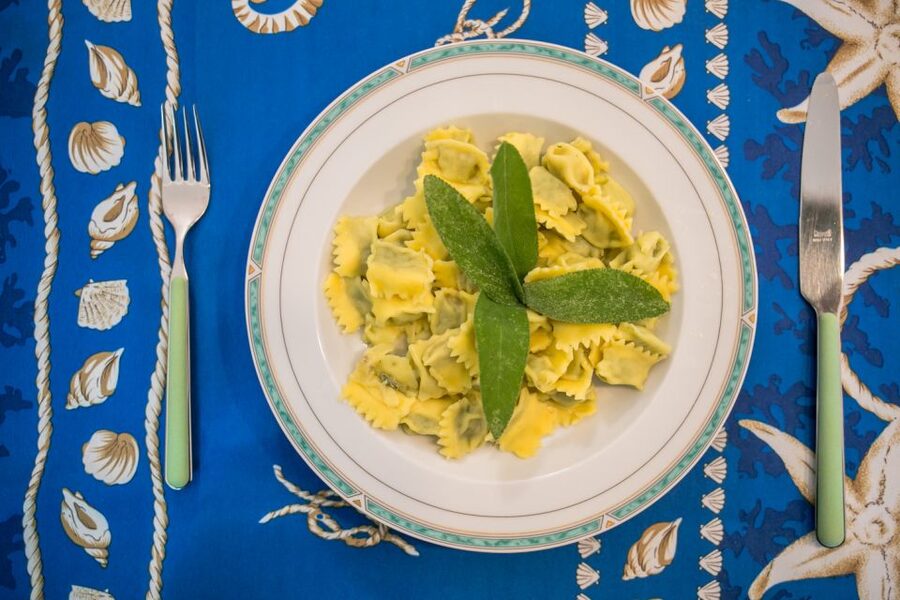
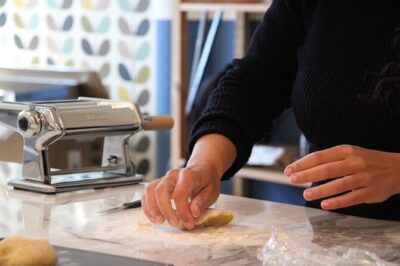
The headline skill here is rolling sfoglia by hand. Fresh pasta dough has a personality. It can feel too dry, too sticky, or stubbornly elastic. Learning by hand helps you understand what the dough is telling you through touch and resistance.
That matters because the “secret” to good fresh pasta isn’t a hidden ingredient. It’s technique:
- getting the dough to the right consistency
- learning how thin it should be without tearing
- keeping the dough workable while you shape it
When a host guides you through this, you’re not just producing one plate of food. You’re building a foundation you can use later. Even if you don’t cook pasta at home often, you’ll leave knowing what good dough should feel like.
And because this is a home setting with a small group, you can usually ask questions at the exact moment you need them. That’s the difference between learning and guessing.
Two pasta types from scratch: from dough to a real lunch or dinner
You’ll make two iconic pasta types from scratch as part of the lesson. The exact shapes can vary by session, but the training is consistent: you’ll take dough steps and transform them into something you can recognize on an Italian table.
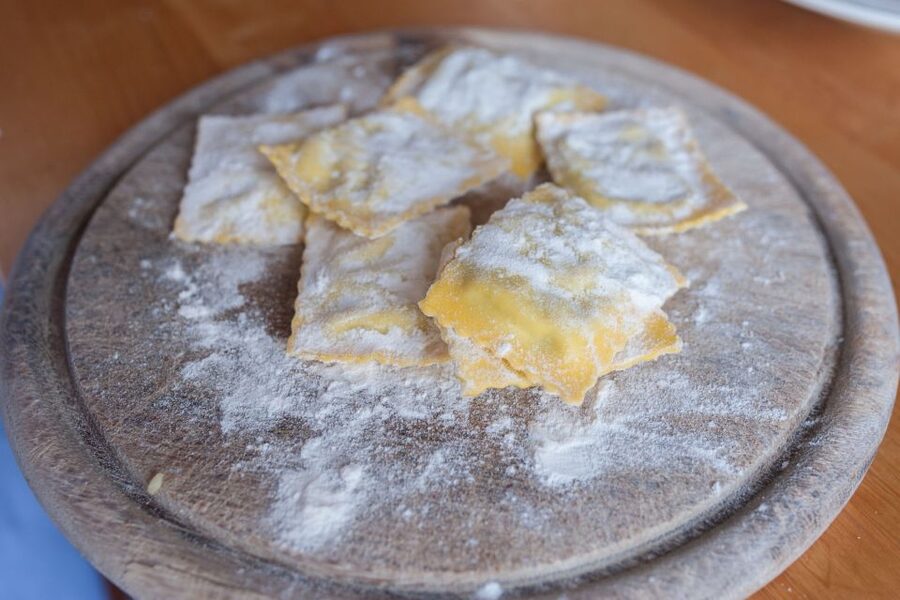
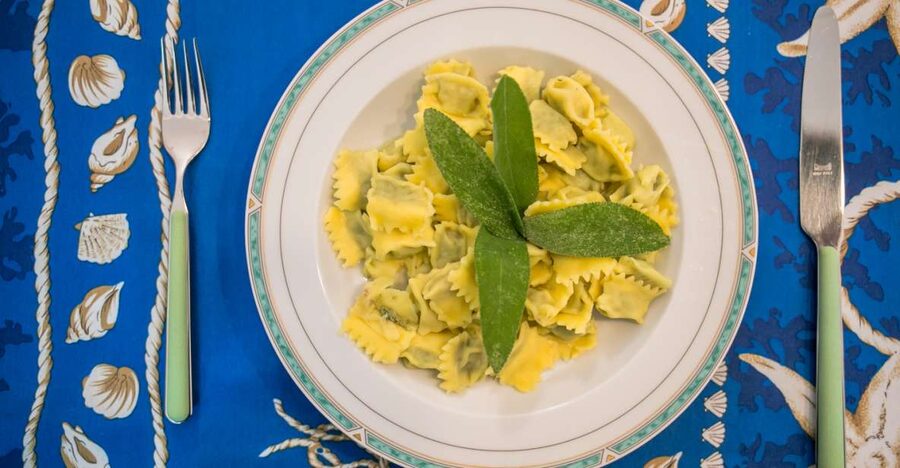
One example from an experience run by Adele included ravioli and taghatelle (tagliatelle-style). The shapes weren’t just assembled for a photo. They were part of a full meal:
- taghatelle with asparagus
- ravioli finished in a butter-cream style preparation
Even if your class ends up with different two pastas, you’ll still get the same core value: you’ll see how different shapes demand different handling. Ravioli teaches portioning and sealing discipline. Taghatelle-style pasta focuses more on rolling and cutting/portioning into elegant ribbons.
This is also where the class earns its place on your Verona itinerary. Anyone can order pasta. Not everyone leaves understanding how the dough becomes the dish.
Tiramisu in the same session: why timing matters
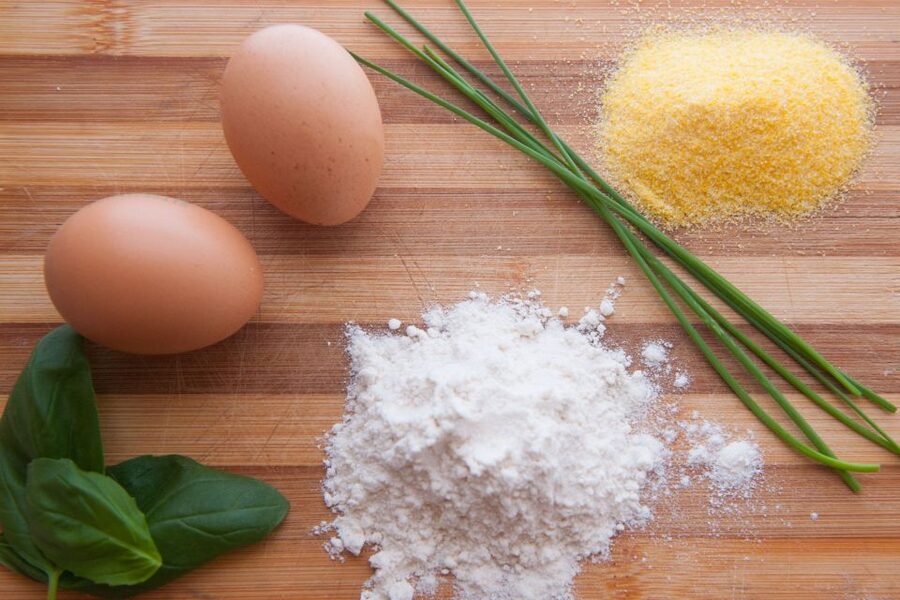
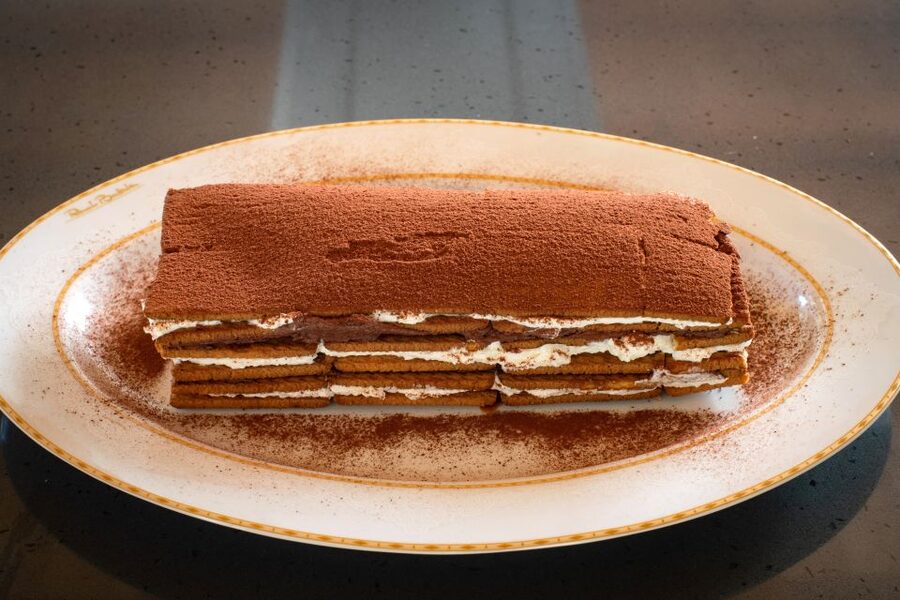
A highlight for me is that tiramisu is not an afterthought. It’s part of the cooking class, and the timing is built around eating it during your visit.
In one well-run session led by Adele, the group made tiramisu at the beginning so it could set properly. That detail is more useful than it sounds. Tiramisu is a dessert where timing affects texture. Starting early helps it reach the right consistency by the time you sit down to eat.
You’ll also get the satisfaction of producing the dessert yourself, then tasting it alongside your pasta. That pairing matters because it turns the experience into a full circle: you learn, you cook, and you eat the results while everything is fresh and warm.
More hands-on afternoons in Verona.


What you’ll eat and drink (and how full you’ll feel)
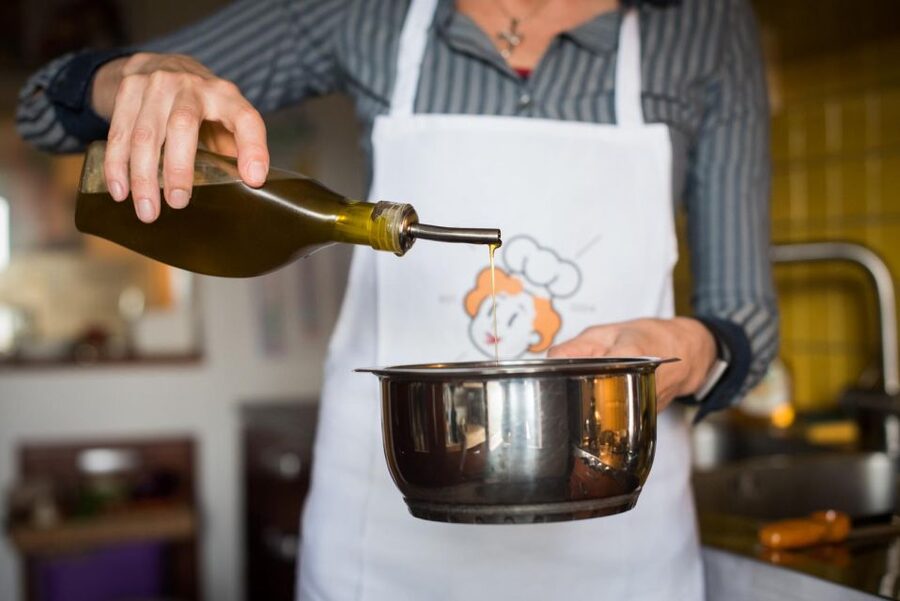
Included with your class, you get beverages such as water, wines, and coffee. You also get the Italian aperitivo with prosecco and nibbles. Then, after you cook, you’ll taste the two pasta recipes and the tiramisu you made.
This is one of the best parts of the experience for value. You’re paying for instruction, yes—but you’re also getting a full meal outcome. You’re not just tasting tiny samples. You’re eating what the group produced, with wine and coffee added to the table.
A practical tip: treat it like lunch or dinner, not a snack. Plan your day so you can enjoy it. If you try to “save room” for other Verona food afterward, you might end up regretting the timing.
Price in context: is $152.93 per person good value?
At $152.93 per person for a 3-hour class, you’re in a category that often mixes cooking instruction with meal and drink. Here’s what makes it feel reasonable rather than expensive.
You’re getting:
- A small-group cap (max 12), which usually means better attention.
- Hands-on teaching for sfoglia and two pasta types.
- A complete dessert lesson with tiramisu.
- Food-and-drink included: prosecco at aperitivo, plus wines, water, and coffee.
- The tasting of what you cook.
If you were to do this another way, you might spend comparable money on a guided food event but without the “repeatable skill” of rolling fresh pasta dough by hand. The value is in learning how to do it, then eating it. If you’re the type who wants to bring something home (even just a technique or two), this price starts to make sense quickly.
If you’re only interested in eating, rather than cooking, you might decide to skip. This experience is for people who want to participate.
Who should book this Verona pasta and tiramisu class
This is a great fit if you want:
- a hands-on activity that feels genuinely local
- a small group atmosphere
- fresh pasta skills you can practice later
- a fun group meal with wine included
It’s also a good option if you’re traveling with kids, because at least one host taught in a way that worked for children too. The lesson style here tends to be guided and interactive, which is what families usually need.
On the other hand, it’s not suitable for wheelchair users. Since the class is in a home, you may run into space steps or narrow areas that aren’t designed for accessibility. If you need step-free access, check first with the provider.
Practical tips to make your 3 hours go smoothly
Here’s how to get the most out of the experience without overthinking it.
Arrive a little early. Because the address is shared after booking, give yourself time to find the place calmly. A relaxed start means you’ll learn more.
Wear sleeves you don’t mind. Fresh pasta work can get messy. Even if it’s not dramatic, dough dust and flour happen.
Go hungry. This is a meal experience. The goal is to cook and then eat the pasta and tiramisu with included wine and coffee.
Ask for the “feel” cues. When rolling sfoglia, technique is partly about touch. If your host says something like make the dough pliable but not sticky, treat that as guidance for future attempts at home.
If you love dessert, lean in. The tiramisu portion isn’t just a tasting stop. You’re learning how it’s built and why timing helps it set.
Should you book this Verona pasta & tiramisu class?
If you want a Verona experience that’s more than sightseeing and shopping, I’d book it. The combination of hand-rolled sfoglia, two made-from-scratch pasta dishes, and tiramisu—plus prosecco, wine, and coffee—turns the class into a complete meal with real take-home skills.
Skip it only if you’d rather eat out than cook, or if accessibility needs make a home kitchen difficult. Otherwise, for couples, friends, and small families who like hands-on learning, this is exactly the kind of evening you’ll remember for the flavor and the technique.
FAQ
Where does the cooking class take place?
It’s held in a local’s home in Verona (Veneto, Italy). For privacy, you only receive the full address after you book.
How big is the group?
The class is a small-group experience with a maximum of 12 people.
What will I learn to cook?
You’ll learn to roll sfoglia (fresh pasta) by hand, make two iconic pasta types, and prepare the iconic tiramisu.
What does the class include to eat and drink?
You’ll have an Italian aperitivo (prosecco and nibbles), plus beverages including water, wines, and coffee. You’ll also taste the two pasta recipes and the tiramisu.
How long is the experience?
It lasts about 3 hours.
What languages are used during the class?
The instructor teaches in Italian and English.
More Verona Workshops
More Verona Cooking Classes
More Tour Reviews in Verona


Weighing up other options? More ways to spend a day in Verona and out on Lake Garda











Verona Cooking Classes, compared.
 ★ 5.0Pasta and Tiramisu Cooking Class With Free Flowing WineFrom $71575 reviews
 ★ 4.9Hands-on Fresh Pasta and Tiramisù Cooking ClassFrom $107295 reviews
 ★ 5.0Italian Cooking Class with Pasta, Risotto and TiramisùFrom $114268 reviews
 ★ 5.0Cooking Class : Fresh pasta and TIRAMISÙ with Lake Garda winesFrom $95260 reviews
 ★ 5.0Lazise: Fresh Pasta Cooking Class with Meal at Lake GardaFrom $89137 reviews
 ★ 5.0My Granny’s secrets: Making pasta in the heart of VeronaFrom $114131 reviews
 ★ 4.9Garda: Cooking Class with DessertFrom $107129 reviews
 ★ 5.0Bardolino: Garda Lake Pasta Cooking Class at AgritourismFrom $93114 reviews
Browse the lists this tour appears in