
Reviewed · MUSEUMS & CITY TICKETS
Verona: Palazzo Maffei House Museum Entry Ticket
A museum ticket in Verona that feels like a private collection. Palazzo Maffei House Museum mixes centuries in the same rooms, so you’re not just looking at art—you’re watching ideas change over time. Set in the historic center near Piazza delle Erbe, it’s an easy add-on day plan when you want something calmer than the big-ticket crowds.
I love the way the museum pairs old and new work inside a setting that feels like a noble residence. First you move through the museum’s “house” atmosphere—classical pieces arranged like a cabinet of curiosities—then you transition into galleries focused on 20th-century and contemporary art. I also like the art-name hit list, including Picasso, Marcel Duchamp, Umberto Boccioni, Giacomo Balla, and Giorgio de Chirico.
One thing to consider: this isn’t a single-style museum. It spans from the 14th century to today, and the second half leans strongly into Futurism and Metaphysical art, so if you only want one period, you’ll need to be selective with your time.
In This Review
- Key highlights worth planning for
- Palazzo Maffei House Museum in Verona: why this ticket is different
- Noble Floors: the private-house feel and the cabinet-of-curiosities approach
- The shift to 20th-century and contemporary art galleries
- Picasso, Duchamp, and the Futurists: what to look for as you compare centuries
- Price and value: what about $21 buys you in Verona
- How long to budget and how to plan your Verona day near Piazza delle Erbe
- Who should book this ticket (and who might want another plan)
- Final call: should you book Palazzo Maffei House Museum entry?
- FAQ
- Where is Palazzo Maffei House Museum located?
- How much is the entry ticket?
- How long is the visit?
- Is a guided tour included with the ticket?
- Is the museum wheelchair accessible?
- What is the cancellation policy?
Key highlights worth planning for
- Piazza delle Erbe location: Central Verona means less transit time and more time strolling after.
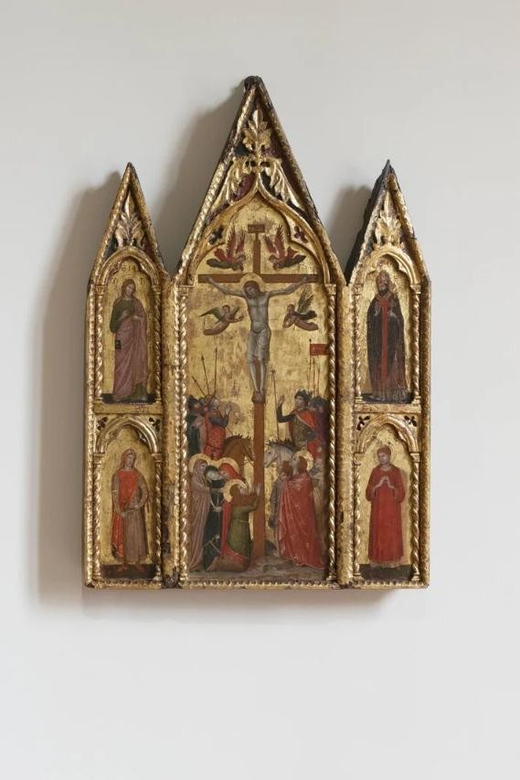
- 600+ works across eras: You’ll see how artists’ goals shift from the 1300s to today.
- Noble Floors first: A home-like layout with classical and modern works placed in dialogue.
- Futurism and Metaphysical focus: Strong presence of Boccioni, Balla, and de Chirico.
- Major modern names: Picasso and Marcel Duchamp appear alongside Italian modernists.
- Room-to-room pace: The layout encourages slow comparing, not one quick sweep.
Palazzo Maffei House Museum in Verona: why this ticket is different
Verona is famous for postcard landmarks, but you don’t need to spend your whole day chasing crowds to get a real sense of the city. This museum ticket lands you in the heart of things—right by Piazza delle Erbe—with an art collection that’s staged like a personal home rather than a strict timeline march.
What makes Palazzo Maffei House Museum a smart pick is the concept: it’s not only about what’s on the walls, it’s about how the collection is arranged. The museum connects classical works and modern works so they talk to each other. That means your attention shifts from artist to idea to style, and you’ll likely find yourself making your own comparisons as you walk.
It also helps that the collection is broad on purpose: you’re looking at 600+ artworks spanning the 14th century to today. If you like “show me how we got from there to now,” this place fits that mood nicely.
More museums and skip-ahead tickets around town.


Noble Floors: the private-house feel and the cabinet-of-curiosities approach
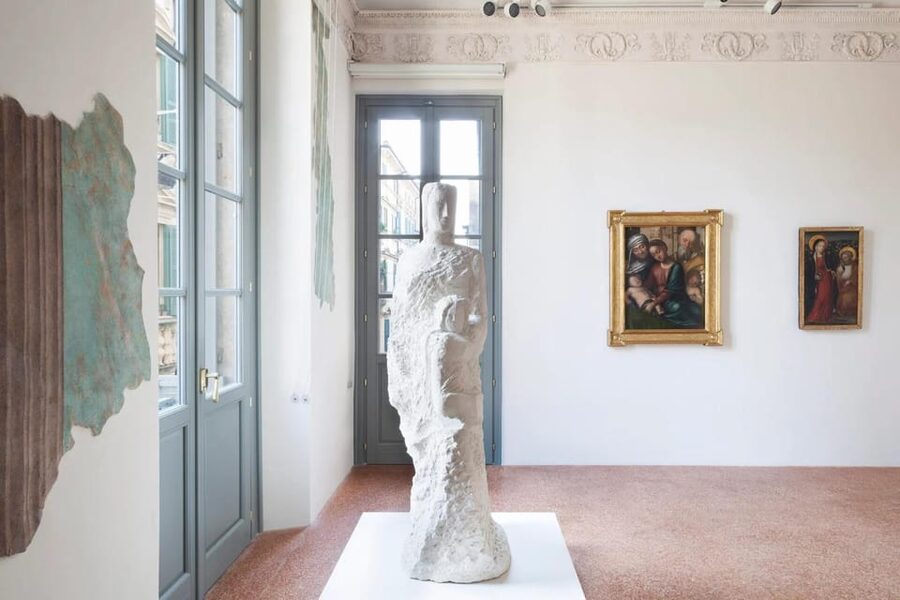
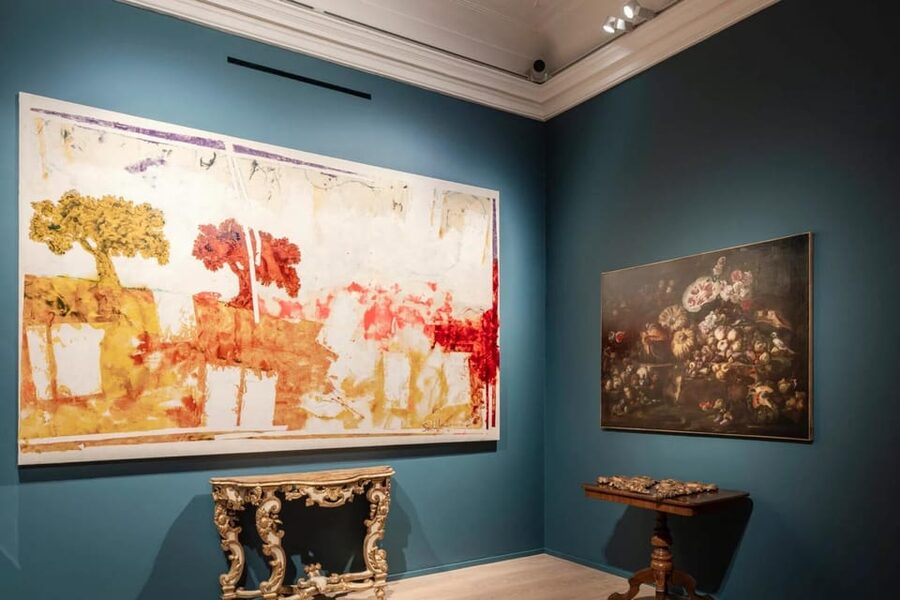
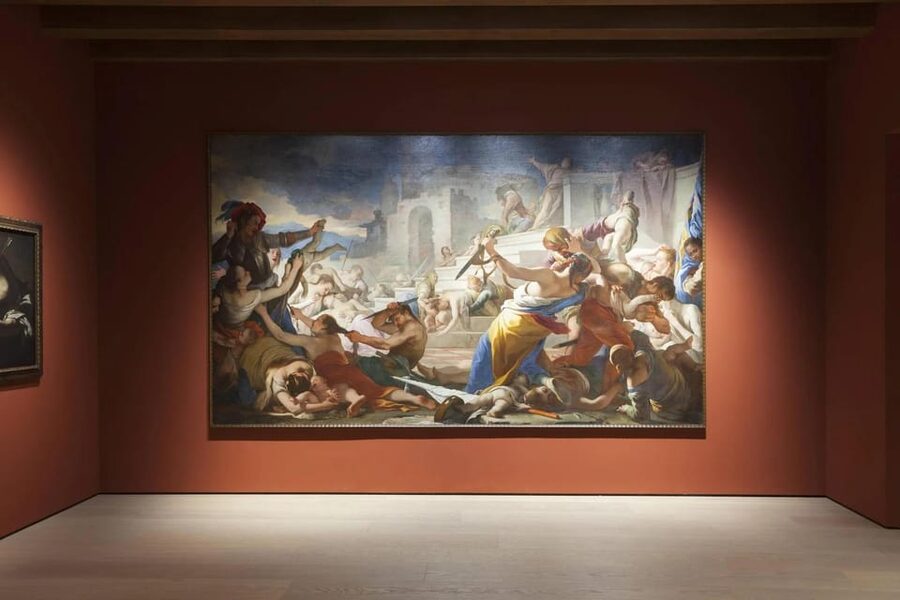
Your visit starts on the Noble Floors, designed to evoke the atmosphere of a private residence. In practice, that means you’re not just touring a gallery. You’re moving through a space that encourages you to imagine a collector’s eye—how someone might gather art, then place it so different periods create conversation.
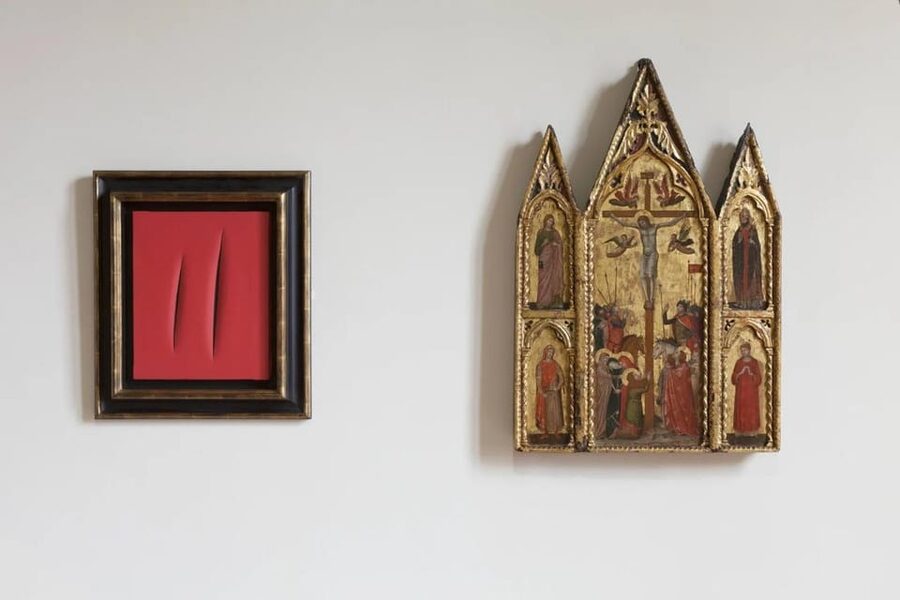
This first half leans into a classic cabinet of curiosities style: classical pieces are interspersed with modern works. The effect is subtle but powerful. Instead of getting separated by “period rooms,” you get juxtapositions. You may notice how a formal composition from earlier art can echo, contrast, or even confuse you when it appears next to 20th-century experiments.
I like this approach because it keeps you awake. When the museum jumps from the 14th century to later movements, you don’t feel like you’re walking through a textbook. You’re seeing how collecting and taste shape what you notice—especially when the arrangement makes you slow down.
Possible drawback: since there’s no guided tour included, you’ll rely on your own attention and the signage in the rooms. If you love commentary—dates, movements, and context laid out for you—bring that curiosity and plan for a bit more label reading than you might at a guided museum.
The shift to 20th-century and contemporary art galleries
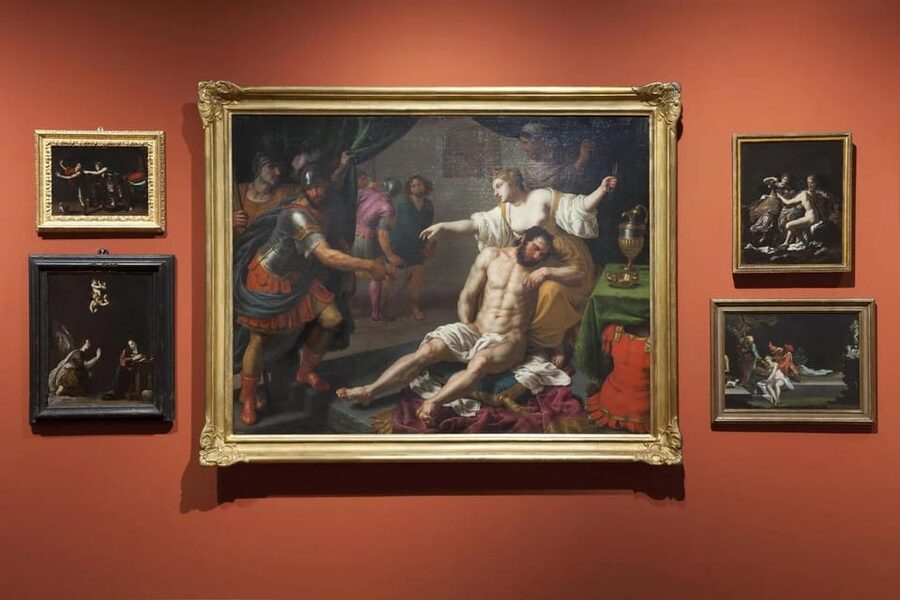
As you move into the second half, the tone changes from residence-like rooms to a more gallery-like presentation. This section is dedicated to 20th-century and contemporary art, and it’s where the museum’s personality gets sharper.
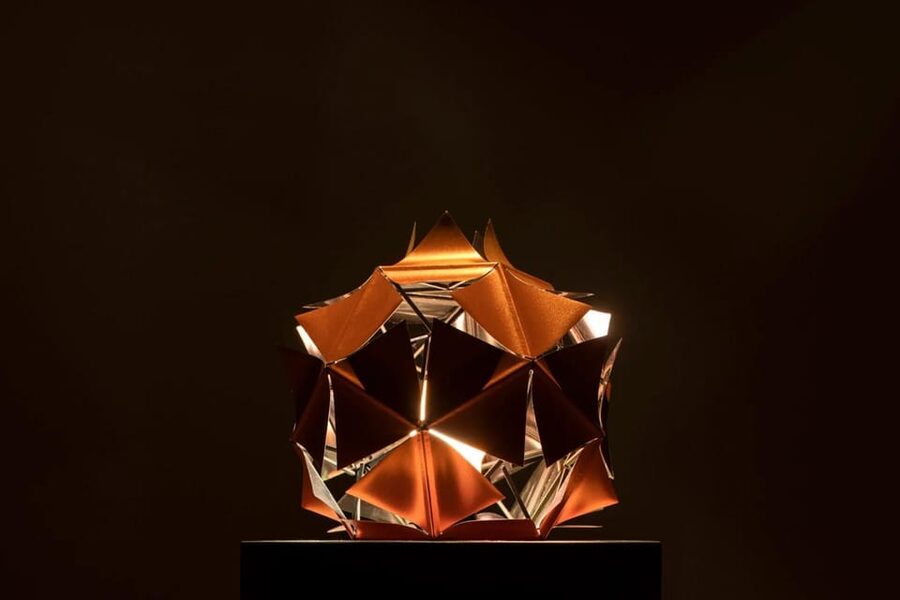
The museum has a strong focus on Futurism and Metaphysical art. That’s a big deal because these movements don’t always win points with casual museum visitors—some people find them puzzling at first glance. Here, though, you’re given a concentrated setting that makes the “why” easier to sense, because multiple artists and related works sit within the same modern arc.
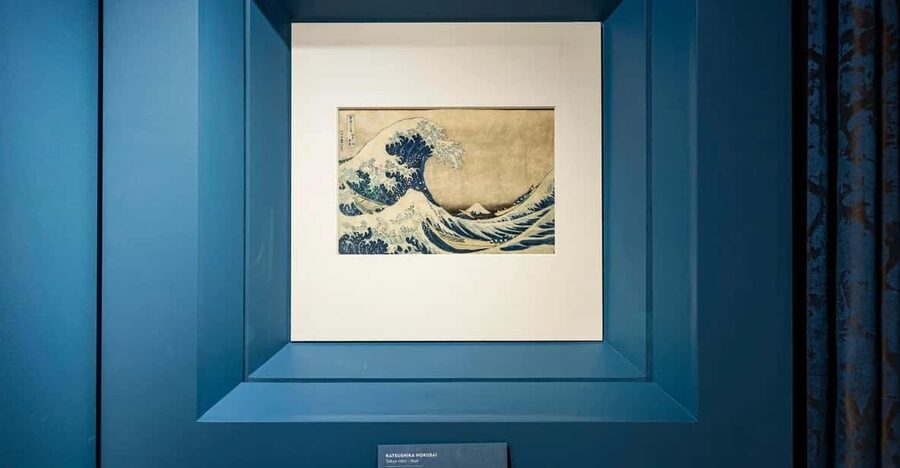
This is also where the museum leans into recognizable names across modern art. You’ll see artists such as Umberto Boccioni, Giacomo Balla, Giorgio de Chirico, Pablo Picasso, and Marcel Duchamp. Having both Italian modern movements and international modern giants in the same later section helps you connect the dots between styles and the larger European art conversation.
And yes, there’s a human story layered in. The museum reflects collecting and preservation—how Luigi Carlon’s initiative turned private passion into a public collection. You can feel that collector’s mentality: art isn’t treated like a museum-only product here. It’s treated like something meant to be lived with, discussed, and kept.
Picasso, Duchamp, and the Futurists: what to look for as you compare centuries
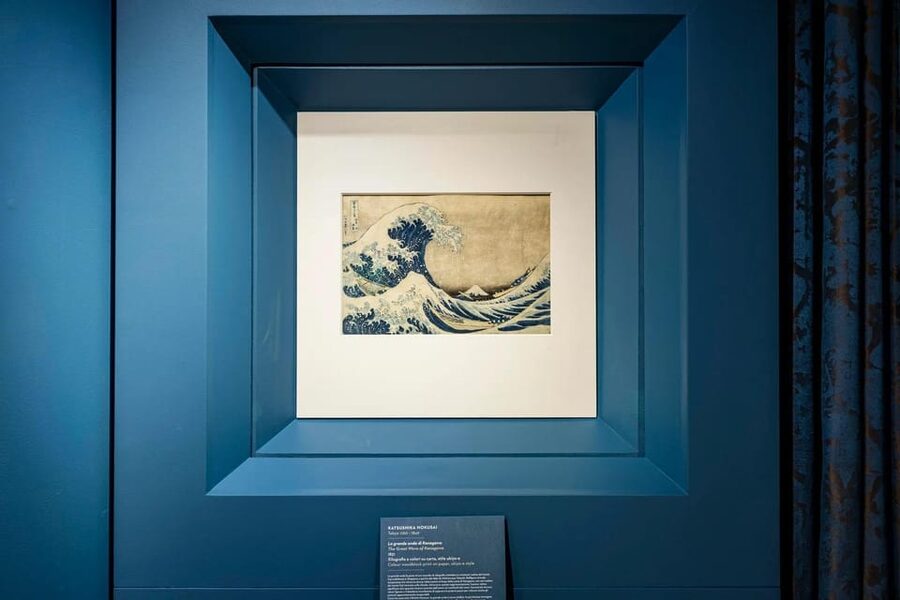
If you’re the kind of person who gets more out of a museum by searching for patterns, this is a good match. The collection’s layout basically hands you an assignment: compare the “before” and the “after” without the museum spoon-feeding a single narrative.
Start with the first half’s classical-to-modern pairing. Even if you don’t know every movement name, you can still ask simple questions:
- Do you see similar structure or completely different goals?
- Do lines feel decorative or purposeful?
- Does the modern work try to break rules, or just bend them?
Then in the later galleries, watch for how Futurism and Metaphysical art change the rules again—how they treat space, movement, and meaning. With Boccioni and Balla, you’re in the world where motion and energy matter. With de Chirico, you’re stepping into a mood where the world can look staged, odd, or dreamlike—less “real time,” more “real meaning.”
When Picasso and Duchamp show up in the same modern stretch, it can feel like the museum is widening the lens. You’re not only looking at Italian modern experiments—you’re also seeing major figures who helped reshape how art could function at all.
This is where I think the ticket becomes good value. A lot of museums charge for access to a room of art. Here, you’re paying for a guided-by-arrangement experience that makes you compare. That’s the kind of visit that sticks.
Price and value: what about $21 buys you in Verona
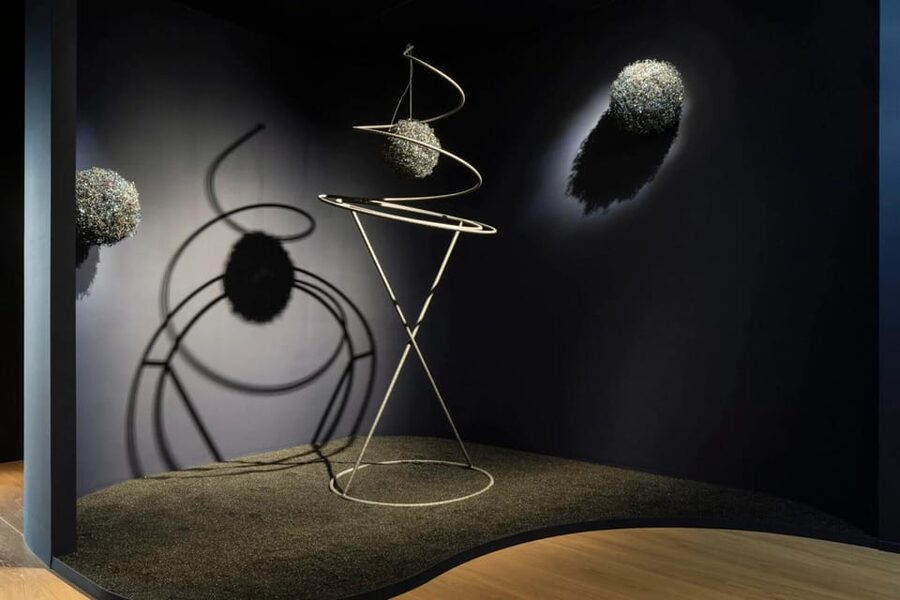
At about $21 per person, this entry ticket isn’t a budget-buster, but it’s not a throwaway purchase either. The value depends on what you want from a museum.
If you’re looking for one or two famous works, you might feel underwhelmed—because this place is about the collection and how it’s arranged, not just star pieces. But if you’re willing to spend time looking for contrasts, the $21 starts to make sense. You’re getting access to 600+ artworks across a very wide time range, plus a setting in a historic Palazzo that makes the museum feel like part of Verona itself.
Also, since no guided tour is included, you’re paying for the entry and the space. That can be a plus. Self-guided means you can move at your own pace and focus on the artists that catch your eye (Picasso, Duchamp, de Chirico, whoever pulls you in).
One practical note from real-world experience: there was at least one case where tickets couldn’t be scanned, but staff still let visitors in. So if your ticket app or barcode acts up at the door, don’t assume you’re out of luck. Approach the staff calmly and you can usually sort it out.
More sights to book ahead and skip the queue.



How long to budget and how to plan your Verona day near Piazza delle Erbe
The activity is listed as 1 day, with starting times shown when you check availability. That’s helpful because it means you can work it into your itinerary instead of forcing it into a tiny slot.
I’d plan your day around the museum’s location. Being by Piazza delle Erbe puts you close to a lot of walkable Verona. After the museum, you can keep exploring without needing transport plans. Think of it as a calm pause between outdoor sights: you’ll be in air-conditioned rooms (when you need them), then back outside for the city’s streets.
For a smooth visit, give yourself room to slow down in both halves. The museum’s structure is basically two different moods:
- Noble Floors first: home-like, curiosity-like, with classical and modern works placed together.
- Modern galleries second: more focused on 20th-century and contemporary art, especially Futurism and Metaphysical art.
Possible drawback: if you’re rushing, you’ll miss what makes this museum work. This isn’t a “look, snap a photo, move on” kind of place. The value is in comparisons.
Who should book this ticket (and who might want another plan)
This entry ticket is best for you if you:
- enjoy art across periods, not just one era
- like museums where the arrangement matters as much as the artworks
- want major modern names like Picasso and Duchamp in a setting that also includes earlier art
- are curious about Futurism and Metaphysical art, or at least willing to try
It may be less satisfying if you:
- only want one narrow time period
- expect a guide to explain every movement and connection
- prefer a straightforward chronological museum layout
The fact that it’s wheelchair accessible is a real plus for planning.
Also remember: the ticket is non-refundable, so pick a day/time you feel confident about.
Final call: should you book Palazzo Maffei House Museum entry?
I’d book this if you want a Verona stop that’s central, manageable, and genuinely different from the usual sight list. The mix of 14th-century to today plus the shift into Futurism and Metaphysical art makes it ideal for travelers who like discovery rather than only checking boxes. And the fact that the museum’s Nobel Floors set up classical and modern works in dialogue is the core reason it feels worth your time.
If you’re unsure, ask yourself one question: do you like comparing art styles and moods as you walk, or do you want someone to spell it out for you? If the first sounds like you, this ticket is a strong pick.
FAQ
Where is Palazzo Maffei House Museum located?
It’s in the historic heart of Verona, at Piazza delle Erbe (Veneto, Italy).
How much is the entry ticket?
The price is $21 per person.
How long is the visit?
The experience is listed as lasting 1 day. Starting times depend on availability, so you’ll want to check what’s offered.
Is a guided tour included with the ticket?
No. Museum entry is included, but a guided tour is not.
Is the museum wheelchair accessible?
Yes, the venue is wheelchair accessible.
What is the cancellation policy?
The activity is non-refundable.
More Verona Tickets to Prebook

More Verona Museums and Tickets

More Tour Reviews in Verona

Weighing up other options? More ways to spend a day in Verona and out on Lake Garda








Museums & City Tickets, compared.
 ★ 4.4Hop-on Hop-off Tour 24 or 48-Hour TicketFrom $292,010 reviews
 ★ 4.0City Sightseeing Verona Hop-On Hop-Off Bus TourFrom $30247 reviews
 ★ 5.0Museo Nicolis VeronaFrom $1682 reviews
 ★ 4.5A single ticket for the three museums – duration 30 daysFrom $1521 reviews
 ★ 4.6Custoza: Picoverde Water Park Skip-the-Line TicketFrom $1914 reviews
 ★ 5.0Solferino Ticket Valid for Visit to the Museum and the RoccaFrom $75 reviews
Browse the lists this tour appears in