
Reviewed · VERONA COOKING CLASSES
Verona: My Granny’s secrets making gnocchi
Flour on your hands, comfort on the plate, and a family recipe to keep. In Verona, you’ll learn gnocchi from scratch following the way the host learned from her Granny, then eat what you make with a cozy aperitivo and regional wine. It’s small-group cooking with Valentina and Davide, and it feels less like a class and more like being invited to the table for an afternoon.
Two things I really like: you’re taught the practical stuff (from spotting the right potatoes to shaping those signature little pillows), and you finish with a real meal plus wine instead of a quick bite-and-go. One consideration: in just 2.5 hours, you’ll do a lot, so if you’re after a super slow, step-by-step pace for perfect technique, you may want to plan for a little practice afterward.
In This Review
- Key highlights you’ll actually feel
- Verona’s Palazzo Mastino location and the kitchen-to-table rhythm
- The Granny-style method: potatoes, dough, and shaping gnocchi the way it’s meant
- Cozier than it sounds: aperitivo, a two-course meal, and Venetian wine
- Why the no/low salt and sugar choice changes your taste (in a good way)
- Price and value: $94 for hands-on cooking plus a full sitting meal
- Who should book this Verona gnocchi class (and who might not)
- Should you book this gnocchi class?
- FAQ
- How long is the gnocchi experience?
- What is the group size?
- What languages are the instructors speaking?
- Where is the meeting point in Verona?
- What’s included in the $94 per person price?
- Is wine included?
- Is salt and sugar used in the recipe?
- What if I have food intolerances or allergies?
- Optional admin (quick facts)
Key highlights you’ll actually feel
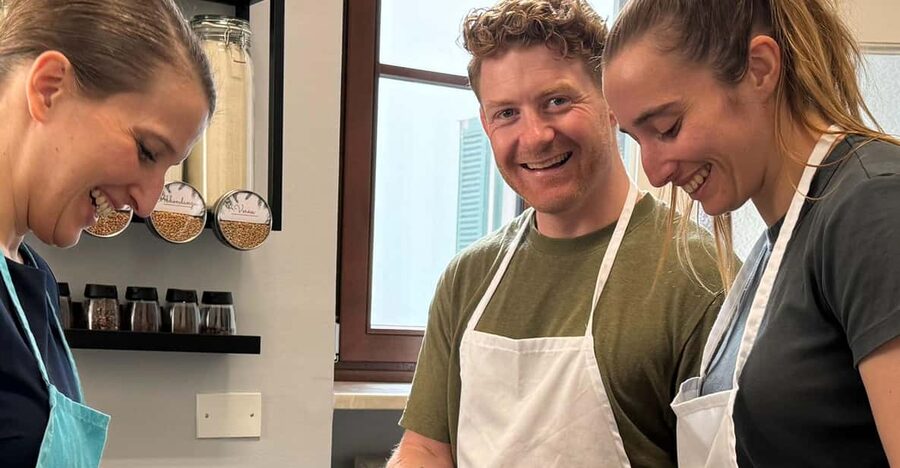
- Family-style instruction that keeps things friendly and hands-on
- Gnocchi from scratch, including learning the dough and shaping
- Small group of up to 10, so you get attention when your dough or shapes need help
- Taste what you make, at the same table with wine and an aperitivo moment
- No/low salt and sugar approach, built to highlight the real flavor of the ingredients
- Take-home recipes and tips so you can try again at home
Verona’s Palazzo Mastino location and the kitchen-to-table rhythm
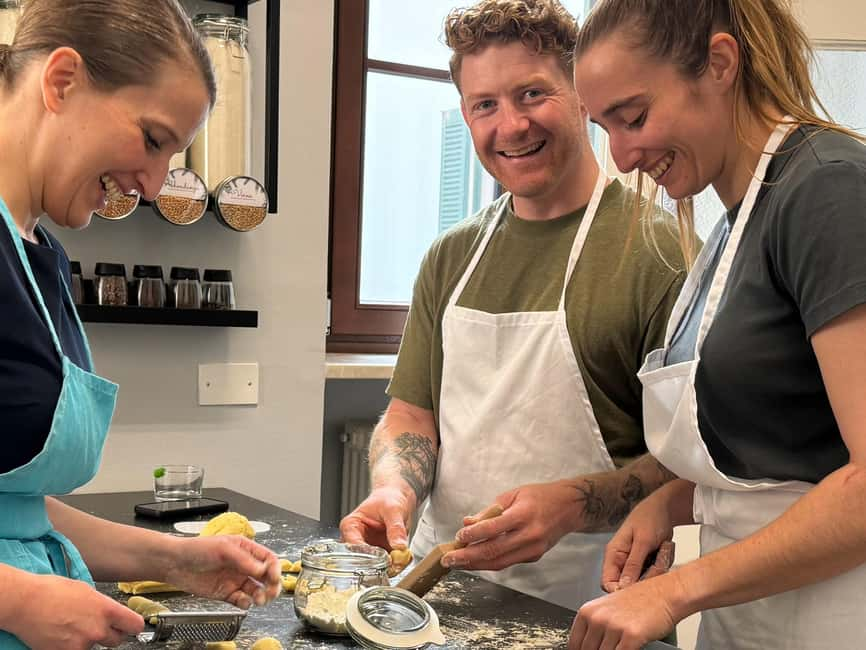
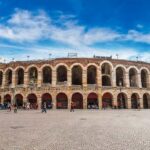
This experience starts close to the action but doesn’t feel like a tourist factory. You meet at Palazzo Mastino, about a 5-minute walk from the Verona Arena and roughly 1 minute from the Cittadella parking lot. That matters because it makes your pre- or post-gnocchi plan easier. You can park, walk in, and stay focused on cooking instead of spending your energy figuring out how to get there.
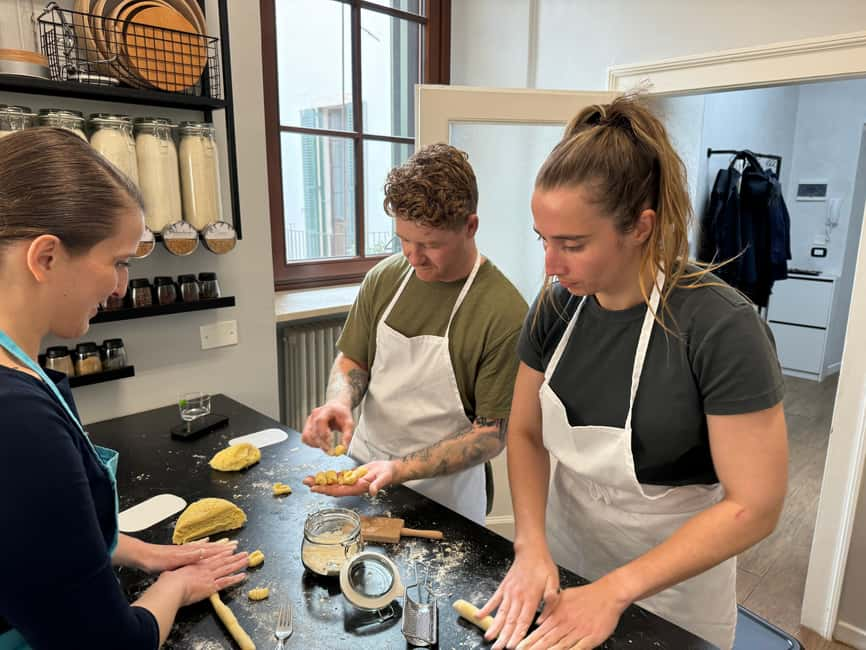
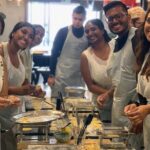
Once you’re inside, the structure is simple: you work at a shared, central table, get flour on your hands, and move from mixing and shaping to eating together. That “same table” setup is more than a nice touch. It changes the whole mood. You’re not just following steps; you’re part of the group’s food, and the class ends with you enjoying it while the conversation is still warm.
For practical comfort, you’re also set up for an afternoon that doesn’t feel dehydrating or rushed. Unlimited water is included, sparkling and still, which is a small detail that makes a big difference when you’re washing hands, tasting, and working at a food-station pace.
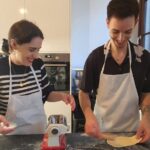
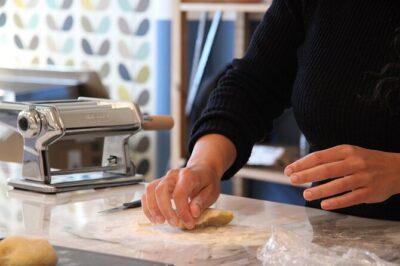
Rolling pasta and folding tortellini in a local kitchen.
The Granny-style method: potatoes, dough, and shaping gnocchi the way it’s meant
Gnocchi are simple in concept, but the texture is all about technique and ingredients. The best part here is that you’re not just handed a finished dough and told to shape. You learn why the process matters.
You’ll start with the part many people skip at home: recognizing the perfect potatoes. The host frames it through family memory—helping Nonna in the countryside, flour in the air, and stealing little pieces while shaping your stomach for more. Beyond the charm, this is the foundation. Potatoes are where gnocchi can go from delicate to gummy, bland to heavy. Getting the right kind and treating them properly is what helps the dough behave.
Then you’ll prepare the dough using the recipe learned from Granny (Nonna). The description makes it clear that this is the real-world method: dough is made from scratch in class, and the goal is learning a repeatable approach—not just getting a good photo.
Finally, you’ll learn the shaping that gives gnocchi their worldwide identity. Shaping isn’t only about looks. It helps create the surface texture that holds sauce and gives gnocchi that satisfying bite. In a small group, you can also get instant feedback when your dough feels too soft, too firm, or too sticky.
Two extra notes that help you manage expectations:
- This is a hands-on class, so you’ll want comfortable clothes for kneading and flour mess.
- Even if your first attempt isn’t perfect, the class is designed for learning. You’ll be able to compare your results with what you’re taught, and then take home recipes and tips to guide practice.
Cozier than it sounds: aperitivo, a two-course meal, and Venetian wine
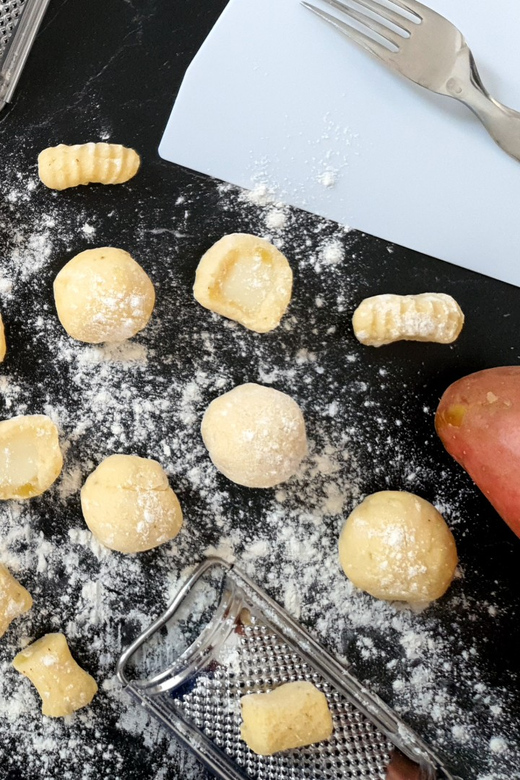
After you cook, the experience shifts from work to food—without leaving the table behind. You’ll enjoy a cozy aperitivo, then sit down and eat the gnocchi you prepared as part of a two-course meal. That flow matters because it keeps you connected to what you made. You can taste with context: you’ll remember the potato choice, the dough feel, and the shaping.
The drink component is also thoughtfully local. You’ll have a glass of wine produced in this region from a small company, plus unlimited water throughout. This is a nice value signal: many cooking classes give you a beverage, but here it’s tied to place—Veneto and a small producer story—rather than a generic add-on.
If you like food experiences that are social without being loud, this format should fit. The class wraps in laughter, and one of the best signals of that warm atmosphere is what happened for a birthday: one family celebrated their daughter with a happy birthday candle and song. That’s not something you should assume will happen for every booking, but it does suggest the hosts care about making moments feel personal.
Why the no/low salt and sugar choice changes your taste (in a good way)
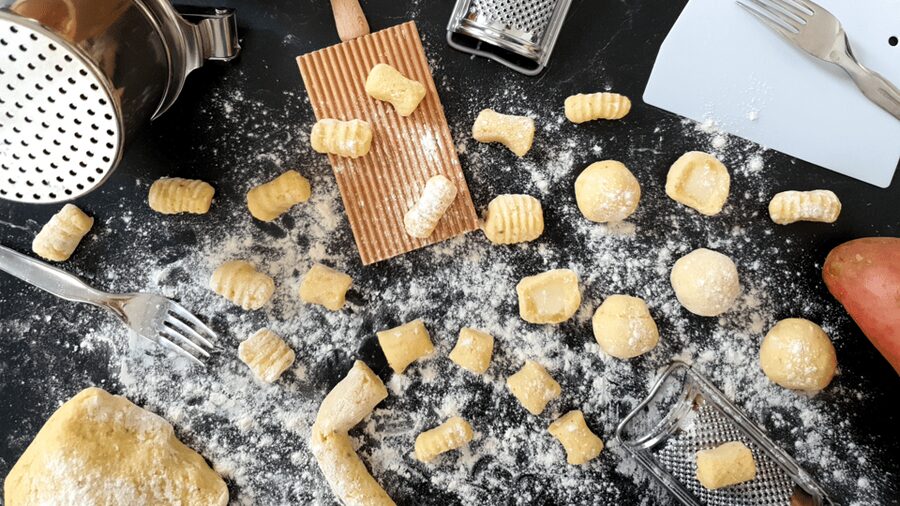
This is one of the most interesting details in the whole experience: the recipe is made and cooked with no/low salt and sugar so you can taste the true essence of the ingredients. That’s a deliberate style choice, not a gimmick.
For you, the practical result is that you’ll learn to judge flavor without leaning on salt-and-sugar shortcuts. When you eat a more lightly seasoned dish, you start noticing things you usually miss: the potato character, the dough texture, and how the final bite changes from cooking and shaping. It can also make your later at-home gnocchi attempts more accurate, because you’re training your palate for what matters.
One caution: if you’re used to very heavily salted sauces or sweetened food profiles, the first bite might feel more subtle than you expect. The point is balance, not blandness. The best way to get it is to taste slowly and notice the ingredient-driven flavor rather than chasing intensity.
Price and value: $94 for hands-on cooking plus a full sitting meal
At $94 per person for a 2.5-hour small-group class, it’s not a bargain snack—it’s a proper food experience. The value comes from what you get bundled in, not from squeezing you into a studio.
Here’s what’s included:
- Hands-on cooking class
- A two-course meal
- Unlimited sparkling and still water
- A glass of wine from a small Venetian producer
- Recipes and tips you can use later to make pasta at home
When you look at those together, the pricing starts making sense. You’re paying for time, instruction, space, and a sit-down meal with drinks. It’s also capped at a small group (up to 10), which usually means you’re not stuck watching while others cook. In a flour-and-dough class, that one-on-one attention is the hidden value.
And because the session ends with eating what you made, you’re not left feeling like you paid for participation only. You leave with a meal and a method you can repeat.
Who should book this Verona gnocchi class (and who might not)
This works best for:
- Couples or small families who want a shared cooking memory in a short time window
- People who enjoy practical cooking lessons more than demonstrations
- Anyone who likes regional food and wants a Veneto-style table moment, not just a street-food tasting
- Food lovers who learn faster by doing—mixing dough, shaping, and then tasting the result immediately
You might reconsider if:
- You want a rigid, worksheet-style class with strict pacing and minimal social time
- You’re looking for a long deep technical course (this is 2.5 hours)
- You’re very sensitive to flavors with low salt/sugar and would need heavier seasoning for comfort
On the upside, the class is offered in English and Italian, so you should feel included even if your Italian is limited. Also, if you have food intolerances or allergies, you’re expected to notify the host in advance so they can guide you appropriately.
Should you book this gnocchi class?
I’d book it if you want an authentic Verona food experience with real hands-on work and a meal that feels like part of the lesson. The small group size and family recipe approach are the big reasons. You’re not only tasting Italy; you’re learning the mechanics—potatoes, dough, and shaping—so you can try again at home.
Skip it only if you dislike the hands-on format, or if a low-salt, low-sugar approach clashes with how you normally eat. Otherwise, this is exactly the kind of class that turns into a story you’ll tell later: flour on your hands, laughter at the table, and gnocchi that you made yourself.
FAQ
How long is the gnocchi experience?
It lasts 2.5 hours.
What is the group size?
It’s a small group limited to 10 participants.
What languages are the instructors speaking?
The class is offered in English and Italian.
Where is the meeting point in Verona?
You meet at Palazzo Mastino, about a 5-minute walk from the Arena and about 1 minute from parking lot Cittadella.
What’s included in the $94 per person price?
The class includes the hands-on cooking session, a two-course meal, unlimited water (sparkling and still), a glass of wine produced in this region, and recipes and tips to make pasta at home.
Is wine included?
Yes. You’ll have a glass of wine produced in this region from a small company.
Is salt and sugar used in the recipe?
The recipe will be made and cooked with no or low salt and sugar.
What if I have food intolerances or allergies?
Let them know in advance about any special needs, intolerances, or allergies.
Optional admin (quick facts)
You can cancel up to 24 hours in advance for a full refund, and you can reserve now and pay later to keep your plans flexible.
More Verona Cooking Classes
More Tour Reviews in Verona
Weighing up other options? More ways to spend a day in Verona and out on Lake Garda



Verona Cooking Classes, compared.
 ★ 5.0Pasta and Tiramisu Cooking Class With Free Flowing WineFrom $71575 reviews
 ★ 4.9Hands-on Fresh Pasta and Tiramisù Cooking ClassFrom $107295 reviews
 ★ 5.0Italian Cooking Class with Pasta, Risotto and TiramisùFrom $114268 reviews
 ★ 5.0Cooking Class : Fresh pasta and TIRAMISÙ with Lake Garda winesFrom $95260 reviews
 ★ 5.0Lazise: Fresh Pasta Cooking Class with Meal at Lake GardaFrom $89137 reviews
 ★ 5.0My Granny’s secrets: Making pasta in the heart of VeronaFrom $114131 reviews
 ★ 4.9Garda: Cooking Class with DessertFrom $107129 reviews
 ★ 5.0Bardolino: Garda Lake Pasta Cooking Class at AgritourismFrom $93114 reviews
Browse the lists this tour appears in