
Reviewed · ROMEO & JULIET'S VERONA
Passionate Verona: Living Romeo and Juliet’s Story
One sentence can sum up this walk: Verona turns drama into real streets. I love how the Romeo and Juliet story is tied to specific corners of the city, and I also like that you start with Letters to Juliet filming-style locations so the movie and the legend click together fast. It’s an easy, short outing that helps you stop guessing and start seeing.
A key thing to plan for: the tour is about 1 hour, and the biggest sites at the end (like Casa di Giulietta) are listed as admission not included, so you may want a little extra time or budget for entry once you get there.
In This Review
- Key highlights worth your time
- Finding the story at Piazzetta XIV Novembre (and why the meeting point matters)
- Via Portici: the movie-catch moment that snaps the story into place
- Piazza delle Erbe: the everyday Verona behind the famous tragedy
- Cortile Mercato Vecchio and the Scala family link
- Piazza dei Signori: where meeting and rivalry feel possible
- Casa di Romeo: why the less-famous Romeo matters
- Via Sottoriva: medieval streets, Tybalt energy, and a walk with emotions
- Casa di Giulietta: the balcony moment and what to do before you leave
- Price and value: what $66.52 buys you in Verona
- Guide quality: what to expect from the people running it
- Who should book Passionate Verona, and who might skip it
- Should you book this Romeo and Juliet tour in Verona?
Key highlights worth your time
- Letters to Juliet inspired stops, including Via Portici and the balcony moment
- Local, story-driven guide (Maria Pia, Francesco, and Virginia are mentioned in recent guiding experiences)
- Verona landmarks in the right order, so the plot makes sense step by step
- The less-famous Romeo side with a stop at Casa di Romeo
- A focused medieval-street walk down Via Sottoriva where the Tybalt fight fits the streets
- Small group feel with a maximum of 15 travelers and short time between stops
Finding the story at Piazzetta XIV Novembre (and why the meeting point matters)
Your tour starts at Piazzetta XIV Novembre, 2, right by the historic core, and it finishes at Casa di Giulietta on Via Cappello, 23. That end-point detail matters because you’re not “walking back out” to your hotel at the end—you’re dropped where the iconic sites are, so you can keep exploring after the guided hour.
The group stays small (up to 15), which makes it easier to ask questions and hear the guide’s explanation without shouting over the whole piazza. Recent guiding experiences also point to a personable style—Maria Pia and Francesco are described as engaging story tellers with practical city insights, not just names and dates.
This is also a walking-first tour. If you’re planning your day around lots of other big sights (Arena, Roman ruins, churches), keep the schedule calm around this one. Verona’s medieval streets are charming, but they’re still cobblestones and curves.
Chasing Romeo and Juliet through the old streets.

Via Portici: the movie-catch moment that snaps the story into place
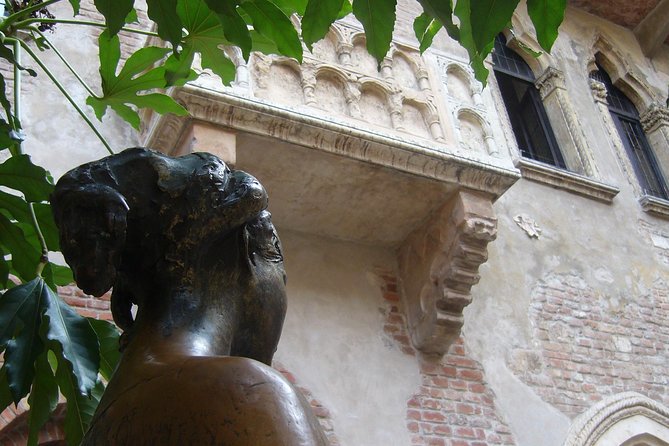
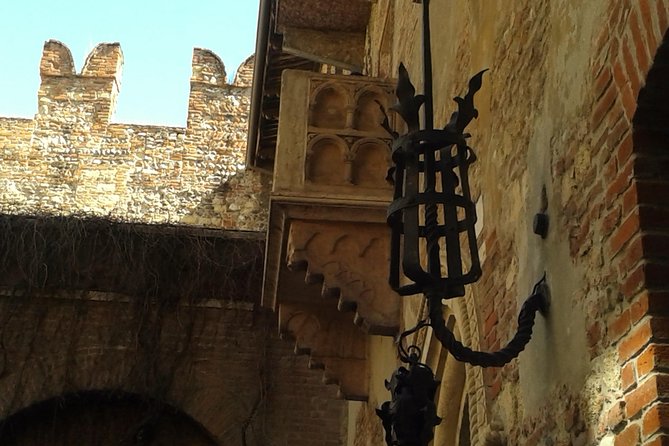
Stop 1 is Via Portici. If you’ve seen Letters to Juliet, this is where you’ll likely feel that tiny mental click: the road linked to Charlie’s journey in the film, plus the balcony where he gets a key glimpse. Even if you don’t remember every detail, you’ll understand why this street shows up—because the setting looks like the kind of place where romance and misunderstanding could spiral quickly.
This first stop is short, about 5 minutes, but it’s a great opener because it sets tone. You’re not starting with a lecture. You’re starting with place, then story, then place again.
What you’ll like most here: the guide uses the setting as a hook, so the rest of the walk doesn’t feel like random photo stops.
Piazza delle Erbe: the everyday Verona behind the famous tragedy
Piazza delle Erbe is next, around 10 minutes. This square isn’t just pretty; it’s a way to understand how people lived when Romeo and Juliet were part of the cultural imagination. The guide connects the background of the story to the city’s real-world rhythm—market life, civic spaces, and the kinds of places where news and gossip would travel fast.
The payoff is that the romance isn’t floating in a bubble. Instead, it sits in a living city, where public squares shape private lives. One of the most common reactions people have to this tour is that the guide makes architecture and eras feel logical—like the buildings aren’t scenery, they’re clues.
Possible drawback: if you’re expecting only “what happened to Romeo and Juliet” with minimal context, this stop may feel a bit more background-heavy than you planned. The tour is designed to connect story with Verona’s urban life.
Cortile Mercato Vecchio and the Scala family link
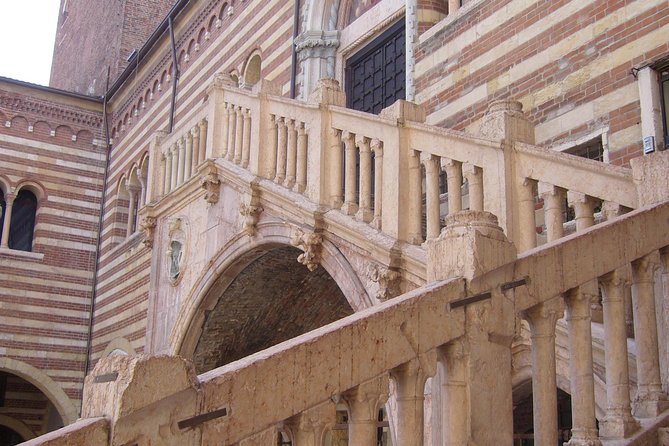
Stop 3 is Cortile Mercato Vecchio and the Scala della Ragione area, about 5 minutes. This is where the walk starts to feel extra “in the weeds” (in a good way): the guide points to the city hall setup from the period and ties it to a major plot pressure—Romeo being banished by Bartholomew I of the Scala family.
This is a great moment for anyone who likes cause-and-effect. You’re learning why power players matter, and you’re seeing how civic authority shows up in stone-and-arches Verona.
You don’t need to be a Shakespeare scholar to get it. The guide’s job is to translate big events into street-level understanding—who had power, where decisions were made, and why a banishment could change everything.
Piazza dei Signori: where meeting and rivalry feel possible
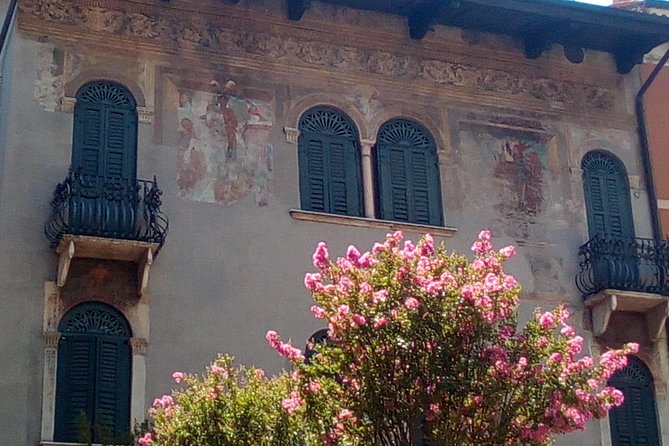
Piazza dei Signori is next for about 10 minutes. This is presented as a likely meeting place for Romeo and Juliet. Even if you treat it as “probable” rather than exact, it’s still one of the best spots for storytelling because the square’s layout and energy help you imagine interactions—chats, glances, and tense encounters—without the guide forcing anything.
If you’re a fan of architecture or urban design, you’ll probably enjoy how the guide reads the space: where eyes would land, where people would gather, and why the city’s geometry helps the legend feel believable.





Casa di Romeo: why the less-famous Romeo matters
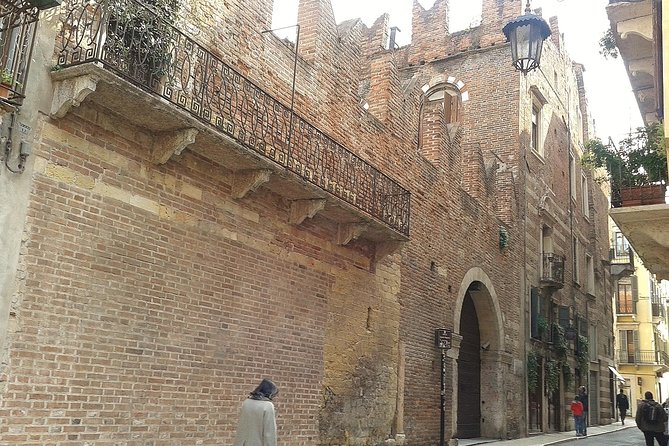
Stop 5 is Romeo’s House, Casa di Romeo, about 10 minutes. It’s not as famous as Juliet’s, and that’s exactly why it’s valuable. The tour gives you Romeo’s side of the story in a way that helps the whole tragedy feel more balanced. You’re no longer wandering through “Juliet landmarks” only—you’re learning why Romeo’s home and the city’s social world matter too.
Important practical detail: admission for Romeo’s House is not included. So if you want to go inside, you’ll need to buy a ticket separately on the day. This isn’t a problem, but it changes how you should pace yourself—don’t plan to squeeze a long lunch right before the tour if you’ll likely want time for that stop.
What I like about this stop: it teaches you that the story has more than one center, and Verona supports that idea in the way it preserves both houses.
Via Sottoriva: medieval streets, Tybalt energy, and a walk with emotions
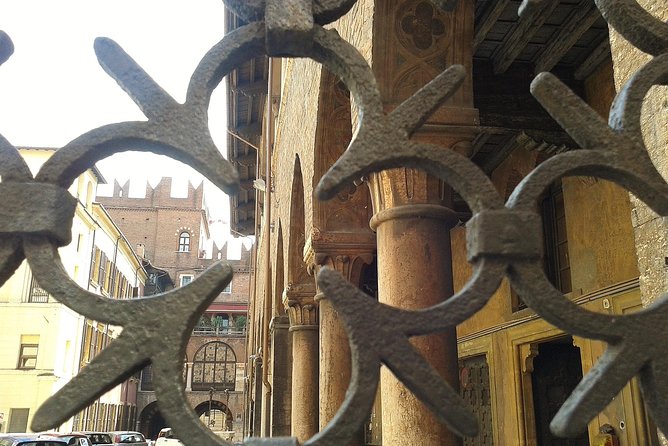
Stop 6 is Via Sottoriva, about 10 minutes. This segment is where the tour leans into the emotional payoff. The guide connects the background you’ve been building to the feel of the medieval streets where the Tybalt fight is said to belong.
This is where the “skip the navigation hassle” advantage really shows. You’re walking through historic narrow lanes without needing to decode maps, alley names, or which corner the guide is pointing at. The guide keeps you moving with purpose, and the streets do the rest.
Practical note: this is standing-and-walking time. One earlier experience called out that heat can be uncomfortable on foot, especially if you’re not able to stand for long periods. So if you’re visiting in hot weather or you’re dealing with foot or mobility limitations, aim for a calmer time window and wear supportive shoes.
Casa di Giulietta: the balcony moment and what to do before you leave
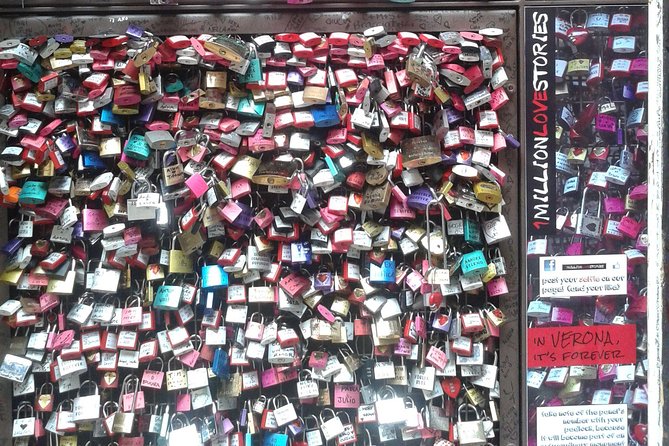
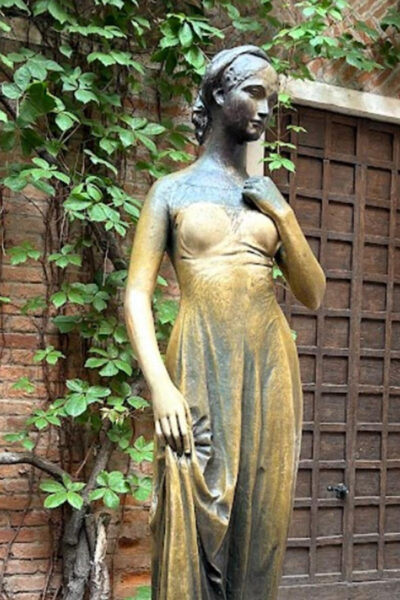
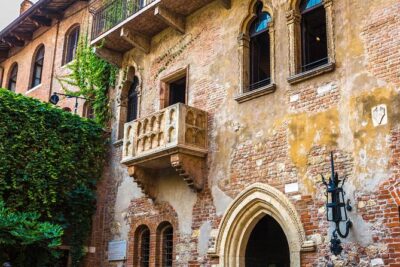
The final stop is Casa di Giulietta for about 10 minutes, and this is the big finish near Via Cappello, 23. This is where you see Juliet’s House and the place that made the balcony a global symbol.
A couple of practical details matter here:
- Admission for Casa di Giulietta is not included, so you may pay separately if you want entry.
- The tour ends here, which is convenient if you want to keep wandering in the area right after the guided hour.
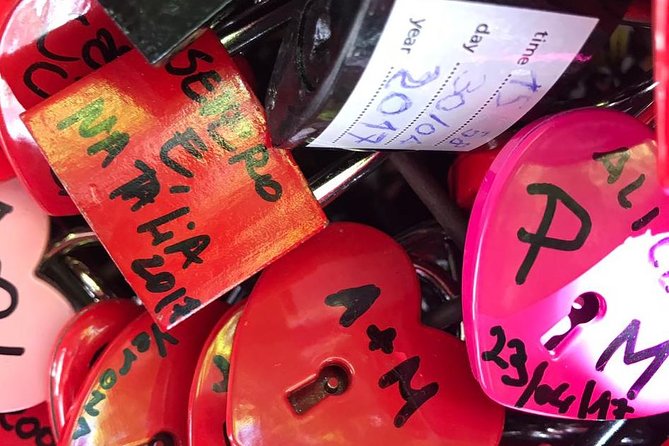
The guide explains the story in a way that makes this site more than a photo stop. You’ll also get ideas for small “Juliet ritual” moments. The description notes that you might want to post a letter to Juliet or add a padlock that becomes part of the Monument of Love. Whether you do those things or just take in the views, the context helps.
Why this ending works: after building the political pressure, civic spaces, and Romeo’s house, the final emotional hit feels earned, not random.
Price and value: what $66.52 buys you in Verona
At $66.52 per person, you’re paying for a short, guided walk (about 1 hour) that keeps the story moving in the right order. For me, the value comes from three things:
- Local interpretation. A good guide turns stone and squares into cause-and-effect. Recent experiences highlight guides like Maria Pia and Francesco as strong story tellers, with extra attention to how architecture reflects the era.
- Efficiency. Many of the sites are close, so you’re not spending your day shuttling around or solving navigation puzzles.
- Small group size. Up to 15 travelers makes it easier to hear details and get questions answered.
The one value “watch item” is admissions. The tour marks Romeo’s House and Casa di Giulietta as not included. Other stops in the flow are listed as free admission tickets. So your real all-in cost depends on what you choose to enter.
Guide quality: what to expect from the people running it
This experience is led by a professional guide, and the names that show up in recent guiding accounts include Maria Pia, Francesco, and Virginia. Guides are described as passionate, with a storytelling style that connects architecture, period details, and the Romeo-and-Juliet timeline.
If you care about Verona beyond just the headline sites, this kind of guide is the difference between collecting photos and actually understanding why the city feels like it does.
Also, one practical perk that came up in recent experiences: the guide/operator has been described as helpful even before the tour, sharing parking and restaurant ideas. That’s not the kind of “tour bonus” everyone gets, so it’s worth noting if you’re arriving by car or trying to eat well without guessing.
Who should book Passionate Verona, and who might skip it
Book this tour if:
- You want a Romeo and Juliet walking experience that stays grounded in Verona’s real places.
- You love film crossovers, especially Letters to Juliet, and you want those movie-related streets explained in context.
- You prefer a short, focused walk over a long day of transit and ticket lines.
Consider a different option if:
- You need lots of time inside major sites. Since the tour is about 1 hour and admissions for Casa di Giulietta and Romeo’s House aren’t included, you might feel rushed if you plan to do everything in one go.
- You’re sensitive to standing/walking in heat. Via Sottoriva and the final stretch are part of the experience, so pick footwear and timing that match your comfort.
Should you book this Romeo and Juliet tour in Verona?
Yes, if you want the fastest path to feeling the story in Verona rather than just looking at it. The combination of short stops, a story-first local guide, and the inclusion of both Juliet’s world and Romeo’s House makes this one of the better value ways to get oriented quickly.
I’d book it especially if this is your first time in Verona or if you’re tight on time. Just plan your expectations: it’s a one-hour walk with a strong narrative arc, and you’ll likely add extra time after the tour if Casa di Giulietta entry is a must for you.
More of Shakespeare's Verona


More Tour Reviews in Verona


Weighing up other options? More ways to spend a day in Verona and out on Lake Garda









Romeo & Juliet's Verona, compared.
 ★ 4.2Juliet’s House Fast-Track Entry Ticket & Audio GuideFrom $281,121 reviews
 ★ 4.5Wine Tasting near Juliet’s House & Arena with ValpolicellaFrom $50118 reviews
 ★ 5.0Fascinating Verona: in the Footprints of Romeo and JulietFrom $83108 reviews
 ★ 4.7Wine Tasting Workshop near Juliet’s BalconyFrom $4776 reviews
 ★ 4.8Romeo and Juliet Guided Walking TourFrom $6772 reviews
★ 3.5Juliet’s House Fast-Track Entry Ticket & Audio GuideFrom $2552 reviews
★ 4.8Romeo and Juliet Guided Walking TourFrom $6772 reviews
★ 3.5Juliet’s House Fast-Track Entry Ticket & Audio GuideFrom $2552 reviews
 ★ 4.5The city of Romeo and Juliet: A self-guided audio tour through VeronaFrom $1128 reviews
 ★ 5.0Verona Juliet’s House & City PRIVATE TOUR with Ticket IncludedFrom $11621 reviews
Browse the lists this tour appears in