
Reviewed · ARENA DI VERONA & OPERA
Guided tour of the Verona Arena with Virtual Reality
Verona’s Arena feels different with VR help. What makes this one stand out is the way the guide gives you a big-picture sense of where you are first, then follows it with a VR reconstruction that shows how the Arena looked and functioned around show time. I especially liked the stop in Piazza Bra for orientation and the added 3D viewer moment inside the Arena, even if the VR experience is more informative than cutting-edge. One possible drawback: some people may feel the VR visuals are too light for the price if you expect flashy, modern gaming style.
I also like the pacing. It runs about an hour, in English, with a maximum group size of 4, so you’re not just herded along. You start at the Statua di Vittorio Emanuele II in Piazza Bra, and you finish inside the Arena di Verona where you can leave when you want. That flexibility matters when you’d rather linger for photos.
Finally, the guide can make the difference. Frank (Francesco) is named in multiple comments as a story-teller who keeps things lively and clear, and the VR portion is often described as well done. Still, if you’re very VR-focused, read the room: one review calls out that the VR can feel like a few static images, not a full interactive tech showcase.
In This Review
- Key things to know before you go
- Piazza Bra: getting your bearings before you walk in
- Entering the Arena di Verona with a guided 3D reconstruction
- The guide makes it: Frank (Francesco) and the storytelling rhythm
- What the included ticket means for your time
- Price and value: is $46.73 fair for a VR Arena visit?
- Timing, logistics, and how to plan your meetup
- Practical tips to make this feel smooth
- Who this tour is best for (and who might not love it)
- Should you book the Verona Arena with Virtual Reality?
Key things to know before you go
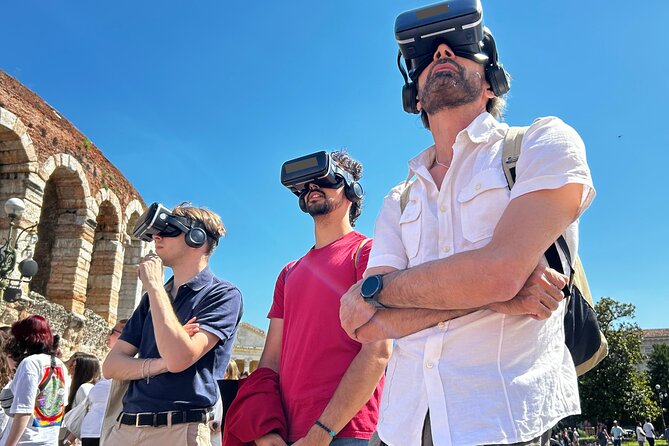
- Piazza Bra orientation first: you learn how the Arena’s size shaped the surrounding city before you step into it
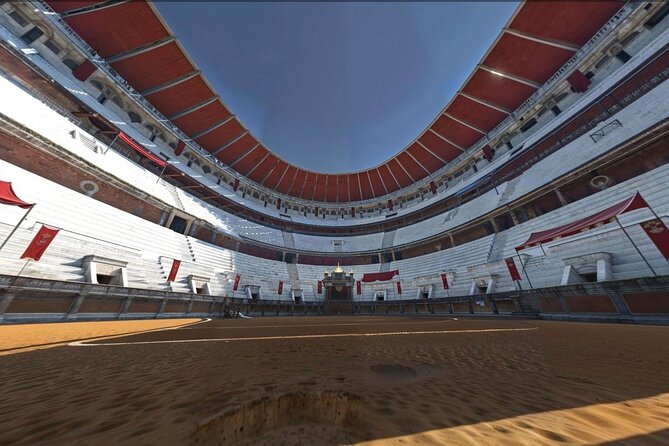
- VR reconstruction inside the Arena: you see the monument as it appears today and how it looked around 2,000 years ago
- Show-time staging concept: the VR includes what it looked like just before a performance, with a gladiator-style perspective
- Small-group format: up to 4 travelers means less waiting and more attention from your guide
- Included Arena ticket plus 3D viewer: you’re not paying separately for entry or the VR component
Piazza Bra: getting your bearings before you walk in
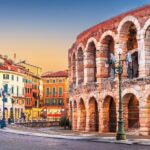
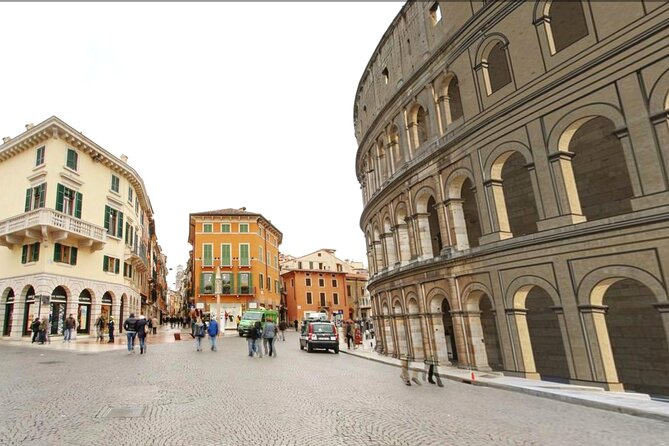
The tour starts at a very logical spot: the Statua di Vittorio Emanuele II in Piazza Bra. From here, you’re standing in the main open space that frames the Arena di Verona. That matters because the Arena is huge, and it can feel confusing when you’re seeing it for the first time. The guide uses the square to help you understand how the Arena’s mass and presence shaped the city that grew around it.
I like this approach because it turns the Arena from a single photo subject into a real urban landmark. Instead of jumping straight to the seats and arches, you get a map in your head: where different parts of the Arena sit, how the building affects movement around it, and why Piazza Bra feels like the Arena’s living room.
This first stop lasts about 30 minutes, and the admission ticket for this portion is free. That means your time here is about learning and context, not squeezing between lines.
If you’re the type who enjoys architecture and city layout, this is the part that will click the fastest. Even if you’ve seen Verona before, Piazza Bra gives you a fresh way to look at the Arena’s silhouette.
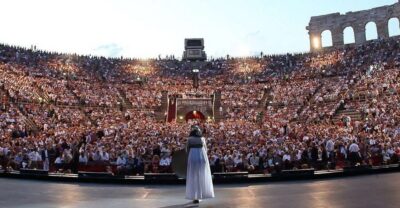
Back under the arches of the Roman arena, opera nights included.

Entering the Arena di Verona with a guided 3D reconstruction
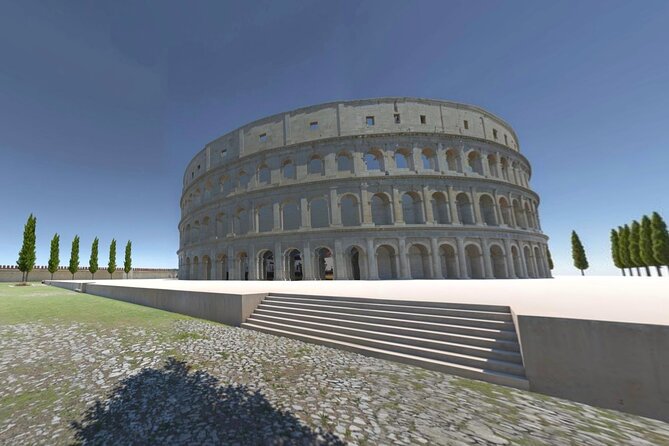
After Piazza Bra, you move into the Arena di Verona for the main show. This is where you get the best-preserved-in-Italy viewpoint people come for, plus the modern lesson plan: what you see today compared with how the space functioned about 2,000 years ago.
The VR/3D component runs about 30 minutes and uses a 3D viewer. The reconstruction is designed to help you picture the Arena not just as ruins or a monument, but as an event space. The key idea is show-time staging: you can see how it was set up just before a performance—like the moment right before action starts.
One of the most memorable angles is the perspective built into the presentation. It’s framed as if you’re in the shoes of someone waiting in the Arena—gladiator-style—watching and anticipating what happens next. You don’t need to be a Roman history expert for this to land. It’s more about helping your brain place yourself inside the space at the right moment in time.
What you should consider: the VR is often described as interesting and fascinating, but not every expectation will match what you’re imagining. One comment specifically says the VR is limited to a few static images, and that expectation can create disappointment if you’re paying with the mindset of modern, interactive VR gaming. If you’re open to VR as an explanatory tool rather than a full tech spectacle, you’ll likely enjoy it more.
The guide makes it: Frank (Francesco) and the storytelling rhythm
Across the experience details, one name comes up often: Frank, also identified as Francesco. The standout theme isn’t just friendliness. It’s how he strings the facts into a story you can follow without effort.
That’s important for a site like the Arena di Verona. Without narration, it’s easy to see it as a dramatic shell and stop there. With a good guide, you start picking up patterns: how the Arena’s shape relates to viewing angles, how performance staging changes what the space feels like, and why preservation matters for what you can still picture.
I like tours that keep a steady rhythm: a clear start, a learning chunk, then a sensory moment. This one follows that pattern. Piazza Bra prepares you. The VR chunk reinforces the meaning. Then you’re free to step around inside the Arena at the end of the tour.
And yes, the AI portion is mentioned as well executed. That doesn’t automatically mean it’s perfect, but it does suggest the technology supports the story rather than interrupting it.
What the included ticket means for your time
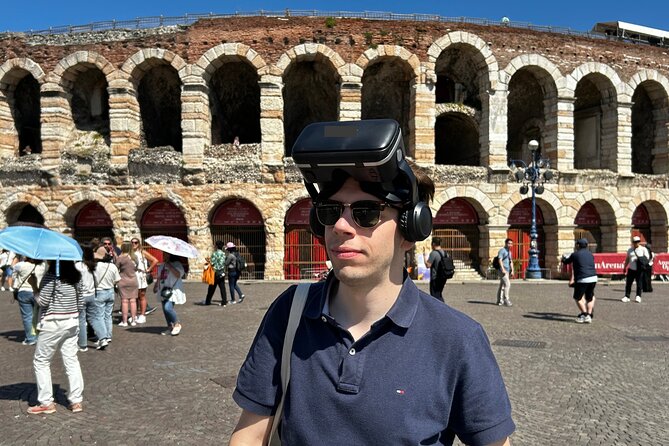
This tour includes entrance to the Verona Arena, so you’re not juggling separate bookings mid-day. It’s built so you can go from your meeting point straight into the structured visit, then finish inside the Arena where you can exit whenever you want.
That matters if your travel day is packed. You get a guided flow plus an included entry ticket. If you had to buy entry separately, you’d spend more time re-planning, and you’d be more likely to arrive stressed instead of ready.
The tour also uses a mobile ticket, which is convenient in practice. You don’t need to track paper tickets, and it fits the way most people travel now.
One small note: soda or pop is not included. That’s not a deal-breaker, but it’s worth planning for a quick water stop if you’re out in the sun in Piazza Bra.
Price and value: is $46.73 fair for a VR Arena visit?
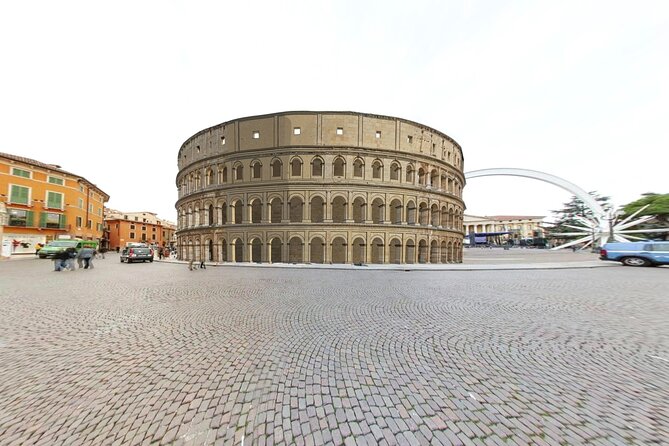
At $46.73 per person, this isn’t a budget-only add-on. The value depends on what you want from the Verona Arena experience.
Here’s how I think about it:
- You’re paying for three things together: a guided walk, a Verona Arena admission ticket, and a 3D viewer VR reconstruction.
- The group size is capped at 4, which can justify higher pricing if you care about pacing and attention.
- The tour is only about 1 hour, so you’re not buying a half-day commitment.
So if you want a guided orientation plus a visual time-travel element, you may feel like you got your money’s worth. A separate Arena ticket plus a generic walking tour would likely cost you similar time and money anyway.
If your main goal is learning from a traditional guide and you already know the basic Roman-Arena story, the VR portion might feel like the expensive middle step. That’s where the critical comment lands: some people wanted more from the VR for the price. In other words, the value equation shifts depending on your tech expectations.
My practical take: if you’re curious about emerging VR tools and you like seeing how technology can explain a historic space, this is a strong fit. If you only want a very deep historical lecture, you might consider whether a standard guided Arena tour would satisfy you more.
More days out with a Verona local guide.


Timing, logistics, and how to plan your meetup
This experience runs for about 1 hour. It’s split evenly between the two main parts, with 30 minutes at Piazza Bra and about 30 minutes at the Arena for the VR/3D portion and the guided focus there.
You meet at the Statua di Vittorio Emanuele II in Piazza Bra. When you’re done, you end inside the Arena di Verona at Piazza Bra 1. The tour ending inside the monument is a plus. You can linger for photos or just soak in the scale a bit longer without needing to re-route back outside with the group.
Location-wise, it’s near public transportation, which is useful in Verona. Piazza Bra is one of the most central zones, so you won’t be wrestling for transfers.
Weather matters too. The experience requires good weather. If it gets canceled due to poor weather, you’ll be offered a different date or a full refund. That’s worth factoring in if you’re traveling in shoulder seasons or planning a day with lots of outdoor time.
Practical tips to make this feel smooth
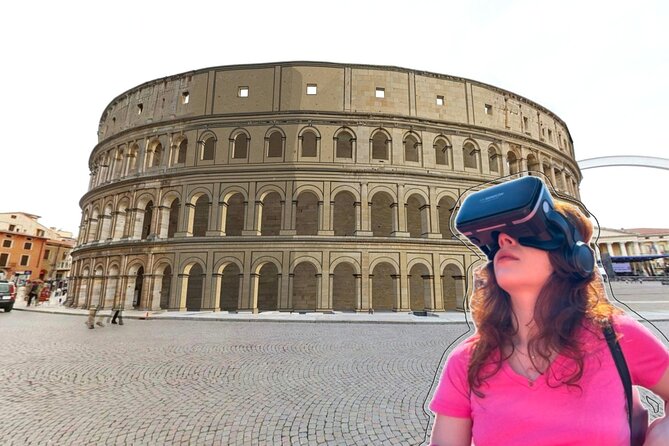
A few things will help you get the most out of the hour:
- Arrive a bit early for Piazza Bra. The meeting point is clear, but it’s a busy tourist square at peak times.
- Wear comfortable shoes. The Arena area is manageable, but you’ll be moving between the square and the interior spaces.
- Bring your attention to the VR moment. The VR works best when you’re ready to follow what the guide is setting up conceptually.
- If you’re sensitive to tech disappointments, adjust your expectations. This is VR as an explanation of a historic space, not a full interactive environment.
On language: it’s offered in English. If you’re not comfortable in English, you might want to consider whether your language comfort level is enough to follow the storytelling during the guided portion.
Accessibility note from what’s provided: service animals are allowed, and most travelers can participate. That suggests a generally workable format for a wide range of visitors, but you should still judge what feels right for your own comfort level.
Who this tour is best for (and who might not love it)
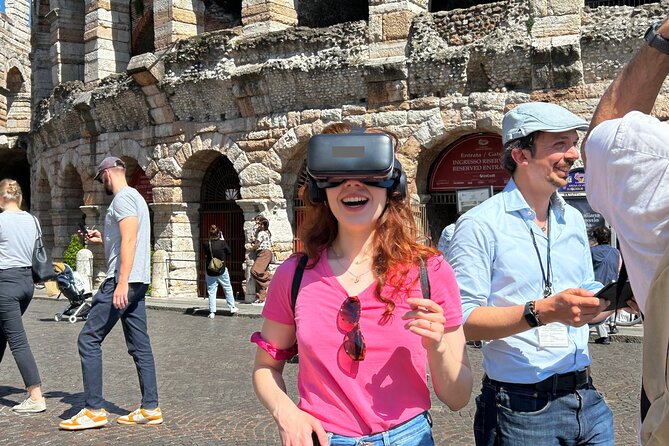
This is a great match if you want a mix of old and new. You’ll like it if:
- You’re visiting Verona Arena for the first time and want a quick orientation before you look around
- You’re interested in how VR/3D tools can explain ancient spaces
- You like small groups and a guide who can keep the pace moving
It may be less satisfying if:
- You’re extremely tech-critical and expect VR to feel like modern interactive gaming
- You only want a traditional walk-and-talk history experience, with no technology component
- You’re already very familiar with Roman arenas and just want a monument visit without the reconstruction concept
Should you book the Verona Arena with Virtual Reality?
I’d book it if you’re excited by the combination: guided orientation at Piazza Bra plus an included Arena admission and a 3D viewer reconstruction. The small-group size (up to 4) and the emphasis on show-time staging give this tour a point of view that you won’t get from an Arena visit alone.
I’d think twice if you’re paying mainly for top-tier VR interaction and you tend to be disappointed when visuals are more explanatory than immersive. In that case, the VR portion may feel limited compared with what you were hoping for.
If you’re flexible about weather and you’re okay treating VR as a helpful story tool, this is an enjoyable way to see the Arena di Verona in both present-day form and an imagined pre-show state.
More Verona Tours


More at the Arena di Verona
More Tour Reviews in Verona
Weighing up other options? More ways to spend a day in Verona and out on Lake Garda









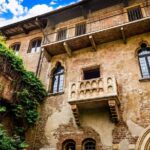
Arena di Verona & Opera, compared.
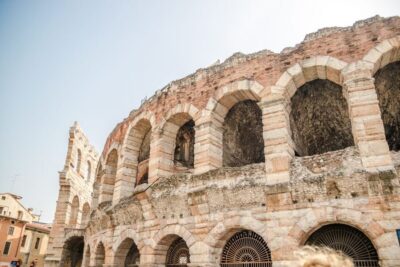 ★ 4.6Priority Access Arena Guided TourFrom $411,152 reviews
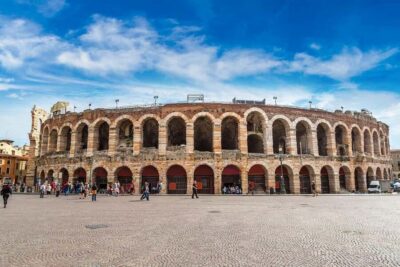 ★ 4.9Small Group Guided Walking Tour with Arena TicketsFrom $81848 reviews
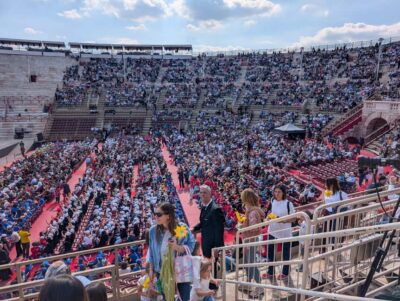 ★ 4.6Arena di Verona Opera TicketFrom $55721 reviews
 ★ 5.0Verona Small Group Walking Tour with Cable Car and Arena TicketsFrom $71311 reviews
 ★ 4.5Verona Arena Skip-the-line TourFrom $47208 reviews
 ★ 4.8Highlights Walking Tour with Arena Priority AccessFrom $81201 reviews
 ★ 4.7From Lake Garda: Verona Arena Opera Ticket with TransferFrom $124155 reviews
 ★ 4.7Opera Concert in Verona Palace with ProseccoFrom $77149 reviews
Browse the lists this tour appears in