
Reviewed · VERONA COOKING CLASSES
Discover the old market and make fresh pasta
Pasta starts with the right basket. I love the old market stroll in Villafranca where you choose real local ingredients, and I love the hands-on pasta time where flour, eggs, and your own kneading skills turn into classic shapes.
You also get a proper setting: cooking near the market with a typical Venetian cuisine space, plus a garden view with the Scaliger Castle looking on. The small group size (limited to 10) helps the chef keep things moving and give practical tips in Italian and English.
One consideration: this is a working class, not a sightseeing show. If you want a lot of extra Verona strolling, you’ll likely feel focused on Villafranca instead.
In This Review
- Key things you’ll remember
- Finding Your Cooking Base: Scaliger Castle and the Old Market
- Choosing Ingredients Like a Local, Not a Tourist
- Pasta by Hand: Eggs, Flour, and Tortellini Nodo d’amore
- Pappardelle or Tortelli: Stuffed Dough and Seasonal Vegetables
- Tiramisu the Italian Way: Your Sweet Finish
- Veronese Wine Pairing in a Garden Setting
- Language Support and the Chef’s Teaching Style
- Timing and What the 4 Hours Feels Like
- Getting the Most from Your Day
- Who Should Book This Fresh Pasta and Wine Class
- Should You Book It?
- FAQ
- Where is the meeting point?
- How long does the experience last?
- Is it a small group?
- What languages are the instructors?
- Do you visit the market every day?
- What pasta dishes will you make?
- Will you make dessert?
- Is there wine tasting?
- Are alcohol and drugs allowed?
- What’s the cancellation and payment option?
Key things you’ll remember
- Old market ingredient hunt in Villafranca to start the lesson with the right stuff.
- Tortellini Nodo d’amore made by hand, classic technique, real feel.
- Seasonal fillings from the market for stuffed tortelli and similar local shapes.
- Tiramisu preparation to finish with a beloved Italian dessert.
- Veronese wine tasting paired with what you cook, in a small group setting.
Finding Your Cooking Base: Scaliger Castle and the Old Market
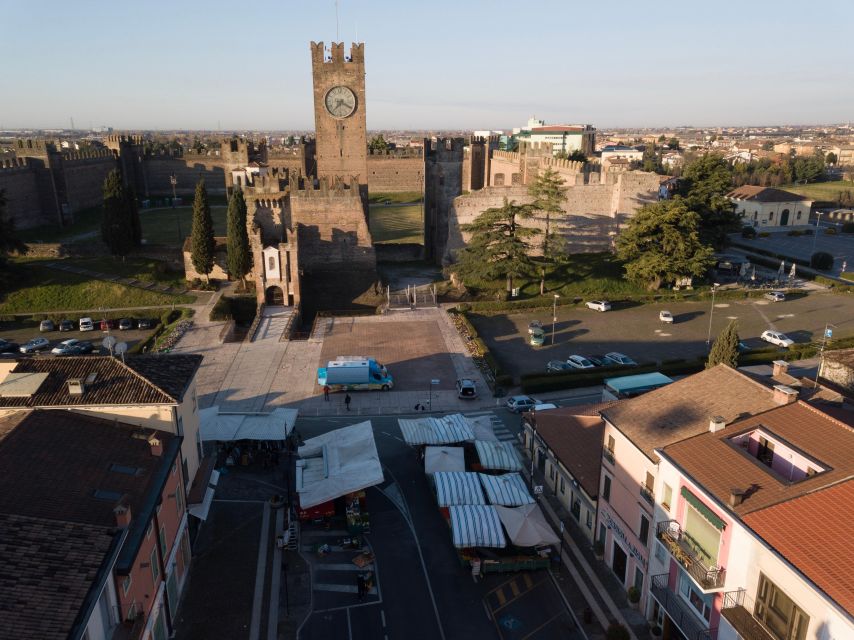
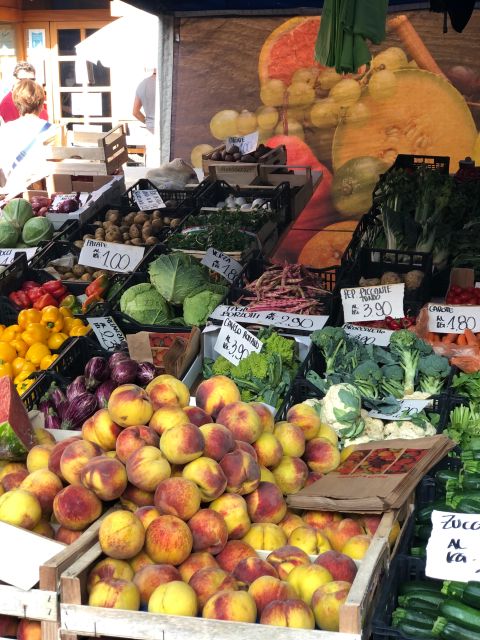
The experience starts in Villafranca, right in front of the Scaliger Castle, where you meet the chef. From there, you walk among market stalls and set the tone for the whole class: you’re not guessing flavors later. You’re choosing them at the source.
Market day matters. In Villafranca, the market is on Wednesday. On Wednesdays, you’ll shop the stalls directly. On other days, you’ll still pick ingredients with the chef, but you’ll do it in selected local shops instead.
This first walk is more than shopping. It’s where the cooking lesson gets grounded. You’ll learn what to look for in everyday Veronese ingredients and how those choices show up in the pasta dough and fillings later.
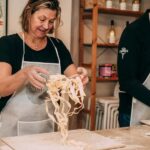
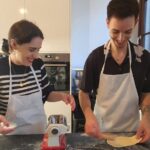
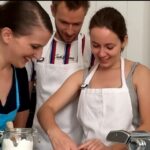
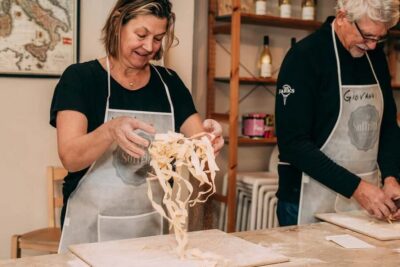
Rolling pasta and folding tortellini in a local kitchen.
Choosing Ingredients Like a Local, Not a Tourist
Here’s the practical benefit of the market step: you get to compare what you see with what you’ll actually cook. The lesson builds from ingredient to technique, so it feels logical instead of random.
You’ll carefully choose what goes into the dishes, and the chef helps you make good calls. That’s especially helpful if you don’t cook much at home. You can ask what’s best for stuffing, what works for shaping, and what to pay attention to with seasonal produce.
If you’re the kind of person who learns best by doing, this part will click fast. It also gives you something to talk about while you cook. You’ll remember why you chose those eggs, that flour, and those vegetables.
Pasta by Hand: Eggs, Flour, and Tortellini Nodo d’amore
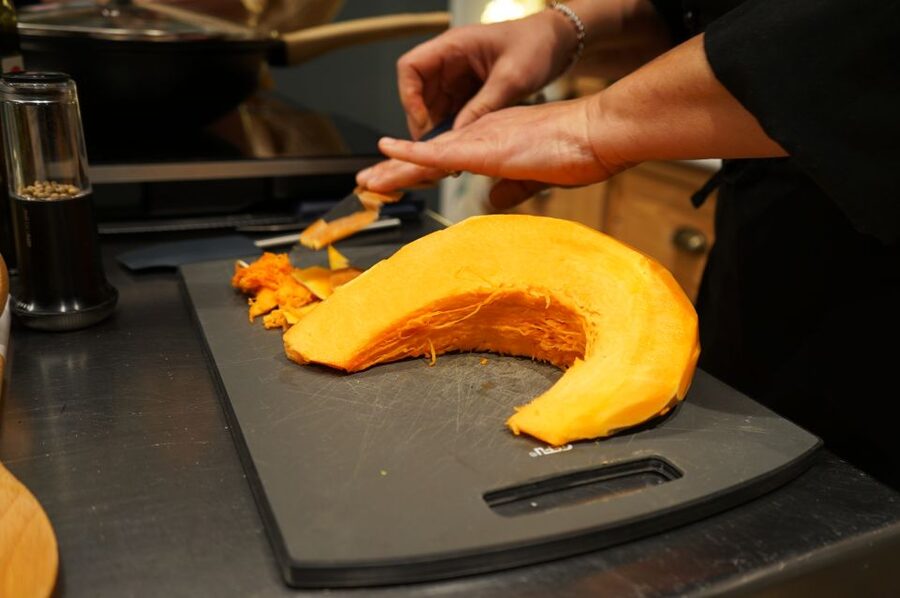
The heart of the class is hand-making pasta with eggs and flour. The chef walks you through the techniques in the same way grandmothers did, which is a nice phrase but also a useful promise: it’s about feel, not shortcuts.
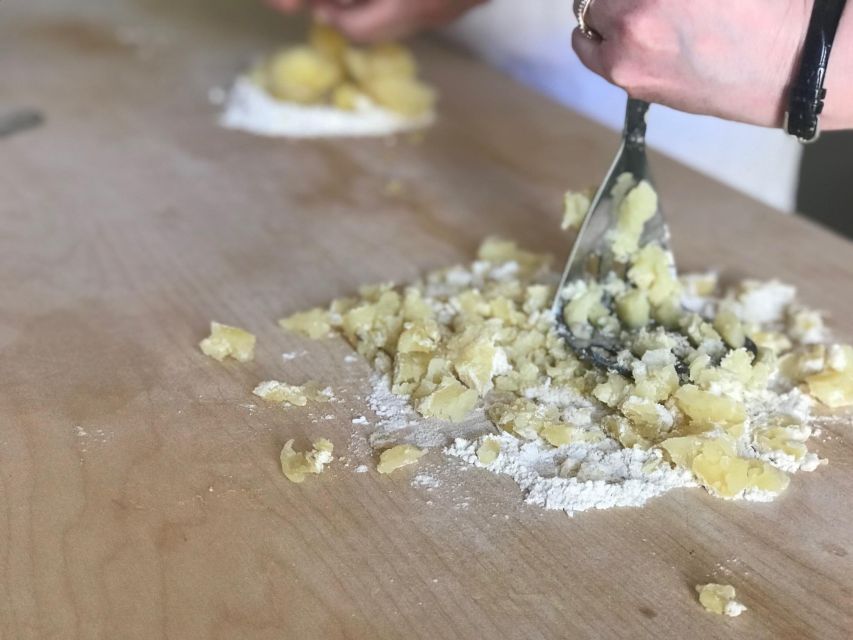
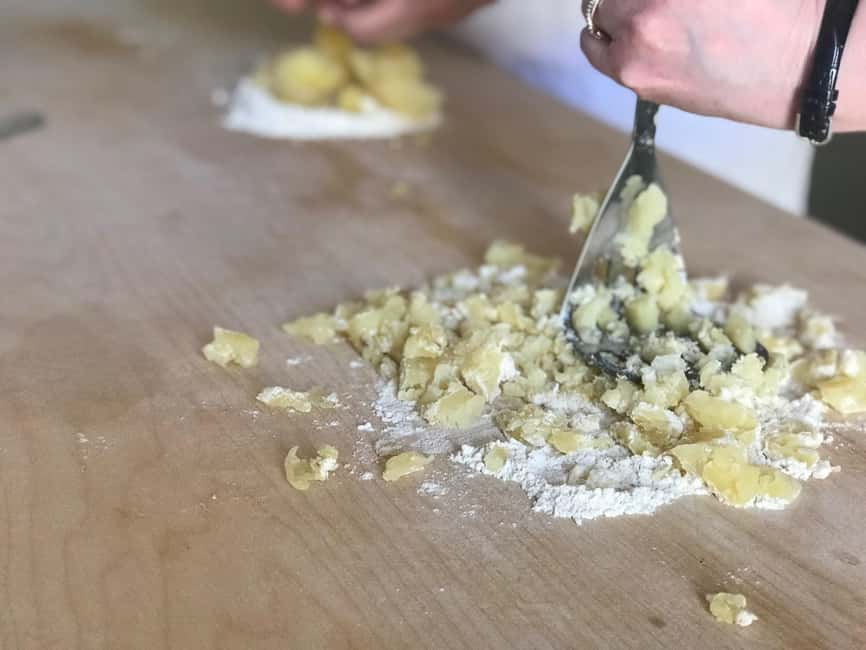
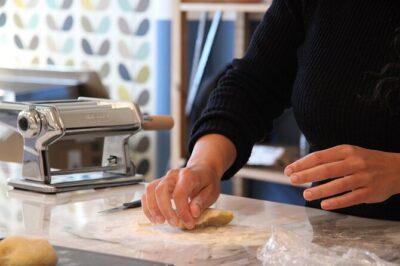
You’ll knead the dough by hand. That matters because handmade dough behaves differently than store-bought. When you knead, you learn when it’s smooth, elastic, and ready to work. It also makes the lesson more memorable because you physically do the work.
Then comes the famous Tortellini Nodo d’amore. You’ll shape it during the session, so you’re not just watching a demonstration. This is the part where a small group size really helps, because you can get corrections and quick guidance as you go.
Expect your hands to be busy and your attention to be on detail. It’s an enjoyable kind of focus—more craft than chaos.
Pappardelle or Tortelli: Stuffed Dough and Seasonal Vegetables
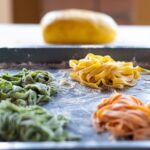
In addition to tortellini, you’ll also work on other local products such as pappardelle or tortelli. Which one you make can depend on what’s available and what the chef builds from the ingredients you chose.
For the stuffed options, you’ll use seasonal vegetables from the market. That’s one of the most “real Italy” parts of the class. You’re not using a frozen filler that tastes like generic stuffing. You’re working with what’s actually in season where you are.
Stuffing is where technique meets flavor. You’ll learn how to handle the filling so it doesn’t leak, and how to keep the pasta sealed. Even if you don’t master every step on the first try, you’ll leave with a better sense of how fillings should behave.
Tiramisu the Italian Way: Your Sweet Finish
After pasta, you’ll prepare tiramisu, the dessert most people already love. The difference here is that you’ll actually do the work rather than just eating it.
This part balances the meal. Pasta-making is hands-on and concentrated. Dessert gives you a new rhythm and a different skill set, so the full 4 hours don’t feel one-note.
If you’ve ever made tiramisu at home and wondered why yours didn’t taste the same, watching the method in a kitchen class helps. You learn how the components come together and what to pay attention to so it tastes like it should.
A few more Verona tours and Lake Garda day trips to weigh up

Veronese Wine Pairing in a Garden Setting
Once you’ve cooked, you’ll taste what you made with renowned Veronese wines. This is the part where the market choices and the pasta technique pay off. You’ll get instant feedback about what flavors work together.
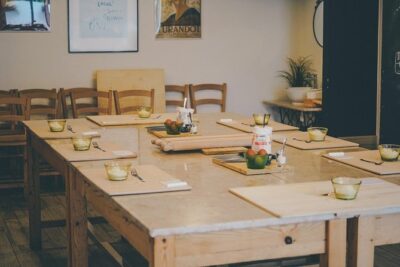
The meal happens in a typical Venetian cuisine space with a beautiful garden and views over the castle. That setting makes the end of the class feel less like a lecture and more like a real shared dinner.
Also, the group stays small, limited to 10 participants. That changes the vibe. You don’t lose the chef in a crowd, and the conversation stays warm and practical.
One more note: the rules say alcohol is not allowed. At the same time, the highlights include tasting local wines. If alcohol rules matter for you, ask how the wine tasting is handled for your session before you go.
Language Support and the Chef’s Teaching Style
The instructor speaks Italian and English, which is a big deal for a hands-on class. You’ll be able to follow the steps, ask questions, and understand the why behind technique, not just the how.
What stands out from prior experiences is the chef’s willingness to explain concepts and offer small improvements. That kind of detail is gold in a pasta class. You want feedback that helps you fix something quickly, like dough texture or shaping technique.
The best part is how the lesson stays interactive. You’re not stuck taking notes from the back row. You’re cooking next to the chef, and the guidance is meant to get you results.
Timing and What the 4 Hours Feels Like
The experience lasts 4 hours, and it moves in a steady arc: market walk, ingredient selection, cooking lessons, then tasting the results with wine.
That timing is usually ideal for people who want real hands-on learning without spending the whole day. It’s long enough to build confidence in shaping and dough work. It’s short enough that you still feel fresh by the time tiramisu hits the table.
If you’re coming in hungry, you’ll appreciate the structure: you’re busy long enough that the meal feels earned. If you’re sensitive to getting hands-on and getting a little messy, plan your expectations around flour and dough work.
Getting the Most from Your Day
You can make the class easier on yourself with a few smart choices.
- Since you’ll knead dough by hand, wear clothes you don’t mind getting lightly messy from flour.
- Bring your curiosity. Ask questions about what the chef recommends and why, especially when it comes to stuffing and dough feel.
- Watch the chef’s shaping and sealing steps closely. That’s where most homemade pasta success comes from.
- Make sure you have the meeting details ready. One past booking had very late confirmation, so it’s smart to double-check your host contact and meeting point the day before.
If you treat it like a workshop, not a performance, you’ll get more out of it.
Who Should Book This Fresh Pasta and Wine Class
I think this is a great fit if you want an authentic Veronese food experience that’s interactive from start to finish. It suits couples, friends, and small groups who enjoy learning practical cooking skills in a relaxed setting.
It’s also ideal if you like the idea of starting with the market and then using those ingredients directly. That ingredient-to-dish link is what makes the class feel grounded.
If you’re hoping for a long sightseeing day around Verona’s main sights, this may feel too focused. The emphasis is Villafranca, the castle area, and hands-on cooking. Think: learn, cook, eat, repeat.
Should You Book It?
Yes—if you want hands-on pasta skills and a real meal afterward, this class is worth it. The combination of market shopping, learning Tortellini Nodo d’amore, making tiramisu, and pairing with Veronese wines is a strong value package for 4 hours.
The main reason to hesitate is expectations. This is not a passive experience, and you should be ready to cook. Also, because confirmation timing has been inconsistent for at least one booking, make sure your meeting details are in your hands before you travel.
If you go in ready to knead, ask, and taste, you’ll leave with both a full stomach and techniques you can use again.
FAQ
Where is the meeting point?
You meet with the chef in Villafranca, in front of the Scaliger Castle. The provided coordinates are 45.3514404296875, 10.846451759338379.
How long does the experience last?
The duration is 4 hours.
Is it a small group?
Yes. It’s limited to 10 participants.
What languages are the instructors?
The instructor speaks Italian and English.
Do you visit the market every day?
Market day in Villafranca is on Wednesday. On other days, you choose products together with the chef in selected local shops.
What pasta dishes will you make?
You’ll make Tortellini Nodo d’amore by hand, plus other local products such as pappardelle or tortelli stuffed with seasonal vegetables from the market.
Will you make dessert?
Yes. You will prepare tiramisu.
Is there wine tasting?
The experience includes tasting renowned Veronese wines.
Are alcohol and drugs allowed?
The activity states that alcohol and drugs are not allowed.
What’s the cancellation and payment option?
There is free cancellation up to 24 hours in advance for a full refund. You can also reserve now and pay later (pay nothing today).
More Shopping Tours in Verona
More Verona Cooking Classes

More Tour Reviews in Verona

Weighing up other options? More ways to spend a day in Verona and out on Lake Garda








Verona Cooking Classes, compared.
 ★ 5.0Pasta and Tiramisu Cooking Class With Free Flowing WineFrom $71575 reviews
 ★ 4.9Hands-on Fresh Pasta and Tiramisù Cooking ClassFrom $107295 reviews
 ★ 5.0Italian Cooking Class with Pasta, Risotto and TiramisùFrom $114268 reviews
 ★ 5.0Cooking Class : Fresh pasta and TIRAMISÙ with Lake Garda winesFrom $95260 reviews
 ★ 5.0Lazise: Fresh Pasta Cooking Class with Meal at Lake GardaFrom $89137 reviews
 ★ 5.0My Granny’s secrets: Making pasta in the heart of VeronaFrom $114131 reviews
 ★ 4.9Garda: Cooking Class with DessertFrom $107129 reviews
 ★ 5.0Bardolino: Garda Lake Pasta Cooking Class at AgritourismFrom $93114 reviews
Browse the lists this tour appears in