
Reviewed · VERONA COOKING CLASSES
Cesarine: Pasta & Tiramisu Class at Local’s Home in Verona
Verona cooks back in a private kitchen lesson. You’re welcomed into the home of a Cesarine to learn two pasta recipes plus tiramisù, and you get real hands-on pacing with plenty of help as you go. One thing to consider: it’s about two pasta dishes and tiramisù, so you won’t have time for a bigger buffet of recipes in only ~3 hours.
What makes this class different is how personal it feels. It’s private (just your group), English is offered, and the goal is that you can walk away knowing what to do—and why—so you can recreate it later.
In This Review
- Key Highlights at a Glance
- Cesarine at Home: Why This Verona Class Feels Different
- Getting There in Verona: Starting Right in the City
- The Class Flow: From Welcome to Workstations
- Making Two Pastas: Technique You Can Actually Repeat
- Pesto and Pantries: Learning Beyond the Bowl
- Tiramisù in a Real Home: Timing, Texture, and Restraint
- The Meal: Eating the Two-Course Dinner You Built
- Hosts, Language, and Getting Help Fast
- Price and Value: Is $174.42 Worth It?
- Who This Verona Pasta and Tiramisu Class Suits Best
- Should You Book Cesarine Pasta & Tiramisu in Verona?
- FAQ
- How long is the Cesarine pasta and tiramisù class?
- Where does the class take place?
- Is this a private class?
- What do you learn to make?
- Is the class offered in English?
- Does the price include the meal?
- Do you need to bring a paper ticket?
- How far in advance should I book?
- What is the cancellation policy?
- Where is the meeting point?
Key Highlights at a Glance
- A Verona cooking class inside a local home (not a restaurant kitchen)
- Two pasta recipes + tiramisù with step-by-step support
- A 2-course meal built around what you cook, with beverages included
- Private pace, private group: you can ask questions and get attention
- English offered, with translation used in at least some host setups
- You may leave with recipes (and sometimes a small keepsake), depending on the host
Cesarine at Home: Why This Verona Class Feels Different
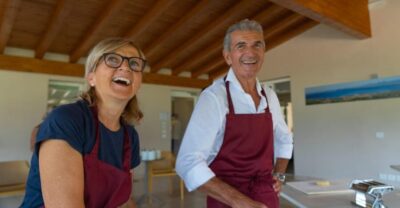
Most Verona food experiences happen out in the open—on sidewalks, in busy dining rooms, or behind a glass counter. This one works the other way around. You step into someone’s actual home, where cooking isn’t a show. It’s just life.
That’s why I like this setup. First, you’re learning in context: how ingredients are handled, how timing gets managed, and what “good” looks like when it’s coming out of a kitchen you’d recognize as local. Second, the class is designed for participation. The experience is private, and the teaching style is meant to keep you involved rather than watching someone else do everything.
The hosts are called Cesarine, and in Verona that matters. You’ll hear the kind of family cooking explanations that don’t fit neatly on a menu card. In reviews, hosts like Aurora and Michela/Michaela are described as warm, welcoming, and patient with questions—so even if you’re not confident in the kitchen, you won’t feel like you’re in the way.
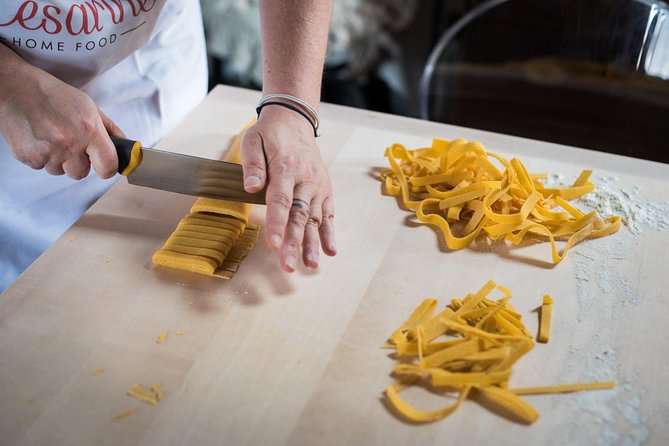
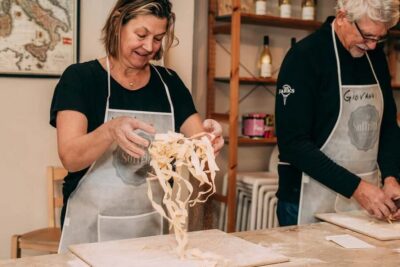
Rolling pasta and folding tortellini in a local kitchen.
Getting There in Verona: Starting Right in the City
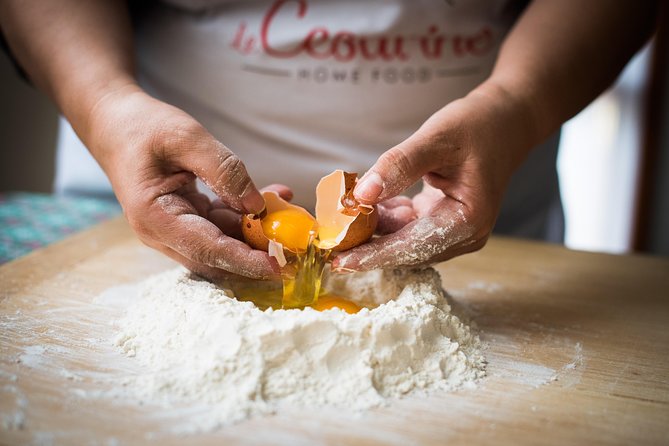
The meeting point is listed as Verona, VR, Italy, and the activity ends back there. In practice, the first minutes matter on a cooking class like this. You don’t want to waste time wandering around looking for the right door, especially when you’re about to handle dough, heat, and timing.
One review notes the host started right away, meeting people on the street and escorting them to the apartment. That’s exactly the kind of smooth start you hope for: you get in, you get settled, and you begin with guidance.
This is also near public transportation, so you don’t need to build your whole day around a car or taxi. If you’re doing other Verona sightseeing, you can usually treat this like a normal city appointment: arrive, cook, eat, and head back out.
The Class Flow: From Welcome to Workstations
Even though every Cesarine home has its own rhythm, the structure is consistent: you cook, you eat together, and you take the class at your pace.
A few details that show up in real class experiences:
- You’ll have time to participate, not just observe.
- Hosts explain steps and can repeat them when needed.
- You’ll likely get a quick “welcome” moment before hands-on cooking begins.
One review specifically mentions a host greeting guests with a nosh of meat, cheese, and wine before instruction. I wouldn’t count on that happening in every single class, but it matches the overall “come in, relax, then cook” spirit Cesarine is known for.
The cooking happens at a home setup, so plan for the practical reality: you’ll be at a table or counter, not under professional lighting and stainless-steel gear. That’s part of the value. You’re learning techniques you can reproduce without needing a fancy kitchen.
Making Two Pastas: Technique You Can Actually Repeat
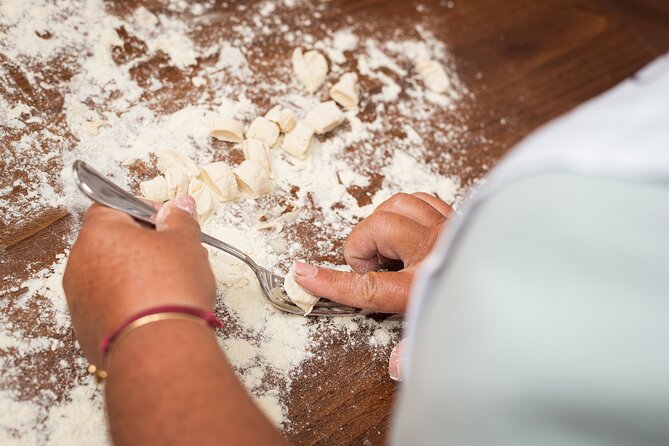
This class teaches you how to make two pasta recipes. That choice is important. It’s not just about eating Italian food. It’s about learning core pasta skills that transfer from one dish to the next.
Here’s what you should focus on while cooking (and what will help you at home later):
- How the dough feels as you work it (texture cues matter more than exact minutes).
- How you manage timing so the sauce and pasta meet at the right moment.
- How the host breaks down actions into clear, repeatable steps.
In one class described with Aurora, the cook was friendly and energetic, explained what she was doing and why, and gave each person chances to take part. You’re not just rolling dough while someone talks at you. You’re doing the work.
That participation is especially helpful if you’re traveling with someone who doesn’t cook. One review says the husband enjoyed it so much he wished it were longer. The reason? He wasn’t forced into the role of spectator. He was pulled into the experience, even if he started out “not the cooking type.”
If you’re the kind of traveler who usually watches from the sidelines, this is a great fix. You’ll get hands-on practice and a clear path for what to do next time you’re in your own kitchen.
Pesto and Pantries: Learning Beyond the Bowl
One nice extra mentioned in a Verona home class: the host talked about different pestos she makes, and even offered a tour of her garden and pantry. Those parts aren’t guaranteed in every class, but they show the style of teaching: “family food” knowledge, not just recipe instructions.
If your host offers a peek into where ingredients come from—garden herbs, pantry staples—that’s gold for your future cooking. It helps you understand what makes Italian flavors taste like Italian flavors, even when you’re cooking away from home.
More hands-on afternoons in Verona.


Tiramisù in a Real Home: Timing, Texture, and Restraint
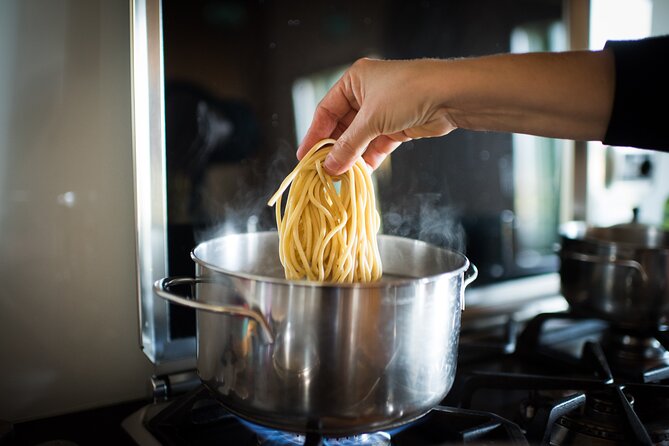
The dessert here is tiramisu, and the class is hands-on. Tiramisù is one of those dishes that sounds simple until you make it and realize how many small things can go wrong: the cream texture, how you handle ladyfingers, and how long you let it set.
What I like about learning tiramisù in a home setting is that you see how a cook thinks. It’s not just mixing. It’s rhythm.
From reviews, hosts were patient and could repeat steps in detail, even for families with kids. That’s a key point: tiramisù isn’t only about technique; it’s about timing and attention. When the instruction is clear, you’re less likely to rush or overthink.
Also, you’re making it as part of the same experience where you made the pasta. That matters because you’re learning a complete meal flow—how to get savory food done, then switch into dessert prep without losing your head.
The Meal: Eating the Two-Course Dinner You Built
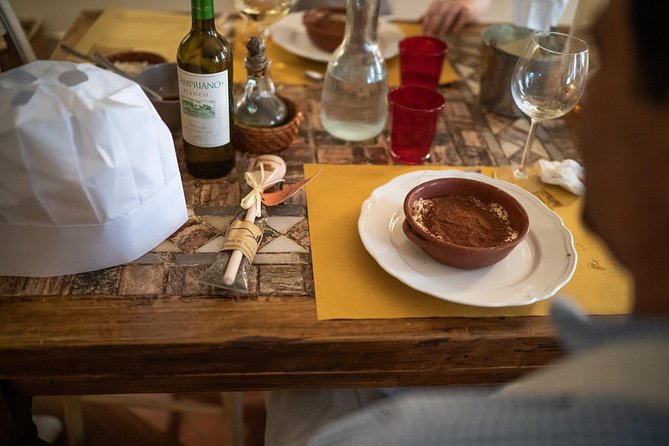
This is not a class where you leave and hope the food is good. The class includes a 2-course meal with beverages included, built around the recipes you make.
So you’ll cook the pasta dishes, then dessert (tiramisu), and eat together. One review mentions lunch and dessert together at the end. Another mentions sitting around the table with food and wine and hearing personal stories.
This part is where the experience “clicks” for a lot of people. You’re not just collecting a recipe. You’re testing it. If something tastes off, you understand where that problem might have come from—how thick the sauce is, how the dough behaved, how the cream was handled.
And yes, it’s practical. You finish full. You don’t need to line up another stop for dinner unless you really want to.
Hosts, Language, and Getting Help Fast
English is listed as offered, and you should expect instruction in English. Still, language support can vary by host. One review specifically says the host (Aurora) didn’t speak English, but a translator was provided so nothing important was missed.
Here’s the advice I’d give you: if you’re someone who wants to ask lots of questions, treat the language detail as part of your planning. If English matters a lot for you, confirm that your specific session is comfortable in English.
The best part, though, isn’t just translation. It’s the teaching style. Reviews highlight that hosts:
- explain steps and their reasons,
- check how much you want to learn,
- repeat instructions patiently,
- and offer plenty of help so you don’t get stuck.
That’s why even a non-cook can enjoy this. One family described how welcoming the host was to kids’ needs. If you travel with children, this sort of interactive, responsive instruction can be a relief compared with rigid restaurant lessons.
Price and Value: Is $174.42 Worth It?
At $174.42 per person for about 3 hours, this isn’t a budget activity. But it’s also not a mass-tour cooking demo. You’re paying for several things that add up:
- a private class (just your group),
- a local home setting,
- hands-on instruction for multiple dishes,
- ingredients and supplies for two pastas and tiramisù,
- and a meal with beverages included.
Value is strongest if you’re the kind of traveler who wants a skill, not just a souvenir photo. If you want to leave with the feeling that you could actually cook this at home, this is built for that.
It’s also worth considering timing. This experience is booked on average 37 days in advance, which is a hint that popular slots go quickly—especially in peak seasons. If you see a time that fits your Verona days, grab it.
Who This Verona Pasta and Tiramisu Class Suits Best
This class is ideal if you want:
- a hands-on Verona cooking experience rather than a passive meal,
- a private setting where your questions don’t get lost,
- Italian food you can recreate at home: pasta technique + tiramisù assembly.
It may be less ideal if you want a fast, sightseeing-heavy day with minimal coordination. You’ll be in a kitchen for the bulk of the time.
You’ll also enjoy it more if you like people. Several reviews mention hosts sharing personal stories with guests, and that kind of human conversation is easier in a home than in a large group setting.
Should You Book Cesarine Pasta & Tiramisu in Verona?
Book it if you’re excited about cooking and you want Verona food from the inside. This is the kind of class that turns into an afternoon you talk about later because you didn’t just eat—you learned. Private, interactive, and structured around two pastas plus tiramisù, it’s a clear payoff.
Skip it only if your main goal is entertainment with zero effort. Cooking here is the point, and you’ll do real steps. Also, if you’re hoping for a wider range of dishes beyond two pastas and dessert, you might feel the time is tight. Three hours is enough for real progress, but not enough to cover everything.
If you want one “local life” experience in Verona that’s both practical and memorable, this one makes strong sense.
FAQ
How long is the Cesarine pasta and tiramisù class?
It lasts about 3 hours.
Where does the class take place?
The class happens in Verona, Italy, in a carefully selected local home. The activity ends back at the meeting point.
Is this a private class?
Yes. It is a private tour/activity, and only your group participates.
What do you learn to make?
You learn to make two pasta recipes and tiramisù.
Is the class offered in English?
Yes, the class is offered in English.
Does the price include the meal?
Yes. You enjoy a 2-course meal with beverages included.
Do you need to bring a paper ticket?
No. A mobile ticket is included.
How far in advance should I book?
The experience is typically booked about 37 days in advance on average, so earlier is wise if you have specific dates.
What is the cancellation policy?
Free cancellation is available up to 24 hours before the experience starts for a full refund.
Where is the meeting point?
The meeting point is Verona, VR, Italy.
More Verona Workshops
More Verona Cooking Classes
More Tour Reviews in Verona





Weighing up other options? More ways to spend a day in Verona and out on Lake Garda












Verona Cooking Classes, compared.
 ★ 5.0Pasta and Tiramisu Cooking Class With Free Flowing WineFrom $71575 reviews
 ★ 4.9Hands-on Fresh Pasta and Tiramisù Cooking ClassFrom $107295 reviews
 ★ 5.0Italian Cooking Class with Pasta, Risotto and TiramisùFrom $114268 reviews
 ★ 5.0Cooking Class : Fresh pasta and TIRAMISÙ with Lake Garda winesFrom $95260 reviews
 ★ 5.0Lazise: Fresh Pasta Cooking Class with Meal at Lake GardaFrom $89137 reviews
 ★ 5.0My Granny’s secrets: Making pasta in the heart of VeronaFrom $114131 reviews
 ★ 4.9Garda: Cooking Class with DessertFrom $107129 reviews
 ★ 5.0Bardolino: Garda Lake Pasta Cooking Class at AgritourismFrom $93114 reviews
Browse the lists this tour appears in