
Reviewed · ARENA DI VERONA & OPERA
Verona: the Arena at the Gladiators’ time
The Arena can feel like a time machine. This private walking tour makes the still-used Roman amphitheater click into place with clear explanations of how it worked, not just how it looks. I like the way the guide points out layout details you’d miss on your own, and I like the storytelling style that makes gladiator life feel practical instead of vague. One thing to plan for: entrance tickets are not included, and you’ll need them to step inside.
If you want the Verona Arena beyond photos, this is a smart way to go. You’ll start at Palazzo Barbieri and work from the square to the Bra Gardens, then head into the corridors where the whole design of access and crowd movement becomes obvious. The pace is steady, but it’s not a hands-on, maze-running activity, so if you’re looking for a super interactive game, you might find it more like guided narration with plenty of time to ask questions.
In This Review
- Key things to know before you go
- Verona Arena at the Gladiators’ time: what you’re really paying for
- From Palazzo Barbieri to the Arena square: your orientation starts immediately
- Bra Gardens and the Arena’s original footprint: seeing the design, not just the scale
- Entering the Arena: corridors, archways, and the truth about vomitoria
- Gladiator anecdotes with local evidence: why the guide’s storytelling works
- Time and tickets: how to plan for the one-hour experience
- Is it worth $159 for a group up to 8?
- Who should book this Verona Arena gladiator-era tour
- Should you book it?
- FAQ
- How long is the Arena at the Gladiators’ time tour?
- Where do we meet the guide?
- Are entrance tickets included?
- What are the Arena ticket prices?
- Does the tour skip the ticket line?
- What languages are available?
- Is this a private group?
- Is the tour suitable for wheelchair users?
- What should I expect inside the Arena?
Key things to know before you go
- Private group format up to 8: easier questions, less waiting, better focus on what you notice
- Outside + inside in 1 hour: a fast but complete walk around the Arena’s layout
- Vomitoria and gate connections: you’ll understand how crowds and athletes moved
- Gladiator and wild-beast areas: the tour maps what happened where
- Local evidence and gladiator anecdotes: stories tied to what you can actually observe
Verona Arena at the Gladiators’ time: what you’re really paying for
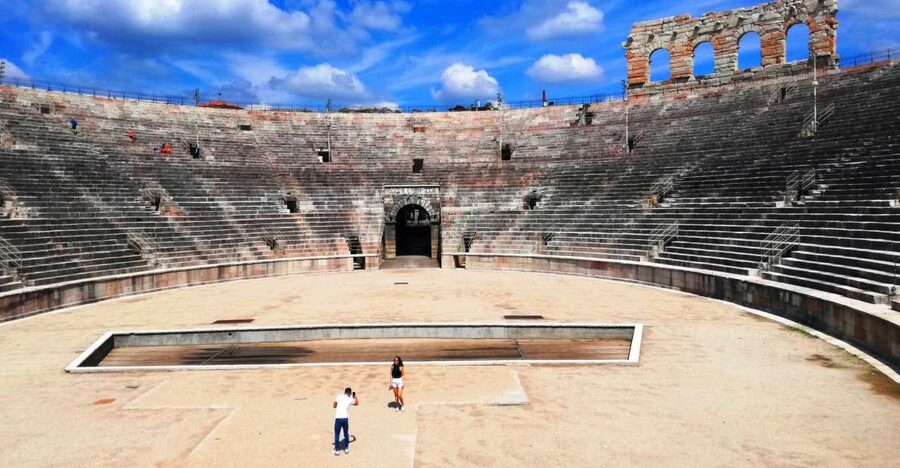
The Verona Arena (Arena di Verona) is famous for a reason. It’s still in use, and that alone adds energy to every step you take around it. But fame can also make you autopilot: you see big stone arches, you snap a picture, you move on.
This tour is built to stop that. You get a guided walk that focuses on how the amphitheater evolved and how it functioned in gladiator times. The guide doesn’t just point at walls; you learn how the Arena relates to the town square, how entrances connect to internal pathways, and where different activities took place.
The value here is partly the time (one hour) and partly the attention. With a private group, you’re not squeezed into a crowd rhythm. And because entrance tickets are separate, the tour is basically designed to maximize what you can see once you’re inside.
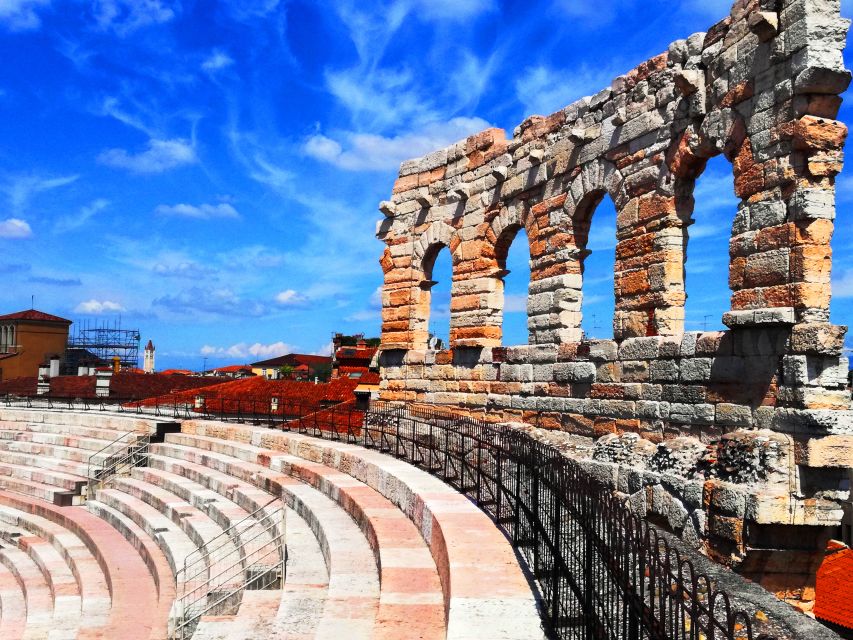
Back under the arches of the Roman arena, opera nights included.

From Palazzo Barbieri to the Arena square: your orientation starts immediately
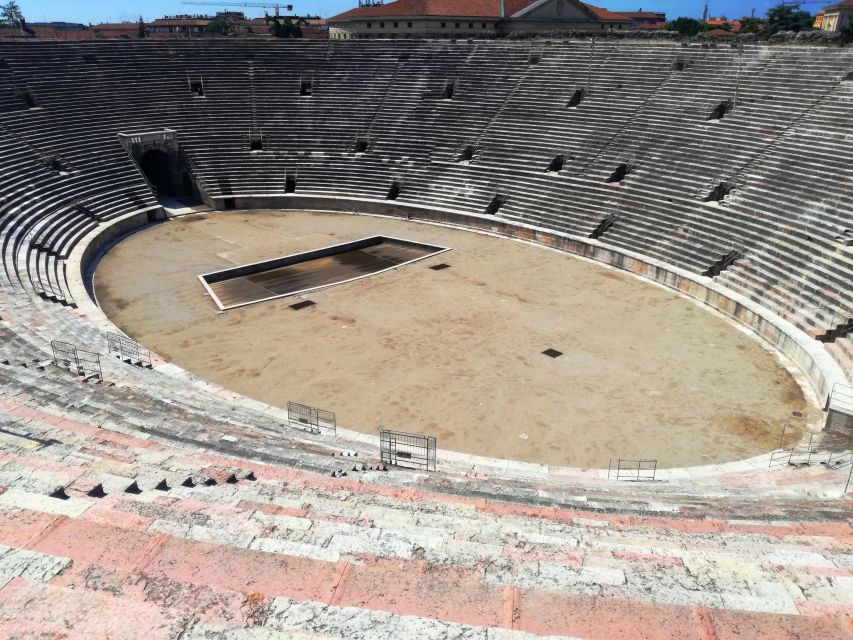
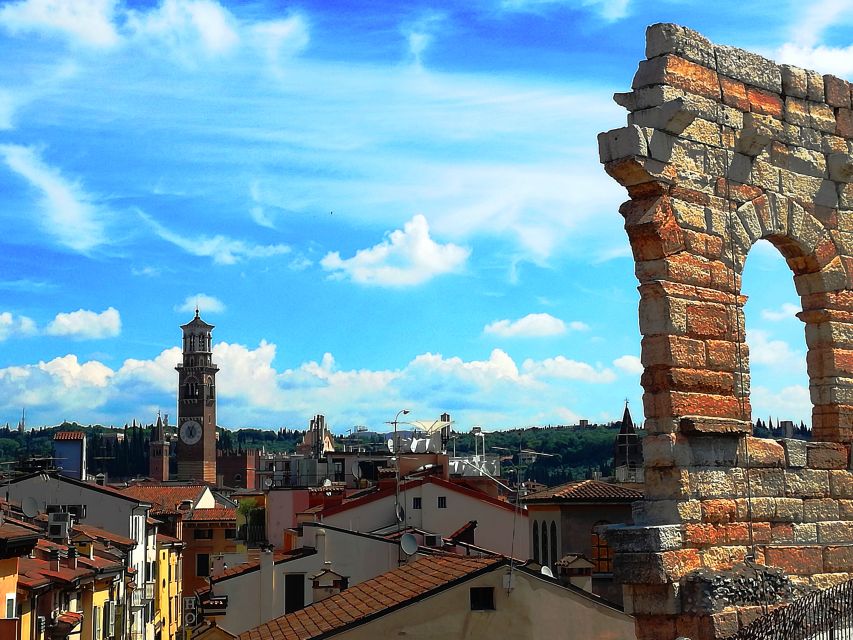
Your tour begins back at Palazzo Barbieri – Comune di Verona, meeting your guide near the Town Hall under the Italian flag. That matters because it puts you at the southern edge of the square, right where the Arena’s main presence starts to register in your mind as a whole structure—not a standalone monument.
From there, you walk under the shade around the town hall area, then head toward the northern portion of the square. The guide sets the scene fast: you’ll look at the Arena’s shape and how it sits in the city. This is the moment where you learn to “read” the building. It’s not just curved seating. It’s architecture with a job—built for crowd movement, events, and staging.
There are also quick photo moments during the walk, so you can catch the Arena from different angles before you commit to the interior corridors. If you like getting your bearings first, this format helps you understand what you’re seeing later when you enter.
Bra Gardens and the Arena’s original footprint: seeing the design, not just the scale
Once you move into the Bra Gardens shadow, the tour shifts from “wow, it’s big” to “how is it built?” You’ll carefully observe the amphitheater’s form and talk through its original size, then look at its relationship with the town square.
Here’s why that matters: when you understand the original footprint and the way the building meets its surroundings, the Arena stops feeling like a single block of stone. Instead, it becomes part of Verona’s urban logic. You start noticing where movement would have started outside and where people would have funneled toward specific access points.
You’ll also spot details about the Arena’s access facilities. Those are the kinds of things that usually go unnoticed on a self-guided visit. On this tour, they become a thread you follow—so when you later hear the term vomitoria, it won’t feel like random archaeology vocabulary. It will feel like the name of a system you can picture.
Entering the Arena: corridors, archways, and the truth about vomitoria
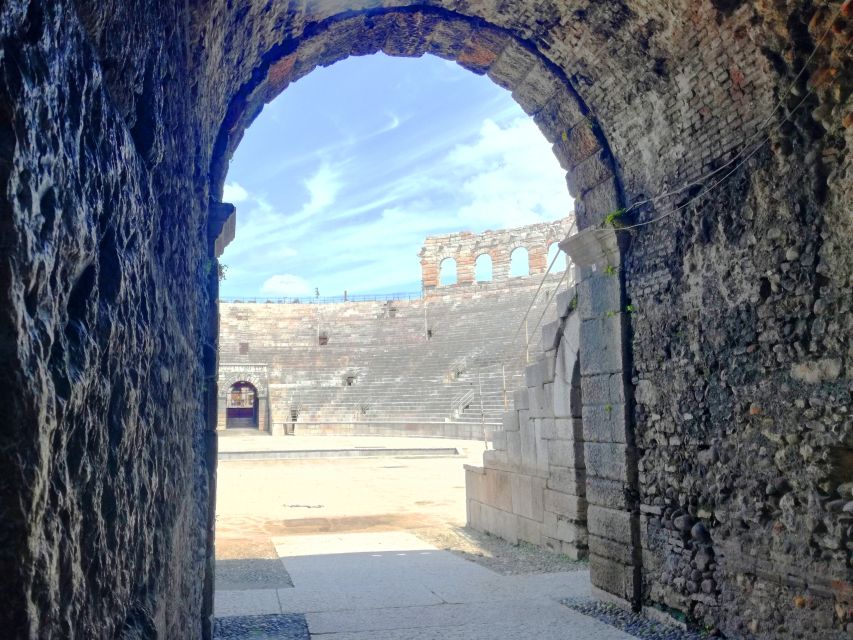
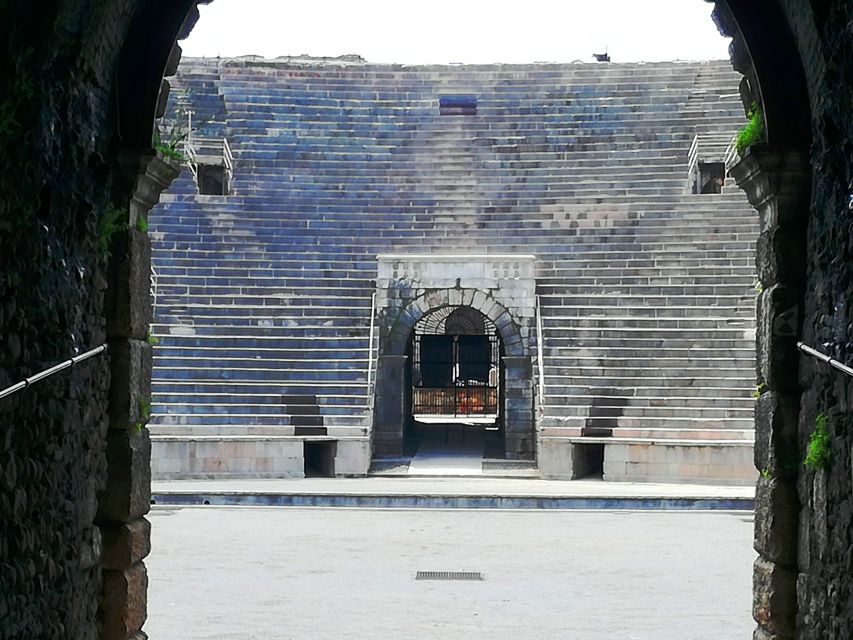
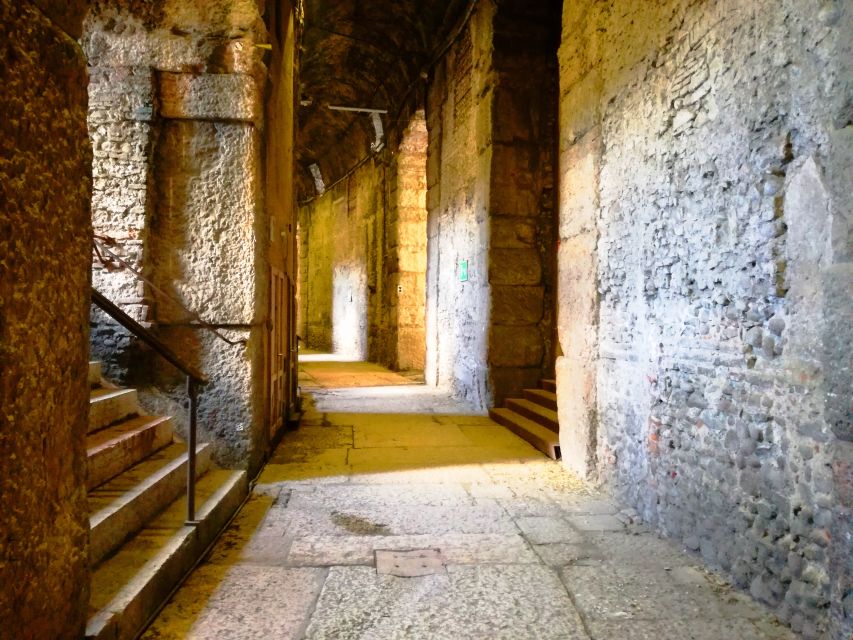
The best part of this experience comes when you enter. The tour takes you through corridors and along archways, guiding you through the amphitheater’s “plumbing”—the clever structure that connects external gates to internal entry routes, including the vomitoria.
You’ll understand this as a functional network, not a myth. The vomitoria weren’t meant for drama; they were meant for speed. You’ll walk in ways that make sense of crowd flow, so the Arena’s size becomes less intimidating and more logical.
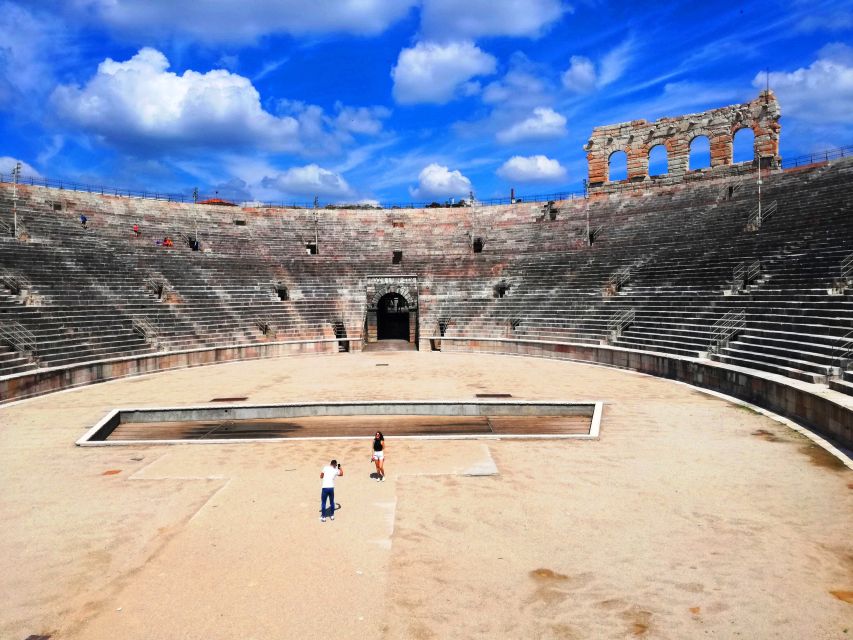
As you move deeper, the guide points out spaces linked to different roles during events. You’ll discover areas associated with gladiators—where they would have frequented—and zones connected to wild beasts. Even if you’ve seen images online, being shown these locations in person changes how you picture the event. It’s one thing to know gladiator fights happened here. It’s another thing to see the geometry of where things would have been staged.
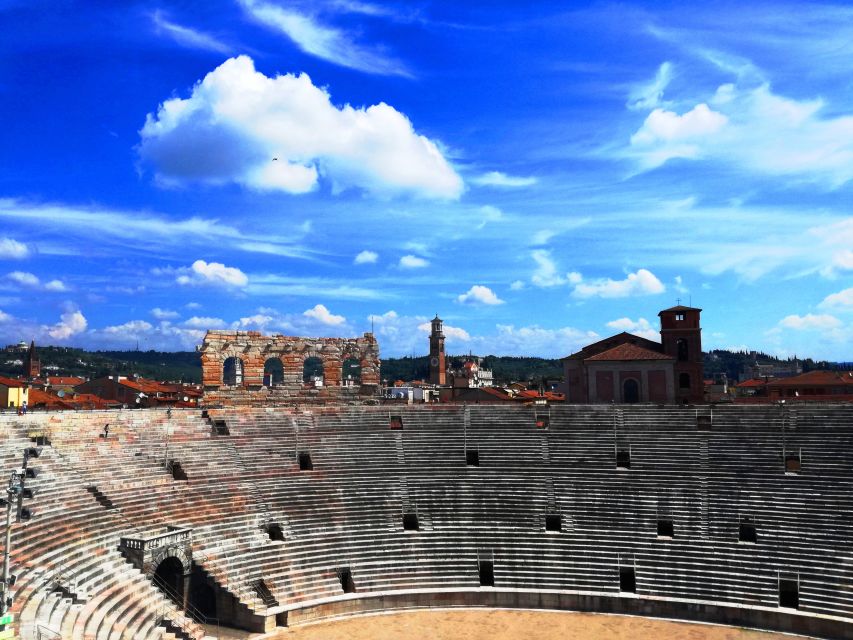
And yes, the tour nudges you toward the emotional side too. You may find yourself wanting to step into the Arena space in your own head, like a gladiator would have approached it, and then sit on the stone steps as spectators did. That little invitation matters because the building is still used, and your body helps you understand the scale.
Gladiator anecdotes with local evidence: why the guide’s storytelling works
The tour is heavy on anecdotes, but the good kind—stories tied to what you can observe locally. You’ll hear about the world of gladiator games, plus evidence found in the area that supports the narrative.
This is where the guide’s expertise becomes noticeable. In particular, Fabio Massimo Rapanà (often simply called Fabio) is known for connecting the dots. He doesn’t just toss facts; he shapes them into a clear story of how the Arena evolved and how it operated during events.
One reason this tour lands so well with different ages is that it works as performance-style storytelling, not a dry lecture. It’s informative, but it has energy. You’ll also get room for questions. If something comes up that needs follow-up, the guide has a habit of taking it seriously—like researching and sending a response later when needed.
If you like history that feels concrete—where you can look around and match the story to a place—this kind of guided telling is exactly the right approach.


Time and tickets: how to plan for the one-hour experience
This tour lasts about 1 hour. The visit inside is the big chunk (around 45 minutes), with short photo and walking moments framing the exterior views and the transition.
Tickets can be a small planning snag because the guided tour does not include the Arena entrance. You’ll need to purchase tickets online or on-site, and the guide will help you with that option. For 2024, adult tickets are €12, seniors over 65 are €9, people aged 18–25 (EU citizens) are €3, and minors are free. Veronacard holders also get free entry. The first Sunday of the month from November to March is €1.
Skip-the-line is included as part of the experience, which helps you avoid a time sink right at the Arena. Since you’re there for a tight schedule, that small advantage adds up.
One more practical note: the tour is not suitable for wheelchair users. If mobility is an issue, you’ll want to plan around that limitation.
Also, if you’re flexible with timing, the experience offers reserve now and pay later, plus free cancellation up to 24 hours in advance for a full refund. Those two perks make it easier to lock in a time slot without stressing your whole Verona schedule.
Is it worth $159 for a group up to 8?
The price is $159 per group up to 8. That’s not just a number; it changes how you should think about value.
If you’re traveling solo, private tours can feel pricey compared to standard group options. But if you’re a couple, a family, or a group of friends who want everyone to hear the same explanations at the same pace, the per-group pricing helps a lot. Add in that you’re getting guided time inside and outside, plus the guide’s ability to point out access design and specific event-related spaces, and the cost feels easier to justify.
Then factor in the entrance tickets, which are separate. Even with the ticket cost, the tour’s “guided meaning” tends to pay off because the Arena can be visually impressive without being easy to interpret. This experience gives you that interpretation quickly.
In plain terms: it’s a good deal when you have more than one person and you want a guided narrative that makes the Arena understandable in a short visit.
Who should book this Verona Arena gladiator-era tour
This tour is a great fit if you want:
- A guided, place-based understanding of the Arena’s design and function
- A story-driven visit that still stays practical and question-friendly
- A smoother experience for families and mixed ages, since the guide can keep the information moving and answer questions clearly
It’s also ideal if you plan to spend time in Verona beyond the Arena. Learning how the amphitheater relates to the city makes your later self-guided walk through the area feel smarter. You’ll notice the urban layout and the reasons the Arena sits where it does.
Should you book it?
Yes, I’d book it if you care about what buildings do, not just how they look. The Arena is a top sight, but this tour turns it into an understandable machine: access routes, internal vomitoria connections, and event spaces tied to gladiators and wild beasts.
Skip it only if you’re satisfied with a shorter, self-paced visit and you don’t want to spend time learning how the structure works. If that’s you, you’ll still enjoy the Arena—but you’ll miss the guide-led explanations that make the whole place feel coherent instead of overwhelming.
If you’re aiming for a high-impact hour in Verona, this is an efficient, focused way to get there.
FAQ
How long is the Arena at the Gladiators’ time tour?
The tour lasts 1 hour. The main visit inside the Arena takes about 45 minutes, with short exterior segments and photo stops before and after.
Where do we meet the guide?
Meet your guide at Palazzo Barbieri – Comune di Verona, in front of the Town Hall just underneath the Italian flag. The tour ends back at the same meeting point.
Are entrance tickets included?
No. Entrance tickets are not included in the tour price, and you must buy them separately to enter the amphitheatre. The guide can help you with ticket purchase options on-site.
What are the Arena ticket prices?
For 2024: €12 for adults, €9 for those over 65, €3 for EU citizens aged 18–25, and free for minors and Veronacard holders. The first Sunday of the month November to March is €1.
Does the tour skip the ticket line?
Yes. The experience includes skip-the-ticket-line access.
What languages are available?
The live guide offers tours in Italian, German, English, and Spanish.
Is this a private group?
Yes. It’s a private group experience for up to 8 people.
Is the tour suitable for wheelchair users?
No. It is not suitable for wheelchair users.
What should I expect inside the Arena?
You’ll walk through corridors and archways and explore how the structure connects external gates with internal vomitoria. You’ll also learn about places frequented by gladiators and areas used for wild beasts.
More at the Arena di Verona


More Tour Reviews in Verona

Weighing up other options? More ways to spend a day in Verona and out on Lake Garda











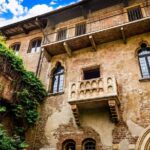
Arena di Verona & Opera, compared.
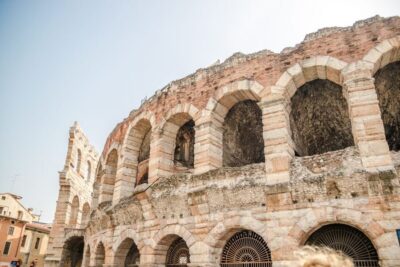 ★ 4.6Priority Access Arena Guided TourFrom $411,152 reviews
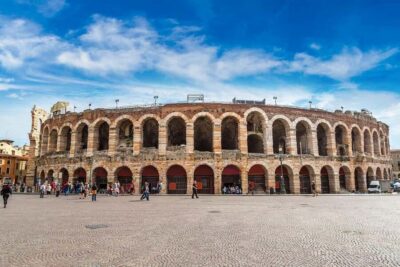 ★ 4.9Small Group Guided Walking Tour with Arena TicketsFrom $81848 reviews
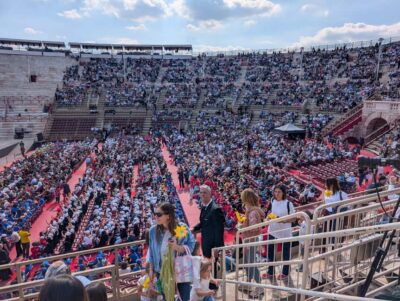 ★ 4.6Arena di Verona Opera TicketFrom $55721 reviews
 ★ 5.0Verona Small Group Walking Tour with Cable Car and Arena TicketsFrom $71311 reviews
 ★ 4.5Verona Arena Skip-the-line TourFrom $47208 reviews
 ★ 4.8Highlights Walking Tour with Arena Priority AccessFrom $81201 reviews
 ★ 4.7From Lake Garda: Verona Arena Opera Ticket with TransferFrom $124155 reviews
 ★ 4.7Opera Concert in Verona Palace with ProseccoFrom $77149 reviews
Browse the lists this tour appears in