
Reviewed · VALPOLICELLA & AMARONE WINE TOURS
Valpolicella: Discovering Amarone Capitel della Crosara
Amarone tells time. This Valpolicella experience walks you through Amarone Classico DOCG with a guided cellar visit, a wine museum, and a tasting route that goes backward through different recent vintages so you can see how the same style changes with each season. I especially like the practical way the tour links the winemaking steps to what you taste, and I love that the tasting is paired with local food. One drawback to consider: it is not suitable for vegans, and the format is designed for adults (children under 18 aren’t recommended).
In 1.5 hours at CANTINE GIACOMO MONTRESOR, you start with the youngest bottle on the menu, then work your way back toward older vintages. Along the way you’ll tour the cellar areas, including the pressing and fermentation plant, an ancient grapes drying room, and underground spaces used for aging and refinement, ending with a light lunch of cold cuts and cheeses matched to the wines.
In This Review
- Key Points at a Glance
- Amarone Capitel della Crosara: What Makes This Taste Different
- Inside Cantine Giacomo Montresor: Museum Time That Actually Helps
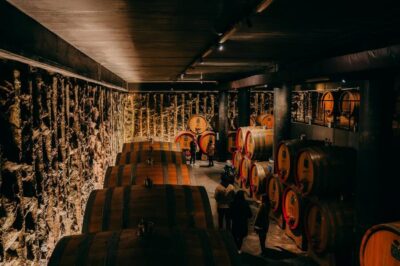
- The Cellar Tour: Pressing, Fermentation, Drying, and Underground Aging
- Pressing and fermentation plant
- Ancient grapes drying room
- Underground cellars for aging and refinement
- Your Backward Tasting Route: Amarone from 2015 Back to Older Vintages
- Light Lunch Pairings: Cold Cuts, Cheese, and Seasonal Bites
- English Hosting: How the Guide Makes the Process Make Sense
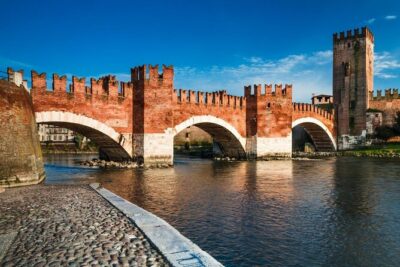
- Getting There from Verona: A Practical Walking Tip
- Price and Value: What $66 Buys in 1.5 Hours
- Who Should Book This Amarone Experience
- Should You Book the Valpolicella Amarone Tour?
- FAQ
- FAQ
- How long is the Amarone tour?
- What’s included in the ticket price?
- Is the tour guide available in English?
- Do I need to bring anything?
- Is transport included?
- Is the experience wheelchair accessible?
- Are children allowed?
- Is it suitable for vegans?
- What’s the cancellation policy?
Key Points at a Glance
- Cellar tour plus museum: production spaces and a wine museum built into the same visit
- Vintage tasting in reverse order: start with the latest vintage and move backwards
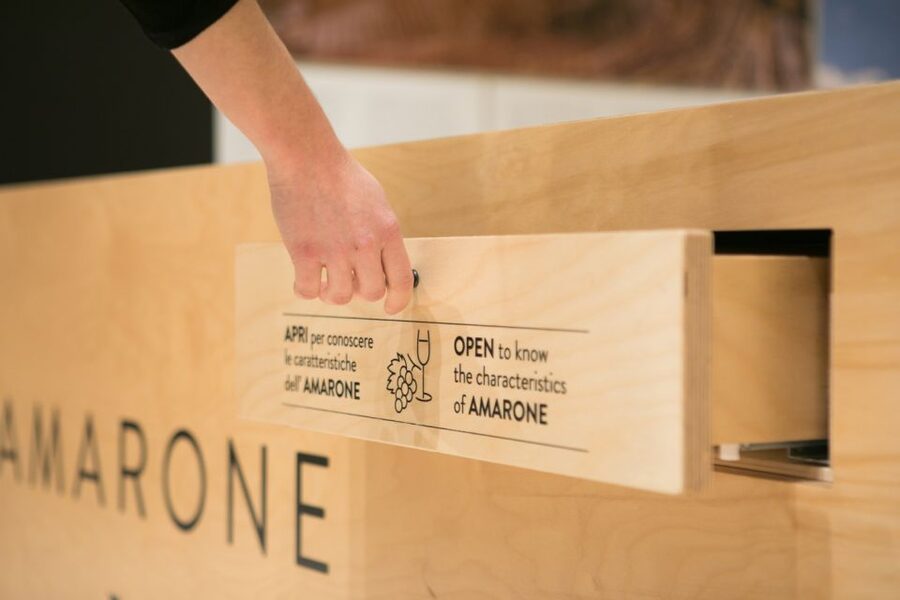
- Concrete Amarone education: pressing/fermentation, grapes drying, and underground aging stops
- Local pairings: cold cuts, cheeses, and seasonal regional products with the tasting
- English live guide: you can ask questions while you taste
- Wheelchair accessible: the visit is listed as suitable for wheelchair access
Amarone Capitel della Crosara: What Makes This Taste Different
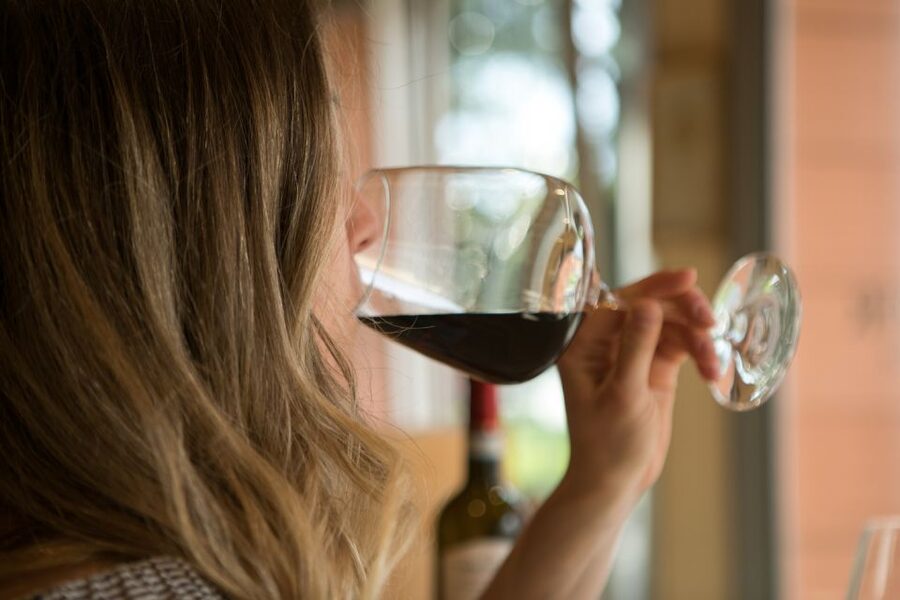
If you’ve had Amarone before, you probably remember the feeling more than the facts. It’s the weight, the sweetness you don’t always expect, and that sense of warm concentration that can make people either fall in love or wonder what the fuss is about.
This tour helps you get past the mystery fast. The tasting focuses on Amarone della Valpolicella DOCG Classico Capitel della Crosara, and the whole experience is set up to answer one question: why does Amarone taste unmistakably Amarone, even when the vintages are very different?
Here’s what I like about the approach. Instead of tossing you a single bottle and letting you guess what’s going on, you move from the real production process into a structured tasting route. You’ll see the spaces where grapes are dried and where wine is aged underground. Then you’ll taste multiple vintages—so you can connect season-to-season changes to what hits your palate.
And yes, it’s still fun. You’re drinking real wine, in a guided sequence, with food that makes the tasting easier to understand.
Back into the Valpolicella hills for a glass of Amarone.
Inside Cantine Giacomo Montresor: Museum Time That Actually Helps
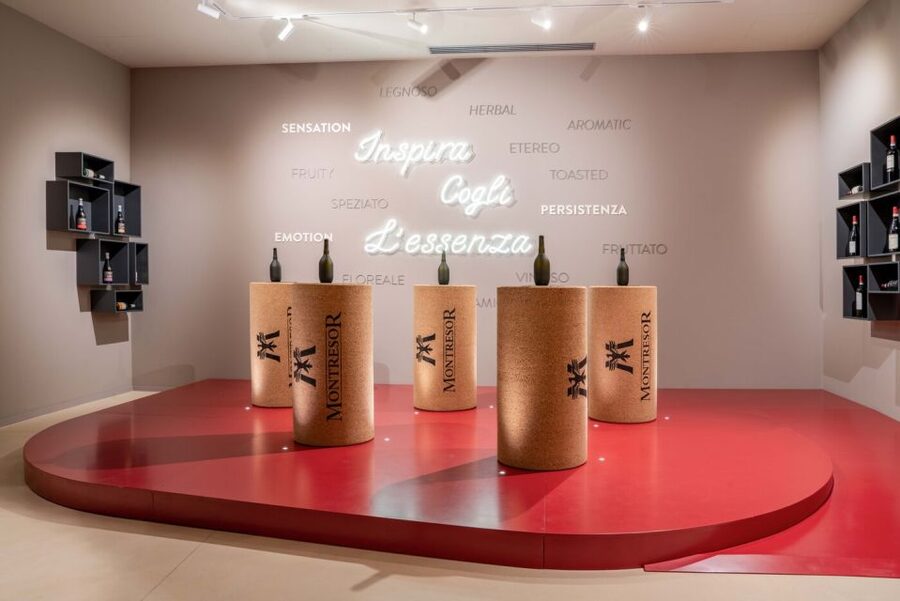
The visit begins with entry to the winery and time in the wine museum. This isn’t just a quick hallway tour. You get a guided look at the winery’s story through wine-related exhibits, and it’s structured so you don’t just stare at glass cases and hope it clicks.
One practical tip worth taking: if you want the most out of the museum, ask your guide about historical inventory like older bottles and barrels. That kind of question can turn a “nice visit” into a genuinely memorable one, because you’re connecting what you see to what winemaking aims to preserve.
What you’re really doing here is setting context. Amarone has a reputation for being powerful, but it’s also technical. When the museum explains the winery’s perspective and the broader Amarone world, your later cellar stops make more sense. You’ll be able to look at the pressing/fermentation areas and the drying room and think, okay, I know why that matters.
The Cellar Tour: Pressing, Fermentation, Drying, and Underground Aging
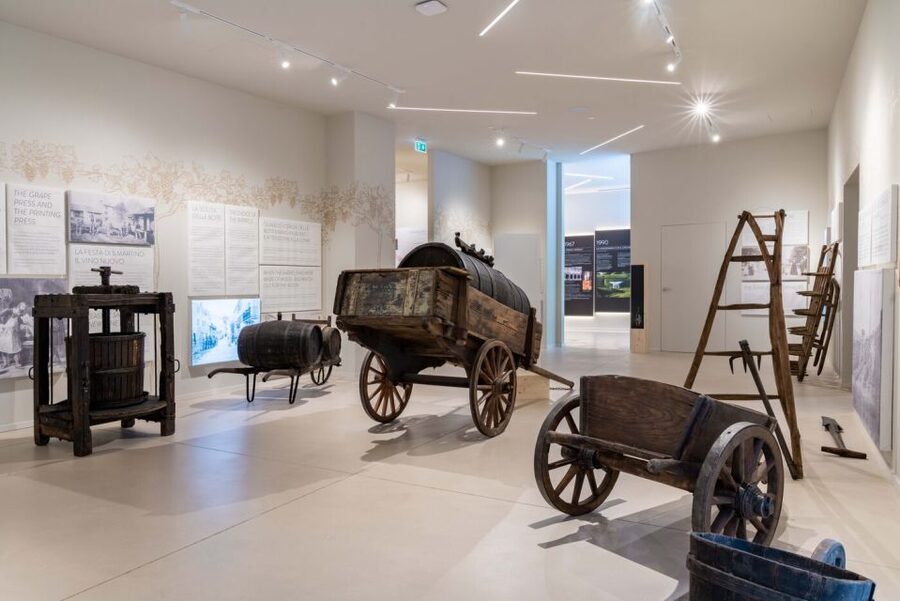
The cellar visit is the backbone of this tour. In a short 1.5-hour window, it’s packed with the key stages that shape Amarone’s character.
Pressing and fermentation plant
You start with the pressing and fermentation side of the process. This matters because fermentation is where grape components become wine and where the style begins to take form. Even without a long lecture, watching where those early steps happen helps you understand why Amarone isn’t just “strong red wine.” It’s built from specific choices that show up later in aroma and texture.
Ancient grapes drying room
Next comes the grapes drying room. This is where Amarone gets its identity. You’re seeing the space where grapes are dried before they’re turned into the wine you’ll taste. That drying step concentrates flavors and changes how sweetness and body develop.
If you’ve ever wondered why Amarone can taste both rich and structured, the drying room is the easiest place to anchor that curiosity. It’s also a great stop for photos, since the room’s purpose is obvious the moment you’re there.
Underground cellars for aging and refinement
Finally, you move to underground cellars used for aging and refinement. Aging is where wine starts to align—tannins smooth, flavors integrate, and the overall impression becomes more cohesive. Underground temperatures and stable conditions matter, and your guide will connect those choices to what you’ll notice in the tasting flight.
The big win here: each cellar stop has a tasting payoff. You don’t just learn what happens—you learn what to expect.
Your Backward Tasting Route: Amarone from 2015 Back to Older Vintages
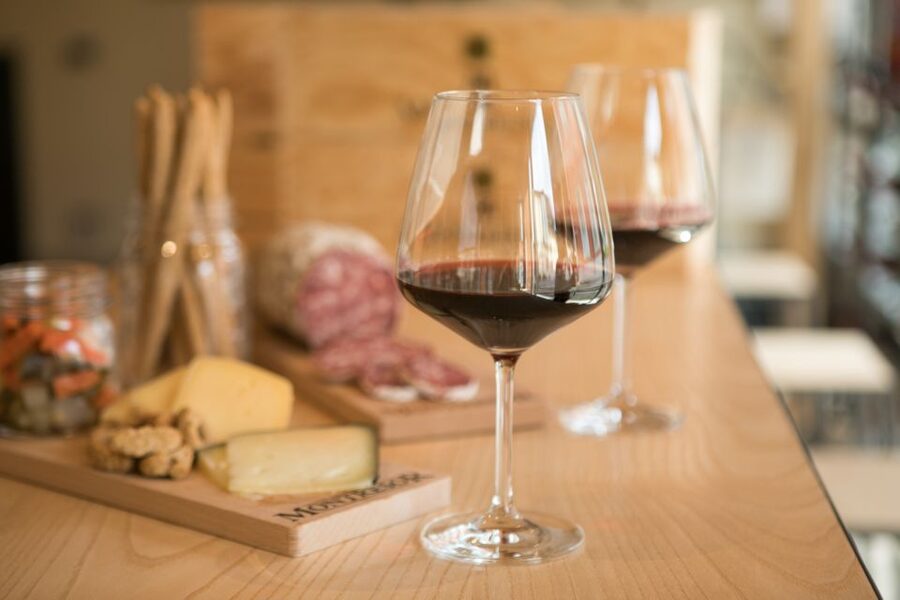
The tasting is the moment everything clicks. After the tour, you’ll follow a guided tasting route that begins with the latest bottled vintage and then goes backward. This is a clever structure because it forces you to notice change rather than compare in your memory.
The tasting lineup is listed as these Amarone della Valpolicella DOCG Classico Capitel della Crosara vintages:
- 2015
- 2012
- 2009
- 2008
- 2006
That set spans enough years to show real variation, even though the label stays the same. You’re essentially training your palate to identify how vintage conditions shape the wine’s final personality—without needing to become a full-time sommelier.
What I’d pay attention to while you taste:
- How aroma shifts from fresher, more immediate impressions in the newer wine to more evolved notes in older bottles.
- How texture changes—older wines often feel smoother and more integrated, even when they still carry power.
- How sweetness reads on the palate. Amarone can taste richly sweet, but the balance evolves with time.
And because it’s guided, you’re not left guessing. Your host explains the winemaking process as you go, so your notes turn into understanding.
Light Lunch Pairings: Cold Cuts, Cheese, and Seasonal Bites
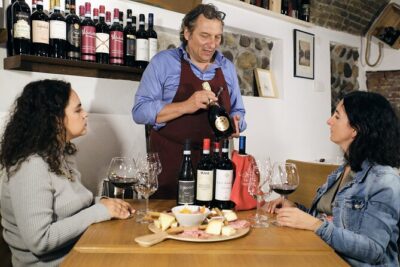
A wine tasting lands differently when you eat something. This tour includes a light lunch after the cellar and tasting route starts.
You’ll have a selection of:
- cold cuts
- cheeses
- typical products of the area
The key detail is that the food selection is chosen according to the season, and it’s designed to enhance the combination with the wines. Translation: you’re not just fed—you’re paired.
This is also one reason the tour isn’t suitable for everyone. There’s no mention of vegan options, and since cold cuts and cheese are part of the plan, it’s easy to see why vegans are excluded. If your diet is strict or you avoid meat and dairy, this is probably the wrong style of experience.
But if you enjoy classic regional pairings, it’s a big part of the value. Amarone’s richness can feel heavy on an empty stomach. With local cheeses and cured meats, the tasting feels grounded and more balanced.
English Hosting: How the Guide Makes the Process Make Sense
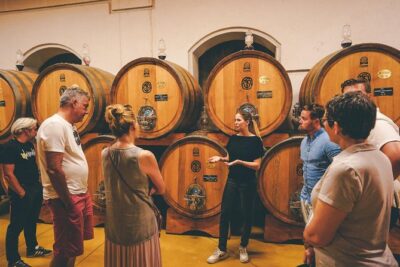
The tour runs with a live guide in English. That matters, because Amarone can be technical, and the experience only works if the information lands in plain language.
In particular, guides like Roberto and Sylvia have been highlighted for clear explanations and a strong teaching style. Even if your guide isn’t named in your booking, the structure is still the same: you’ll hear how the winemaking process works, and the explanations are timed to where you are in the cellar or museum.
One more thing: this isn’t a silent tasting room. Since the tour includes a museum walkthrough and a cellar sequence, it’s set up for questions. If you’re the kind of person who likes to understand the why behind what you’re tasting, you’ll get more out of it.
Getting There from Verona: A Practical Walking Tip
Transport isn’t included, so how you arrive matters. If you’re staying near Verona and you’re considering a walk or you’re already in the area, here’s a practical route tip from experience: use the back road via S Rocco and via Giacomo Montresor, then go down to the main road entrance to avoid a busy road segment with no footpath.
That doesn’t mean walking is always practical for everyone, but it’s the kind of detail that can save time and stress if your plan is on foot. If you’re driving or using local transport, you’ll just want to confirm the meeting point entrance details directly with the operator.
Price and Value: What $66 Buys in 1.5 Hours
At $66 per person for a 1.5-hour experience, the value depends on what you want out of the day.
You’re paying for:
- entry ticket to the winery
- wine museum access
- a guided wine-tasting session
- snacks/light lunch
- a live English guide
That combo is the real strength. You’re not just tasting wine. You’re tasting wine after seeing where it comes from: pressing/fermentation, grape drying, and underground aging. Then you’re eating regional cold cuts and cheese that are meant to work with the bottles you’re drinking.
If you were doing this on your own, you’d likely spend more time figuring out the logistics and more money for separate parts (museum tickets, guided tasting, and food). Here, the whole package is built into one flow.
What you should consider: it’s fairly short, and the focus is clear—Amarone education and tasting. If you want a long, unhurried leisurely winery day, you may feel the pace is tight. But if you want high-value content in a compact window, this format makes sense.
Who Should Book This Amarone Experience
This tour fits best if you:
- want structured Amarone learning without doing homework
- enjoy wine tasting paired with local food
- like museum + cellar in the same visit
- want an English guide who can explain the process as you go
It’s not suitable if you:
- are vegan (cold cuts and cheese are part of the plan)
- are pregnant (pregnancy is listed as not suitable)
- want to bring children under 18 (children under 18 aren’t suitable, and unaccompanied minors aren’t allowed)
If you’re a wheelchair user, it’s listed as wheelchair accessible, which is a real plus—just plan to dress comfortably since wineries can involve uneven surfaces in older areas.
Should You Book the Valpolicella Amarone Tour?
Book it if you want a short, high-impact taste of Valpolicella that goes beyond sipping. The backward tasting route across vintages, combined with a cellar tour that covers pressing/fermentation, the grapes drying room, and underground aging, is a smart way to understand why Amarone can change year to year while staying unmistakably itself.
Skip it if you don’t eat meat or dairy, if your group includes young people under 18, or if you’re looking for a long, slow-paced winery picnic. Also, because transport isn’t included, make sure you’ve planned how you’ll get there without stress.
If you match the criteria, this is the kind of 1.5-hour experience that gives you real context, not just a drink in hand.
FAQ
FAQ
How long is the Amarone tour?
It lasts 1.5 hours.
What’s included in the ticket price?
You get entry to the winery, access to the wine museum, a wine-tasting session, snacks/light lunch, and a live guide.
Is the tour guide available in English?
Yes, the live guide is English-speaking.
Do I need to bring anything?
Bring a camera and wear comfortable clothes.
Is transport included?
No, transport is not included.
Is the experience wheelchair accessible?
Yes, it’s listed as wheelchair accessible.
Are children allowed?
Children under 18 are not suitable for this activity, and unaccompanied minors are not allowed.
Is it suitable for vegans?
No, the tour is not suitable for vegans.
What’s the cancellation policy?
Free cancellation is available up to 24 hours in advance for a full refund.
More Valpolicella and Amarone
More Tour Reviews in Valpolicella
Weighing up other options? More ways to spend a day in Verona and out on Lake Garda
Valpolicella & Amarone Wine Tours, compared.
 ★ 4.9Valpolicella and Amarone Wine Tasting TourFrom $112560 reviews
 ★ 4.5Discover Valpolicella Vineyards and Wine Tasting ExperienceFrom $84341 reviews
 ★ 5.0Amarone Wine-tasting Tour from Verona with Private TransportationFrom $151283 reviews
 ★ 5.0The Grand tour of Valpolicella: 2 Wineries, Lunch & Amarone focusFrom $272160 reviews
 ★ 5.0Small-group Amarone Wine e-Bike Tour from VeronaFrom $133144 reviews
 ★ 4.8Amarone Wine E-Bike Tour with TastingFrom $130130 reviews
 ★ 4.8Amarone Half-Day Wine Tasting TourFrom $106124 reviews
 ★ 4.5Wine Tasting near Juliet’s House & Arena with ValpolicellaFrom $50118 reviews
Browse the lists this tour appears in