
Reviewed · FOOD & DRINK
Fine Chocolate Tasting in Turin
Turin has a serious sweet streak. This tasting turns it into a focused, one-hour chocolate lesson. I like the mix of local Piedmont favorites and international fine chocolate, and I also like how the host keeps the story practical as you taste. You’ll start with Gianduja and move through other styles, while you learn what bean-to-bar actually changes on your palate. One thing to plan for: the shop is small, and the experience isn’t set up for wheelchair users, so comfort may be limited.
At Chocolate7, the atmosphere is that of a boutique chocolate counter—small, friendly, and built around sharing. The host (Giovanni is named in many bookings) talks through chocolate quality with a warm, no-pressure vibe, and the tastings come in a generous, paced flow. I love that it’s not just sweet samples; it’s guided, with tasting notes you can actually use later. If you’re allergic or intolerant to hazelnuts, tell them at the beginning so alternatives can be arranged.
For the price, this is more than a treat-yourself stop. With a limited group of up to 8 people, you get real attention in about an hour, and the tasting is designed to help you understand what you’re tasting and why. If you’re expecting a long, leisurely sit-down with pastries and coffee, this is tighter and more structured—more like a tasting class than a café hang.
In This Review
- Key Things I’d Highlight Before You Go
- Chocolate7 Meeting Point: Find It, Then Follow the Smell
- The Real Star: Gianduja and Why Turin Starts Here
- Tasting Four Chocolate Styles: Local Pride Meets Global Makers
- What Bean-to-Bar Changes on Your Tongue
- A 1-Hour Pace That Actually Works
- Languages and Host Style: Giovanni’s Passion Without the Pressure
- Price and Value: $36 for an Education You Can Taste
- What to Expect to Taste (and What to Tell Them)
- Who This Fine Chocolate Tasting Fits Best
- Should You Book Fine Chocolate Tasting in Turin?
- FAQ
- How long is the Fine Chocolate Tasting in Turin?
- How much does it cost per person?
- What chocolate will I taste during the experience?
- Do they teach the bean-to-bar production method?
- What languages is the guide available in?
- What if I have a hazelnut allergy or intolerance?
Key Things I’d Highlight Before You Go
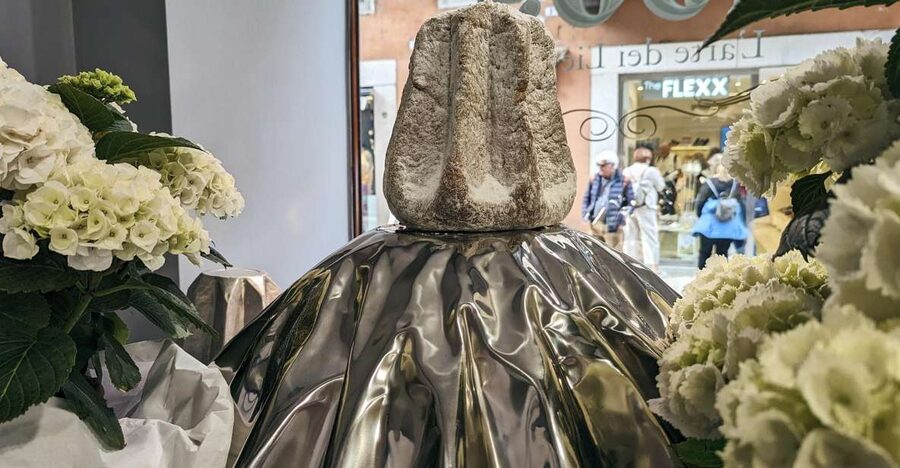
- Gianduja First: Piedmont’s signature hazelnut-chocolate blend sets the baseline fast.
- Four Chocolate Types: You’ll taste through local/Italian and finish with international styles.
- No Emulsifiers (mostly organic): The flavors taste cleaner and more distinct.
- Bean-to-Bar Explained: You learn how control of each step affects what you’re tasting.
- Small Group Format: Up to 8 participants means you’re not shouting over a crowd.
- Nut-Allergy Support (with notice): Hazelnut issues can be handled if you communicate early.
Chocolate7 Meeting Point: Find It, Then Follow the Smell
Your start is inside the Chocolate7 shop in Turin. Meet the host directly in the store; it’s a small boutique located to the left of a sushi restaurant. You’ll enter, show your ticket, and then the tasting flows right from there.
This is the kind of meeting point that works well when you like easy, “go inside and show your ticket” logistics. Still, it’s worth arriving a few minutes early—shops like this can be tight, and you’ll want time to get settled before tasting begins. Bring comfortable shoes. Not because you’ll walk far, but because you may stand a bit while you browse and taste.
And yes, you can usually make your plans more flexibly since free cancellation is offered up to 24 hours in advance, and you can reserve now and pay later.
The Real Star: Gianduja and Why Turin Starts Here
Your tasting begins with Gianduja, which is deeply tied to Piedmont’s identity. In plain terms, it’s a smooth combination of rich chocolate and toasted hazelnuts from the region. This first bite matters because it anchors your expectations.
If you’re new to fine chocolate, Gianduja can feel almost like a familiar comfort flavor—until you notice the difference that good ingredients and careful production bring. The texture tends to be creamy and the hazelnut character can read as nutty, toasted, and round, rather than sweet and artificial. Starting here also sets you up to notice later contrasts: darker flavors, milk sweetness, and the more delicate feel of white chocolate.
I like that this isn’t treated as a throwaway “local sample.” It’s used as a baseline, so the rest of the tasting has context.
Tasting Four Chocolate Styles: Local Pride Meets Global Makers
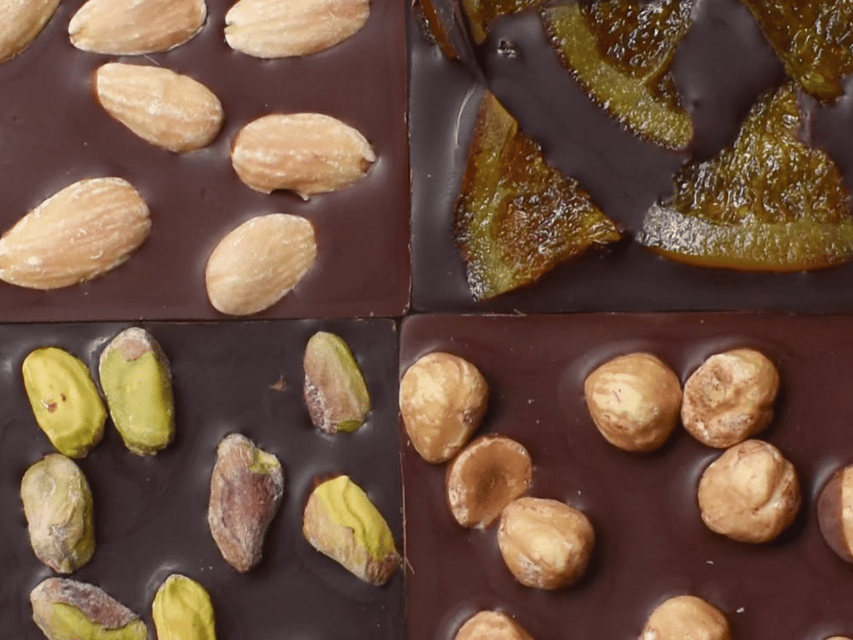
After Gianduja, you’ll taste all four primary types of chocolate. The experience is designed so you move from one flavor profile to the next, rather than randomly sampling squares.
Here’s what that usually helps you do, as a taster:
- Local and Italian luxury chocolates come first, so the tasting tells an Italian story in the order it’s meant to be heard.
- Then you finish with international bean-to-bar fine chocolates, including dark, milk, and white.
What makes this smart is the sequence. Dark chocolate often reveals structure—bitterness, cocoa depth, and lingering notes. Milk chocolate shifts things toward sweetness and softness. White chocolate can feel mild at first, but in fine versions you may still detect cocoa butter nuances and subtle vanilla-like aromas.
The host also shares tasting notes as you go. That’s key because chocolate can be hard to describe unless someone gives you vocabulary. Think about it like wine: the flavor might be obvious, but the notes help you actually remember what you liked and why.
You’ll also be told that what you taste is pure and mainly organic, and it’s crafted without emulsifiers. That matters more than it sounds. Emulsifiers can smooth out texture, but skipping them often makes the chocolate’s natural characteristics show up more clearly in the finish—how it melts, how the flavors rise, and how clean the aftertaste is.
What Bean-to-Bar Changes on Your Tongue
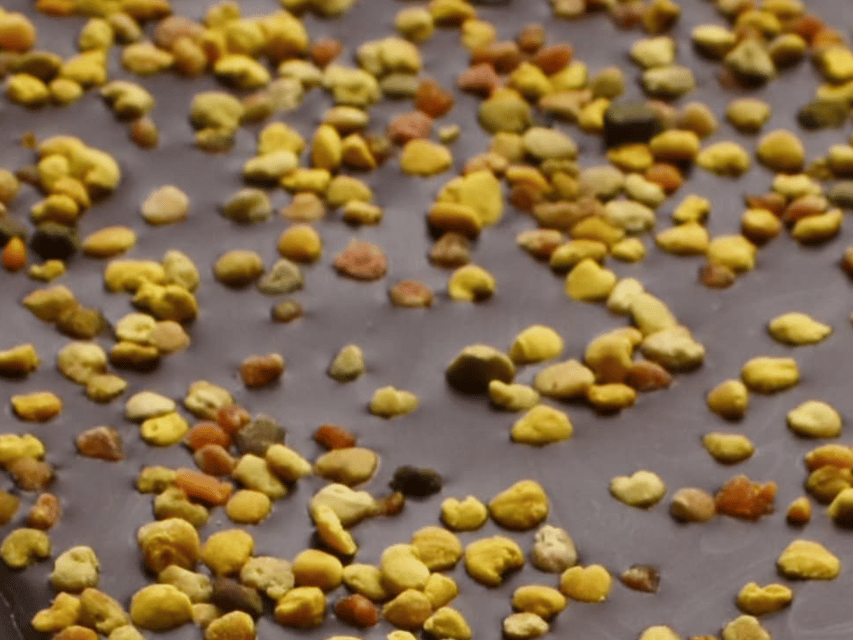
The best part of this tasting for me is the explanation of bean-to-bar production. You’re not just tasting good chocolate; you’re learning how the maker controls the path from cacao to bar.
Bean-to-bar generally means the chocolatier oversees more steps of production, rather than buying a finished cocoa base and only doing packaging-level work. In this experience, you learn the method directly as part of the flow, with the focus tied to quality and the tasting notes you’ll hear.
Why that matters: when a maker has more control, they can shape things like texture, aroma, and flavor development. You might notice a difference in how the chocolate breaks on your tongue, how quickly it melts, or how distinct the flavors stay instead of blending into one generic sweetness.
The host’s approach makes this feel like practical food knowledge, not a lecture. You’ll be given the framework, and then you taste to see it.
A 1-Hour Pace That Actually Works
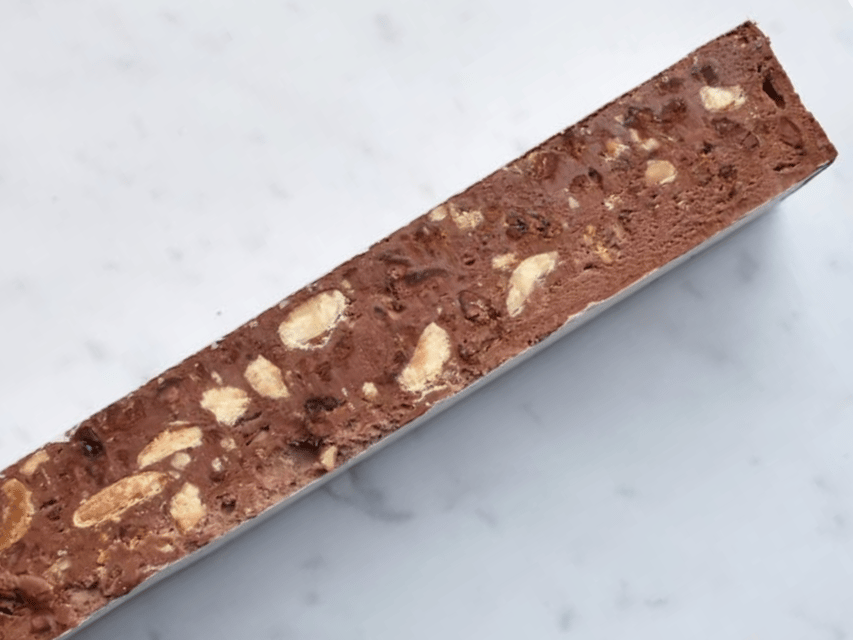
This is a 1-hour experience, and that’s a sweet spot. Long chocolate tours can turn into overload. Here, the pacing is built for focus: you taste, learn a note, then taste again with more context.
The structure is basically:
- start with Gianduja
- move through other local/Italian luxury chocolates
- finish with international fine chocolate across chocolate types
- learn bean-to-bar and how to read tasting notes along the way
The format is guided, and the host leads you with a steady rhythm. I also appreciate that it’s a small group limited to 8 participants. In a shop like this, that keeps it conversational. You’re more likely to get answers to your questions, rather than just watching and hoping.
There’s also a specific way they handle preferences: if you have hazelnut issues, you can get alternatives, but you have to communicate it at the beginning.
Languages and Host Style: Giovanni’s Passion Without the Pressure
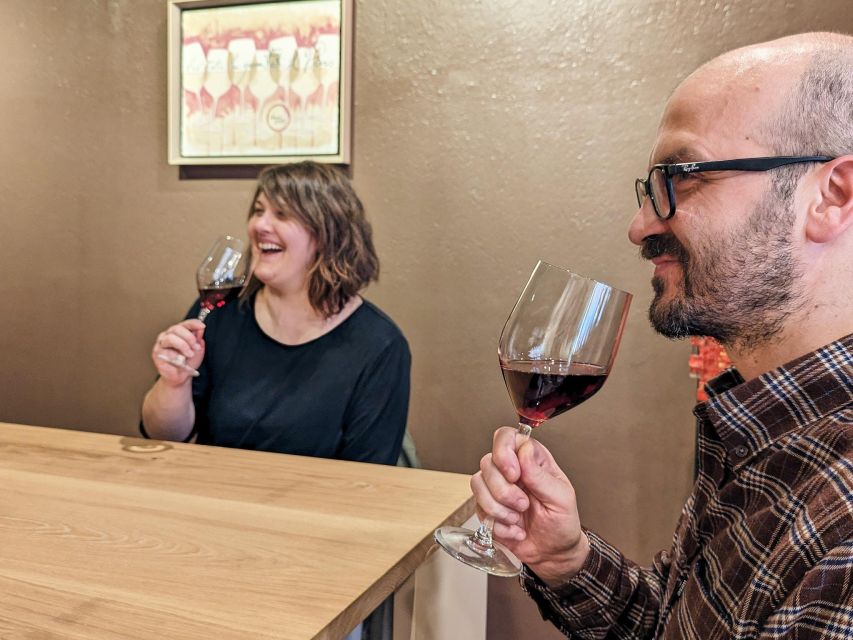
The tasting is guided live, with languages listed as Italian, French, and English. So if you land in Turin and you don’t speak Italian, you’re still covered. That’s especially helpful in a small boutique setting where the host’s guidance drives the experience.
Many bookings name Giovanni specifically, and the common thread in the tone is passion with generosity. People describe a relaxed experience, with samples that feel plentiful and a host who shares a lot—history, production method, and tasting notes. The best part of this style is that it turns chocolate into a conversation rather than a performance.
If you’re the type who likes to ask what you’re tasting and why it tastes that way, this format will suit you.
Price and Value: $36 for an Education You Can Taste
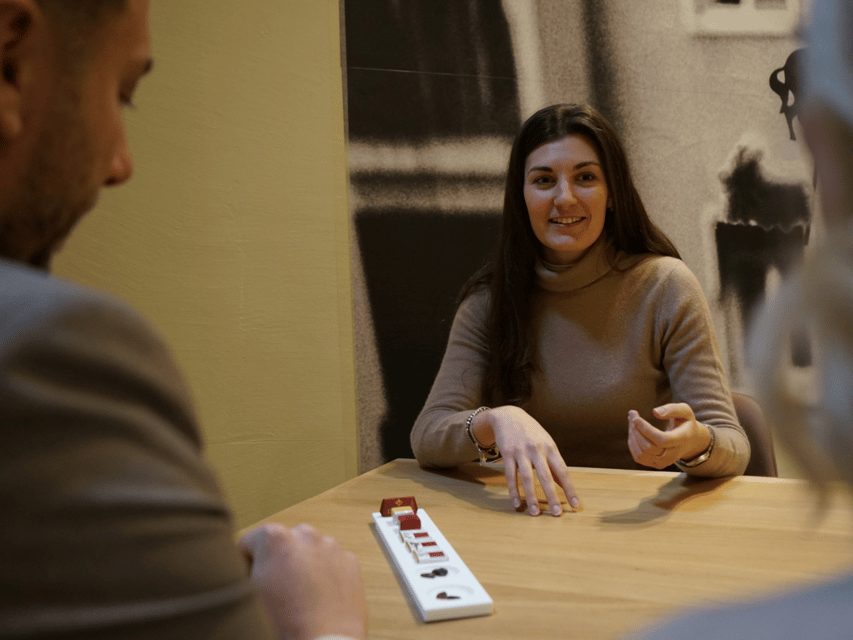
At $36 per person for about 1 hour, this isn’t the cheapest option in Turin. But it also isn’t just a snack stop. You’re paying for:
- guided tasting with a host
- multiple chocolate types (including dark, milk, and white)
- a local highlight (Gianduja)
- bean-to-bar education and tasting notes
In value terms, this makes sense if you want a structured introduction to fine chocolate—especially if most chocolate you’ve had before is the supermarket kind. That’s the difference you’re paying for: learning how fine makers work, then tasting the proof.
It’s also a good deal if you’re traveling as a couple or small group that enjoys food experiences. Since the group is limited, you’ll likely feel you got your money’s worth in attention and variety.
A small practical note: transportation to the venue isn’t included, so plan a short walk or get there on your own.
What to Expect to Taste (and What to Tell Them)
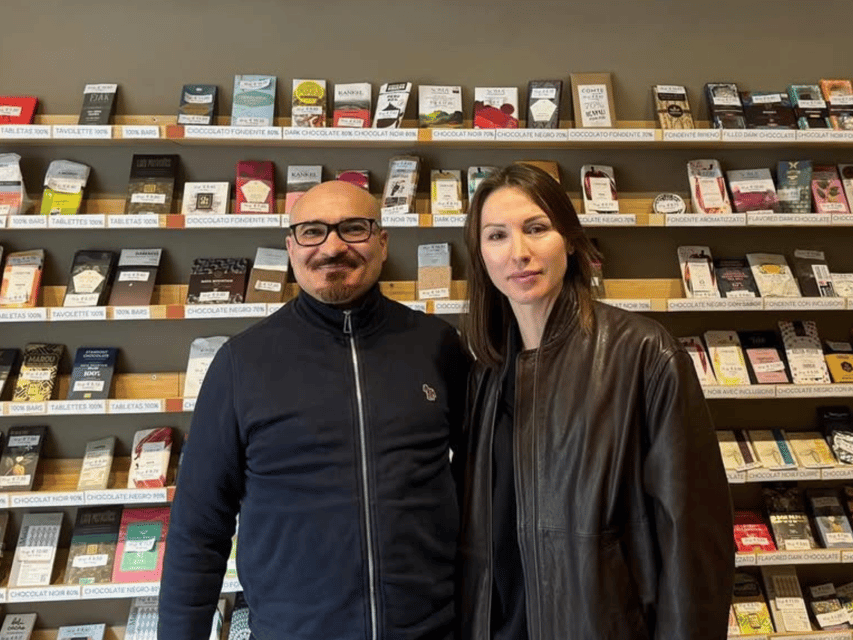
You’ll sample a range of chocolates from local and Italian makers, plus international bean-to-bar fine chocolate. The experience emphasizes:
- Gianduja as the Piedmont starter
- tasting all four primary chocolate types
- chocolates described as mainly organic and without emulsifiers
What you should communicate upfront:
- hazelnut allergy or intolerance (the host can provide alternatives, but you must say so at the beginning)
What I’d consider before booking:
- This isn’t suitable for wheelchair users.
- The shop is small, so if you’re sensitive to tight spaces, you might want to arrive calmly and expect limited room.
Who This Fine Chocolate Tasting Fits Best
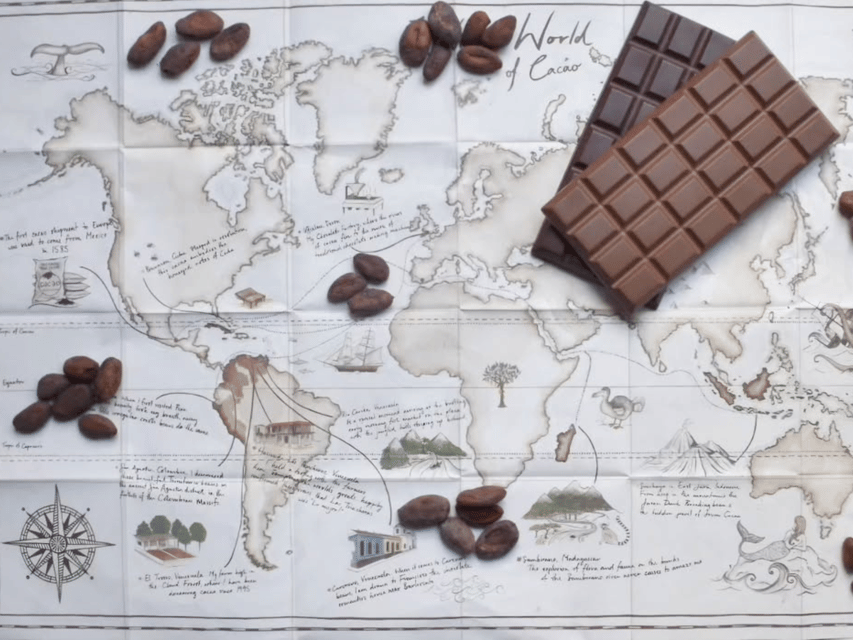
This is a strong pick if you:
- love chocolate and want something more informative than a generic dessert tour
- want a quick, high-focus food experience in about an hour
- like learning how ingredients and production methods translate into flavor
- are traveling with a friend or partner and want a shared, easy activity
It may be less of a match if you:
- need full wheelchair accessibility
- prefer very long activities or a casual, sit-down meal rather than guided tasting
- have very strict dietary needs beyond hazelnuts that aren’t confirmed as manageable here
Should You Book Fine Chocolate Tasting in Turin?
Yes, if you want a short, satisfying chocolate experience that teaches you how to taste. The biggest reason to book is the combination of Gianduja + four chocolate styles + bean-to-bar education in a small-group format. It’s also a good value move when you consider you’re not only eating chocolate—you’re learning the language behind it.
If you’re hazelnut sensitive, don’t skip this. Just message or tell the host at the start so alternatives can be prepared. And if you’re dealing with mobility needs, plan another option since this one isn’t designed for wheelchair users.
FAQ
How long is the Fine Chocolate Tasting in Turin?
It lasts 1 hour.
How much does it cost per person?
The price is $36 per person.
What chocolate will I taste during the experience?
You’ll start with Gianduja and then taste other luxury chocolates from local and Italian producers, finishing with international bean-to-bar fine chocolates, including dark, milk, and white.
Do they teach the bean-to-bar production method?
Yes. The host explains the bean-to-bar approach as part of the tasting, along with tasting notes.
What languages is the guide available in?
The live guide offers Italian, French, and English.
What if I have a hazelnut allergy or intolerance?
If you have a hazelnut allergy or intolerance, the host can provide alternatives, but you must communicate it at the beginning of the tasting.
Food & Drink, compared.
 ★ 4.9Valpolicella and Amarone Wine Tasting TourFrom $112560 reviews
 ★ 4.8Wine Tasting with Snacks and Panoramic ViewsFrom $53494 reviews
 ★ 5.0Verona walking tour:food, wine, legends, lunch/dinner & cable carFrom $123386 reviews
 ★ 5.0Verona All in one: Food Walking Tour, Lunch & WineFrom $114342 reviews
 ★ 4.5Discover Valpolicella Vineyards and Wine Tasting ExperienceFrom $84341 reviews
 ★ 5.0Amarone Wine-tasting Tour from Verona with Private TransportationFrom $151283 reviews
 ★ 4.5Lake Garda: Historic Castle Cruise with Wine TastingFrom $113241 reviews
 ★ 5.0Wine Tasting with Panoramic View of VeronaFrom $54240 reviews
Browse the lists this tour appears in